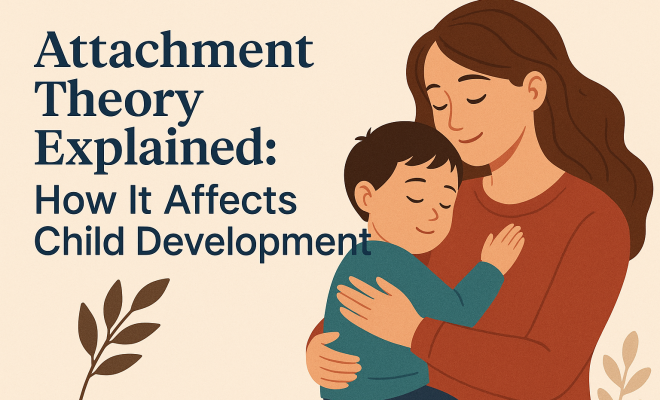
Attachment Theory Explained: How It Affects Child Development
“`html
Understanding how children develop emotionally and socially is crucial for parents, educators, and mental health professionals. One of the most significant frameworks for exploring this is attachment theory. Originally developed by British psychologist John Bowlby in the mid-20th century, this theory provides insights into the bonds formed between children and their caregivers, and how these relationships influence development throughout life.
The Origins of Attachment Theory
Attachment theory emerged from Bowlby’s observations of children’s emotional responses when separated from their primary caregivers. He hypothesized that these attachments are crucial for survival, much like a baby’s instinct to cling to its mother. Bowlby’s work was further developed by Mary Ainsworth, who designed the “Strange Situation” experiment in the 1970s. This assessment measured children’s responses to separations and reunions with their caregivers, leading to the identification of different attachment styles.
Understanding Attachment Styles
Attachment theory identifies four primary styles of attachment that can develop in children: secure, anxious, avoidant, and disorganized. Each of these styles reflects different patterns of behavior and emotional responses in relationships.
- Secure Attachment: Children with secure attachment feel safe and comforted by their caregivers. They explore their environment confidently, knowing they can return for support. This style is generally associated with responsive caregiving.
- Anxious Attachment: Anxiously attached children often experience clinginess and fear of separation. They may be overly dependent on their caregivers for emotional support, stemming from inconsistent responses from their parents.
- Avoidant Attachment: In contrast, avoidantly attached children may appear indifferent or emotionally distant. They tend to suppress their emotions and avoid seeking comfort, often a result of caregivers who are unresponsive or neglectful.
- Disorganized Attachment: This style is characterized by a lack of clear attachment behavior. Disorganized children may display a mix of anxious and avoidant traits, often due to trauma or severe inconsistencies in caregiving.
Impact of Attachment Styles on Child Development
The implications of these attachment styles extend far beyond childhood. Research suggests that securely attached children often display better emotional regulation, social skills, and resilience. Conversely, those with insecure attachment styles may face challenges in forming healthy relationships and managing stress as they grow older.
For instance, securely attached individuals tend to have higher self-esteem and exhibit greater social competence. They’re more likely to form stable relationships and are better equipped to handle conflicts. On the other hand, anxiously attached individuals may struggle with jealousy and clinginess, while avoidantly attached individuals often face difficulties in expressing emotions and seeking help.
The Role of Caregivers in Developing Attachment
Caregivers play a pivotal role in how attachment styles form. Responsive and sensitive parenting promotes secure attachment. When caregivers consistently meet their children’s needs, it fosters trust and a sense of safety. In contrast, inconsistent or neglectful behavior can lead to insecure attachments.
For example, a mother who is emotionally available and responds to her child’s cries effectively helps establish a secure base. Children learn that they can rely on their caregivers for support, which lays the groundwork for healthy emotional development. On the flip side, a caregiver who often dismisses or is overly critical can lead a child to develop anxiety around attachment, potentially resulting in an anxious or avoidant style.
Attachment Theory in Later Life
As children transition into adulthood, the effects of their attachment style can manifest in various ways. Research indicates that early attachment experiences shape adult romantic relationships, friendships, and even parenting styles. Adults with secure attachments are generally more satisfied in their relationships and are better at managing stress and resolving conflicts.
Conversely, those who have faced insecure attachments may find themselves repeating negative patterns in their romantic relationships. For instance, someone with an anxious attachment might become overly dependent on their partner, while an avoidant individual may struggle to commit or express their feelings. Understanding these dynamics can be crucial for personal growth and relationship counseling.
Practical Insights for Parents and Educators
Given the far-reaching implications of attachment theory, what can parents and educators do to foster secure attachments? Here are some actionable insights: (See: Attachment theory on Wikipedia.)
- Be Responsive: Respond to your child’s needs consistently. Whether they’re crying, seeking comfort, or showing curiosity, being there for them builds trust.
- Encourage Exploration: Allow your child to explore their environment, knowing you are their safety net. This promotes independence while reinforcing their sense of security.
- Validate Emotions: Acknowledge and validate your child’s feelings. Teaching them that it’s okay to express emotions helps them develop emotional intelligence.
- Model Healthy Relationships: Demonstrate healthy communication and conflict-resolution strategies. Children learn by observing, so showing them how to handle disagreements positively can impact their future relationships.
Attachment Theory in Educational Settings
Attachment theory also holds significant implications in educational contexts. Teachers who understand the importance of attachment can create supportive classroom environments that cater to students’ emotional needs. For example, a teacher who establishes a trusting relationship with students can help them feel safe to participate and take risks in their learning.
Additionally, incorporating social-emotional learning (SEL) into the curriculum can help address the diverse needs of students. Programs that focus on building resilience, empathy, and emotional regulation are beneficial in fostering secure attachments among peers and with educators.
The Evolving Landscape of Attachment Research
Attachment theory has evolved since its inception, with ongoing research exploring its relevance in various contexts. Recent studies have delved into the intersection of attachment and technology, particularly how digital interactions may influence relationships. For instance, mobile devices and social media can impact how young people form attachments, posing challenges and opportunities for maintaining connections.
Moreover, researchers are increasingly examining the role of attachment in diverse family structures, including single-parent families, foster care, and adoption. Understanding how these dynamics affect attachment can lead to tailored interventions that support positive development across various settings.
Attachment Theory and Mental Health
The connection between attachment styles and mental health has become a focal point for researchers and therapists. Studies have shown that individuals with insecure attachment styles are at a higher risk for developing mental health issues, such as anxiety, depression, and personality disorders. Insecure attachments can contribute to feelings of worthlessness and inadequacy, leading to a cycle of negative self-perception and maladaptive coping mechanisms.
For example, a person with an anxious attachment style might frequently experience anxiety in relationships, worrying about their partner’s commitment or love. This can lead to behaviors that push partners away, ultimately reinforcing feelings of insecurity. On the other hand, a person with an avoidant attachment style may struggle to reach out for help during times of distress, further isolating themselves and exacerbating mental health challenges.
Attachment Theory in Therapy
Therapeutic approaches that incorporate attachment theory can be highly effective in helping individuals understand their relational patterns and improve their emotional health. Techniques such as Emotionally Focused Therapy (EFT) emphasize the importance of forming secure attachments to facilitate healing. Therapists trained in attachment theory often work with clients to identify their attachment styles and how these styles impact their relationships and mental health.
For instance, a therapist might help a client with an anxious attachment style recognize their patterns of clinging behavior and develop healthier ways of coping with fear of abandonment. Through this process, individuals can learn to cultivate healthier relationships based on trust and mutual support.
Comparing Attachment Styles Across Cultures
Research has also begun to explore how attachment styles manifest across different cultures. While the core principles of attachment theory remain consistent, cultural contexts can shape the expression of attachment behaviors. In collectivist cultures, for instance, the emphasis on family and community can influence how attachment is formed and perceived. Children may develop attachment styles that differ from those observed in more individualistic societies.
For example, studies indicate that children in collectivist societies may prioritize group harmony over individual exploration, which can lead to different attachment patterns. Understanding these cultural differences is essential for mental health professionals working with diverse populations, as it allows them to provide culturally sensitive care and support. (See: CDC on children's attachment.)
Frequently Asked Questions (FAQ)
What is attachment theory?
Attachment theory is a psychological framework that describes the bonds formed between children and their caregivers, focusing on how these bonds influence emotional and social development throughout life.
What are the four attachment styles?
The four primary attachment styles are secure, anxious, avoidant, and disorganized. Each style reflects different patterns of behavior and emotional responses in relationships.
How does attachment theory impact adult relationships?
Attachment theory suggests that early attachment experiences shape adult relationships. Individuals with secure attachments tend to have healthier, more stable relationships, while those with insecure attachments may encounter challenges in communication and intimacy.
Can attachment styles change over time?
Yes, attachment styles can evolve. With awareness and intentional effort, individuals can work towards developing more secure attachments, often through therapy or positive relationship experiences.
How can parents foster secure attachments in their children?
Parents can foster secure attachments by being responsive to their child’s needs, encouraging exploration, validating emotions, and modeling healthy relationships.
What should educators know about attachment theory?
Educators should recognize the importance of emotional support in the classroom. Creating a safe, trusting environment helps students feel secure, which can enhance their learning and social interactions.
Is attachment theory relevant in today’s digital age?
Yes, attachment theory remains relevant as researchers examine how digital interactions and social media affect the formation and maintenance of attachments among young people.
What role does attachment theory play in understanding trauma?
Attachment theory can provide insights into how trauma affects individuals. Secure attachments can serve as a protective factor, while insecure attachments may exacerbate the impact of trauma, making recovery more challenging.
How does attachment theory relate to parenting styles?
Attachment theory is closely related to parenting styles. Authoritative parenting, which combines warmth and structure, tends to foster secure attachments, while authoritarian or neglectful styles can lead to insecure attachments.
How Attachment Styles Affect Parenting
Interestingly, a parent’s attachment style often influences their own parenting behavior. For example, a parent with a secure attachment style is likely to be more responsive and nurturing to their child’s needs. In contrast, a parent with an anxious attachment style may exhibit overprotectiveness, while a parent with an avoidant style may struggle to engage emotionally with their child. This pattern can perpetuate cycles of attachment insecurity across generations.
Attachment Theory and Workplace Relationships
Attachment theory extends beyond personal relationships and has implications in professional settings as well. Employees with secure attachment styles tend to have better relationships with colleagues and supervisors, leading to higher job satisfaction and engagement. They are more likely to collaborate effectively, communicate openly, and seek support when needed. Conversely, those with insecure attachment styles might experience workplace tension, have difficulty trusting colleagues, or struggle with authority figures, which can impact their career progression and workplace morale.
Influence of Attachment Style on Friendship
Friendships are deeply influenced by attachment styles as well. Individuals with secure attachment are usually seen as dependable friends, fostering deep and supportive connections. Anxious individuals may seek reassurance from friends and fear being abandoned, leading to conflicts or misunderstandings. Avoidantly attached individuals might struggle with intimacy, often keeping friends at arm’s length. Disorganized attachments can lead to chaotic and unstable friendships, showcasing how vital understanding these styles is for nurturing healthy social interactions.
Ongoing Research and Future Directions in Attachment Theory
As attachment theory continues to evolve, researchers are exploring various dimensions, such as the effects of attachment on physical health. Emerging studies suggest that secure attachments may contribute to better physical health outcomes, including lower levels of stress and reduced risk of chronic illness. This intersection of emotional and physical health underscores the importance of fostering secure attachments in all areas of life.
Moreover, future research is likely to delve deeper into the neural correlates of attachment. Advances in neuroscience may shed light on how attachment experiences shape brain development and function, providing a more comprehensive understanding of the biological underpinnings of attachment theory.
Conclusion: The Lasting Impact of Attachment Theory
The insights provided by attachment theory are invaluable for understanding child development and shaping healthy relationships. By recognizing the implications of attachment styles, caregivers and educators can create environments that foster emotional well-being and resilience. As we continue to explore the nuances of attachment, it becomes clear that the bonds formed in early childhood profoundly influence the trajectory of individuals throughout their lives.
Ultimately, fostering secure attachments can lead to healthier, happier lives for children. By applying the principles of attachment theory, we can help the next generation develop the tools they need to thrive emotionally and socially.
“`
Trending Now
Frequently Asked Questions
What is attachment theory in child development?
Attachment theory is a psychological framework developed by John Bowlby that explores the bonds formed between children and their caregivers. It emphasizes how these attachments influence emotional and social development throughout a child's life.
What are the different types of attachment styles?
Attachment theory identifies four primary styles: secure, anxious, avoidant, and disorganized. Each style reflects different behaviors and emotional responses in relationships, shaped by the interactions between children and their caregivers.
How does secure attachment affect child development?
Children with secure attachment feel safe and supported by their caregivers, allowing them to explore their environment confidently. This secure base fosters healthy emotional and social development, leading to better relationships in the future.
What impact does anxious attachment have on children?
Anxiously attached children often exhibit clinginess and fear of separation, relying heavily on their caregivers for emotional support. This attachment style typically arises from inconsistent caregiving, affecting their ability to form healthy relationships later in life.
What is the 'Strange Situation' experiment?
The 'Strange Situation' is a research method developed by Mary Ainsworth in the 1970s to observe children's attachment styles. It involves a series of separations and reunions between a child and their caregiver, helping to identify how children respond to attachment-related stress.
What’s your take on this? Share your thoughts in the comments below — we read every one.