Avoidant Attachment in the Classroom: What Teachers Should Know
“`html
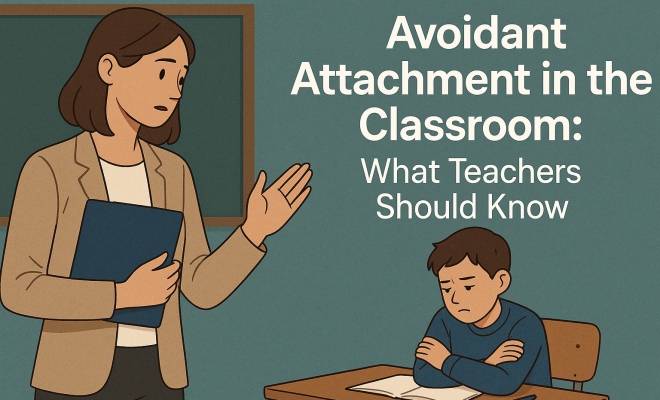
A classroom is meant to be a space of learning, growth, and connection, but for some students, it can become a challenging environment filled with emotional barriers. One such barrier stems from a psychological phenomenon known as avoidant attachment in education. Understanding this attachment style is essential for educators aiming to create inclusive and supportive learning environments. This article will explore avoidant attachment in the classroom, its implications for teaching, and strategies educators can employ to help students thrive.
Understanding Attachment Theory
To grasp the concept of avoidant attachment, we first need to delve into attachment theory, a framework developed by psychologist John Bowlby in the mid-20th century. Attachment theory posits that the bonds formed between caregivers and children during the early years have profound effects on their emotional and social development.
There are four primary attachment styles identified in children: secure, anxious, avoidant, and disorganized. Secure attachment is characterized by a strong, healthy bond, while anxious and avoidant attachments reflect various levels of insecurity. Avoidantly attached children often learn to suppress their emotions and develop a self-reliant attitude to cope with the perceived unavailability of their caregivers.
Avoidant Attachment in Education: The Basics
Avoidant attachment in education typically manifests in children who have experienced inconsistency in emotional support from caregivers. The characteristics of these students may include:
- A reluctance to participate in group activities
- Difficulty expressing emotions or seeking help
- A tendency to prefer solitude over social interactions
- A defensive attitude toward feedback or criticism
Recognizing these behaviors is crucial for teachers, as they can often be misinterpreted as a lack of interest or motivation. However, understanding the roots of avoidant attachment can provide insight into why a student may be behaving in a certain way.
Signs of Avoidant Attachment in the Classroom
Identifying students with avoidant attachment can be challenging, especially since they may mask their feelings of discomfort under a facade of independence. Here are some common signs:
- Withdrawal: Avoidantly attached students may isolate themselves from their peers, avoiding group work or cooperative learning experiences.
- Perfectionism: They often strive for perfection and fear failure, leading to heightened anxiety about performance.
- Emotional Detachment: These students may appear indifferent to praise or criticism, reflecting their internal struggle with vulnerability.
- Reluctance to Ask for Help: They might avoid seeking assistance, believing that doing so could expose their perceived weaknesses.
Understanding these behaviors allows teachers to approach avoidantly attached students with empathy rather than frustration. Rather than viewing them as aloof or unmotivated, educators can recognize the underlying emotional struggles at play.
The Impact of Avoidant Attachment on Learning
Avoidant attachment can significantly impact a student’s learning experience. For these students, the classroom can feel overwhelming, leading to potential academic challenges. They may struggle with:
- Collaboration: The inability to engage in group projects can hinder their social skills and teamwork experience.
- Communication: Avoidantly attached students are less likely to share their thoughts and ideas, resulting in missed learning opportunities.
- Emotional Regulation: Difficulties in expressing emotions may lead to increased stress and anxiety in academic settings.
- Motivation: Their fear of failure or criticism can lead to a lack of motivation to pursue academic challenges.
These challenges can create a cycle where the student feels further alienated from their peers and teachers, reinforcing their avoidant attachment behaviors. Understanding this cycle is vital for educators seeking to break it.
Strategies for Teachers: Supporting Students with Avoidant Attachment
Creating an environment conducive to learning for students with avoidant attachment requires intentional strategies. Here are several approaches educators can implement: (See: Attachment theory overview.)
1. Build Trust and Safety
One of the most effective ways to support avoidantly attached students is by fostering trust in the classroom. Establishing a safe environment where students feel secure is crucial. Teachers can do this by:
- Encouraging open lines of communication and being approachable.
- Validating students’ feelings and providing reassurance.
- Creating consistent classroom routines to foster predictability.
2. Encourage Emotional Expression
It’s essential to create opportunities for students to explore and express their emotions. This can be achieved through:
- Incorporating social-emotional learning (SEL) into the curriculum.
- Utilizing journaling or reflective writing as a means of self-expression.
- Offering guided discussions around emotions and interpersonal relationships.
3. Provide Support During Group Work
To alleviate the anxiety associated with collaboration, teachers can implement structured group activities that provide clear roles and objectives. This approach helps avoidantly attached students feel more comfortable by reducing the pressure of social interactions. For example:
- Assign specific tasks to each group member, ensuring everyone has a defined role.
- Monitor group dynamics and step in to facilitate when necessary.
- Encourage positive reinforcement among group members to build rapport.
4. Be Mindful of Feedback
When providing feedback, it’s essential to balance constructive criticism with praise. Avoidantly attached students may perceive criticism as a personal attack. Hence, consider the following:
- Use the “sandwich” method of feedback: start with a positive comment, followed by constructive criticism, and end with another positive remark.
- Encourage a growth mindset by framing challenges as opportunities for learning.
- Be specific in feedback to help students understand how they can improve without feeling overwhelmed.
Building a Supportive Community in Schools
Addressing avoidant attachment in education is not solely the responsibility of individual teachers; it requires a supportive school-wide approach. Building a community that values emotional well-being can make a significant difference. Here are some steps schools can take:
- Implementing school-wide social-emotional learning initiatives.
- Providing training for staff on recognizing and supporting various attachment styles.
- Creating mentorship programs that pair students with trusted adults.
- Encouraging parental involvement in fostering emotional resilience at home.
By prioritizing emotional health and providing resources, schools can cultivate an environment where avoidantly attached students feel valued and understood.
The Role of Parents and Caregivers
Parents and caregivers play a crucial role in the development of attachment styles, and their involvement can greatly influence how avoidant attachment manifests in the classroom. Educators can collaborate with families by:
- Providing resources on attachment theory and its impact on learning.
- Encouraging open communication between teachers and parents about their child’s emotional needs.
- Offering workshops or seminars to help parents understand their child’s attachment style and how to support them.
Current Relevance: The Post-Pandemic Classroom
The COVID-19 pandemic has exacerbated issues surrounding attachment styles in children. Many students have experienced extended periods of isolation, leading to increased anxiety and withdrawal. The heightened understanding of mental health in the wake of the pandemic has made it more important than ever for educators to recognize and address avoidant attachment in education.
As schools adapt to new teaching models, it’s essential to prioritize emotional support and mental health resources. Teachers must be vigilant and proactive in identifying students who may struggle with avoidant attachment, ensuring they receive the attention and assistance they need.
Deepening Understanding: The Psychological Perspective
To fully grasp the implications of avoidant attachment in education, it’s helpful to understand the psychological underpinnings of this attachment style. Research has shown that avoidant attachment often develops in response to caregivers who are emotionally distant or inconsistent in their responses to a child’s needs. This can lead to significant emotional and psychological challenges for students as they progress through their education.
For example, studies indicate that individuals with avoidant attachment tend to prioritize self-sufficiency over seeking support from others. This can lead to a belief that expressing vulnerability or asking for help is a sign of weakness, which may hinder their academic performance. They may also struggle with forming meaningful relationships with peers and educators, which are essential for collaborative learning environments.
Statistics on Attachment Styles in Education
Understanding the prevalence of avoidant attachment can provide educators with a broader context for the challenges they may face. According to various studies, around 20% of children exhibit avoidant attachment behaviors. This statistic indicates that a significant portion of students in any classroom may struggle with these issues. (See: Understanding attachment styles.)
Furthermore, research has shown that avoidantly attached individuals often score lower on measures of academic engagement and achievement. A study published in the Journal of Educational Psychology found that students with avoidant attachment styles were 30% less likely to participate in class discussions compared to their securely attached peers. These findings highlight the need for targeted interventions in the classroom to support these students effectively.
Comparing Avoidant Attachment with Other Attachment Styles
To better understand avoidant attachment, it can be helpful to compare it with other attachment styles, particularly secure and anxious attachment. Securely attached students typically exhibit behaviors that foster positive relationships and collaboration in the classroom. They seek help when needed and are generally more open to feedback, which enhances their learning experience.
Anxiously attached students, on the other hand, often exhibit high levels of dependency on their teachers and peers for validation. While they may seek support, their heightened sensitivity to rejection can lead to anxiety in academic settings, which can also impact their performance. Unlike avoidantly attached students, who withdraw from social interactions, anxiously attached students may become overly focused on relationships, potentially leading to disruptions in their learning.
Understanding these differences is vital for educators. By recognizing the unique needs and behaviors associated with each attachment style, teachers can tailor their approaches to best support all students in the classroom.
Strategies for Parents: Supporting Their Children with Avoidant Attachment
Parents can adopt specific strategies to support their children who may display avoidant attachment behaviors. These strategies align with the efforts educators make in the classroom and can enhance the overall emotional and educational well-being of the child. Here are some actionable steps:
- Encourage Open Communication: Create a home environment where children feel comfortable expressing their feelings. Regular conversations about emotions can help normalize discussions around vulnerability.
- Model Vulnerability: Parents can demonstrate that it’s okay to ask for help or to express feelings of insecurity. This modeling can help children feel more comfortable seeking support when needed.
- Establish Routines: Consistent routines at home can provide a sense of stability and predictability, which can help mitigate the anxiety associated with avoidant attachment.
- Build Emotional Literacy: Parents should educate their children about emotions using tools like books or games that promote emotional understanding. This can help them articulate their feelings more effectively.
- Promote Healthy Friendships: Encourage children to engage in playdates or group activities that foster social skills in a low-pressure environment, helping them gradually build connections with peers.
Addressing Avoidant Attachment in Special Education
In special education settings, understanding attachment styles is critical as students often face additional challenges that can exacerbate avoidant behaviors. Teachers working with these students should focus on creating a highly structured and supportive environment. Here are some strategies tailored for special education:
- Individualized Support Plans: Develop personalized plans that cater to the emotional and academic needs of each student, incorporating strategies specifically designed to address avoidant attachment behaviors.
- Consistent Check-Ins: Implement regular one-on-one check-ins to assess emotional well-being, ensuring students feel seen and heard in the classroom.
- Therapeutic Support: Collaborate with school counselors or psychologists to provide additional therapeutic resources that can help students process their emotions and attachment styles.
- Peer Buddy Systems: Pair students with peers who exhibit secure attachment styles to create supportive relationships that can help encourage social interaction.
FAQ: Understanding Avoidant Attachment in Education
What is avoidant attachment?
Avoidant attachment is a psychological condition where individuals learn to suppress their emotions and rely on themselves due to inconsistent emotional support from caregivers in their early years.
How does avoidant attachment affect learning?
Students with avoidant attachment may struggle with collaboration, communication, emotional regulation, and motivation, leading to challenges in their academic performance.
What can teachers do to help avoidantly attached students?
Teachers can build trust, encourage emotional expression, provide structured support during group work, and be mindful of their feedback style to better support these students.
Is avoidant attachment common among students?
Research suggests that approximately 20% of children exhibit avoidant attachment behaviors, making it a relatively common challenge in educational settings.
How can parents support children with avoidant attachment?
Parents can help by encouraging open communication, modeling vulnerability, establishing routines, building emotional literacy, and promoting healthy friendships.
Insights and Future Directions: Supporting Students with Avoidant Attachment
The awareness and understanding of avoidant attachment in education have become increasingly necessary as educators work to create inclusive classrooms. One trend gaining traction is the incorporation of trauma-informed practices, which recognize the effects of adverse childhood experiences on learning.
Trauma-informed practices focus on understanding the student’s background, fostering resilience, and providing a supportive learning environment. Educators trained in these methods can better support avoidantly attached students by recognizing signs of trauma and understanding how it may affect learning. Schools are beginning to implement training programs to equip teachers with the knowledge and skills needed to address attachment-related issues effectively.
Case Studies: Success Stories of Transformation
Real-world examples can provide valuable insights into how effective strategies can transform the educational experiences of students with avoidant attachment. For instance, a school district in California adopted a comprehensive social-emotional learning program that included training for teachers on attachment theory. One case involved a sixth-grade student named Alex, who was known for his withdrawal and reluctance to participate in group activities.
Through consistent support and the implementation of structured group work, Alex gradually began to engage more with his peers. Teachers facilitated small group discussions where students could share their thoughts without the fear of judgment, allowing Alex to feel safe expressing himself. With the support of his teachers and the encouragement of his peers, Alex not only improved academically but also built meaningful friendships, showcasing the positive impact of addressing avoidant attachment in education.
Resources for Educators and Parents
For teachers and parents looking to deepen their understanding of avoidant attachment and how to support children, numerous resources are available:
- Books: Titles such as *The Body Keeps the Score* by Bessel van der Kolk and *Attached* by Amir Levine provide insights into attachment theory and its implications.
- Workshops: Many local organizations and mental health agencies offer workshops on social-emotional learning and attachment styles for educators and parents.
- Online Courses: Websites like Coursera and EdX provide courses on attachment theory and trauma-informed education.
- Support Groups: Local parent support groups can offer a space for sharing experiences and strategies for handling avoidant attachment in children.
Conclusion: Empowering Students to Overcome Challenges
Understanding avoidant attachment in education empowers teachers to provide tailored support for their students. By recognizing the emotional barriers that may impede learning, educators can create a more inclusive environment that fosters growth and encourages emotional expression. With the right strategies, teachers can help avoidantly attached students navigate their challenges, ultimately paving the way for academic success and emotional well-being. The journey requires patience, empathy, and a dedication to understanding the nuanced emotional needs of every student.
“`
Trending Now
Frequently Asked Questions
What is avoidant attachment in education?
Avoidant attachment in education refers to a psychological phenomenon where students, due to inconsistent emotional support from caregivers, exhibit reluctance to participate in group activities, difficulty expressing emotions, and a preference for solitude. This attachment style can create barriers to learning and social interaction in the classroom.
How does avoidant attachment affect students?
Students with avoidant attachment may struggle to seek help or engage in group work, often appearing disinterested or unmotivated. Their defensive attitude towards feedback and emotional suppression can hinder their academic performance and social relationships, making it essential for teachers to recognize these traits.
What are the signs of avoidant attachment in children?
Signs of avoidant attachment in children include reluctance to engage in social interactions, difficulty expressing emotions, a preference for being alone, and a defensive response to criticism. These behaviors stem from early experiences of inconsistent emotional support from caregivers.
How can teachers support students with avoidant attachment?
Teachers can support students with avoidant attachment by creating a safe and inclusive classroom environment, encouraging gradual participation in group activities, and providing consistent emotional support. Understanding and acknowledging these students' challenges is key to helping them thrive.
What is attachment theory and its relevance in education?
Attachment theory, developed by John Bowlby, explains how bonds formed between caregivers and children affect emotional and social development. In education, understanding attachment styles, including avoidant attachment, helps teachers recognize and address the emotional barriers some students face, fostering better learning outcomes.
Agree or disagree? Drop a comment and tell us what you think.