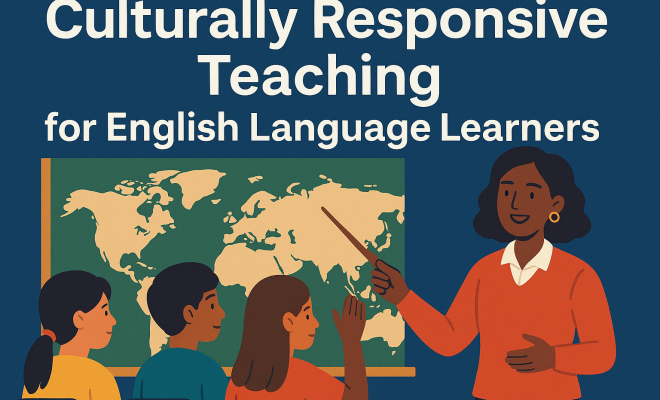
Culturally Responsive Teaching for English Language Learners
“`html
Culturally responsive teaching (CRT) has emerged as an essential pedagogical framework, particularly for educators working with English Language Learners (ELLs). As classrooms become increasingly diverse, the need for teaching strategies that acknowledge and embrace student backgrounds is critical. Culturally responsive teaching not only enhances learning experiences for ELLs but also fosters an inclusive environment that values multicultural perspectives.
Understanding Culturally Responsive Teaching
At its core, culturally responsive teaching is rooted in the idea that students learn best when their cultural identities are recognized and respected. According to Gloria Ladson-Billings, who significantly contributed to the development of CRT, the approach emphasizes three main components: students’ cultural knowledge, prior experiences, and performance styles. It encourages educators to adapt their practices to meet the diverse cultural needs of their students.
For English Language Learners, this means integrating their linguistic backgrounds and cultural perspectives into the curriculum. Rather than viewing ELLs through a deficit lens, CRT acknowledges their rich cultural heritage and utilizes it as a valuable resource for learning. This approach not only improves academic outcomes but also boosts students’ confidence and self-esteem.
The Importance of Context in Culturally Responsive Teaching
Context plays a crucial role in culturally responsive teaching. Educators must be aware of the cultural backgrounds of their students, including their languages, traditions, and community values. Understanding where students come from informs the teaching process and allows for more meaningful connections in the classroom.
For instance, a student who is familiar with storytelling traditions in their culture may connect better with narrative-based lessons. By incorporating familiar cultural elements, educators can create a more engaging learning environment. Furthermore, understanding cultural nuances helps teachers avoid assumptions that may alienate students.
Key Principles of Culturally Responsive Teaching
Implementing culturally responsive teaching involves several key principles that educators can follow. These principles can guide teachers in creating inclusive classrooms that cater to the needs of ELLs:
- High Expectations: Teachers should maintain high expectations for all students, believing in their ability to succeed regardless of language proficiency.
- Building Relationships: Establishing strong relationships with students is vital. Understanding their backgrounds and interests helps create a supportive learning environment.
- Culturally Relevant Curriculum: Integrating diverse perspectives and cultural references into the curriculum can enhance student engagement and understanding.
- Collaboration with Families: Engaging families in the learning process fosters a sense of community and demonstrates the value of students’ cultural backgrounds.
- Responsive Pedagogy: Adapting teaching methods to reflect the diverse learning styles and strengths of students is critical for effective instruction.
Strategies for Implementing Culturally Responsive Teaching
To effectively implement culturally responsive teaching for ELLs, educators can adopt various strategies:
1. Integrate Cultural Content
One of the most effective ways to make learning culturally relevant is to incorporate materials that reflect the students’ cultures. This could mean using texts written by authors from diverse backgrounds or including themes that resonate with students’ experiences. Such integration not only fosters a sense of belonging among ELLs but also enriches the learning experience for all students.
2. Use Cooperative Learning
Cooperative learning allows students to work together in diverse groups, where ELLs can interact with peers who may speak the same language or who can help bridge language gaps. This collaborative approach promotes language development and encourages students to share their cultural experiences, making learning a communal endeavor.
3. Encourage Culturally Relevant Discussions
Facilitating discussions that relate to students’ cultural backgrounds can help ELLs articulate their thoughts and opinions in a safe environment. Teachers can pose questions that invite students to share personal experiences related to the lesson, thus validating their voices and perspectives. (See: Teaching English Language Learners.)
4. Provide Language Support
Implementing scaffolding strategies, such as visual aids and language support, helps ELLs navigate their learning effectively. Teachers can use graphic organizers, bilingual resources, and technology to assist students in understanding complex concepts without compromising the integrity of their cultural identities.
Assessing Culturally Responsive Teaching
Assessment in a culturally responsive classroom should be multifaceted, taking into account not only academic skills but also cultural understanding. Traditional assessments may not fully capture the learning of ELLs. Therefore, teachers should consider alternative assessment methods, such as portfolios or performance-based assessments, which allow students to demonstrate their knowledge in ways that align with their cultural strengths.
Additionally, self-assessment can empower ELLs to reflect on their learning journey. Educators can provide rubrics that include culturally relevant criteria, allowing students to assess their progress based on their unique experiences.
The Role of Professional Development
Professional development is essential for teachers striving to implement culturally responsive teaching strategies effectively. Educators must engage in ongoing learning about the cultures represented in their classrooms and refine their teaching practices accordingly. Workshops, conferences, and collaborative planning sessions can provide valuable insights into how to create an inclusive learning environment.
Furthermore, schools should encourage teachers to share their experiences and strategies with one another. Creating a professional learning community focused on CRT allows educators to learn from their peers, discuss challenges, and celebrate successes.
Current Relevance and Future Directions
The importance of culturally responsive teaching has gained momentum in recent years, particularly as schools across the globe become more diverse. In the United States alone, the population of ELLs is projected to grow significantly, making it imperative for educators to adopt effective teaching strategies that address this demographic shift.
Moreover, movements advocating for equity and social justice in education highlight the need for CRT. By promoting culturally responsive teaching, educators can ensure that all students, regardless of their linguistic or cultural backgrounds, have access to quality education.
Challenges of Implementing Culturally Responsive Teaching
While the benefits of culturally responsive teaching are clear, the road to implementation can be challenging. Many educators may feel underprepared or lack the necessary resources to effectively embrace this teaching model. Here are some challenges teachers might face:
- Limited Training: Many teacher preparation programs do not provide comprehensive training in culturally responsive pedagogy, leaving educators to navigate these strategies on their own.
- Resistance to Change: Some educators may be skeptical about adopting new teaching methods, especially if they’ve been successful with traditional approaches for years.
- Resource Constraints: Schools may lack the materials or funding necessary to implement curricula that reflect diverse cultural perspectives.
- Time Constraints: Teachers often juggle numerous responsibilities, making it difficult to dedicate time to developing and implementing culturally relevant lessons.
Addressing these challenges requires systemic changes within educational institutions, including ongoing professional development and access to resources that support CRT initiatives.
Real-World Examples of Culturally Responsive Teaching
To illustrate the effectiveness of culturally responsive teaching, let’s look at a few real-world examples from various educational settings:
Case Study 1: A Bilingual Classroom in California
In a bilingual classroom in California, an educator incorporated students’ cultural practices into the curriculum by inviting parents to share traditional stories from their homelands. This not only enriched the students’ learning experiences but also fostered a sense of pride in their cultural heritage. Students were engaged as they connected their own experiences with the narratives being shared, which enhanced their understanding of literary elements like plot and character development.
Case Study 2: Culturally Relevant Math Instruction in New York
A mathematics teacher in New York City created lessons that incorporated culturally relevant contexts, such as using data related to the students’ communities. For instance, students analyzed local business data to learn about statistics and graphing. By grounding mathematical concepts in familiar, real-world scenarios, the teacher made the subject more accessible and relevant, thus improving students’ engagement and comprehension.
Case Study 3: Integrating Arts and Culture in a Texas School
At a Texas middle school, an art teacher integrated cultural elements from the students’ diverse backgrounds into the art curriculum. Lessons included studying the significance of colors and symbols in various cultures. This approach not only fostered creativity but also promoted discussions about cultural identity and expression, allowing students to explore and celebrate their own heritage through art.
Frequently Asked Questions about Culturally Responsive Teaching
What is the main goal of culturally responsive teaching?
The primary goal of culturally responsive teaching is to create an equitable learning environment that recognizes and respects students’ diverse cultural backgrounds, ensuring that all students can achieve academic success while maintaining their cultural identity.
How can teachers learn more about their students’ cultures?
Teachers can learn about their students’ cultures through various means, including building relationships with students and their families, attending cultural events, participating in community activities, and incorporating culturally diverse literature and resources into their lessons.
What role do families play in culturally responsive teaching?
Families play a crucial role in culturally responsive teaching by sharing their cultural knowledge, experiences, and values with educators. Engaging families in the learning process fosters a partnership that supports students’ education and enriches the classroom environment.
Can culturally responsive teaching be applied in all subjects?
Absolutely! Culturally responsive teaching principles can be applied across all subjects, from math and science to language arts and social studies. By integrating cultural perspectives into the curriculum, educators can enhance student learning and engagement in any subject area.
How can technology support culturally responsive teaching?
Technology can support culturally responsive teaching by providing access to a wide range of resources that reflect diverse cultures. Online platforms, apps, and educational tools can facilitate communication with families, promote collaboration among students, and offer multilingual support.
Practical Tips for Teachers to Enhance Culturally Responsive Teaching
Educators looking to enhance culturally responsive teaching can employ several practical strategies to ensure that their classrooms are inclusive and engaging for all students:
1. Conduct a Cultural Inventory
Start by conducting a cultural inventory of your students to understand their backgrounds better. This can include collecting information about their languages, traditions, and interests. Surveys or informal conversations can provide valuable insights into students’ cultural identities, helping you tailor your lessons accordingly.
2. Diversify Learning Materials
Ensure that learning materials reflect a variety of cultures and perspectives. This can include selecting books and resources from authors of different backgrounds and including examples from various cultures in lesson plans. By diversifying the learning materials, you create a more inclusive environment where all students can see themselves represented.
3. Foster an Inclusive Classroom Climate
Establish ground rules that promote respect and inclusivity in classroom discussions. Encourage students to share their cultural experiences and viewpoints, and remind them to listen to and respect diverse opinions. An inclusive classroom climate not only supports CRT but also enhances students’ social-emotional learning.
4. Reflect on Your Own Biases
As educators, it’s essential to reflect on your own cultural biases and assumptions. Engaging in self-reflection can help you understand how your own background influences your teaching. This awareness is crucial in creating a truly culturally responsive classroom.
The Impact of Culturally Responsive Teaching on Student Outcomes
Research has shown that culturally responsive teaching can significantly impact students’ academic performance and engagement. Studies indicate that when students feel their culture is valued in the classroom, they exhibit higher levels of motivation, increased participation, and improved academic outcomes. For instance:
- Increased Academic Achievement: Students taught with CRT strategies often demonstrate higher levels of academic achievement compared to those in traditional classrooms. This is particularly true for ELLs, who benefit from an environment that affirms their cultural identity.
- Enhanced Social-Emotional Well-being: Culturally responsive teaching fosters a sense of belonging among students. When students see their culture reflected in the curriculum, it enhances their self-esteem and emotional well-being, which can lead to lower rates of behavioral issues.
- Improved Teacher-Student Relationships: CRT promotes the establishment of stronger relationships between teachers and students. When educators take the time to understand their students’ cultural backgrounds, it builds trust and respect, which is vital for effective teaching and learning.
The Future of Culturally Responsive Teaching
Looking forward, the future of culturally responsive teaching will likely evolve as the demographics of students continue to change. Here are some anticipated trends and directions:
- Increased Emphasis on Equity: As conversations around educational equity gain traction, CRT will become an even more critical framework in addressing systemic inequalities in education.
- Integration of Technology: The use of technology in culturally responsive teaching will expand, with digital tools offering innovative ways to engage students and connect their cultures to learning experiences.
- Greater Involvement of Families: Schools will likely increase their efforts to involve families in the educational process. This collaboration will further enrich the learning environment and ensure that students’ cultural identities are acknowledged and celebrated.
As we embrace these changes, it’s crucial for educators to remain committed to adapting their teaching practices to better serve all students, ensuring that culturally responsive teaching is not just a trend, but a foundational element of effective pedagogy.
Conclusion: A Commitment to Culturally Responsive Teaching
As educators, the commitment to culturally responsive teaching is vital in creating equitable learning environments for English Language Learners. By embracing students’ cultural identities, integrating diverse perspectives, and fostering an inclusive atmosphere, teachers not only enhance academic success but also contribute to the holistic development of their students.
While implementing culturally responsive teaching may require effort and continuous reflection, the rewards are invaluable. Educators have the opportunity to empower students, build community, and ultimately transform classrooms into spaces where every voice is heard, respected, and celebrated.
“`
Trending Now
Frequently Asked Questions
What is culturally responsive teaching?
Culturally responsive teaching (CRT) is an educational framework that acknowledges and embraces the diverse cultural backgrounds of students. It emphasizes recognizing students' cultural identities, prior experiences, and performance styles to enhance their learning experiences, particularly for English Language Learners (ELLs).
Why is culturally responsive teaching important for English Language Learners?
CRT is crucial for English Language Learners because it integrates their linguistic and cultural backgrounds into the curriculum. This approach not only improves academic outcomes but also fosters an inclusive environment, boosting students' confidence and self-esteem by valuing their rich cultural heritage.
How can teachers implement culturally responsive teaching?
Teachers can implement CRT by understanding their students' cultural backgrounds, incorporating familiar cultural elements into lessons, and adapting their teaching practices to meet diverse needs. This might include using storytelling traditions or culturally relevant materials to create meaningful connections in the classroom.
What are the main components of culturally responsive teaching?
The main components of culturally responsive teaching include recognizing students' cultural knowledge, valuing their prior experiences, and understanding their performance styles. These elements help educators tailor their instruction to better engage and support diverse learners, especially English Language Learners.
How does context influence culturally responsive teaching?
Context is vital in culturally responsive teaching as it involves understanding students' cultural backgrounds, languages, traditions, and community values. By being aware of these factors, educators can create more meaningful connections and enhance the learning experience for their students.
Have you experienced this yourself? We’d love to hear your story in the comments.