Fine Motor Skills Activities for Students with Dyspraxia
“`html
When it comes to education, we often overlook the nuances that different learning abilities present. Students with dyspraxia face unique challenges, particularly when it comes to fine motor skills. This often manifests in difficulties with precise movements and coordination, affecting everything from handwriting to using utensils. Understanding and facilitating fine motor skills activities dyspraxia is crucial for fostering growth, confidence, and independence in these students. Let’s explore effective activities designed to enhance fine motor skills for those with dyspraxia, while also delving into the underlying principles that make these activities beneficial.
Understanding Dyspraxia
Dyspraxia, also known as Developmental Coordination Disorder (DCD), is a neurological condition affecting the brain’s ability to plan and process motor tasks. Though it may not be visible externally, its impact can be significant. Children with dyspraxia may struggle with everyday tasks that require coordination, balance, and precise movements. According to the Dyspraxia Foundation, it affects around 5-6% of children, which highlights the importance of addressing the needs of these students in educational settings.
The condition varies widely among individuals; some may struggle with gross motor tasks, while others might find fine motor skills particularly challenging. These include tasks like writing, buttoning clothes, and using scissors. As educators and caregivers, recognizing these difficulties is essential to providing the right support and activities to help students thrive.
Why Fine Motor Skills Matter
Fine motor skills are crucial for children’s development, particularly in academic settings. They impact a child’s ability to write, draw, and manage self-care tasks. Research indicates that the ability to manipulate small objects, control hand movements, and coordinate finger motions contributes significantly to a child’s overall learning and development. For students with dyspraxia, enhancing these skills can lead to improved confidence, academic performance, and social interactions.
Furthermore, mastering fine motor skills can set students on a path toward greater independence. Activities that promote these skills not only aid in physical development but also encourage cognitive growth as children learn to focus, follow instructions, and solve problems. Teachers and parents should collaborate in creating a rich, supportive environment that encourages these crucial skills.
Key Activities for Developing Fine Motor Skills
Now that we understand the importance of fine motor skills, let’s look at practical activities specifically designed for students with dyspraxia. These activities are engaging, adaptable, and can be tailored to suit different age groups and abilities.
1. Playdough Manipulation
Playdough is a versatile tool that offers a multitude of benefits for fine motor development. Activities such as rolling, pinching, and squishing dough can enhance hand strength and dexterity. You can introduce various tools like rolling pins, cookie cutters, and plastic scissors to elevate the activity and encourage creativity.
To make it even more engaging, challenge students to create specific shapes or characters. This not only boosts their fine motor skills but also fosters imaginative play and critical thinking.
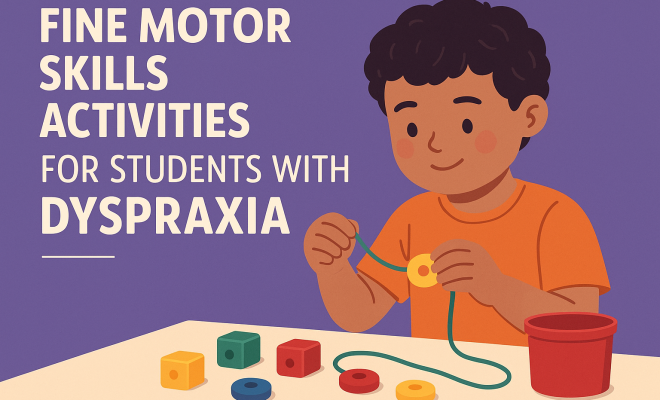
2. Beading and Threading
Beading activities are fantastic for developing precision and hand-eye coordination. Using large beads and thick string can make the task easier for younger children or those with more severe dyspraxia. As students gain confidence, you can gradually introduce smaller beads and thinner threads.
Encouraging students to create patterns or specific designs can add an element of fun and creativity to the task. Plus, they get to take home their beautiful creations, which can boost their self-esteem.
3. Scissor Skills
Using scissors is often a frustrating task for students with dyspraxia. To make this activity easier, start with safety scissors and thicker paper. Begin with straight lines, then progress to curves and intricate designs as skills improve. A fun twist could be having students create collages using magazine cutouts or colorful paper.
Frequent practice will not only improve their cutting skills but also boost their confidence in handling tools, laying a solid foundation for other tasks that require similar skills.
4. Painting and Drawing
Art activities like painting and drawing offer therapeutic benefits while enhancing fine motor skills. Using brushes of various sizes, and even fingers, can help students practice control and grip. Encourage them to paint or draw their favorite animals, places, or even abstract art. (See: CDC on child development and learning.)
Incorporating different materials, like sponges or cotton swabs, can add texture and variety to the experience, making it even more enjoyable. Creating a relaxed, judgment-free zone during these activities allows students to express themselves creatively, which can further reduce anxiety associated with their motor difficulties.
Using Technology for Fine Motor Skills Development
In today’s digital age, technology can play a significant role in developing fine motor skills for students with dyspraxia. There are numerous apps and computer programs designed to enhance coordination and dexterity through interactive games and activities.
These applications often include simple drag-and-drop tasks, virtual painting, and puzzle-solving activities that require precision. They can be particularly beneficial as they offer immediate feedback and cater to various learning styles. However, it’s essential to balance screen time with hands-on activities to ensure a well-rounded approach to fine motor skills development.
Incorporating Daily Living Skills
Integrating daily living skills into fine motor activities is another effective way to support students with dyspraxia. Tasks like buttoning shirts, zipping jackets, or even washing hands can be framed as fun challenges rather than mere chores.
Using larger buttons or zippers can help beginners, while students who are more adept can transition to smaller fasteners. You might even introduce themed challenges, such as getting dressed for a specific weather condition, which can make these skills more relatable and engaging.
Building a Supportive Environment
Creating an inclusive environment is crucial for students with dyspraxia. Classrooms should be arranged to minimize distractions, allowing students to focus on their activities without overwhelming stimuli. Consider incorporating flexible seating options to accommodate different needs, such as standing desks or fidget-friendly seating.
In addition, promoting a culture of teamwork and peer support can significantly boost students’ confidence. Pairing students for activities can foster social skills and provide a sense of camaraderie. When children see their peers engaging in activities successfully, it can inspire them to try harder and take risks.
Collaborating with Occupational Therapists
Working alongside occupational therapists can provide tailored strategies and insights for supporting students with dyspraxia. These professionals specialize in fine motor development and can offer specific exercises, techniques, and resources that align with best practices in therapy.
Regular consultations can help educators understand the unique challenges each student faces and guide them in implementing effective activities. Additionally, therapists can train educators and parents on how to reinforce fine motor skills development at home, ensuring a consistent approach across different environments.
The Role of Parents and Caregivers
Parents and caregivers play a pivotal role in reinforcing fine motor skills development outside of the classroom. Simple activities like cooking, gardening, or crafting can be turned into learning opportunities. Involve children in meal preparation, allowing them to practice using utensils and measuring ingredients.
Creating a home environment that encourages exploration and creativity is essential. Consider setting up a designated space for arts and crafts or providing age-appropriate building toys. Importantly, celebrate small victories and progress, which can motivate students and build their self-esteem.
Measuring Progress and Adjusting Activities
Monitoring progress is crucial to understanding the effectiveness of the fine motor skills activities being implemented. Keep a journal or use checklists to track improvements in specific skills. This can help you identify which activities are particularly beneficial and which may need adjustment.
It’s essential to remain flexible and adapt activities based on the child’s evolving skills and interests. As students become more proficient, progressively challenging tasks can keep them engaged and motivated. Regularly seeking feedback from the students themselves can also provide insight into what they enjoy and find helpful.
Strategies to Enhance Fine Motor Skills
To further enhance fine motor skills in students with dyspraxia, it’s beneficial to incorporate specific strategies that align with their needs. Here are a few effective methods: (See: NIH resources on learning disorders.)
1. Multi-Sensory Approaches
Utilizing multi-sensory activities can deepen the learning experience. For instance, incorporating textures and different materials can help students learn through touch as well as sight. You might have students work with sandpaper, felt, or textured stickers to help them focus on the sensations involved in the movements they are practicing. This can enhance their awareness of finger movements and grip.
2. Breaking Down Tasks
Breaking down tasks into smaller, manageable steps can help alleviate frustration. For instance, instead of expecting a child to tie their shoes in one go, guide them through each step: first, to make the loops, then to tie them together. This method not only builds skills but also gives a sense of achievement as they master each component of the task.
3. Use of Adaptive Tools
Adaptive tools can make tasks more accessible for students with dyspraxia. For example, specially designed scissors that are easier to grip can significantly reduce the difficulty of cutting. Similarly, pencils with thicker grips can help students maintain control. Even using weighted utensils or tools can be beneficial in providing stability and comfort during activities.
Common Challenges Faced by Students with Dyspraxia
Understanding the common challenges faced by students with dyspraxia can help educators and caregivers better support their needs. Some of these challenges include:
1. Frustration with Fine Motor Tasks
Many students with dyspraxia experience frustration, especially when they struggle with tasks that their peers find simple. This frustration can lead to withdrawal or resistance to participating in fine motor activities.
2. Difficulty Following Sequential Instructions
Students with dyspraxia may find it challenging to follow multi-step instructions. It’s essential to simplify tasks and provide visual aids or demonstrations to help them understand the sequence of actions they need to take.
3. Low Self-Esteem
Repeated struggles with fine motor skills can impact a child’s self-esteem. It’s crucial to consistently encourage and celebrate small successes to build their confidence and motivation.
Expert Perspectives on Supporting Students with Dyspraxia
Insights from experts in child development and occupational therapy can provide valuable strategies for supporting students with dyspraxia. Here are some key points to consider:
1. Individualized Approaches
Every child with dyspraxia is different. Experts emphasize the importance of individualizing approaches to meet each student’s needs. Tailoring activities based on the child’s interests and strengths can enhance their engagement and success rates.
2. The Importance of Routine
Establishing a consistent routine helps students with dyspraxia feel secure and better understand expectations. Routine also aids memory and skill retention, making it easier for them to practice and improve fine motor skills systematically.
Frequently Asked Questions (FAQ)
1. What are fine motor skills?
Fine motor skills are the ability to use small muscles in the hands and fingers to perform precise movements. These skills are essential for tasks like writing, buttoning clothes, and using utensils.
2. How does dyspraxia affect fine motor skills?
Dyspraxia can lead to difficulties in planning and executing motor tasks, making it challenging for individuals to coordinate movements effectively. This can affect their ability to perform everyday tasks that require fine motor skills.
3. Can fine motor skills be improved?
Yes, with consistent practice and the right activities, fine motor skills can be improved. Engaging in targeted activities that focus on coordination and dexterity can lead to significant advancements over time.
4. What types of activities are best for children with dyspraxia?
Activities that are hands-on, engaging, and tailored to the child’s interests work best. Examples include crafts, playdough manipulation, and games that involve threading and beading.
5. How can parents help at home?
Parents can reinforce skills practiced at school by incorporating fun activities into daily routines. Meal preparation, gardening, or arts and crafts can all provide opportunities for fine motor practice in a relaxed setting.
6. Are there specific tools recommended for students with dyspraxia?
Yes, tools like adaptive scissors, larger or weighted pencils, and grips for utensils can significantly help students with dyspraxia. These tools can provide better control, reduce frustration, and make tasks more manageable.
7. What role does physical activity play in developing fine motor skills?
Physical activity is vital as it promotes overall coordination and strength. Activities like climbing, balancing, or even simple games can contribute to developing the gross motor skills that support fine motor tasks.
8. How can teachers engage students with dyspraxia in group activities?
In group settings, it’s important to assign roles that play to each child’s strengths. Allowing students with dyspraxia to take on supportive roles or involve them in buddy systems can encourage participation without overwhelming them.
In summary, enhancing fine motor skills for students with dyspraxia is not just about improving their coordination and dexterity; it’s about fostering their confidence, independence, and overall development. By incorporating engaging activities, utilizing technology, and creating supportive environments, educators and caregivers can make a significant difference in the lives of these students. Through patience, creativity, and collaboration, we can help students with dyspraxia achieve their potential and navigate the world with greater ease.
Conclusion
The journey to improving fine motor skills for children with dyspraxia can be a rewarding one, filled with opportunities for growth and success. By recognizing the unique needs of each child and implementing tailored activities, we pave the way for enhanced learning experiences. With ongoing support, encouragement, and innovative strategies, students can develop their fine motor skills, ultimately leading to greater confidence in their abilities. The impact of these improvements is far-reaching, influencing not just academic performance but also social interactions and personal independence.
Additional Resources
For educators and parents looking to further explore fine motor skills activities for children with dyspraxia, the following resources can be extremely helpful:
- Dyspraxia Foundation – Offers resources, information, and support for individuals with dyspraxia.
- Understood.org – Provides resources for parents and educators on various learning differences, including dyspraxia.
- Therapy Source – Offers a variety of occupational therapy resources and activities for skill development.
- PBS Learning Media – Features educational resources, including fine motor skills activities suitable for different age groups.
“`
Trending Now
Frequently Asked Questions
What are fine motor skills activities for dyspraxia?
Fine motor skills activities for students with dyspraxia include tasks that promote hand-eye coordination and dexterity. Examples are using playdough, threading beads, cutting with scissors, and engaging in puzzles. These activities help improve precision in movements, which is essential for everyday tasks like writing and self-care.
How does dyspraxia affect fine motor skills?
Dyspraxia affects fine motor skills by impairing the brain's ability to plan and execute precise movements. Children with dyspraxia may struggle with tasks such as writing, buttoning clothes, or using utensils, making it essential to provide targeted support and activities to enhance their skills and confidence.
What are some effective strategies to support students with dyspraxia?
Effective strategies to support students with dyspraxia include providing hands-on activities that improve fine motor skills, using adaptive tools, breaking tasks into smaller steps, and offering positive reinforcement. Tailoring activities to their individual needs can foster growth and independence.
Why are fine motor skills important for children?
Fine motor skills are crucial for children's development as they enable tasks like writing, drawing, and self-care. These skills contribute to a child's overall learning and confidence, making it essential to nurture them, especially in students facing challenges like dyspraxia.
What is dyspraxia and how common is it?
Dyspraxia, or Developmental Coordination Disorder (DCD), is a neurological condition that affects motor planning and coordination. It impacts approximately 5-6% of children, leading to difficulties with both fine and gross motor skills, which can significantly affect their daily activities and learning experiences.
What did we miss? Let us know in the comments and join the conversation.