Boost ELL Success: Scaffolding Strategies for Elementary School
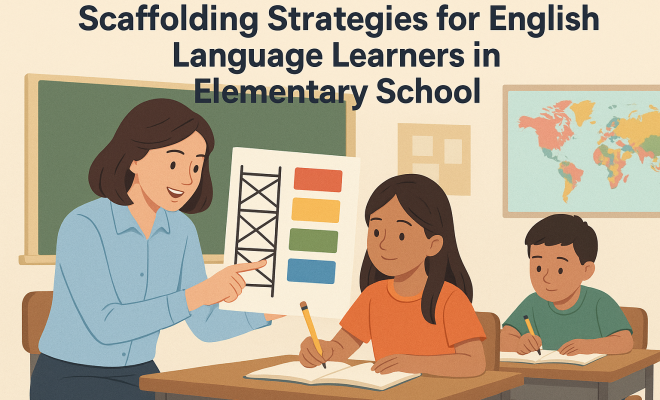
“`html
In today’s increasingly diverse classrooms, scaffolding strategies for English language learners (ELLs) have become essential tools for educators. These strategies not only support language acquisition but also help ELLs engage meaningfully with the curriculum. While English language learners can face unique challenges, effective scaffolding can provide the structure they need to thrive academically. Let’s explore the various scaffolding strategies and how they can be implemented in elementary school settings.
Understanding Scaffolding
Before diving into specific strategies, it’s crucial to define what scaffolding means in the context of education. Scaffolding refers to the instructional methods that support learners as they develop new skills and knowledge. Much like physical scaffolding used during construction, educational scaffolding provides temporary support structures that allow students to achieve tasks they might not be able to complete independently.
In the realm of English language learning, scaffolding can include various techniques that help students understand the language and content. It is grounded in Vygotsky’s theory of the Zone of Proximal Development (ZPD), which emphasizes the importance of providing appropriate assistance to learners as they progress toward greater independence.
The Importance of Scaffolding for ELLs
For English language learners, scaffolding is not just beneficial; it is essential. These students often come from diverse linguistic backgrounds and may have varying degrees of proficiency in English. They face challenges that can hinder their ability to engage with academic content effectively. Here are a few reasons why scaffolding strategies are vital:
- Diverse Needs: ELLs have different levels of language proficiency, which means their needs can vary significantly. Scaffolding allows teachers to tailor their instruction.
- Building Confidence: Providing the right support can help ELLs gain confidence in their language abilities, encouraging them to participate in class discussions.
- Access to Curriculum: Scaffolding strategies help ELLs access the same curriculum as their peers, promoting equity in education.
- Academic Success: Effective scaffolding can lead to improved academic outcomes, as students develop both language skills and content knowledge.
1. Use Visual Supports
Visual aids are powerful tools for helping English language learners understand complex concepts. Pictures, charts, graphs, and videos can reinforce verbal instructions and provide context for new vocabulary. For example, using a picture dictionary can help students associate words with images, making it easier for them to remember and use the vocabulary in context.
Additionally, graphic organizers can visually represent relationships between ideas, making content more accessible. For instance, using a Venn diagram to compare and contrast two stories can help ELLs comprehend key similarities and differences while simultaneously enriching their language skills.
2. Implement Interactive Techniques
English language learners often benefit from interactive learning opportunities that encourage collaboration and discussion. Incorporating group activities, such as role plays, paired reading, or cooperative learning tasks, allows students to practice their language skills in a safe and supportive environment. These interactions can help them process language more effectively.
For instance, during a science lesson on plant growth, students can work in groups to create a presentation. Each group member can contribute their language skills, whether in English or their native language, and help translate key concepts. This not only reinforces content learning but also promotes the use of language in practical contexts.
3. Integrate Culturally Relevant Materials
Utilizing culturally relevant texts and materials can make a significant difference in the learning experience for English language learners. When students see their cultures and experiences reflected in classroom materials, they are more likely to feel valued and engaged. This relevancy can also facilitate language acquisition by providing relatable contexts.
Teachers can incorporate bilingual books, stories from diverse cultures, or even invite guest speakers who share relevant backgrounds. This strategy not only enriches the curriculum but also fosters a sense of belonging among ELLs.
4. Model Language and Content
Modeling is a critical strategy for teaching ELLs. Teachers can demonstrate the language structures and content knowledge necessary for students to engage with the material fully. For instance, during a writing lesson, educators might model how to structure a paragraph by thinking aloud and showing the writing process step-by-step. (See: scaffolding strategies for educators.)
By providing examples of academic language, teachers help ELLs understand how to use language effectively in different contexts. This can include demonstrating specific vocabulary, sentence structures, or discourse markers that enhance their writing and speaking skills.
5. Provide Structured Practice Opportunities
Repetition and structured practice are essential components of language acquisition. English language learners need ample opportunities to practice new skills in a supportive environment. Teachers can create structured practice routines that incorporate speaking, listening, reading, and writing activities.
For example, using sentence frames can provide ELLs with the structure they need to respond to questions during class discussions. Instead of leaving them to formulate their responses independently, teachers can provide prompts like “I think that…” or “In my opinion…” to guide their language use.
6. Foster a Positive Classroom Environment
A welcoming and inclusive classroom environment is crucial for English language learners. Students need to feel comfortable making mistakes and taking risks in their language development. Teachers can foster this environment by celebrating diversity, encouraging peer support, and emphasizing the value of each student’s contributions.
Creating a classroom culture that values multilingualism can also enhance ELLs’ confidence. Allowing students to use their native languages alongside English can help them feel more secure in their identities and more engaged in their learning process.
7. Utilize Technology
In our digital age, technology offers a plethora of resources that can enhance scaffolding strategies for English language learners. Interactive apps, educational games, and online resources can support language development and content learning in engaging ways. For instance, language learning apps like Duolingo or Rosetta Stone can provide personalized language practice outside of the classroom.
Moreover, teachers can use technology to create multimedia presentations that incorporate audio, visuals, and text. This multimedia approach can cater to various learning styles and help ELLs grasp complex ideas more effectively.
Current Relevance and Future Directions
As the demographics of classrooms continue to shift, the importance of implementing effective scaffolding strategies for English language learners can’t be overstated. With more students entering schools from diverse linguistic backgrounds, teachers must be equipped with the knowledge and tools to support their unique needs.
Professional development opportunities focusing on culturally responsive teaching, language acquisition theories, and effective instructional strategies can empower educators to meet these challenges head-on. Moreover, collaboration among teachers, specialists, and families can create a network of support for English language learners, enhancing their educational experiences.
Scaffolding Strategies in Action
It’s one thing to discuss scaffolding strategies, but seeing them in action can be incredibly enlightening. Here, we’ll explore some practical examples of how these strategies can be implemented in real classrooms.
Imagine a third-grade classroom where students are learning about ecosystems. The teacher begins with a visual presentation, showing images of different ecosystems like deserts, forests, and oceans. This serves as a visual scaffold for students who may struggle with the vocabulary related to these environments.
Next, in groups, students participate in a jigsaw activity where each group researches one type of ecosystem and prepares a short presentation. They use sentence frames to help structure their findings, allowing them to focus on content rather than language fluency alone. Throughout this process, the teacher circulates, providing support and modeling language as needed.
Finally, the presentations are enriched with technology, as students use apps to create visual slideshows that incorporate both images and text, allowing those who may still be developing their language skills to express their understanding visually as well. (See: teaching strategies for learning.)
Challenges and Solutions in Scaffolding
Even with the best intentions, implementing scaffolding strategies can come with its own set of challenges. Teachers may encounter issues like limited resources, time constraints, or lack of training in culturally responsive practices. Here are some common challenges and potential solutions:
- Challenge: Limited access to resources such as bilingual materials or technology.
- Solution: Seek community partnerships or grants that provide resources, or utilize free online tools and apps that can aid in language learning.
- Challenge: Time constraints in covering curriculum.
- Solution: Integrate scaffolding strategies into existing lessons rather than viewing them as separate entities. This can involve blending visual aids, group work, and technology into everyday plans.
- Challenge: Teachers feeling unprepared to support ELLs effectively.
- Solution: Engage in professional development and collaborate with ESL specialists to enhance understanding and improve instructional practices.
Expert Perspectives on Scaffolding
To further understand the impact of scaffolding strategies for English language learners, let’s look at some expert opinions. Dr. Patricia Kuhl, a renowned linguist, emphasizes the importance of interaction in language learning. She states, “Children learn language best when they are engaged in meaningful interactions.” This aligns perfectly with interactive scaffolding strategies that promote conversation and collaboration.
Additionally, Dr. Jim Cummins, a well-known education researcher, advocates for the use of cognitive academic language proficiency (CALP) over basic interpersonal communicative skills (BICS). He suggests that the more students are involved in cognitive tasks that require critical thinking, the more proficient their language skills will become. This perspective supports the implementation of structured and challenging tasks for ELLs as a form of scaffolding.
Comparative Analysis: Scaffolding vs. Differentiation
While both scaffolding and differentiation aim to meet diverse student needs, they are not one and the same. Scaffolding specifically refers to the support mechanisms that help learners grasp new concepts, while differentiation involves tailoring content, process, and product based on students’ readiness levels, interests, and learning profiles.
For instance, in a differentiated classroom, a teacher may provide different reading materials based on students’ proficiency levels. In contrast, scaffolding would involve the same reading material for all students, but with varying levels of support for each student, such as guided questions, graphic organizers, or vocabulary aids.
Understanding the difference between these two approaches allows educators to implement a more comprehensive strategy that combines both scaffolding and differentiation, ultimately enhancing learning outcomes for ELLs.
FAQ about Scaffolding Strategies for English Language Learners
What are scaffolding strategies?
Scaffolding strategies are instructional techniques that provide temporary support to learners as they develop new skills or knowledge. These strategies help students engage with content, particularly for English language learners who may require additional assistance in language acquisition and comprehension.
How can teachers assess the effectiveness of scaffolding strategies?
Teachers can assess the effectiveness of scaffolding strategies through formative assessments such as observations, student reflections, and informal quizzes. Additionally, they can look at student engagement during lessons and the ability of students to complete tasks independently over time.
Are there specific scaffolding strategies that work best for ELLs?
While many scaffolding strategies can be effective, those that incorporate visual supports, interactive techniques, and culturally relevant materials tend to work particularly well for English language learners. Tailoring strategies to the specific needs and backgrounds of students is key.
How can parents support scaffolding at home?
Parents can support scaffolding at home by engaging in conversations with their children in both their native language and English, helping with homework by providing context or explanations, and encouraging reading together, using books that interest their child. (See: research on scaffolding in education.)
What role does technology play in scaffolding for ELLs?
Technology plays a significant role in scaffolding strategies for ELLs by providing access to interactive tools, language learning apps, and multimedia resources. These can enhance engagement and offer personalized practice opportunities that cater to individual learning needs.
Additional Scaffolding Strategies
While we’ve covered several scaffolding strategies, there are many more approaches that can enhance learning for English language learners:
1. Utilize Peer Tutoring
Peer tutoring can be an effective way to support ELLs. Pairing students with a buddy who is either more proficient in English or shares the same language can establish a safe space for learning. This not only helps ELLs improve their language skills but also promotes social interaction and builds a sense of community within the classroom.
2. Implement Think-Pair-Share
The Think-Pair-Share strategy encourages students to think about a question, discuss their thoughts with a partner, and then share their answers with the whole class. This method provides ELLs with the opportunity to formulate their ideas in a low-pressure setting before speaking in front of their peers.
3. Modify Assessment Formats
Traditional assessment methods may not effectively measure an ELL’s knowledge and skills. Modifying assessments to include options like oral presentations, projects, or alternative formats can provide a more accurate picture of what students understand. This allows ELLs to showcase their knowledge without being hindered by language proficiency.
4. Use of Mnemonic Devices
Mnemonic devices can help students remember new vocabulary and concepts. For example, using acronyms or rhymes can assist ELLs in retaining new information. This strategy promotes engagement and supports memory retention, making it easier for them to recall language when needed.
Statistics on ELLs and Scaffolding
Understanding the impact of scaffolding on English language learners can be illuminated through statistics. According to the National Center for Education Statistics, around 10% of public school students in the U.S. are classified as ELLs, and this number continues to rise. Studies have shown that implementing effective scaffolding strategies can lead to a 20% increase in reading comprehension skills among ELLs within a single school year. Furthermore, a survey conducted by the Educational Testing Service indicated that approximately 75% of teachers reported improved classroom engagement and participation among ELLs when scaffolding techniques were utilized.
Conclusion: The Path Forward
Incorporating scaffolding strategies for English language learners in elementary schools is not just an educational technique; it’s a commitment to equity and inclusivity in education. By using visual supports, interactive techniques, culturally relevant materials, modeling, structured practice, a positive classroom environment, peer tutoring, and technology, educators can provide ELLs with the support they need to thrive. In doing so, we pave the way for future generations of diverse learners to succeed academically and beyond.
“`
Trending Now
Frequently Asked Questions
What are scaffolding strategies for English language learners?
Scaffolding strategies for English language learners (ELLs) are instructional methods designed to support their language acquisition and academic engagement. These strategies provide temporary support structures that help ELLs understand content while they develop their language skills, ensuring they can participate meaningfully in diverse classroom activities.
Why is scaffolding important for ELLs in elementary school?
Scaffolding is crucial for ELLs as it addresses their diverse linguistic backgrounds and varying levels of English proficiency. It helps tailor instruction to meet individual needs, builds confidence, and enables students to engage more effectively with academic content, ultimately facilitating their learning and success in the classroom.
How can teachers implement scaffolding strategies for ELLs?
Teachers can implement scaffolding strategies by using techniques such as visual aids, modeling, collaborative learning, and providing structured guidance. These methods help ELLs understand both language and content, allowing them to gradually gain independence and confidence in their learning process.
What is the Zone of Proximal Development in scaffolding?
The Zone of Proximal Development (ZPD) is a concept from Vygotsky that describes the range of tasks that a learner can perform with assistance but cannot yet accomplish independently. Scaffolding strategies align with the ZPD by providing the appropriate level of support to help learners progress toward greater independence in their skills and knowledge.
What challenges do English language learners face in the classroom?
English language learners often face challenges such as language barriers, varying levels of proficiency, and unfamiliarity with academic content. These obstacles can hinder their engagement and comprehension, making effective scaffolding essential to support their learning and help them thrive in diverse classroom environments.
Have you experienced this yourself? We’d love to hear your story in the comments.