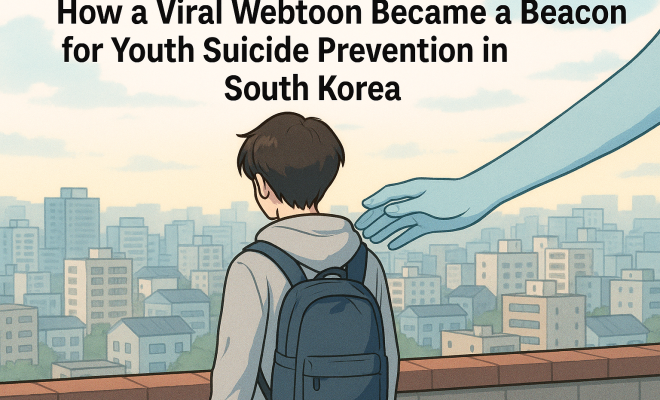
Viral Webtoon ‘Sunday Counseling Office’ Fights Youth Suicide in South Korea (20
“`html
The mental health landscape for young individuals has become a pressing concern in recent years, particularly in South Korea, where suicide rates among youth have reached alarming levels. In response to this crisis, a groundbreaking initiative has taken the digital world by storm: the webtoon ‘Sunday Counseling Office.’ Launched on Naver Webtoon on August 4, 2023, the series has already amassed an impressive 5.73 million views and attracted 1.28 million unique visitors by September 1, 2023. As the webtoon continues to soar in popularity, it has brought critical attention to the issue of youth suicide prevention, demonstrating the power of storytelling in addressing mental health issues.
The Context: A Growing Mental Health Crisis
In South Korea, the youth suicide rate has become a dire public health challenge. According to the latest statistics, suicide is the leading cause of death among individuals aged 10 to 24. The reasons behind this troubling trend are complex, encompassing social pressures, academic stress, and a lack of accessible mental health resources. Many young people find themselves grappling with intense emotional struggles, often feeling isolated and unable to seek help. This is where innovative solutions like ‘Sunday Counseling Office’ come into play.
In addition to the immediate pressures of academic performance, cultural expectations can weigh heavily on young people. The competitive nature of South Korean society often leads to overwhelming stress, with students feeling the need to excel in every aspect of their lives. This drive for perfection can culminate in severe mental health issues, pushing some to consider suicide as an escape. Moreover, the COVID-19 pandemic further exacerbated these issues by isolating youth from their peers and disrupting traditional support systems.
A Unique Approach to Mental Health
Unlike traditional counseling resources that can feel intimidating or inaccessible, ‘Sunday Counseling Office’ uses the webtoon format to engage a younger audience. By weaving relatable narratives into an easily digestible medium, the series breaks down barriers that often prevent young people from discussing their mental health. This counterintuitive approach not only attracts attention but also encourages open conversations about topics that are often stigmatized.
The webtoon’s storyline revolves around various characters who face real-life challenges related to mental health issues, including anxiety, depression, and societal pressures. The emotional depth and authenticity of the characters resonate with readers, creating a sense of connection that traditional resources may lack. This relatability is crucial; when young readers see characters who mirror their own struggles, it can ignite a spark of hope and resilience in their lives.
The Power of Storytelling
Storytelling has always been a powerful tool for human connection, and its role in mental health advocacy cannot be underestimated. ‘Sunday Counseling Office’ has harnessed this power to create a narrative that speaks directly to the experiences of young people today. As readers follow the journeys of the characters, they often see reflections of their struggles, fostering a sense of understanding and companionship.
This narrative strategy is crucial in a culture where discussing mental health can be seen as taboo. By framing these discussions within compelling stories, ‘Sunday Counseling Office’ removes stigma and makes it easier for young people to share their own experiences. The webtoon’s success can also be attributed to its use of humor and lightheartedness to balance the heavier themes, creating a safe space for readers to confront difficult emotions. For more on this, see lessons from South Korea.
Engagement and Community Response
The webtoon’s success is not just measured in views but also in the level of engagement it has generated. As of early September, ‘Sunday Counseling Office’ had over 30,000 comments from readers, showcasing an intensely engaged audience. This interaction highlights the community aspect of the webtoon, where readers feel free to share their thoughts, feelings, and even personal stories in the comments section. (See: WHO facts on youth suicide.)
This kind of engagement is critical for youth suicide prevention. When young people can openly discuss their experiences and find validation from others, it can lead to increased awareness and a willingness to seek help. The comments section has morphed into a virtual support group, where the act of sharing becomes a vital part of healing. Additionally, the creators of ‘Sunday Counseling Office’ have actively encouraged this dialogue, responding to comments and fostering a sense of community.
The Role of Social Media
Social media has played a pivotal role in amplifying the reach of ‘Sunday Counseling Office.’ The viral nature of the webtoon is closely tied to its sharability across platforms like Instagram, Twitter, and TikTok. Users are praising the series not just for its content but for its accessibility, which allows it to reach a broader audience than traditional mental health campaigns.
This social media buzz has contributed to making youth suicide prevention a trending topic. As conversations about mental health proliferate online, they are not only normalizing the discussion but also encouraging young individuals to seek support. Initiatives like hashtag campaigns, where readers share their own stories of mental health struggles or recovery, have gained traction, further promoting awareness and understanding. top institutions for mental health offers useful background here.
Impact on Mental Health Awareness
With the staggering views and engagement that ‘Sunday Counseling Office’ has garnered, it is evident that the webtoon is more than just a piece of entertainment. It is part of a larger cultural shift toward increased awareness of mental health issues among youth. As digital spaces become more inclusive of discussions surrounding mental well-being, initiatives like this webtoon can serve as vital touchpoints for young people.
Moreover, the success of ‘Sunday Counseling Office’ demonstrates the effectiveness of creative formats in addressing serious topics. It shows that mental health awareness can thrive outside of clinical settings and traditional advocacy methods. This is a valuable lesson for mental health advocates seeking new ways to engage young audiences. Statistics also reveal that creative outlets, such as webtoons, can lead to increased emotional intelligence and empathy among readers, making them more aware of the mental health challenges faced by their peers.
The Future of Youth Suicide Prevention Initiatives
The success of ‘Sunday Counseling Office’ raises important questions about the future of youth suicide prevention initiatives. As more creators explore innovative formats, there is potential for a wider array of mental health resources that resonate with young people. Future webtoons, podcasts, or even interactive platforms could build on this success, offering diverse media that speak to the experiences of youth.
Additionally, it’s essential for mental health organizations and policymakers to recognize the significance of such creative outlets. Collaborations between mental health professionals and digital creators could yield powerful resources that effectively address the challenges young people face. For instance, workshops where students can create their own narratives around mental health can empower them and give them a sense of agency in their struggles.
Expert Perspectives on the Webtoon Phenomenon
Experts in mental health and youth advocacy have begun to weigh in on the impact of ‘Sunday Counseling Office.’ Dr. Hwang Ji-soo, a clinical psychologist specializing in adolescent mental health, commented on the importance of relatable content: “When young people see their struggles reflected in stories, it can validate their feelings and encourage them to seek help. This webtoon is an excellent example of how creative expression can serve as a bridge to mental health awareness.”
Similarly, Professor Lee Min-kyung, a media studies professor at Seoul University, emphasized the cultural shift toward digital engagement: “As traditional methods of outreach become less effective, platforms like webtoons represent a new frontier for mental health initiatives. They meet young people where they are—online and in spaces they enjoy.”
Lessons Learned from ‘Sunday Counseling Office’
The success of ‘Sunday Counseling Office’ offers several critical lessons for future youth suicide prevention efforts. First, it demonstrates the importance of accessibility. Young people are more likely to engage with content that feels approachable, whether it’s through humor, relatable characters, or engaging storytelling. (See: CDC statistics on youth suicide.) We covered comprehensive mental health strategies in more detail.
Secondly, the webtoon underscores the need for community. As readers interact in the comments section, they form connections that can be incredibly beneficial to their mental health. Creating a sense of belonging is vital in addressing feelings of isolation, which can often exacerbate mental health issues. Peer support in online environments, particularly when facilitated by creators, can transform the landscape of mental health care for youth.
Finally, the initiative highlights the significance of innovation. As the landscape of mental health continues to evolve, so must the methods we use to reach young audiences. Embracing new formats and platforms is essential for effective youth suicide prevention. The integration of technology, such as virtual reality or gaming, might offer even more engaging methods for addressing mental health issues in the future.
Frequently Asked Questions (FAQ) about Youth Suicide Prevention
What are the warning signs of suicidal thoughts in youth?
Recognizing warning signs can be crucial in preventing youth suicide. Common indicators include changes in behavior, withdrawal from friends and family, a decline in academic performance, talking about wanting to die or feeling hopeless, and engaging in risky behaviors. If you notice these signs in a young person, it’s important to approach the topic sensitively and encourage them to seek help.
How can parents support their children in discussing mental health issues?
Open communication is key. Parents can create a safe and non-judgmental environment where their children feel comfortable discussing their feelings. Regularly checking in on their emotional well-being, using relatable resources like ‘Sunday Counseling Office,’ and being transparent about mental health challenges can foster trust and openness.
What role do schools play in youth suicide prevention?
Schools play a vital role by providing mental health education, resources, and support systems. Implementing programs that promote mental health awareness, creating safe spaces for students to talk, and ensuring access to school counselors can significantly impact youth suicide prevention efforts.
Are there any effective interventions for at-risk youth?
Yes, there are several effective interventions for at-risk youth. These include cognitive-behavioral therapy (CBT), peer support programs, and community outreach initiatives. Tailoring interventions to meet the individual needs of youth can increase their effectiveness. (leading nursing programs in psychiatry)
How can community organizations contribute to youth suicide prevention?
Community organizations can provide vital resources, support groups, and educational programs to raise awareness about mental health issues. Collaborating with schools, mental health professionals, and families can enhance the support network for young individuals and promote a culture of openness around mental health. (See: New York Times on youth suicide prevention.)
What resources are available for youth struggling with mental health issues?
Many resources are available for youth facing mental health challenges. Hotlines such as the Suicide Prevention Hotline offer immediate help, while websites like Mental Health America provide valuable information on mental health conditions, coping strategies, and local resources. Schools often have counselors available, and local mental health organizations frequently run programs designed specifically for young people.
How can friends help a peer who is struggling?
Friends play a critical role in supporting peers who may be struggling with their mental health. It’s important for friends to be there to listen without judgment, to express their concern, and to encourage their friend to seek professional help. Sometimes, just knowing that someone cares can make a significant difference. Friends can also help by engaging in positive activities together, offering distractions, and reminding their peers that they are not alone.
Conclusion: A Call to Action
The overwhelming success of ‘Sunday Counseling Office’ illustrates the potential of creative formats in the fight against youth suicide. As we move forward, it’s crucial for individuals, organizations, and communities to support and promote such initiatives. Whether through sharing webtoons, engaging in discussions about mental health, or advocating for accessible resources, each of us plays a role in this critical conversation.
As the youth mental health crisis continues to escalate, we must embrace innovative solutions that resonate with young people. The journey toward improved mental health awareness and youth suicide prevention is ongoing, and it’s a challenge that demands our attention, creativity, and commitment. Together, we can foster a culture where mental health is openly discussed, and young individuals feel empowered to seek help when they need it.
Additional Resources for Mental Health Awareness
In addition to webtoons and community discussions, there are numerous resources available to support youth mental health. Here are a few valuable organizations and platforms:
- National Suicide Prevention Lifeline: A confidential 24/7 service that connects individuals in crisis with trained counselors.
- YoungMinds: A UK-based charity dedicated to improving the emotional wellbeing and mental health of children and young people.
- Mind: An organization providing advice and support to anyone experiencing mental health problems, including youth-specific resources.
- Evermind: An online platform offering courses and resources aimed at improving mental health literacy among young people.
- 7 Cups: An online service providing free emotional support and counseling from trained listeners, tailored specifically for youth.
These resources can empower young individuals to take charge of their mental health and provide crucial support during challenging times. Utilizing these platforms, alongside engaging narratives like ‘Sunday Counseling Office,’ can play a significant role in fostering a healthier, more understanding society.
“`
Trending Now
Frequently Asked Questions
What is the webtoon 'Sunday Counseling Office' about?
'Sunday Counseling Office' is a viral webtoon launched on Naver Webtoon that addresses youth suicide prevention in South Korea. It uses storytelling to highlight mental health issues faced by young individuals, aiming to raise awareness and provide support for those struggling with emotional challenges.
Why is youth suicide a concern in South Korea?
Youth suicide is a significant public health issue in South Korea, where it is the leading cause of death among those aged 10 to 24. Factors contributing to this crisis include academic pressure, social expectations, and limited access to mental health resources, compounded by the isolation experienced during the COVID-19 pandemic.
How does 'Sunday Counseling Office' help with mental health issues?
The webtoon 'Sunday Counseling Office' offers a unique approach to mental health by making counseling relatable and accessible. It provides a platform for discussing emotional struggles, alleviating feelings of isolation, and encouraging young people to seek help in a non-threatening manner.
What impact has 'Sunday Counseling Office' had since its launch?
Since its launch on August 4, 2023, 'Sunday Counseling Office' has gained significant traction, achieving 5.73 million views and attracting 1.28 million unique visitors by September 1, 2023. Its popularity highlights the effectiveness of digital storytelling in addressing and raising awareness about youth mental health issues.
What are the main causes of youth suicide in South Korea?
The main causes of youth suicide in South Korea include intense academic pressure, social isolation, cultural expectations for perfection, and a lack of accessible mental health resources. These factors create a challenging environment for young people, often leading to severe emotional distress.
Agree or disagree? Drop a comment and tell us what you think.