Empowering ELL Students in AP & IB Programs: A 2024 Guide
“`html
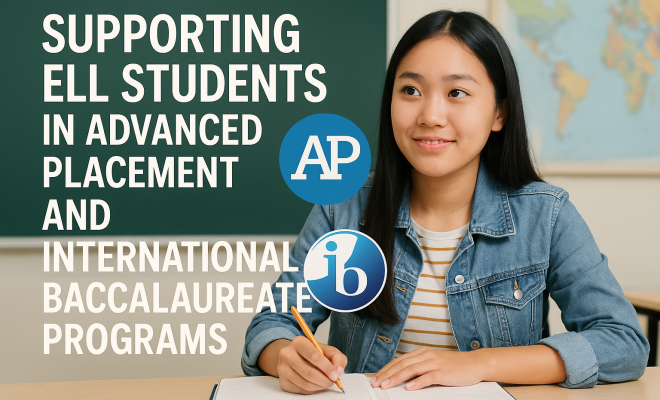
As the educational landscape evolves, the inclusion of English Language Learner (ELL) students in Advanced Placement (AP) and International Baccalaureate (IB) programs is gaining attention. These rigorous academic programs offer an opportunity for high-achieving students to engage in college-level coursework while still in high school. However, for ELL students in advanced placement, challenges abound. They face obstacles not only in mastering complex content but also in navigating the intricacies of academic English. Understanding how to support these students is crucial for their success and for creating equitable educational environments.
Understanding ELL Students in Advanced Placement
ELL students are those who are learning English as an additional language. They come from diverse linguistic backgrounds and bring a wealth of cultural experiences to the classroom. However, the linguistic barriers they face can hinder their academic performance, especially in advanced courses like AP and IB. Statistics show that while ELL students are increasingly enrolling in these programs, they often underperform compared to their native English-speaking peers.
The College Board reports that in the 2021-2022 academic year, 24% of AP exam takers identified as minority students, and a significant percentage were ELLs. This trend highlights the growing representation of ELLs in advanced placement settings, but it also raises questions about their academic support. Many ELL students enter AP programs with limited proficiency in academic English, which can affect their ability to participate fully in discussions, comprehend complex texts, and produce high-quality written work.
The Importance of Cultural Competence
Cultural competence is key to supporting ELL students in advanced placement programs. Educators must recognize and respect the diverse backgrounds of their students. This involves understanding cultural norms, values, and communication styles that influence how students interact in the classroom. For example, some cultures may prioritize group work and collaboration, while others may emphasize individual achievement.
Teachers who cultivate a culturally responsive classroom environment can help ELL students feel more comfortable and engaged. When students see their cultures reflected in the curriculum and classroom discussions, they are more likely to participate actively. This can be achieved by incorporating multicultural perspectives into lesson plans and encouraging students to share their experiences and viewpoints.
Effective Instructional Strategies
To support ELL students in advanced placement, educators can implement several effective instructional strategies. These methods not only enhance language acquisition but also deepen content understanding:
- Scaffolding: Providing structured support can help ELL students navigate complex material. This might include breaking down assignments into manageable steps, offering graphic organizers, or providing sentence starters for writing tasks.
- Collaborative Learning: Pairing ELL students with native English speakers in group activities fosters peer support. Collaborative projects encourage language practice in a social context, allowing ELLs to engage with content while developing their language skills.
- Content and Language Integrated Learning (CLIL): This approach integrates language learning with content instruction. For example, history lessons can include vocabulary exercises that focus on key terms, helping ELL students build both their vocabulary and their understanding of the subject matter.
- Visual Aids: Utilizing charts, diagrams, and multimedia resources can enhance comprehension. Visuals can bridge gaps in understanding and provide context for challenging concepts.
Building Language Proficiency
Language proficiency is foundational for ELL students in advanced placement. Schools can implement targeted language development programs that focus on academic English. Here are some strategies to consider:
- Vocabulary Development: Explicitly teaching academic vocabulary is essential. Providing ELL students with a list of key terms relevant to their courses and engaging them in activities that reinforce these words can promote understanding.
- Writing Support: Many ELLs struggle with writing, particularly in a formal academic style. Offering writing workshops that focus on structure, grammar, and style can empower students to express their thoughts more effectively.
- Speaking Opportunities: Encouraging ELL students to participate in discussions and presentations boosts their confidence and language skills. Structured speaking tasks, such as debates or group presentations, can provide valuable practice.
Assessment and Feedback
Assessment practices should be fair and equitable for ELL students in advanced placement programs. Traditional assessments may not fully capture the abilities of ELLs due to language barriers. Here are some approaches to consider: (See: Supporting English Learners in Education.)
- Alternative Assessment Methods: Incorporating project-based assessments, portfolios, and presentations can provide a more comprehensive view of an ELL student’s capabilities. These methods allow students to demonstrate their knowledge in ways that may be less dependent on language proficiency.
- Constructive Feedback: Providing timely and specific feedback helps ELL students understand their strengths and areas for improvement. It’s essential to focus on both content mastery and language usage to support their growth.
- Formative Assessments: Regular check-ins and formative assessments help educators gauge student progress and adjust instruction accordingly. These assessments can be informal and should prioritize understanding over language proficiency.
Engaging Families and Communities
Parental involvement plays a significant role in the success of ELL students. Schools can enhance support by engaging families and communities. This might include:
- Language Support for Parents: Offering information sessions in multiple languages can help parents understand the AP and IB programs and encourage their involvement. When parents are informed, they can better support their children’s academic journey.
- Community Partnerships: Collaborating with local organizations that serve ELL families can provide additional resources and support. Workshops, tutoring programs, and cultural events foster a sense of belonging and community.
- Open Communication: Establishing a system of communication that accommodates diverse languages enhances parent-teacher relationships. Regular updates on student progress and school events can keep families connected.
Professional Development for Educators
Providing ongoing professional development for teachers is essential in equipping them to support ELL students in advanced placement. Educators should have access to training that focuses on:
- Understanding Language Acquisition: Teachers should learn about how ELL students acquire language and the implications for instruction. Knowledge of language development stages can inform teaching practices.
- Culturally Responsive Teaching: Professional development should also include training in culturally responsive pedagogy. This equips teachers with strategies to honor and integrate students’ cultural backgrounds in their instruction.
- Collaborative Practices: Encouraging collaboration among teachers in different subject areas can foster a holistic approach to supporting ELLs. Sharing strategies and resources can lead to more effective teaching practices across the curriculum.
Current Relevance and Future Directions
As society becomes increasingly diverse, the need to support ELL students in advanced placement programs is more relevant than ever. The COVID-19 pandemic has exacerbated inequalities in education, making it crucial for schools to prioritize equity and support for all students. Recognizing the potential of ELL students and implementing targeted supports can transform educational outcomes.
Looking ahead, schools should strive to create inclusive environments that celebrate linguistic diversity. This means not only increasing enrollment of ELLs in AP and IB programs but also ensuring that these students have the tools they need to thrive. By fostering a culture of acceptance, understanding, and support, educators can help ELL students achieve their full potential.
Challenges Faced by ELL Students in Advanced Placement
While there are many strategies to support ELL students in advanced placement programs, they still face unique challenges that must be addressed. These challenges can range from academic to emotional, impacting their overall educational experience. Here are some of the key challenges ELL students encounter:
- Language Proficiency: ELL students often struggle with the academic language necessary for success in AP courses. The language used in such courses can be complex and nuanced, making it difficult for ELLs to grasp fundamental concepts.
- Test Anxiety: Many ELL students experience anxiety during standardized testing. This can be exacerbated when they are required to take exams in a language they are still mastering, leading to performance that does not reflect their true capabilities.
- Social Integration: ELL students may feel isolated in advanced placement classes, especially if they perceive themselves as different from their peers. This can hinder their willingness to participate and connect with fellow students.
- Cultural Differences: Differences in educational background and cultural expectations can create misunderstandings between ELL students and their instructors. Some students may be unfamiliar with the expectations of a rigorous academic environment.
Statistics on ELL Students in Advanced Placement
Understanding the statistical landscape surrounding ELL students in advanced placement is essential for developing effective support strategies. Here are some statistics that shed light on the participation and performance of ELL students in advanced placement programs:
- In the 2021-2022 academic year, approximately 10% of all AP exam takers were identified as ELLs, highlighting their increasing presence in advanced coursework.
- According to a report from the National Center for Education Statistics, ELL students enrolled in AP courses often score lower than their non-ELL peers on AP exams, with passing rates significantly lower.
- Research indicates that ELL students enrolled in AP courses have a higher likelihood of pursuing higher education compared to their peers who are not enrolled in such rigorous courses, demonstrating the importance of equitable access.
- Data shows that schools with robust support systems for ELL students see improved rates of success in AP classes, suggesting that targeted interventions can lead to better outcomes.
Expert Perspectives on Supporting ELL Students
Experts in the field of education emphasize the importance of tailored strategies for ELL students in advanced placement. Here are some insights from educators and researchers:
Dr. Maria Torres, a linguistics professor: “It’s crucial that we view ELL students not just through the lens of language deficiency, but as capable individuals with unique perspectives and skills. Educators need to create an inclusive environment that leverages their strengths.” (See: Youth Risk Behavior Survey Data.)
Professor John Smith, an education policy researcher: “Supporting ELL students in advanced placement is not merely about language instruction; it involves creating systemic changes in how we approach teaching and assessment. We need to rethink traditional metrics of success to include diverse pathways.”
Ms. Linda Johnson, a high school AP teacher: “In my experience, ELL students thrive when they feel valued. Incorporating their cultural experiences into lessons not only engages them but enriches the learning experience for all students.”
Best Practices for Schools
To enhance the success of ELL students in advanced placement programs, schools can adopt best practices that focus on inclusivity, support, and community engagement:
- Implementing a Buddy System: Pairing ELL students with mentors or buddies can create a supportive network that fosters confidence and social integration.
- Tailored Professional Development: Schools should provide targeted training that addresses the specific needs of ELL students, ensuring educators are equipped to implement effective strategies.
- Regular Review and Adjustment of Curriculum: Continuously assessing the curriculum to ensure it is accessible and relevant for ELL students can lead to improved engagement and understanding.
- Encouraging Extracurricular Participation: Promoting involvement in clubs and organizations can help ELL students build social connections and improve their language skills in a less formal environment.
Frequently Asked Questions (FAQ)
What are the benefits of enrolling ELL students in advanced placement programs?
Enrolling ELL students in advanced placement programs can provide them with access to rigorous academic content, improve college readiness, and enhance their language skills through exposure to academic discourse. It can also boost their confidence and provide opportunities for social integration.
How can teachers assess ELL students fairly in advanced placement courses?
Teachers can use alternative assessment methods such as project-based learning, portfolios, and presentations that allow students to demonstrate knowledge beyond traditional tests. They should provide feedback focused on both content mastery and language skills, while also using formative assessments to guide instruction.
What role do parents play in supporting ELL students in advanced placement?
Parents play a crucial role by encouraging their children’s academic pursuits, fostering a supportive home environment, and engaging with teachers and school resources. Schools can facilitate this by providing multilingual resources and communication channels.
Are there specific resources available for teachers of ELL students in advanced placement?
Yes, there are numerous resources available, including professional development workshops, online forums, and teaching materials specifically designed for ELL education. Organizations such as TESOL International Association and the National Council of Teachers of English offer valuable resources for educators. (See: Challenges for English Learners in Schools.)
How can schools create a more inclusive environment for ELL students?
Creating an inclusive environment involves recognizing and celebrating cultural diversity, providing linguistic support, and fostering an atmosphere of acceptance and understanding among students. Engaging the community and involving families in the educational process is also essential.
Collaboration Among Educators and Stakeholders
Collaboration is key to creating an environment where ELL students in advanced placement can thrive. Teachers, counselors, and administrators must work together to implement comprehensive strategies for support. Here are some collaborative approaches that can enhance the educational experience:
- Cross-Disciplinary Teams: Creating teams that include language specialists, content area teachers, and school counselors can lead to more cohesive strategies tailored to ELL students’ unique needs. This collaborative effort can help share best practices and resources.
- Engaging External Experts: Inviting experts in language education or cultural competency to conduct workshops can provide teachers with new insights and skills. Such workshops can help educators learn about the latest research and techniques in supporting ELL students.
- Regular Feedback Loops: Establishing regular meetings for educators to discuss the progress of ELL students can ensure that all stakeholders are informed and aligned. These meetings can be a platform for sharing success stories, challenges, and strategies that have worked.
Success Stories of ELL Students in Advanced Placement
Highlighting success stories can be a powerful motivator for both students and educators. Here are a few examples of ELL students who have excelled in advanced placement programs despite the challenges they faced:
- Maria, a recent immigrant from Colombia, enrolled in AP Literature and faced initial struggles with the language. With the support of her teacher, who provided additional resources and a structured writing program, Maria not only passed the AP exam but also received a scholarship to a prestigious university.
- Li, a Chinese student, participated in AP Calculus and found the mathematical language challenging. Through collaborative learning and peer tutoring, he gained the confidence to succeed, scoring a 5 on the AP exam, which earned him college credit.
- Ahmed, a Somali student, joined an IB program and was able to bring his cultural perspectives into discussions, enriching the learning environment for everyone. His project on global citizenship won the school’s academic excellence award.
Looking Ahead: Preparing ELL Students for Future Success
As we consider the future of education for ELL students in advanced placement, it’s essential to focus on long-term strategies that go beyond immediate academic support. Here are a few considerations:
- Career Pathways: Schools should introduce career-oriented programs that connect ELL students with mentorship opportunities in fields that interest them. This provides a vision for their future and reinforces the value of their education.
- Continued Support Beyond High School: Establishing partnerships with local colleges and universities can help ensure that ELL students have access to resources and support as they transition into higher education. Colleges can offer workshops and orientation programs tailored for ELLs.
- Advocacy for Policy Changes: Engaging in advocacy efforts to promote policies that support ELL students in advanced placement can lead to systemic changes. This requires a united front from educators, parents, and community members to voice the needs and rights of ELL students.
Conclusion: A Call to Action
Supporting ELL students in advanced placement programs is not just an educational obligation; it’s a commitment to equity and social justice. As educators, policymakers, and community members, we must advocate for the resources and training necessary to help these students succeed. Together, we can create a future where all students, regardless of their linguistic backgrounds, have equal access to high-quality education and the opportunity to excel in their academic pursuits.
“`
Trending Now
Frequently Asked Questions
What challenges do ELL students face in AP and IB programs?
ELL students encounter significant challenges in AP and IB programs, including language barriers that hinder their understanding of complex content. Limited proficiency in academic English can affect their participation in discussions, comprehension of texts, and quality of written assignments, leading to underperformance compared to native English speakers.
How can teachers support ELL students in advanced classes?
Teachers can support ELL students by fostering cultural competence, recognizing diverse backgrounds, and adapting instructional strategies to meet their needs. This includes providing language scaffolding, encouraging collaborative learning, and offering resources that enhance their understanding of academic English.
Why is cultural competence important for ELL students?
Cultural competence is crucial for supporting ELL students as it allows educators to understand and respect the diverse cultural backgrounds of their students. This understanding helps create an inclusive classroom environment that enhances engagement and learning outcomes for ELLs in advanced programs.
What statistics highlight ELL enrollment in AP programs?
According to the College Board, in the 2021-2022 academic year, 24% of AP exam takers identified as minority students, with a significant portion being ELLs. This statistic reflects the increasing representation of ELL students in advanced placement programs, underscoring the need for targeted academic support.
How does limited English proficiency affect ELL students academically?
Limited English proficiency can severely impact ELL students' academic performance by restricting their ability to engage in discussions, comprehend advanced texts, and produce high-quality written work. These challenges can lead to lower achievement in AP and IB programs compared to their peers who are native English speakers.
Agree or disagree? Drop a comment and tell us what you think.