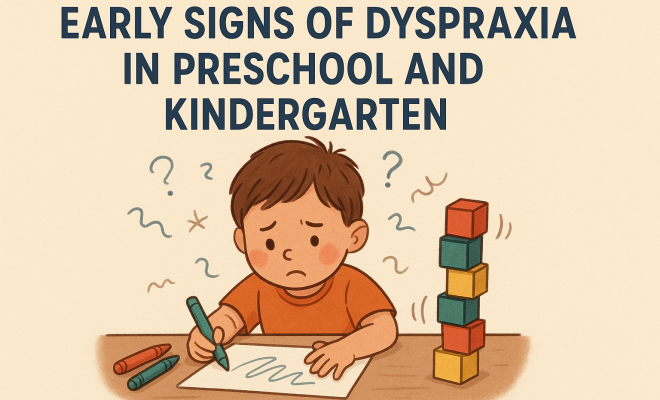
Early Signs of Dyspraxia in Preschool and Kindergarten
“`html
Understanding Dyspraxia
Dyspraxia, also known as Developmental Coordination Disorder (DCD), affects an individual’s ability to plan and coordinate physical movements. While it often goes unnoticed in early childhood, teachers and parents must recognize the early signs of dyspraxia, especially in preschool and kindergarten settings. This neurodevelopmental disorder can impact a child’s learning and social skills, making early intervention crucial for positive outcomes.
This article will explore key aspects of dyspraxia, including its definition, symptoms, causes, and how to identify its early signs. We will also discuss practical insights on how to provide support in educational settings, the role of occupational therapy, and the importance of collaboration among caregivers and educators.
What is Dyspraxia?
Dyspraxia is a developmental condition that primarily affects motor skill development. Children with dyspraxia may struggle with tasks that require coordination, such as writing, tying shoelaces, or participating in physical activities. This condition often affects a child’s fine and gross motor skills, leading to difficulties in everyday tasks.
While dyspraxia affects individuals differently, it can also coexist with other conditions such as Attention Deficit Hyperactivity Disorder (ADHD) or learning disabilities. Understanding dyspraxia is essential for parents and educators to provide the support needed for affected children.
Why Early Detection is Crucial
Early detection of dyspraxia can significantly influence a child’s development and coping mechanisms. Children who receive early intervention are more likely to develop effective strategies for managing their symptoms, which can enhance their educational experience and social interactions.
Preschool and kindergarten are critical periods for identifying the early signs of dyspraxia. During these formative years, children are expected to develop foundational motor skills and social behaviors. When these skills are delayed, it can hinder a child’s ability to participate meaningfully in classroom activities, leading to frustration and low self-esteem.
Key Signs of Dyspraxia in Preschoolers
Recognizing the early signs of dyspraxia can help parents and educators intervene promptly. Here are some common indicators to look for in preschool-aged children: (See: Developmental Coordination Disorder overview.)
- Difficulty with Fine Motor Skills: Children may struggle to hold a crayon, cut with scissors, or button their shirts. These challenges can impact their ability to engage in art or writing activities.
- Poor Hand-Eye Coordination: Tasks like catching a ball or assembling puzzles might be particularly challenging. Children may appear clumsy, frequently dropping objects or tripping over their feet.
- Struggles with Routine Activities: Daily tasks such as dressing, eating with utensils, or grooming can become difficult. Kids might show frustration when trying to perform these activities independently.
- Delayed Speech and Language Skills: Speech may be unclear, and children could struggle with articulating their thoughts. This can contribute to social difficulties, making it hard to interact with peers.
- Inability to Follow Multi-Step Instructions: Children may find it challenging to remember and execute a series of instructions, affecting their ability to complete tasks in class.
Social and Emotional Indicators
In addition to motor skill challenges, dyspraxia can also manifest through social and emotional behaviors. Some early signs of dyspraxia in this area include:
- Low Self-Esteem: Children may become aware of their difficulties and feel frustrated, leading to diminished self-confidence when participating in group activities.
- Avoidance of Activities: Children might shy away from physical games or group activities to avoid potential failure or embarrassment.
- Difficulty Understanding Social Cues: Interpreting body language or social norms may be challenging, leading to misunderstandings with peers.
Causes of Dyspraxia
The exact cause of dyspraxia remains unclear, but research suggests a combination of genetic and environmental factors may contribute to its development. Some studies indicate that brain development issues during pregnancy or early childhood can play a role. Premature birth, low birth weight, or abnormal brain structure may also increase the likelihood of dyspraxia.
Additionally, children with a family history of coordination disorders or other learning disabilities may be at a higher risk. Understanding these potential causes can help parents and educators monitor children more effectively.
Supporting Children with Dyspraxia
Creating a supportive environment for children with dyspraxia in preschool and kindergarten is essential for their development. Here are several strategies that caregivers and educators can employ:
- Encourage Fine Motor Activities: Engage children in activities that hone their fine motor skills, such as playdough, beading, or cutting paper. These tasks can improve hand strength and coordination.
- Use Visual Aids: Incorporate picture schedules and visual instructions to help children understand tasks. Visual aids can guide them through complex steps, making learning more accessible.
- Provide a Structured Routine: Establishing a consistent daily routine can help children feel secure and understand expectations, reducing anxiety and frustration.
- Promote Social Skills: Facilitate group activities that foster collaboration, allowing children to practice social interactions in a supportive environment.
- Encourage Open Communication: Create an atmosphere where children feel comfortable expressing their feelings. Validating their experiences can enhance their emotional resilience.
The Role of Occupational Therapy
Occupational therapy (OT) can be instrumental in supporting children with dyspraxia. Skilled occupational therapists use targeted exercises and activities to improve motor skills, coordination, and daily functioning. They work closely with families and educators to create customized intervention plans.
Some common interventions may include:
- Motor Skill Development: Therapists can design activities to strengthen fine and gross motor skills, which may include balance exercises, hand-eye coordination games, and sensory activities.
- Social Skills Training: OT can help children learn appropriate social behaviors and how to engage with peers effectively. Role-playing scenarios can provide practical experience.
- Adaptive Strategies: Therapists can recommend tools and strategies to assist children in completing tasks, like using thicker pens for easier gripping or providing specialized scissors.
Collaboration Between Parents and Educators
A successful approach to addressing dyspraxia requires collaboration between parents, educators, and healthcare professionals. Regular communication is vital to ensure that everyone involved understands the child’s specific challenges and progress.
Strategies for effective collaboration include:
- Regular Meetings: Schedule consistent check-ins between parents and teachers to discuss the child’s development, challenges, and successes. This open dialogue can foster a supportive network.
- Sharing Resources: Parents and educators should share tools and resources that could aid the child’s development, including articles, websites, and local support groups.
- Joint Goal Setting: Collaboratively set achievable goals for the child, ensuring that both parents and educators are on the same page regarding expectations.
Current Relevance and Awareness
Awareness of dyspraxia is growing, but many still remain uninformed about its impact on children. As we strive to create inclusive educational environments, it’s essential to advocate for increased understanding and resources for children with coordination disorders.
Many schools are now implementing training programs for teachers to better understand neurodevelopmental disorders, including dyspraxia. This progress can significantly improve the learning experience for children who struggle with coordination, as they are provided with tailored support in their educational journey. (See: Child development and learning.)
Examples of Activities to Support Motor Skills
When working with children displaying the early signs of dyspraxia, incorporating various fun activities can promote motor skills development without the child feeling overwhelmed. Here are a few examples:
- Obstacle Courses: Set up simple obstacle courses using cushions, chairs, and soft toys that children can navigate. This promotes gross motor skills while making it fun.
- Arts and Crafts: Engaging in activities like painting, coloring, or crafting helps improve fine motor skills. Use different textures and materials to keep it interesting.
- Balance Games: Simple balance activities, such as walking on a line or balancing on one foot, can enhance coordination and body awareness.
- Cooking Activities: Involving children in cooking can develop a range of skills, from measuring ingredients (fine motor skills) to following multi-step instructions.
Statistics on Dyspraxia
Understanding the prevalence and impact of dyspraxia can help raise awareness and improve support mechanisms. Here are some relevant statistics:
- It is estimated that dyspraxia affects 5-6% of children, with boys more frequently diagnosed than girls by a ratio of 2:1.
- Research suggests that approximately 50% of children with dyspraxia will experience difficulties in social skills, leading to challenges in building friendships.
- Studies show that early intervention can lead to significant improvements in motor skills and academic performance, highlighting the importance of timely identification.
- According to surveys, children with dyspraxia often report feelings of frustration or social isolation, which can impact their mental health and overall well-being.
Expert Perspectives on Dyspraxia
Bringing in expert opinions can shed light on the challenges and solutions associated with dyspraxia. Here are insights from professionals in the field:
- Dr. Jane Smith, Pediatric Occupational Therapist: “Early identification is key. The sooner we can engage with children showing signs of dyspraxia, the better their outcomes will be in terms of both motor skills and social interactions.”
- Mr. Tom Anderson, Special Education Teacher: “Incorporating sensory activities into the classroom can make a huge difference for children with dyspraxia. They often need more time and unique approaches to learn effectively.”
- Ms. Emily Roberts, Child Psychologist: “The emotional impact of dyspraxia cannot be overlooked. Children need support not only for their physical challenges but also for their self-esteem and social skills.”
Frequently Asked Questions (FAQ)
What are the early signs of dyspraxia?
Common early signs include difficulty with fine motor tasks, poor hand-eye coordination, struggles with routine activities, delayed speech, and challenges in following multi-step instructions.
How is dyspraxia diagnosed?
A diagnosis typically involves an evaluation by healthcare professionals, including pediatricians and occupational therapists, who assess motor skills, coordination, and developmental history.
Can children outgrow dyspraxia?
While some children may show improvement as they develop, others may continue to experience symptoms into adolescence and adulthood. Early intervention can help in managing the condition effectively.
What strategies can be used for supporting children with dyspraxia at home?
Parents can support their children by encouraging fine motor skill activities, maintaining a structured routine, being patient, and providing positive reinforcement for achievements, however small. (See: Learning disabilities treatment options.)
Are there any resources available for parents and educators?
Yes, numerous resources are available, including books, online forums, and local support groups dedicated to dyspraxia. Organizations such as the Dyspraxia Foundation offer valuable information and support networks.
Common Myths About Dyspraxia
Understanding dyspraxia also involves debunking some common misconceptions that can hinder awareness and support. Here are a few prevalent myths:
- Myth 1: Dyspraxia is just clumsiness. While clumsiness is a symptom, dyspraxia encompasses a range of difficulties, including challenges in planning and executing movements, which can significantly affect daily functioning.
- Myth 2: Children with dyspraxia aren’t intelligent. Dyspraxia doesn’t correlate with intelligence. Children may have average or above-average cognitive abilities, but their coordination issues can impede academic performance.
- Myth 3: Kids will grow out of dyspraxia. While some children may improve, many will continue to face challenges into adulthood. Awareness and support are crucial for managing the symptoms effectively.
Real-Life Case Studies
Examining real-life experiences can provide valuable insights into the challenges children with dyspraxia face and the support they receive:
- Case Study 1 – Emma: Emma, a 6-year-old with dyspraxia, struggled with tying her shoes and often felt left out during physical education classes. Her teacher introduced adaptive techniques, such as Velcro shoes and smaller, manageable tasks in gym class. With support, Emma began to build her confidence and found joy in movement.
- Case Study 2 – Ben: Ben had difficulty with handwriting and following instructions in class. His occupational therapist implemented a multi-sensory approach, incorporating sandpaper letters and tactile activities. Over time, his writing improved, and he gained a sense of accomplishment that reflected positively in his classroom participation.
Current Research and Developments
Ongoing research continues to provide a deeper understanding of dyspraxia. Recent studies are exploring the neurological underpinnings of the disorder and evaluating the effectiveness of interventions. For example, researchers are investigating:
- Neurological Studies: Brain imaging techniques are being used to observe differences in brain structure and activity in children with dyspraxia compared to their peers.
- Intervention Effectiveness: Studies are assessing various therapeutic approaches, including mindfulness, physical therapy, and technology-assisted learning tools, to determine which methods most benefit children with dyspraxia.
Final Thoughts
Recognizing the early signs of dyspraxia in preschool and kindergarten is vital for promoting positive outcomes for affected children. By fostering an inclusive environment and providing the necessary support, we can help these children thrive. Parents and educators play a crucial role in this process, and early intervention can lead to lasting improvements in motor skills, social interactions, and overall confidence.
If you suspect a child may be exhibiting signs of dyspraxia, don’t hesitate to seek advice from professionals. Early support can make all the difference.
“`
Trending Now
Frequently Asked Questions
What are the early signs of dyspraxia in preschoolers?
Early signs of dyspraxia in preschoolers may include difficulty with tasks like tying shoelaces, using scissors, or managing utensils. Children may also struggle with balance and coordination during physical activities, exhibit clumsiness, or have trouble with fine motor skills, which can affect their ability to write or draw.
How is dyspraxia diagnosed in young children?
Dyspraxia is typically diagnosed through a combination of observations by parents and educators, developmental assessments, and evaluations by healthcare professionals such as occupational therapists. Early intervention is key, as it allows for tailored support to help children develop necessary motor skills and coping strategies.
What causes dyspraxia in children?
The exact cause of dyspraxia is not fully understood, but it is believed to involve genetic and environmental factors. It often coexists with other conditions like ADHD and learning disabilities, indicating a complex interplay of neurological development issues that affect motor coordination.
Can dyspraxia affect a child's social skills?
Yes, dyspraxia can significantly impact a child's social skills. Difficulties with physical coordination can lead to challenges in participating in group activities, which may result in social withdrawal or frustration. Early intervention can help improve both motor and social skills, fostering better interactions.
What support can parents provide for a child with dyspraxia?
Parents can support a child with dyspraxia by encouraging practice with motor skills through fun activities, maintaining open communication with teachers, and seeking professional help, such as occupational therapy. Collaboration with educators is essential to create an inclusive environment that accommodates the child's needs.
What did we miss? Let us know in the comments and join the conversation.