Top 504 Plan Accommodations for Tests & Assignments
“`html
Understanding 504 Plans
A 504 Plan is a blueprint for how a school will provide support and remove barriers for students with disabilities. The name derives from Section 504 of the Rehabilitation Act of 1973, a civil rights law that prohibits discrimination based on disability. This plan is vital for ensuring that students with conditions such as ADHD, dyslexia, or anxiety can access the same educational opportunities as their peers. One of the most crucial aspects of a 504 Plan is the accommodations provided for test-taking and assignments, which can significantly impact a student’s academic performance.
Why Accommodations Matter
Accommodations are modifications that enable students with disabilities to demonstrate their knowledge and skills without being hindered by their specific challenges. For example, a student with a learning disability might struggle with time constraints during tests. By implementing effective 504 plan accommodations, educators create a level playing field that fosters equal opportunities for success.
Research indicates that students who receive appropriate accommodations are more likely to perform better academically. A study published in the Journal of Learning Disabilities highlighted that students with ADHD who received extended time during tests scored significantly higher than those who did not. This evidence underscores the importance of tailored interventions in educational settings.
Common 504 Plan Accommodations for Test-Taking
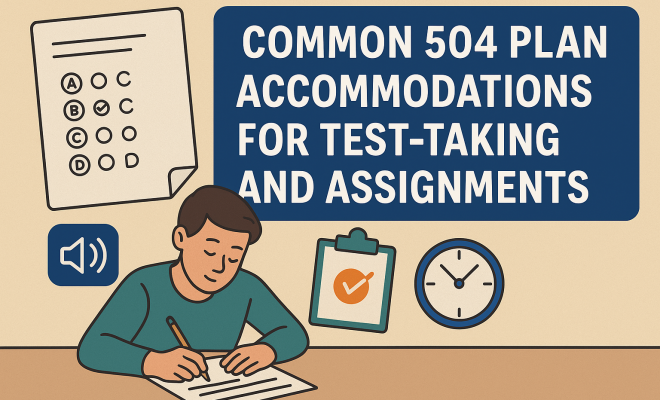
When it comes to testing, various accommodations can be implemented to help students perform to the best of their abilities. Here are some of the most common 504 plan accommodations used during assessments:
- Extended Time: Allowing extra time for tests reduces the pressure students feel and gives them the opportunity to process information without rushing.
- Quiet Testing Environment: Providing a distraction-free room can help students concentrate better, minimizing stress and anxiety associated with test-taking.
- Separate Setting: Sometimes, taking tests in a different location can alleviate distractions from peers, thereby improving focus.
- Use of Technology: Allowing the use of calculators, word processors, or audio recording devices can assist students in demonstrating their knowledge more effectively.
- Breaks During Testing: Implementing scheduled breaks during prolonged tests can help students recharge and maintain focus throughout the assessment.
- Oral Administration: Providing tests orally rather than written can benefit students who struggle with reading comprehension or written expression.
- Modified Format: Adjusting the format of the test, such as using multiple-choice rather than open-ended questions, can help students better convey their knowledge.
- Clarification of Instructions: Taking the time to review instructions can ensure that students fully understand what is expected of them.
Common 504 Plan Accommodations for Assignments
Accommodations for assignments can be just as crucial as those for tests. They help ensure that students can complete coursework in a manner that reflects their understanding rather than their disabilities. Here are some typical accommodations provided for assignments:
- Alternative Formats: Allowing students to present information in various formats, such as video presentations or oral reports, can cater to different strengths and preferences.
- Extended Deadlines: Granting additional time for assignments can relieve pressure and allow students to submit work that reflects their true capabilities.
- Reduced Assignments: Sometimes, adjusting the number of assignments or the length of written tasks can help students manage their workload more effectively.
- Graphic Organizers: Providing tools like graphic organizers can help students structure their thoughts and ideas, making the writing process more manageable.
- Check-Ins: Regular check-ins with teachers can help keep students motivated and ensure they are on track with their assignments.
- Clear Rubrics: Providing detailed grading rubrics can clarify expectations for assignments, allowing students to focus on meeting specific criteria.
- Peer Support: Encouraging students to work with peers can foster collaboration and improve understanding of assignment material.
How to Develop an Effective 504 Plan
Creating a well-rounded 504 Plan tailored to individual needs requires collaboration between parents, teachers, and school administrators. Here’s a step-by-step guide to developing an effective plan:
- Gather Documentation: Collect information regarding the student’s disability, including medical evaluations, psychological assessments, and educational history.
- Conduct Assessments: Schools should perform their assessments to determine specific needs and strengths. This may include academic testing and behavioral evaluations.
- Involve Stakeholders: Engage parents, teachers, and specialists in discussions about the student’s unique challenges and potential accommodations.
- Set Clear Goals: Define what the student should achieve through the accommodations, whether it’s improved test scores or better assignment completion rates.
- Monitor Progress: Regularly review the effectiveness of the accommodations and make adjustments as necessary to improve outcomes.
The Role of Educators
Educators play a pivotal role in the success of 504 plans. They must be well-informed about the specific accommodations and understand how to implement them effectively. Professional development and training on 504 plans can empower teachers to recognize and address the needs of students with disabilities.
Moreover, communication between educators and families is vital. Teachers should ensure that parents are aware of the accommodations being utilized and encourage feedback regarding their effectiveness. This partnership can significantly enhance a student’s educational experience. (See: Office for Civil Rights – 504 Plans.)
Legal Framework and Rights
It’s essential to understand the legal context surrounding 504 plans. As mandated by Section 504 of the Rehabilitation Act, students with disabilities are entitled to accommodations that allow them equitable access to education. Schools must adhere to these legal requirements or face potential repercussions.
Parents can advocate for their children by understanding their rights under the law. If a school fails to provide necessary accommodations, families have the right to file complaints with the Office for Civil Rights. Staying informed about these rights can empower parents and facilitate better educational outcomes for their children.
Current Trends and Relevance
In recent years, there has been a growing emphasis on inclusive education and providing equitable access for all students. The COVID-19 pandemic highlighted the importance of adaptability in education. Many schools recognized that flexible accommodations were necessary for students who faced challenges in traditional learning environments.
As we move forward, the conversation about 504 plan accommodations will likely continue to evolve. There’s an increasing focus on mental health and emotional well-being, suggesting that accommodations may need to address not only academic challenges but also psychological barriers that students face.
Real-Life Success Stories
Success stories often illustrate the profound impact of 504 plan accommodations on students’ lives. Take the case of a high school student diagnosed with dyslexia. By utilizing accommodations such as extended time, oral test administration, and the use of technology, she transformed from a struggling learner to a straight-A student. Her confidence soared as she began to excel in subjects where she previously found difficulty.
Another inspiring example is a middle school student with ADHD who benefited from a modified homework load and frequent check-ins with teachers. These accommodations helped him stay organized and focused, leading him to improve his grades and develop better study habits.
These examples underscore the importance of tailored accommodations in unlocking potential and fostering academic success.
Expanding Accommodations: Beyond the Basics
While many 504 plan accommodations focus on traditional academic environments, there’s a growing recognition that students may require additional and varied accommodations to fully support their learning. Here are a few expanded areas of accommodation that educators and schools should consider:
- Social Skills Training: For students with social communication difficulties, schools can provide direct instruction in social skills. This could be in the form of small group sessions or one-on-one time with a counselor to enhance peer interactions.
- Behavioral Interventions: Some students may benefit from interventions designed to improve behavioral responses in classroom settings. This might include strategies like positive reinforcement, behavioral contracts, or individualized behavior plans tailored to specific needs.
- Access to Mental Health Resources: Mental health is critical for academic success. Schools can provide accommodations that include access to school counselors or psychologists, as well as the implementation of mental health days as part of the student’s plan.
- Flexible Seating Arrangements: Allowing students to choose seating that best suits their needs can help reduce distractions. Some students may benefit from standing desks, wobble stools, or quiet corners in the classroom.
- Collaborative Learning Opportunities: Encouraging collaboration through group projects can help build necessary skills for students with disabilities. Structuring groups to ensure that students are paired with supportive peers can promote social skills and learning.
Measuring the Effectiveness of Accommodations
Implementing accommodations is just the first step; it’s vital to measure their effectiveness in real time. Educators should consider the following approaches to monitor and assess the impact of 504 plan accommodations:
- Regular Feedback Loops: Encourage ongoing communication between teachers, students, and parents. This can include surveys, focus groups, and informal check-ins to discuss what’s working and what may need adjustments.
- Data Collection: Schools can track performance data before and after accommodations are implemented. Analyzing this data can provide insights into the effectiveness of specific accommodations.
- Goal Setting and Review: Establish clear, measurable goals based on the accommodations and hold regular review meetings to assess progress. This collaborative approach encourages accountability and adaptability.
Common Misconceptions About 504 Plans
Several myths and misconceptions surround 504 plans that can hinder their effectiveness. Addressing these misunderstandings is essential for ensuring that students receive appropriate support: (See: NIH on 504 Plans and Learning Disabilities.)
- Myth: 504 Plans Are Only for Learning Disabilities. While commonly associated with learning disabilities, 504 plans can support various conditions, including physical disabilities, mental health disorders, and chronic health conditions.
- Myth: Accommodations Are a Form of Cheating. Accommodations are designed to level the playing field, not to provide unfair advantages. They help students access the curriculum on the same footing as their peers.
- Myth: Once Established, a 504 Plan Cannot Be Changed. 504 plans are living documents that should be regularly evaluated and updated based on a student’s evolving needs. Regular reviews can ensure continued relevance and effectiveness.
FAQ About 504 Plan Accommodations
What types of disabilities qualify for a 504 plan?
Any physical or mental impairment that substantially limits one or more major life activities can qualify a student for a 504 plan. This can include learning disabilities, ADHD, anxiety disorders, and more.
How do I initiate the process for a 504 plan?
Start by contacting your child’s school and expressing your concerns. They will typically schedule a meeting to discuss your child’s needs and begin the evaluation process.
Can accommodations be applied to extracurricular activities?
Yes, accommodations can be extended to extracurricular activities. Schools are required to provide equal access to all programs, including sports, clubs, and events.
How often should a 504 plan be reviewed?
It’s recommended to review a 504 plan at least once a year, or more frequently if there are significant changes in the student’s needs, performance, or educational environment.
What happens if a school refuses to provide requested accommodations?
If a school refuses to provide accommodations you believe are necessary, you can request a formal evaluation or mediation. You also have the right to file a complaint with the Office for Civil Rights.
Exploring the Impact of 504 Plan Accommodations
The real impact of 504 plan accommodations extends beyond mere academic performance. These accommodations can reshape a student’s educational experience, fostering not just academic success but also personal development. This holistic benefit is particularly significant for students who may feel marginalized in traditional educational settings. Here are some ways in which these accommodations influence students’ lives:
- Building Self-Esteem: When students receive the support they need, their confidence grows. For instance, a student who consistently struggles with reading might see improvements in their grades due to accommodations such as audiobooks, leading to a more positive self-image.
- Encouraging Independence: Many accommodations, such as teaching students to use assistive technology, foster independence. For example, a student using speech-to-text software to complete assignments learns to advocate for themselves, which can carry over into other areas of their life.
- Improving Social Interactions: Some accommodations focus on social skills training, allowing students to better interact with peers. For instance, structured group activities can enhance collaboration skills and help students forge friendships.
- Reducing Anxiety: Accommodations such as a quiet testing environment or extended time during exams help reduce anxiety, enabling students to perform to the best of their abilities without the pressure of a traditional testing atmosphere.
Future Considerations for 504 Plan Accommodations
As educational paradigms shift towards inclusivity, the future of 504 plan accommodations will likely see several important changes:
- Technological Integration: The rise of digital learning tools presents new opportunities for accommodations. Virtual learning platforms can offer personalized learning experiences, enabling students with disabilities to access materials tailored to their needs.
- Increased Focus on Emotional Well-Being: The growing awareness of mental health issues will likely lead to more accommodations aimed at supporting emotional well-being. Schools may implement programs that address anxiety and stress management alongside academic support.
- Greater Parental Involvement: As parents become more informed about their rights and the benefits of 504 plans, we can expect increased advocacy for better accommodations, leading to more individualized support for students.
- Collaboration with Mental Health Professionals: Schools might increasingly collaborate with mental health professionals to develop comprehensive plans that address both academic and emotional needs. This can enhance the overall effectiveness of 504 plans.
The Importance of Advocacy
Advocacy is crucial for the continued success of 504 plans. Parents, educators, and students themselves must engage in open discussions about the accommodations needed for success. Here are some advocacy strategies that can make a difference:
- Awareness Campaigns: Schools can launch awareness campaigns to educate families about their rights and the importance of 504 plans, ensuring more students receive the support they need.
- Parent Workshops: Hosting workshops can empower parents with the knowledge to navigate the 504 process effectively, equipping them to advocate for their children.
- Student Involvement: Involving students in discussions about their accommodations can help them understand their needs better and take ownership of their education. Encouraging students to express their thoughts and feelings about the accommodations can lead to more tailored and effective support.
- Community Support: Building a network of support among parents and educators can help to share resources and strategies for successful advocacy, creating a stronger voice for students with disabilities.
Final Thoughts
In essence, 504 plan accommodations are critical tools for supporting students with disabilities. By offering tailored interventions, schools can help level the playing field and promote academic achievement. It’s vital for educators, parents, and administrators to work collaboratively in developing and implementing effective plans. Equally, understanding the legal rights associated with 504 plans can empower families as they advocate for their children’s educational needs.
The future of education lies in its ability to adapt and respond to the unique challenges faced by all students. As we continue to champion inclusivity and equity, the commitment to meaningful 504 plan accommodations will play a significant role in shaping the academic journey of countless students.
“`
Trending Now
Frequently Asked Questions
What is a 504 Plan for students?
A 504 Plan is a legal document that outlines how schools will support students with disabilities, ensuring they have equal access to education. It includes specific accommodations to help these students overcome barriers related to their disabilities.
What types of accommodations are included in a 504 Plan?
Common accommodations in a 504 Plan include extended time for tests, a quiet testing environment, the use of assistive technology, and modified assignments. These adjustments help students demonstrate their knowledge without being hindered by their specific challenges.
Why are accommodations important for test-taking?
Accommodations are crucial for test-taking as they allow students with disabilities to perform to their potential. They help reduce stress and provide the necessary support for students to process information effectively, leading to better academic outcomes.
How does extended time affect students with disabilities?
Extended time during tests can significantly benefit students with disabilities, as it reduces pressure and allows them to process information at their own pace. Research shows that students with ADHD, for example, perform better with this accommodation.
Can a 504 Plan include a quiet testing environment?
Yes, a quiet testing environment is a common accommodation in a 504 Plan. It helps minimize distractions, allowing students to focus better during assessments and thereby improving their overall performance.
Agree or disagree? Drop a comment and tell us what you think.