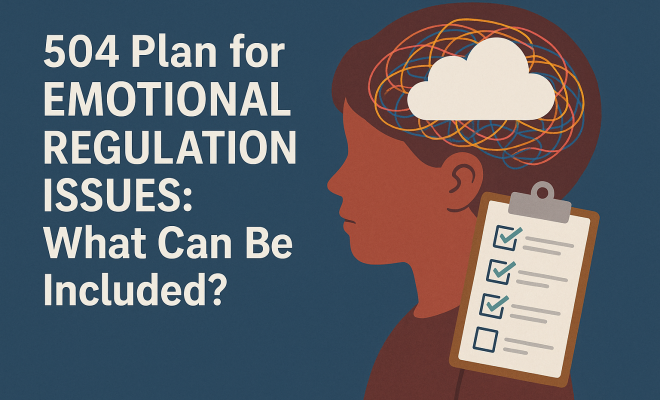
504 Plan for Emotional Regulation: Key Accommodations
“`html
Understanding the 504 Plan
Every student has unique needs, and for some, those needs may revolve around emotional regulation issues. The Section 504 of the Rehabilitation Act of 1973 provides a framework for ensuring that students with disabilities receive accommodations that allow them to succeed in the academic environment. A 504 plan is specifically designed for students who struggle with emotional regulation, enabling schools to create strategies that foster an inclusive and supportive learning atmosphere.
To fully grasp what can be included in a 504 plan for emotional regulation, it’s essential to understand its purpose. Unlike special education services, which fall under the Individuals with Disabilities Education Act (IDEA), a 504 plan provides accommodations and modifications to support students with disabilities, including emotional or behavioral challenges, without the need for specialized instruction.
Why Emotional Regulation Matters
Emotional regulation is the ability to manage and respond to emotional experiences appropriately. For students facing challenges in this area, everyday school situations can become overwhelming. This might manifest in various forms, including anxiety, anger, withdrawal, or even disruptive behaviors. The inability to regulate emotions affects not just academic performance but social interactions, self-esteem, and overall well-being.
Statistics show that emotional and behavioral issues are on the rise among school-aged children. According to the National Institute of Mental Health (NIMH), nearly 1 in 5 children between the ages of 3 and 17 has a mental, emotional, or behavioral disorder. These figures highlight the urgent need for effective interventions, like the 504 plan, to support emotional regulation and create conducive learning environments.
Key Components of a 504 Plan for Emotional Regulation
When developing a 504 plan focused on emotional regulation, several critical components can be included to ensure that the student receives appropriate support. Understanding these elements is vital for parents, educators, and administrators alike.
- Assessment of Needs: The plan should begin with a thorough assessment to identify the specific emotional regulation challenges the student faces. This may involve input from teachers, counselors, and mental health professionals.
- Behavioral Goals: Clearly defined behavioral goals should outline what the student aims to achieve in terms of emotional regulation. For instance, this could include reducing instances of outbursts or improving coping strategies.
- Accommodations: Practical accommodations can be tailored to meet the student’s specific needs. These might range from providing a quiet space during overwhelming situations to allowing extra time for assignments during periods of heightened anxiety.
- Regular Monitoring: The plan should include regular check-ins and assessments to monitor the student’s progress. This ensures that the strategies remain effective and can be adjusted as necessary.
- Collaboration with Mental Health Professionals: If the student is receiving external support, such as therapy, integrating those strategies into the 504 plan can provide a comprehensive approach to emotional regulation.
Examples of Accommodations for Emotional Regulation
There are numerous accommodations that can be incorporated into a 504 plan to support emotional regulation. These accommodations are designed to help students manage their emotions and behavior in a school setting.
- Safe Space: Designating a safe area where the student can retreat when feeling overwhelmed can be crucial. This space should be quiet and free from distractions.
- Breaks: Allowing students to take short breaks during lessons can help them regain composure and reduce stress levels, particularly in high-stakes environments.
- Modified Assignments: Adjusting deadlines or breaking assignments into smaller, more manageable tasks can help lessen the pressure that often exacerbates emotional challenges.
- Check-Ins: Regular check-ins with a designated staff member can provide support and guidance, helping the student feel connected and understood.
- Peer Support: Encouraging positive peer relationships can also aid emotional regulation. Pairing students with “buddies” for social activities or group projects can enhance their social skills while providing emotional support.
Involving Parents and Guardians
Parents and guardians play a crucial role in the development and implementation of a 504 plan for emotional regulation. Their insights into the child’s behavior at home and in social situations can inform the plan significantly. In addition, they can advocate for their child’s needs during meetings with school administrators. (See: Emotional regulation in children.)
Parental involvement not only strengthens the partnership between home and school but also ensures that strategies are consistent across different environments. Parents can also help by reinforcing the skills and strategies outlined in the plan at home, thereby providing a more supportive overall environment.
Legal Rights and Responsibilities
Understanding the legal framework surrounding 504 plans is essential for both parents and schools. Under Section 504, students with disabilities are entitled to accommodations that allow them access to educational opportunities on an equal basis with their peers.
Schools are required to assess students’ needs and develop a 504 plan that is tailored to those needs. If a school fails to provide the necessary accommodations, parents have the right to file a complaint. It’s important for families to be aware of their rights and to advocate for their child’s needs within the educational system.
Current Trends in Emotional Regulation Support
As awareness of mental health issues in children grows, schools are increasingly emphasizing emotional regulation support. One significant trend is the integration of social-emotional learning (SEL) programs into the curriculum. These programs teach students skills such as self-awareness, empathy, and relationship-building, which are foundational for emotional regulation.
Additionally, many schools are now employing school psychologists and social workers to provide direct support to students struggling with emotional regulation. This approach not only addresses individual needs but also fosters a more inclusive school culture where emotional well-being is prioritized.
Success Stories: Real-World Examples
Across the nation, numerous schools have implemented successful 504 plans for students with emotional regulation issues. For instance, a middle school in California developed a plan for a student with severe anxiety that included a safe space, regular counseling sessions, and modified academic expectations. As a result, the student showed marked improvement in both academics and social interactions.
Another case involved a high school student who struggled with anger management. His 504 plan included regular check-ins with a trusted teacher and participation in conflict resolution workshops. Over time, he learned valuable coping strategies that allowed him to manage his emotions more effectively, leading to improved behavior both in and out of the classroom. (See: Treatment for behavioral issues.)
How to Advocate for a 504 Plan
For parents considering a 504 plan for their child, advocacy is key. Here are a few actionable steps:
- Gather Documentation: Compile any assessments, reports, and observations that highlight the child’s emotional regulation issues.
- Request a Meeting: Reach out to school officials to initiate discussions about developing a 504 plan.
- Be Informed: Understand your child’s rights under Section 504 and be prepared to discuss specific accommodations that could benefit your child.
- Follow Up: Once a plan is in place, regularly communicate with educators to monitor progress and make adjustments as needed.
Advocacy can seem daunting, but by being informed and proactive, parents can ensure their children receive the support they need for emotional regulation.
The Future of Emotional Regulation Support in Education
Looking ahead, the focus on emotional regulation within education is likely to expand. As mental health awareness increases, more educational institutions are recognizing the importance of creating environments that support emotional well-being. This shift not only benefits students with emotional regulation challenges but fosters an overall healthier school culture.
By prioritizing emotional regulation through initiatives like 504 plans, schools are taking significant strides toward inclusivity and support for all students. This progressive approach is essential for nurturing future generations who are equipped to manage their emotions and navigate life’s challenges effectively.
Deeper Dive: Emotional Regulation Strategies in the Classroom
Implementing effective emotional regulation strategies in the classroom can significantly improve a student’s learning experience. Educators can adopt various techniques that not only help students manage their emotions but also create an empathetic learning environment. Here are some strategies that can be particularly effective:
- Mindfulness Practices: Introducing mindfulness practices, such as deep breathing exercises or short meditation sessions, can help students learn to ground themselves and manage anxiety. Research indicates that mindfulness can lead to reduced stress and improved focus in students.
- Emotional Check-Ins: Regular emotional check-ins at the beginning or end of the class can provide students with an opportunity to express how they feel and identify their emotional triggers. This practice encourages self-awareness and helps educators understand their students better.
- Social-Emotional Skills Training: Incorporating social-emotional learning (SEL) into the curriculum can equip students with tools for recognizing and managing their emotions. Programs that focus on conflict resolution, empathy, and effective communication play a crucial role in emotional regulation.
- Positive Reinforcement: Utilizing positive reinforcement techniques can encourage desirable behaviors. Acknowledging and rewarding students for their efforts in regulating their emotions can motivate them to continue these behaviors.
- Flexible Seating Arrangements: Adjusting classroom seating to accommodate students’ needs can make a difference. Allowing students to choose where they sit or providing options for standing desks can empower them and reduce anxiety.
Statistics on Emotional Regulation in Education
Understanding the landscape of emotional regulation in education is crucial. Here are some statistics that shed light on the prevalence and impact of emotional issues in schools:
- About 50% of students with emotional disturbances drop out of high school, emphasizing the importance of supportive measures like 504 plans.
- Data from the CDC indicates that 7.1% of children aged 3-17 years have diagnosed anxiety disorders, which can severely affect academic performance and social interactions.
- A meta-analysis of school-based interventions showed that programs focused on emotional regulation improved students’ academic performance by up to 11%. This highlights the significant overlap between emotional well-being and academic success.
- Research suggests that children who develop strong emotional regulation skills are more likely to succeed academically and socially. Approximately 70% of students who participated in SEL programs showed improved classroom behavior and academic performance.
Expert Perspectives on 504 Plans and Emotional Regulation
Experts in educational psychology and special education underscore the importance of 504 plans in addressing emotional regulation challenges. Dr. Sarah Thompson, an educational psychologist, states, “The flexibility of a 504 plan allows schools to tailor interventions that meet individual student needs, which is vital for fostering resilience and emotional intelligence.”
In addition, Dr. Mark Evans, a school counselor, emphasizes the necessity of collaboration between educators and mental health professionals. “Integrating therapeutic strategies into a student’s 504 plan can create a holistic approach that not only addresses academic performance but also emotional health,” he notes. These insights from professionals highlight the comprehensive nature of addressing emotional regulation through educational plans.
FAQ: Common Questions About 504 Plans and Emotional Regulation
- What should I do if my child is struggling with emotional regulation? Start by discussing your concerns with your child’s teacher or school counselor. They can guide you through the process of developing a 504 plan to address your child’s unique needs.
- How can I tell if my child qualifies for a 504 plan? If your child has a diagnosed condition that impacts their emotional regulation and affects their ability to learn, they may be eligible. Documentation from healthcare providers can support your case.
- How often should a 504 plan be reviewed? A 504 plan should be reviewed at least once a year, but more frequent check-ins may be beneficial to ensure the accommodations remain effective and relevant.
- Can a 504 plan be modified? Yes, a 504 plan can be adjusted as needed. If your child’s circumstances change or if the current accommodations are not effective, inform the school to initiate a review.
- What role do teachers play in implementing a 504 plan? Teachers are crucial in implementing a 504 plan. They need to understand the accommodations and modifications outlined in the plan so they can provide the necessary support to help the student succeed.
Building Empathy and Understanding in the Classroom
One of the fundamental aspects of supporting emotional regulation in students is fostering a culture of empathy and understanding within the classroom. When students feel safe and accepted, they’re better equipped to handle emotional challenges. Here are some strategies to enhance empathy among students:
- Classroom Discussions: Regularly engage students in discussions about feelings and emotions. Topics can include scenarios where they share how they would respond or support others in distress.
- Role-Playing Activities: Creating role-playing scenarios allows students to step into each other’s shoes. This experiential learning can enhance their understanding of emotions and appropriate responses.
- Peer Mentorship Programs: Establishing peer mentorship programs can help students connect with each other and develop supportive relationships, which can be beneficial for emotional regulation.
- Creating a Safe Environment: Establish a classroom environment where mistakes are seen as learning opportunities. Encouraging growth mindset fosters resilience and emotional growth.
The Role of Technology in Emotional Regulation
With technology becoming an integral part of education, several tools and applications have been developed to aid emotional regulation. These tools can help students learn to better manage their emotions in real-time or provide educators with insights into their students’ emotional states. Some popular tools include:
- Mood Tracking Apps: Apps like Moodfit or Moodtrack can help students log their feelings throughout the day, providing them with insights into their emotional patterns and triggers.
- Mindfulness Apps: Platforms like Headspace or Calm offer mindfulness exercises that students can use to practice emotional regulation techniques.
- Behavior Management Software: Many schools are incorporating behavior management software that helps track student behavior and provides analytics that can assist teachers in tailoring support.
- Virtual Reality Experiences: Some educational institutions are using virtual reality to simulate social situations, helping students practice emotional regulation skills in a controlled environment.
Final Thoughts on Supporting Emotional Regulation
Supporting emotional regulation in students is a multifaceted approach that requires collaboration between families, schools, and mental health professionals. By utilizing 504 plans effectively and fostering an environment of empathy and understanding, we can create a more inclusive educational landscape. The journey to emotional regulation is ongoing, and providing the right resources and support can make all the difference in a student’s life.
“`
Trending Now
- this guide on iep accommodations for high school students: a complete list
- this guide on how to write effective iep goals for students with adhd
- read the full story
- this guide on mindfulness and conscious discipline: a natural partnership
- this guide on the science behind mindfulness practices in education
Frequently Asked Questions
What is a 504 plan for emotional regulation?
A 504 plan is a legal document under Section 504 of the Rehabilitation Act that outlines accommodations for students with disabilities, including emotional regulation issues. It aims to provide support to help these students succeed academically and socially without requiring specialized instruction.
What can be included in a 504 plan for students with emotional issues?
A 504 plan for emotional regulation may include accommodations such as modified assignments, access to a quiet space, counseling support, and strategies for managing emotional outbursts. These components are tailored to meet the individual needs of the student.
How does emotional regulation affect students in school?
Emotional regulation affects students by influencing their ability to manage emotions in school settings. Challenges in this area can lead to anxiety, anger, or withdrawal, impacting academic performance and social interactions, as well as overall well-being.
Who qualifies for a 504 plan?
Students who qualify for a 504 plan are those with disabilities that significantly impact their ability to learn in a traditional environment. This includes students with emotional or behavioral challenges that require specific accommodations to succeed academically.
Why is a 504 plan important for emotional and behavioral issues?
A 504 plan is crucial for addressing emotional and behavioral issues as it provides necessary accommodations that help students manage their emotions effectively. This support fosters a more inclusive learning environment, ultimately enhancing their educational experience and personal growth.
Have you experienced this yourself? We’d love to hear your story in the comments.