ADHD Teaching Strategies: Scaffolding for Student Success
“`html
Teaching students with ADHD can be a complex challenge, yet it can also be incredibly rewarding. One method that has gained traction in educational settings is the use of scaffolding techniques. By providing structured support, educators can enhance the learning experience for students with ADHD, helping them to thrive in an academic environment. This article dives deep into the practical implications and effectiveness of scaffolding as a strategy for teaching students with ADHD, revealing how it can transform the educational landscape.
Understanding ADHD: A Brief Overview
Attention Deficit Hyperactivity Disorder (ADHD) is a neurodevelopmental condition that affects millions of children and often persists into adulthood. Characterized by symptoms such as inattention, hyperactivity, and impulsivity, ADHD can drastically impact a student’s ability to focus, follow directions, and complete assignments. According to the CDC, approximately 6.1 million children in the United States have been diagnosed with ADHD, with the rates of diagnosis continuing to climb.
For students with ADHD, traditional teaching methods may not be effective. This is where innovative ADHD teaching strategies come into play, helping educators cater to these children’s unique learning needs.
What is Scaffolding in Education?
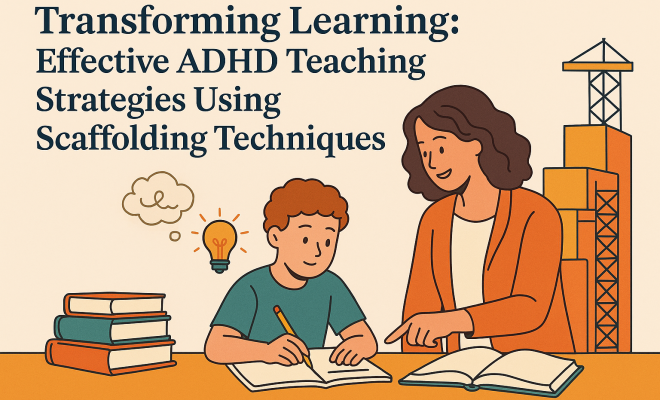
Scaffolding is an instructional method that provides temporary support to students as they develop new skills or concepts. The aim is to gradually remove this support as the student becomes more proficient, allowing them to work independently. Think of scaffolding as a framework that helps students build their understanding step by step.
In its essence, scaffolding involves breaking learning into manageable chunks and providing guidance at each step. This method not only makes challenging content more accessible but also fosters a sense of confidence in learners as they master new skills.
Why Scaffolding Works Well for Students with ADHD
Students with ADHD often struggle with focus, organization, and time management. Scaffolding addresses these challenges by providing structured support that caters to their unique learning profiles. Here are a few reasons why scaffolding is particularly effective for students with ADHD:
- Clear Expectations: Scaffolding sets clear goals and expectations, which can help reduce anxiety and improve focus.
- Incremental Learning: By breaking tasks into smaller, manageable components, students can achieve success in stages, which helps to build their confidence.
- Active Engagement: Scaffolding encourages active participation, allowing students to interact with the material and stay engaged.
- Immediate Feedback: Educators can provide instant feedback during the scaffolding process, helping students correct mistakes and understand concepts in real-time.
Implementing Scaffolding Techniques: Practical Insights
Now that we understand the importance of scaffolding, let’s explore some practical techniques that educators can implement in the classroom to support students with ADHD.
1. Chunking Information
Chunking involves breaking down information into smaller, digestible pieces. For example, instead of assigning a lengthy reading passage, an educator might divide it into sections, providing guiding questions for each chunk. This method allows students to focus on one portion at a time, reducing overwhelm.
2. Visual Aids and Graphic Organizers
Visual aids, such as charts, diagrams, and graphic organizers, can help students with ADHD grasp complex concepts. These tools provide a visual representation of information, making it easier for students to organize their thoughts and understand relationships between ideas.
3. Model Desired Skills
Modeling is an effective way to demonstrate the skills or processes that students need to learn. For instance, if teaching a writing assignment, an educator might think aloud while composing a paragraph to demonstrate the thought process involved in structuring ideas. This not only clarifies expectations but also shows students how to approach their work. (See: CDC ADHD facts and statistics.)
4. Use of Timers and Schedules
For students with ADHD, managing time can be a significant hurdle. Using timers for specific tasks can foster a sense of urgency and keep students focused. Additionally, providing a visual schedule can help students understand what to expect throughout the day, making transitions easier.
Creating a Supportive Learning Environment
A supportive learning environment is crucial for the success of scaffolding techniques. Teachers should create an atmosphere that promotes trust and encourages risk-taking. Here are some strategies to foster such an environment:
- Build Relationships: Developing strong relationships with students helps them feel secure and understood, which is vital for effective learning.
- Encourage Collaboration: Group work can provide peer support, allowing students to learn from one another and share their thought processes.
- Be Flexible: Recognize that students with ADHD may have varying needs and be willing to adapt your approach as necessary.
Scaffolding and Technology: A Powerful Combination
Incorporating technology into scaffolding techniques can further enhance the learning experience for students with ADHD. Various apps and software programs can provide additional support and engagement:
- Interactive Learning Platforms: Tools like Kahoot and Quizlet enable teachers to create interactive quizzes that reinforce learning in an engaging way.
- Organizational Tools: Apps such as Trello or Notion can help students manage tasks and deadlines more effectively.
- Multimedia Resources: Utilizing videos, podcasts, and other multimedia can cater to different learning styles, ensuring that students remain engaged.
Measuring Success with Scaffolding Techniques
To gauge the effectiveness of scaffolding techniques for students with ADHD, educators should regularly assess progress through various methods:
- Formative Assessments: Frequent check-ins, quizzes, and observations can provide immediate feedback and highlight areas needing further support.
- Student Self-Reflection: Encouraging students to reflect on their understanding and challenges can help them take ownership of their learning process.
- Collaboration with Parents: Engaging parents in the assessment process can provide insights into the student’s behavior and learning outside of school.
Challenges and Considerations
While scaffolding is an effective approach for teaching students with ADHD, it’s not without challenges. Educators may face difficulties in finding the right balance of support without fostering dependence. It’s crucial to gradually reduce support as students become more proficient.
Additionally, not all students with ADHD are the same; what works for one student may not work for another. Hence, a differentiation of instruction is key, allowing for personalized support that meets individual needs.
The Future of ADHD Teaching Strategies
As our understanding of ADHD continues to evolve, so too do the teaching strategies available to educators. The rise of personalized learning, inclusive classrooms, and interdisciplinary approaches signify a promising future for students with ADHD. More educators are embracing scaffolding techniques, recognizing their power in fostering independence while supporting diverse learning needs.
To truly transform the educational experience for students with ADHD, it’s essential for educators to remain informed about the latest research and best practices. Continuous professional development and collaboration with specialists can help educators refine their approaches and equip them with the tools necessary to support all students in thriving.
Tips for Educators: Implementing Scaffolding Effectively
Here are some actionable tips for educators looking to incorporate scaffolding techniques into their teaching:
- Start Small: Begin with a manageable task and gradually introduce complexity as students gain confidence.
- Be Patient: Understand that each student progresses at their own pace, and adjust your approach as needed.
- Encourage Questions: Foster an environment where students feel comfortable asking questions, promoting a deeper understanding of the material.
By employing effective ADHD teaching strategies like scaffolding, educators can create a supportive environment that nurtures students with ADHD, helping them to succeed academically and personally.
Additional ADHD Teaching Strategies to Consider
While scaffolding is an essential strategy for students with ADHD, incorporating a variety of approaches can cater to the diverse needs of these learners. Here are some additional ADHD teaching strategies that can complement scaffolding:
1. Positive Behavioral Support
Implementing a system of positive reinforcement can significantly impact student behavior and motivation. Recognizing and rewarding appropriate behaviors, whether through verbal praise or tangible rewards, can encourage students with ADHD to engage more positively in the classroom. Establishing clear rules and consequences can help students understand expectations, making transitions smoother. (See: NIH ADHD overview and resources.)
2. Movement Breaks
For students with ADHD, sitting still for extended periods can be a challenge. Incorporating short movement breaks can improve focus and productivity. Activities like stretching, quick exercises, or even a brief walk can help students reset and return to their tasks with renewed energy and concentration.
3. Differentiated Instruction
Each student with ADHD has unique strengths and weaknesses. Differentiated instruction allows educators to tailor lessons and activities to match individual learning styles. This might include offering various ways to express understanding, such as through art, oral presentations, or written assignments, thus giving students multiple avenues to succeed.
Collaboration and Communication with Parents
Engaging parents in the educational process is vital for the success of students with ADHD. Regular communication with parents can provide educators with insights into a student’s home life and help identify patterns of behavior or areas where additional support may be needed. Collaborative efforts, such as parent-teacher conferences, can foster a team approach to learning, ensuring that both school and home environments promote the same goals for the child.
Expert Perspectives on ADHD Teaching Strategies
Insights from experts in special education can provide valuable guidance for teachers looking to enhance their methods. For instance, Dr. Thomas E. Brown, a renowned psychologist and expert on ADHD, emphasizes the importance of developing executive function skills in students. He advocates for teaching organizational skills and self-regulation techniques to help students manage their tasks more effectively. Understanding how ADHD affects cognitive functions can inform teachers’ approaches, allowing them to implement strategies that target these specific challenges.
Statistics on ADHD in Education
Understanding the prevalence and impact of ADHD in educational settings is crucial for developing effective teaching strategies. Research indicates that:
- ADHD affects approximately 5% of the global population, with a significant percentage found in school settings.
- Students with ADHD are more likely to experience academic challenges, such as lower grades, higher dropout rates, and increased disciplinary actions compared to their peers.
- A meta-analysis of educational interventions for ADHD found that tailored strategies, including scaffolding, significantly improve academic performance and behavior in students with ADHD.
FAQs about ADHD Teaching Strategies
Q: What are some common signs of ADHD in students?
A: Common signs include difficulty paying attention, trouble following instructions, frequent fidgeting, impulsivity, and challenges with organization and time management.
Q: How can I assess whether my scaffolding techniques are effective?
A: Monitor student progress through informal assessments, observe engagement levels, and solicit feedback from students about what strategies they find helpful.
Q: Can I use scaffolding techniques for other learning disabilities?
A: Absolutely! Scaffolding techniques can benefit students with various learning disabilities by providing structured support tailored to their needs.
Q: What role does the classroom environment play in supporting students with ADHD?
A: A well-organized and distraction-free classroom can significantly impact a student’s ability to focus. Consider seating arrangements, noise levels, and accessibility of materials to create a conducive learning environment.
Q: How can I integrate parents into the scaffolding process?
A: Regular communication with parents about their child’s progress, strategies being used, and ways they can support learning at home can create a strong partnership in a child’s education.
Additional Considerations for ADHD Teaching Strategies
When working with students who have ADHD, it’s important to consider a holistic approach that encompasses not just academic strategies but also emotional and social development. Here are some additional considerations that can further enhance teaching strategies for students with ADHD:
1. Social Skills Training
Students with ADHD may struggle with social interactions. Incorporating social skills training into the curriculum can provide students with the tools they need to interact more effectively with peers. Role-playing exercises and group activities can facilitate this learning, allowing students to practice skills in a safe environment.
2. Mindfulness Practices
Mindfulness techniques can help students with ADHD improve focus and self-regulation. Simple practices such as guided breathing exercises, meditation, or mindful movement can be integrated into the school day. These practices promote relaxation and can help students manage impulsivity and anxiety.
3. Structured Routines
Establishing consistent routines can provide a sense of stability for students with ADHD. Predictable schedules reduce uncertainty, helping students to feel more secure. Incorporating visual schedules and reminders can also aid in reinforcing these routines.
4. Encourage Self-Advocacy
Empowering students to understand their learning needs and advocate for themselves is crucial. Teaching students how to communicate their challenges and seek help when needed can foster independence and improve their overall educational experience.
The Role of Professional Development
Continuous professional development is essential for educators working with students with ADHD. Attending workshops, conferences, and training sessions focused on ADHD and special education can equip teachers with updated methods and strategies. Networking with other educators who share similar experiences can also provide valuable insights and support.
Conclusion: A Holistic Approach to Teaching Students with ADHD
Teaching students with ADHD requires a multifaceted approach that combines various effective strategies, including scaffolding, positive reinforcements, and differentiated instruction. By understanding the unique needs of these learners, employing diverse teaching methods, and fostering a supportive learning environment, educators can help students with ADHD achieve their full potential. The journey of teaching students with ADHD is not just about overcoming challenges; it’s about celebrating their strengths and empowering them to succeed.
“`
Trending Now
Frequently Asked Questions
What are effective teaching strategies for students with ADHD?
Effective teaching strategies for students with ADHD include using scaffolding techniques, incorporating hands-on activities, providing clear and concise instructions, and allowing for breaks. These approaches cater to the unique learning needs of ADHD students, helping them stay focused and engaged in their learning process.
How does scaffolding help students with ADHD?
Scaffolding helps students with ADHD by breaking learning into manageable chunks and providing structured support. This method allows students to gradually build their skills and confidence, making challenging content more accessible and reducing feelings of overwhelm.
What is scaffolding in education?
Scaffolding in education is an instructional method that offers temporary support to students as they learn new skills or concepts. The goal is to gradually remove this support as students gain proficiency, promoting independence and deeper understanding.
Why is traditional teaching ineffective for students with ADHD?
Traditional teaching methods may be ineffective for students with ADHD because they often do not account for the unique challenges these students face, such as difficulty focusing and following directions. Innovative strategies like scaffolding can better meet their learning needs.
What are the symptoms of ADHD in students?
Symptoms of ADHD in students include inattention, hyperactivity, and impulsivity. These symptoms can significantly impact their ability to concentrate, follow instructions, and complete assignments, making tailored teaching strategies essential for their success.
Agree or disagree? Drop a comment and tell us what you think.