ADHD & Hand-Eye Coordination: A Crucial Link in Children
“`html
Understanding ADHD: An Overview
Attention Deficit Hyperactivity Disorder (ADHD) is a neurodevelopmental disorder that affects millions of children worldwide. Characterized by symptoms such as inattention, hyperactivity, and impulsivity, ADHD can significantly impact a child’s daily functioning. According to the Centers for Disease Control and Prevention (CDC), around 6 million children in the United States have been diagnosed with ADHD, making it one of the most common childhood disorders.
While the symptoms of ADHD are often well-known, the disorder’s impact on various skill sets, particularly hand-eye coordination, is less frequently discussed. This connection is particularly vital as parents and educators seek to understand the broader implications of ADHD on children’s development and daily activities.
What is Hand-Eye Coordination?
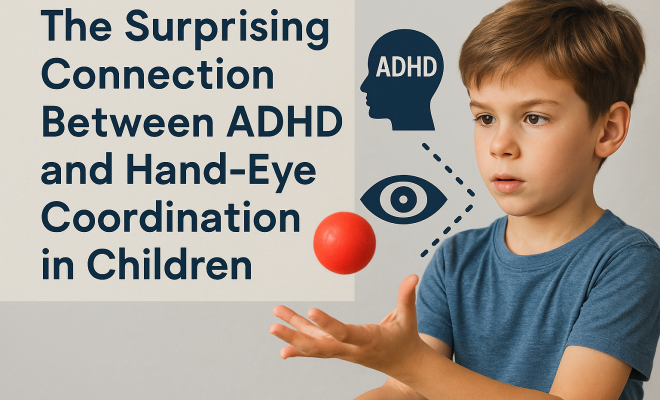
Hand-eye coordination refers to the ability to synchronize visual input with motor actions. It allows individuals to perform tasks that require precise movements, such as writing, playing sports, or even simple activities like catching a ball. A well-developed hand-eye coordination is crucial for academic success, as many classroom activities require the skill.
Children with good hand-eye coordination can typically engage in activities like drawing, typing, or playing video games with relative ease. Conversely, those with poor hand-eye coordination may struggle, leading to frustration and lower self-esteem. For parents, recognizing difficulties in this area can provide crucial insights into their child’s overall development.
The Link Between ADHD and Hand-Eye Coordination
Research has shown a notable correlation between ADHD and challenges in hand-eye coordination. Various studies indicate that children with ADHD often exhibit poorer motor skills compared to their peers. These findings are alarming, as they suggest that the difficulties children with ADHD face aren’t limited to attention and behavior, but extend to motor control as well.
A study published in the journal Neuropsychology Review highlighted that children diagnosed with ADHD were significantly more likely to have impaired motor skills. This impairment can manifest in various ways, including struggling to catch balls, poor handwriting, and difficulties with tasks requiring fine motor skills. Consequently, these children may experience academic challenges, furthering the cycle of frustration and low confidence.
Common Symptoms of Hand-Eye Coordination Issues
Recognizing the symptoms of poor hand-eye coordination in children can be an essential part of early intervention. Some common signs to look out for include:
- Poor handwriting: Children who struggle with holding a pencil or creating legible letters may have coordination issues.
- Struggles with sports: Children may find it hard to catch, throw, or hit a target accurately.
- Difficulty with crafts: Tasks such as cutting with scissors or threading beads may pose a challenge.
- Low self-esteem: Regularly failing at tasks that require coordination can lead to feelings of inadequacy.
Factors Contributing to Poor Hand-Eye Coordination in Children with ADHD
Several factors contribute to the link between ADHD and hand-eye coordination difficulties. These include neurobiological differences, environmental influences, and the impact of ADHD symptoms themselves.
Neurobiological Differences
Children with ADHD often exhibit differences in brain structure and function, particularly in areas responsible for motor control and coordination. Research has shown that individuals with ADHD may have reduced activity in the frontal lobes, which play a significant role in planning and executing motor tasks. This reduction can lead to difficulties in coordinating hand movements with visual input. (See: CDC ADHD facts and statistics.)
Environmental Influences
The environment in which a child grows up can significantly impact their motor skill development. Children with ADHD may often face challenges such as a lack of physical activity or limited opportunities to engage in coordinated play, which can hinder their motor skills’ growth. Furthermore, stressors like familial instability or dysfunction can exacerbate ADHD symptoms, further complicating a child’s ability to develop effective hand-eye coordination.
Impact of ADHD Symptoms
The very symptoms of ADHD can impede a child’s ability to develop hand-eye coordination. For instance, a child who is easily distracted may struggle to focus on tasks requiring fine motor skills. Similarly, impulsivity can lead to hurried movements that are less precise, impacting overall coordination. These challenges create a feedback loop where low coordination skills reinforce symptoms of ADHD, complicating the condition further.
Practical Implications for Parents and Educators
Understanding the connection between ADHD and hand-eye coordination is crucial for parents and educators. By recognizing this link, they can implement strategies to support children in developing these essential skills.
Encouraging Physical Activity
One of the best ways to improve hand-eye coordination is through physical activities that promote motor skills. Parents can encourage their children to engage in sports, dance, or even simple outdoor games. Activities like playing catch, riding a bicycle, or participating in team sports can significantly enhance a child’s coordination over time. These activities not only improve motor skills but also provide social interaction and opportunities to build confidence.
Structured Play and Learning Environments
Incorporating structured play into the child’s routine can also provide opportunities to practice hand-eye coordination. Simple games like Simon Says, building blocks, or puzzles can enhance these skills in a fun and engaging way. In educational settings, teachers can design activities that focus on tasks requiring coordination, such as art projects or science experiments, to help children practice and improve.
Therapeutic Interventions
For some children, professional therapeutic interventions can provide the necessary support to develop hand-eye coordination. Occupational therapy often focuses on enhancing motor skills in children with ADHD. Therapists may use tailored exercises that focus on specific skills, gradually building up the child’s coordination abilities. Parents should consider exploring these options if they notice significant challenges.
Success Stories: Overcoming Coordination Challenges
Many children with ADHD have managed to overcome their hand-eye coordination challenges with the right support and interventions. Success stories often highlight the importance of perseverance and the right strategies in helping children find their footing.
For example, a young boy named Sam, diagnosed with ADHD, struggled with sports and had difficulty writing neatly. After engaging in occupational therapy focused on improving his coordination, coupled with encouragement from his parents to participate in team sports, he saw significant improvement over a year. He gained confidence in his abilities, leading to better academic performance and a newfound love for soccer.
Such stories serve as a reminder that with the right resources and encouragement, children can improve their hand-eye coordination, despite the challenges posed by ADHD. It emphasizes the importance of not underestimating the potential of children with this condition. (See: NIH overview of ADHD causes.)
Expert Perspectives on the ADHD and Coordination Link
Experts in child development and psychology emphasize the need for a holistic approach when dealing with children who have both ADHD and coordination issues. Dr. Emily Carter, a clinical psychologist specializing in ADHD, states, “Understanding the interconnectedness of ADHD symptoms and motor skills is vital. We can better support our children by recognizing these challenges and implementing strategies that address both areas simultaneously.”
Similarly, Dr. Michael Johnson, an occupational therapist, notes, “It’s essential to remember that each child is unique. Tailoring interventions to fit their individual needs is crucial for success. Simple activities at home can make a substantial difference in developing hand-eye coordination.”
Current Research and Future Directions
The research surrounding ADHD and hand-eye coordination is ongoing, with many studies aimed at further understanding the relationship. Current trends suggest a growing interest in the neurodevelopmental aspects of ADHD and how they impact motor skills.
Newer studies are exploring the effectiveness of various interventions on improving hand-eye coordination in children with ADHD. Researchers are also investigating the genetic factors that may link ADHD to coordination challenges, which could pave the way for more targeted approaches in the future.
Strategies for Improving Hand-Eye Coordination at Home
Parents play a crucial role in their child’s development, particularly when it comes to enhancing hand-eye coordination. Here are some hands-on strategies that can be easily integrated into daily life:
- Play Catch: Spending time outside playing catch with a ball can dramatically improve a child’s coordination. Start with larger balls and gradually move to smaller ones as their skills improve.
- Arts and Crafts: Activities that involve cutting, drawing, or painting can enhance fine motor skills. Consider setting up regular craft days to engage your child creatively.
- Board Games: Many board games require players to use their hands for movement and strategy, promoting hand-eye coordination. Simple games like Jenga or operation can be both fun and beneficial.
- Video Games: While screen time should be managed, specific video games that require hand-eye coordination can be beneficial. Look for games that require precise movements and timing.
- Obstacle Courses: Set up simple obstacle courses in the backyard or living room that require running, jumping, or crawling. This can improve overall coordination and balance.
Understanding the Impact of Age and Development
Hand-eye coordination develops at different stages, and understanding these developmental milestones can help in assessing a child’s progress. For instance, infants begin developing basic hand-eye coordination by reaching for objects, while toddlers start practicing more deliberate movements like stacking blocks or throwing balls.
As children grow, their coordination becomes more refined. Fine motor skills, which include hand-eye coordination, typically develop rapidly between ages 3 and 6. If a child shows significant delays in these skills by the time they reach school age, it may warrant further evaluation. Understanding where your child stands developmentally can help in setting realistic goals and expectations.
FAQ: Common Questions about ADHD and Hand-Eye Coordination
What are some activities that can improve hand-eye coordination in children with ADHD?
Activities like throwing and catching balls, playing catch with a partner, engaging in arts and crafts, and playing video games that require precise movements can all be beneficial. Engaging in team sports can also provide social benefits alongside motor skill improvement.
Can hand-eye coordination issues be solely attributed to ADHD?
No, while children with ADHD may experience hand-eye coordination difficulties, it’s essential to recognize that coordination issues can stem from various factors, including developmental disorders, motor skill delays, or even physical disabilities. A comprehensive evaluation by professionals can help determine the underlying causes.
How can schools support children with ADHD in developing hand-eye coordination?
Schools can implement programs that include physical education, adaptive sports, and sensory-friendly activities that focus on motor skill development. Teachers can incorporate activities that require coordination into the curriculum, making learning more engaging for these children.
Is occupational therapy effective for improving coordination in children with ADHD?
Yes, occupational therapy can be highly effective for children with ADHD. Therapists use specialized techniques and exercises to focus on fine and gross motor skills, helping children improve their coordination while providing strategies for managing ADHD symptoms.
How can parents help their child with ADHD improve their self-esteem related to coordination difficulties?
Parents can help by providing positive reinforcement, celebrating small achievements, and encouraging a growth mindset. Setting achievable goals and allowing children to engage in activities they enjoy can foster a sense of accomplishment and build their confidence over time.
Conclusion: A Path Forward
As we deepen our understanding of the link between ADHD and poor hand-eye coordination in children, it becomes clear that awareness is the first step toward better support and intervention. Parents, educators, and therapists must collaborate to create an environment that nurtures the development of these essential skills.
Encouraging active play, providing structured learning opportunities, and seeking professional help when necessary can significantly impact a child’s development. By fostering both attention and coordination, we pave the way for children with ADHD to thrive in all aspects of their lives.
“`
Trending Now
Frequently Asked Questions
What is the connection between ADHD and hand-eye coordination?
Research indicates that children with ADHD often experience challenges in hand-eye coordination, leading to poorer motor skills compared to their peers. This connection highlights the broader implications of ADHD beyond attention and behavior, affecting academic performance and daily activities.
How does ADHD affect children's motor skills?
ADHD can negatively impact children's motor skills, including hand-eye coordination. Many studies have shown that children with ADHD may struggle with tasks requiring precise movements, which can lead to frustration and lower self-esteem in activities like sports or writing.
What are the symptoms of ADHD in children?
Children with ADHD may exhibit symptoms such as inattention, hyperactivity, and impulsivity. These symptoms can significantly affect their daily functioning, including their ability to engage in activities that require coordination and focus.
Why is hand-eye coordination important for children?
Hand-eye coordination is crucial for children as it enables them to perform tasks requiring precise motor actions, such as writing, sports, and other classroom activities. Good coordination can enhance a child's academic success and overall self-esteem.
How can parents help children with ADHD improve hand-eye coordination?
Parents can support children with ADHD by encouraging activities that promote hand-eye coordination, such as sports, arts and crafts, or video games. Providing a supportive environment and understanding their challenges can also help boost their confidence and skill development.
Agree or disagree? Drop a comment and tell us what you think.