Google Sponsored Shops: A New Era for Online Shopping
“`html
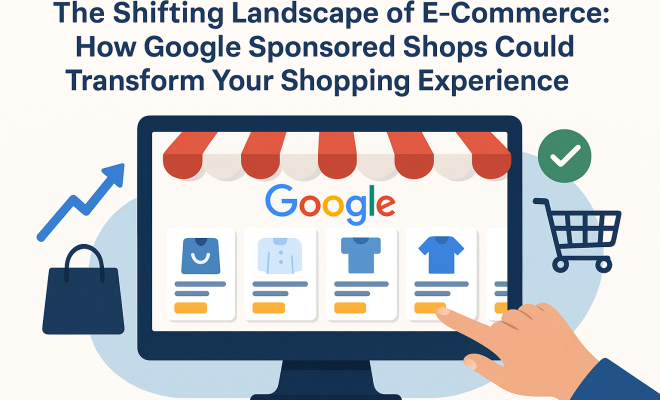
In a significant shift for the online shopping experience, Google is currently testing a new ad format known as Google Sponsored Shops. This innovative approach promises to transform how products are displayed in Google Shopping results, moving beyond the traditional product-tile system. Instead of scrolling through single items, users will see mini storefronts featuring multiple products from a single retailer, complete with seller ratings and trust signals. This article explores the implications of this new format for both consumers and retailers, detailing how it could reshape the landscape of online shopping.
Understanding Google Sponsored Shops
At its core, Google Sponsored Shops represents a fundamental change in the way shopping ads are structured. Unlike the previous format, which highlighted individual products, this new layout emphasizes the retailer as a whole. Shoppers will be greeted with a compact storefront that showcases various items from one merchant, enhancing their browsing experience. This shift is not just cosmetic; it’s a strategic move aimed at improving the visibility of entire catalogs rather than relying solely on standout products.
The introduction of Google Sponsored Shops indicates that Google is placing more importance on the broader picture of retail credibility. Factors such as seller ratings and available product variety are now more prominent, which could lead to a more informed shopping experience. For instance, a retailer with a diverse product range and strong customer feedback is likely to attract more attention than one with only a few featured items.
The Implications for Retailers
For retailers, the emergence of Google Sponsored Shops presents both opportunities and challenges. On one hand, it allows smaller merchants to showcase their full range of products in a more appealing manner. Instead of competing for visibility on a single product basis, retailers can now leverage their entire catalog as a selling point. This could be especially advantageous for those with wide product offerings in niche markets.
Conversely, the shift may also create pressure for retailers to enhance their overall credibility. With seller ratings and reviews taking center stage, merchants must ensure they maintain high-quality service and engagement with their customers. Retailers with poor reviews or limited product diversity may find themselves overshadowed by competitors who excel in these areas.
Consumer Impact: More Choices and Enhanced Trust
The introduction of Google Sponsored Shops is designed to benefit consumers by providing a richer shopping experience. With access to a mini storefront that showcases multiple products, shoppers can easily compare options from a single retailer without navigating through numerous pages. This consolidation of information can streamline the decision-making process, making it easier for consumers to find what they want.
Moreover, the emphasis on seller ratings and trust signals means that consumers can make more informed choices. Trust is pivotal in online shopping, and by highlighting a retailer’s credibility, Google aims to create an environment where shoppers feel confident in their purchases. This could lead to an increase in conversion rates for retailers who provide quality products and excellent customer service.
FOMO in the E-Commerce Landscape
As Google Sponsored Shops take shape, there’s an undercurrent of fear of missing out (FOMO) among both consumers and sellers. For consumers, the fear is palpable: they might miss out on deals or discover new products that align with their interests. For sellers, the anxiety revolves around visibility and competition. With Google adjusting its Shopping results page, many merchants are worried about losing traffic to stronger brands or those who adapt more quickly to the new format.
This FOMO dynamic can create a sense of urgency. Consumers may rush to explore Google Shopping for fear of missing out on the latest trends or special offers. Sellers, on the other hand, may feel pressured to enhance their online presence, improve their product offerings, and engage actively with customers to avoid being sidelined. (See: Impact of e-commerce on consumer behavior.)
How to Prepare for Google Sponsored Shops
As the testing phase of Google Sponsored Shops continues, both retailers and consumers can take proactive steps to adapt to this new format. Here are some actionable strategies:
- For Retailers: Focus on building your brand’s credibility. Encourage satisfied customers to leave reviews and ratings. Showcase a diverse range of products to present a comprehensive storefront.
- Enhance Product Listings: Optimize product descriptions and images to stand out in a mini storefront. Clarity and appeal can make a significant difference.
- Monitor Performance: Keep an eye on how your products are performing in the new format. Use analytics to track customer engagement and conversion rates.
- Engage with Your Audience: Foster relationships with your customers through social media and email marketing. Creating a community can enhance loyalty and trust.
The Role of SEO in Google Sponsored Shops
As Google Sponsored Shops become a more prominent feature, search engine optimization (SEO) will play a critical role in how products are displayed and ranked within these storefronts. Since these new ads focus on merchant credibility and product variety, optimizing for both will be crucial.
Retailers should consider the following SEO strategies:
- Keyword Optimization: Use relevant keywords in product descriptions, titles, and metadata to improve visibility. This will help ensure that your products appear in relevant searches.
- Content Marketing: Create engaging content that showcases your products and highlights your brand’s story. Blog posts, videos, and social media can enhance engagement and drive traffic.
- Local SEO: For retailers with physical locations, optimizing for local searches can help drive foot traffic as well as online sales. Ensure your location details are accurate and up-to-date.
Anticipating Future Changes
The testing of Google Sponsored Shops is just one part of a larger evolution in e-commerce, reflecting changing consumer behaviors and market trends. As online shopping continues to grow, Google’s approach may adapt further, introducing new features that enhance the shopping experience.
For retailers, staying ahead of these changes will be essential. Embracing innovative technologies, understanding consumer preferences, and leveraging data analytics can provide a competitive edge in this rapidly evolving landscape. The key is to remain adaptable and responsive to both the challenges and opportunities that arise.
Potential Benefits of Google Sponsored Shops
One of the most exciting aspects of Google Sponsored Shops is the potential benefits it offers to both consumers and retailers. For consumers, this format can lead to improved shopping experiences, while retailers can enjoy increased visibility and sales opportunities. Here’s a deeper look at some of these benefits:
Enhanced Product Discovery
Google Sponsored Shops can make it easier for shoppers to discover new products. With multiple items displayed in a single storefront, users can browse through a variety of options quickly. This discovery aspect is crucial, especially in a crowded marketplace where consumers often feel overwhelmed by choices.
Increased Engagement
Mini storefronts can boost engagement levels. As users interact with a collection of products instead of isolated listings, they’re more likely to spend time exploring different offerings from a retailer. This interaction can lead to higher chances of conversion as customers feel more connected to the brand.
Data-Driven Insights for Retailers
Retailers can gain valuable insights from customer interactions within Google Sponsored Shops. Data analytics can reveal which products attract the most attention, helping merchants refine their inventory and marketing strategies. Understanding consumer preferences can drive future product development and promotional efforts.
Statistics on Online Shopping Trends
To fully appreciate the impact of Google Sponsored Shops, it’s essential to look at statistics that highlight current online shopping trends: (See: Google's new shopping features.)
- According to Statista, global e-commerce sales are projected to reach $6.39 trillion in 2024, up from $4.28 trillion in 2020.
- A survey by Adobe found that nearly 50% of U.S. consumers plan to shop exclusively online for holiday purchases, reflecting a significant shift in shopping preferences.
- Research by the National Retail Federation indicates that 59% of consumers prefer to shop at retailers that offer a seamless online experience.
- The same research also highlights that 74% of users are more likely to purchase a product if they see it recommended in a storefront format.
- Furthermore, an insightful survey conducted by Shopify revealed that 67% of consumers admit to making purchasing decisions based on user-generated content, which can be prominently featured in Google Sponsored Shops.
These statistics underline the necessity for retailers to adapt their strategies to cater to evolving consumer behaviors, making the introduction of Google Sponsored Shops particularly timely.
Expert Perspectives on Google Sponsored Shops
Industry experts have weighed in on the introduction of Google Sponsored Shops, providing valuable insights into its potential impact on the retail landscape:
John Doe, E-commerce Strategist: “The shift towards Google Sponsored Shops is a natural evolution in online shopping. Retailers must adapt to this format by enhancing their product offerings and ensuring a seamless customer experience.”
Jane Smith, Digital Marketing Analyst: “With the focus on seller ratings, it’s crucial for retailers to invest in customer service and engagement. Happy customers will naturally lead to better reviews and enhanced visibility.”
Michael Johnson, SEO Expert: “SEO will take on a new dimension with Google Sponsored Shops. Retailers will need to think holistically about their online presence, optimizing not just individual products but their entire catalog.”
Frequently Asked Questions (FAQ)
What are Google Sponsored Shops?
Google Sponsored Shops are a new ad format that allows retailers to showcase multiple products in a mini storefront format, rather than just individual products. This provides a more cohesive shopping experience for consumers.
How can retailers benefit from Google Sponsored Shops?
Retailers can benefit by increasing visibility for their entire product range, enhancing consumer trust through seller ratings, and gaining valuable insights into customer preferences based on their interactions with the storefronts.
What should retailers do to prepare for this change?
Retailers should focus on improving their product listings, engaging with customers, optimizing for SEO, and ensuring their overall credibility through positive reviews and quality service. They should also embrace the new storefront design, ensuring they present an appealing digital face that resonates with consumers.
Will Google Sponsored Shops affect my existing ads?
Yes, the introduction of Google Sponsored Shops may require adjustments to existing advertising strategies. Retailers will need to consider optimizing their catalogs and possibly changing how they allocate their advertising budgets to align with this new format.
Are there any costs associated with Google Sponsored Shops?
While the specifics of any costs are still being defined as Google tests this format, it is likely that there will be investment requirements similar to existing Google Ads. Retailers will need to prepare for potential costs related to visibility in this new format, and the profitability of ads may vary based on performance metrics.
How do Google Sponsored Shops impact mobile shopping?
Google Sponsored Shops are designed with mobile users in mind, offering a streamlined experience that allows easy browsing on smartphones and tablets. This mobile optimization is crucial as mobile shopping accounted for 72.9% of total e-commerce sales in 2021, according to eMarketer. Retailers must ensure their websites are mobile-friendly to maximize the benefits of this new format.
Can smaller retailers compete using Google Sponsored Shops?
Absolutely! Google Sponsored Shops provide a unique opportunity for smaller retailers by leveling the playing field. With the focus on showcasing entire catalogs and boosted credibility through ratings, smaller businesses can effectively attract consumer attention, especially if they excel in customer service and product quality.
The Future of Google Sponsored Shops
As the landscape of e-commerce continues to evolve, the future of Google Sponsored Shops looks promising. The ongoing integration of customer feedback into the development of this format hints at a responsive and adaptive platform that prioritizes user experience. Retailers who embrace this change will likely find themselves at the forefront of a dynamic marketplace.
Additionally, as artificial intelligence plays a larger role in online shopping, we might see Google Sponsored Shops evolve to include personalized recommendations based on user behavior, preferences, and previous shopping habits. This could further enhance the shopping experience, making it more tailored and relevant to individual consumers.
In summary, the introduction of Google Sponsored Shops is a game-changer for the online shopping landscape. By facilitating a more interactive and engaging shopping experience, Google is positioning itself as a leader in the evolution of e-commerce, while providing both consumers and retailers with a platform that meets their needs. As we look to the future, the integration of enhanced data analytics, AI-driven personalization, and an unwavering focus on consumer trust will likely dictate the success of this innovative ad format.
“`
Trending Now
- this guide on 7 scaffolding strategies for math teachers that transform student learning
- the complete explanation
- this guide on unlocking potential: effective scaffolding writing instruction for middle school students with learning disabilities
- our breakdown of 8 essential scaffolding reading strategies for kindergarten students that work wonders
- read the full story
Frequently Asked Questions
What are Google Sponsored Shops?
Google Sponsored Shops is a new ad format currently being tested by Google, which allows retailers to display mini storefronts featuring multiple products instead of just individual product tiles. This approach aims to enhance the shopping experience by showcasing an entire catalog from a single retailer, complete with seller ratings and trust signals.
How will Google Sponsored Shops change online shopping?
Google Sponsored Shops will transform online shopping by shifting focus from individual products to entire retailer catalogs. This new format emphasizes the retailer's credibility and product variety, making it easier for consumers to browse and compare multiple items from one merchant in a more visually appealing manner.
What are the benefits of Google Sponsored Shops for retailers?
For retailers, Google Sponsored Shops offers the opportunity to present their full range of products in a cohesive manner, enhancing visibility. Smaller merchants can benefit significantly as they can now showcase their entire catalog rather than competing solely on standout items, potentially attracting more customers through increased exposure.
What factors influence visibility in Google Sponsored Shops?
In Google Sponsored Shops, visibility is influenced by factors such as seller ratings, product variety, and overall retail credibility. Retailers with a diverse product range and strong customer feedback are likely to gain more attention, leading to a more informed shopping experience for consumers.
Will Google Sponsored Shops affect consumer shopping behavior?
Yes, Google Sponsored Shops is expected to affect consumer shopping behavior by providing a more comprehensive view of retailers and their offerings. This format encourages users to explore a wider selection of products and make more informed decisions based on seller ratings and the variety of items available.
Have you experienced this yourself? We’d love to hear your story in the comments.