AI Impersonation Attacks: A New Era of Cyber Threats
“`html
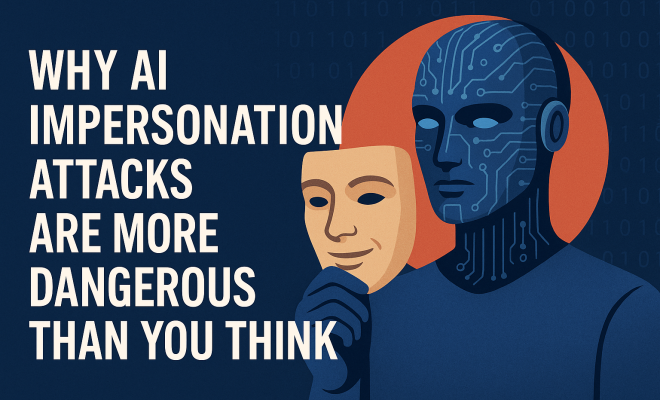
In the digital landscape where technology evolves at lightning speed, the emergence of AI impersonation attacks has raised critical alarms among cybersecurity professionals. These sophisticated attacks are not just an evolution of traditional phishing schemes; they represent a seismic shift in how threats are executed against corporations. As organizations grapple with the implications of artificial intelligence, a pressing question looms large: are companies truly prepared for the challenges posed by this new wave of impersonation tactics?
The Rise of AI Impersonation Attacks
AI impersonation attacks leverage the capabilities of machine learning and natural language processing to convincingly mimic individuals, particularly executives and other high-ranking personnel. This capability allows attackers to infiltrate organizations subtly, making it exceedingly difficult for employees to detect foul play. A recent survey highlights that almost 80% of security leaders believe that their organizations are ill-equipped to tackle the rise of these impersonation threats effectively.
Such attacks are rooted in social engineering, which has been a favored method among cybercriminals for years. However, the ability to replicate a person’s voice, writing style, or even mannerisms through AI adds a chilling layer of complexity. This makes it not only more challenging to identify these frauds but also amplifies the emotional impact on victims—after all, it’s one thing to receive a dubious email, but it’s entirely different to hear your boss’s voice asking for sensitive information.
The Mechanics Behind AI Impersonation
Understanding how AI impersonation attacks are executed is key to appreciating their risk. Cybercriminals gather data through various means—social media, public records, even previous phishing attempts—before employing AI tools to generate convincing impersonations. For instance, voice synthesis technology can recreate an individual’s speech patterns, while text generators can replicate their writing style. The result? A highly convincing email or phone call that could lead to disastrous outcomes like wire fraud or data breaches.
These attacks are not just theoretical; they have already resulted in significant financial losses for numerous companies. A case from 2020 involved a UK-based energy firm that lost $243,000 after a criminal effectively impersonated the CEO using AI-generated voice and email communication. The sophistication of these attacks highlights the need for organizations to stay ahead of the curve in cybersecurity.
The Emotional Impact of Impersonation
One of the most disturbing aspects of AI impersonation attacks is their psychological toll. Traditional phishing scams often rely on generic messages that can be spotted easily. In contrast, AI-driven impersonations are tailored to resonate with the target, making them feel like the request is coming from a trusted colleague. This personalization fosters a sense of urgency and fear of missing out, compelling individuals to act quickly without scrutinizing the request.
This emotional manipulation is particularly effective in corporate environments where employees are accustomed to responding promptly to executive requests. The pressure to comply can lead to significant lapses in judgment, reinforcing the idea that human error remains a critical vulnerability in the face of advanced technology.
Concrete Examples of AI Impersonation Attacks
Several high-profile incidents illustrate the growing threat of AI impersonation attacks. One notable case involved a global company whose management received a fake email from the CEO requesting a transfer of funds to a “vendor”. The email mimicked the CEO’s writing style and was sent at a time when employees were already under pressure to meet deadlines. As a result, a significant sum was transferred before the fraud was discovered.
Another striking example is the rise of deepfake technology. In 2021, a bank in the United Arab Emirates fell victim to a deepfake video that appeared to show its CEO approving a significant financial transaction during a virtual meeting. The authenticity of the video was so convincing that it led to an immediate transfer of funds before the scam was uncovered. These examples present a sobering reminder of how real and immediate the threat has become.
The Financial Implications
According to industry estimates, the financial impact of AI impersonation attacks can be staggering. A report from cybersecurity firm Cybersecurity Ventures projected that cybercrime costs could reach $10.5 trillion annually by 2025. Within this landscape, AI impersonation attacks are likely to be a significant contributor to losses associated with fraud, theft, and data breaches. Organizations need to understand that the implications of a successful impersonation attack can extend beyond immediate financial losses to include reputational damage and legal liabilities.
The cascading effects of these attacks can leave businesses struggling to regain customer trust and confidence, further complicating recovery efforts. Companies must recognize that investing in cybersecurity is not merely a cost; it’s a necessary measure to safeguard against potentially crippling financial repercussions. (See: CDC Cybersecurity Information.)
Preparing for AI Impersonation Attacks
Despite the alarming trends, organizations can take proactive steps to bolster their defenses against AI impersonation attacks. A multi-faceted approach is critical. Here’s how businesses can enhance their preparedness:
- Invest in Employee Training: Regular training sessions focusing on cybersecurity awareness can equip employees with the knowledge to recognize potential impersonation threats. These sessions should cover the latest tactics used by cybercriminals and provide employees with scenarios to practice their response.
- Implement Robust Authentication Processes: Multi-factor authentication (MFA) can serve as a powerful deterrent against impersonation attacks. By requiring additional verification steps, organizations can significantly reduce the risk of unauthorized access.
- Utilize AI-Based Detection Tools: Ironically, AI can also be leveraged to combat AI impersonation attacks. Advanced detection systems can analyze communication patterns and flag anomalies that suggest impersonation attempts.
- Establish Clear Protocols for Sensitive Requests: Companies should create standardized protocols for financial transactions and sensitive data requests. Employees need to be trained to verify requests through alternative channels, especially if they come from high-ranking personnel.
The Role of Technology in Mitigating Risks
As the landscape of cyber threats evolves, so too must the technologies designed to counter them. Innovations in machine learning and AI can play a vital role in identifying and mitigating impersonation attacks. For example, natural language processing can analyze communication styles to flag discrepancies that may indicate fraud. Similarly, advancements in voice recognition technology can help verify identities in real-time, providing an additional layer of security.
Moreover, organizations should consider collaborating with cybersecurity firms specializing in AI-driven defense mechanisms. These partnerships can enhance threat detection capabilities, ensuring that businesses remain vigilant against emerging impersonation tactics.
The Importance of a Cybersecurity Culture
A strong cybersecurity culture is essential for organizations to effectively combat AI impersonation attacks. Leadership must prioritize cybersecurity as a core value rather than a mere obligation. This commitment can be conveyed through consistent messaging about the importance of vigilance and responsibility regarding security.
Open communication within the organization can foster a sense of collective responsibility when it comes to protecting sensitive information. Encouraging employees to report suspicious activities without fear of repercussions can also cultivate a proactive approach to cybersecurity.
Looking Ahead: The Future of Cybersecurity
The rapid pace of technological advancement means that organizations must remain agile in their cybersecurity strategies. The rise of AI impersonation attacks signifies a fundamental shift, requiring businesses to adapt to new realities. As AI technologies continue to evolve, so will the tactics employed by cybercriminals.
In this landscape, companies that prioritize innovation and proactive measures will be better equipped to weather the storm of impersonation attacks. Embracing a mindset of continuous improvement in security practices, including regular assessments and updates to protocols, is key to staying one step ahead of potential threats.
AI Impersonation Attacks: An Expanding Threat Landscape
The implications of AI impersonation attacks extend beyond just financial losses. As these attacks grow, they threaten the very fabric of trust within organizations and between businesses and their clients. The challenge is compounded by the increasing accessibility of AI tools, which allows not just skilled hackers but also less experienced cybercriminals to execute sophisticated impersonation attacks.
For instance, a simple search reveals numerous AI tools available for free or at low cost that can generate fake emails, produce deepfake videos, or synthesize voices. This democratization of powerful technology means that even small-time criminals can leverage sophisticated tactics that were previously only available to advanced hackers.
In a recent analysis, it was found that the number of reported impersonation attacks had risen by over 200% in the past two years alone. This trend is alarming, and it indicates a growing sophistication in the techniques employed by criminals. Organizations need to be aware of this expanding threat landscape and allocate appropriate resources for prevention and response strategies.
Comparative Analysis: Traditional vs. AI Impersonation Attacks
Understanding the key differences between traditional impersonation attacks and those powered by AI is crucial for developing an effective defense strategy. Traditional impersonation attacks typically relied on static information: a name, a title, and perhaps some publicly available data. Criminals would often use this information to craft generic phishing emails that could be spotted with some diligence.
AI impersonation attacks, on the other hand, utilize dynamic data and advanced algorithms to create personalized messages that are contextually relevant. For example, an AI attacker might analyze social media interactions to determine the best time to send a fake request or the specific terminology that a target prefers. This level of personalization increases the likelihood that the attack will succeed. (See: New York Times on AI Impersonation Attacks.)
Additionally, the emotional manipulation involved in AI impersonation attacks is often more profound. By closely mimicking an individual’s communication style and behavior, these attacks can create a sense of urgency and authority that traditional methods simply can’t replicate. This makes recognizing and thwarting these attacks far more difficult. There’s a fuller look at unseen forces in cybersecurity.
Expert Perspectives on AI Impersonation Attacks
Experts in the fields of cybersecurity and AI technology emphasize the urgent need for organizations to adapt to the changing landscape of cyber threats. Dr. Lisa J. Harris, a leading cybersecurity analyst, states, “The sophistication of AI impersonation attacks requires organizations to not only invest in technology but also in education. Employees need to understand that the threat is real and evolving.”
Moreover, Dr. Harris highlights the necessity of cross-departmental collaboration in combating these threats, emphasizing that cybersecurity should not be the sole responsibility of the IT department but rather a shared concern across all business functions.
Another expert, Professor Mark L. Thompson of Cybersecurity Studies, points out that prevention is more effective than reaction. He suggests that organizations should invest in not just the latest technologies, but also in building a culture where employees feel empowered to question requests for sensitive information, regardless of the source.
Frequently Asked Questions (FAQ)
What are AI impersonation attacks?
AI impersonation attacks are cyber threats that utilize artificial intelligence to mimic the voice, writing style, or behavior of individuals, often targeting high-ranking personnel within organizations. These attacks are designed to deceive employees into providing sensitive information or transferring funds.
How do AI impersonation attacks differ from traditional phishing scams?
While traditional phishing scams rely on generic messages and static impersonation tactics, AI impersonation attacks use advanced algorithms and machine learning to create highly personalized and contextually relevant messages that are difficult to detect.
What can organizations do to prevent AI impersonation attacks?
Organizations can take several steps to prevent AI impersonation attacks, including investing in employee training, implementing robust authentication processes, utilizing AI-based detection tools, and establishing clear protocols for sensitive requests.
How prevalent are AI impersonation attacks?
AI impersonation attacks have been rapidly increasing, with a reported rise of over 200% in the past two years. This trend highlights the need for organizations to be vigilant and proactive in their cybersecurity strategies.
Can AI be used to combat AI impersonation attacks?
Yes, AI can serve as a powerful tool in combating impersonation attacks. Advanced detection systems can analyze communication patterns and flag unusual behaviors that may indicate an impersonation attempt.
Case Studies: Learning from Real-World Attacks
Examining case studies of AI impersonation attacks helps organizations understand the tactics employed by cybercriminals and the effectiveness of different defense mechanisms. One case involved a major healthcare provider that faced an AI impersonation attack targeting their payroll department. The fraudster impersonated the CFO using voice synthesis technology to convince the payroll manager to process a large payment. By analyzing this incident, the organization underscored the importance of verifying requests through multiple channels before executing transactions. (See: Scientific Study on AI and Cybersecurity.)
In another instance, a well-known tech company fell victim to a sophisticated email impersonation attack that resulted in the unauthorized access of sensitive customer data. The attackers utilized AI to generate emails that appeared to be from a trusted vendor. Upon reflection, the company implemented a stricter verification process for vendor communications, including mandatory dual confirmation through phone calls or video meetings for any sensitive transactions.
The Role of Regulatory Frameworks
As AI impersonation attacks become more prevalent, the necessity for regulatory frameworks aimed at enhancing cybersecurity practices is becoming critical. Regulatory bodies worldwide are recognizing the need to establish guidelines and standards for organizations to follow in securing their systems against impersonation attacks.
For example, the General Data Protection Regulation (GDPR) in Europe mandates strict data protection measures and has implications for how organizations handle sensitive information. Compliance with such regulations not only helps organizations avoid hefty fines but also fortifies their defenses against impersonation attacks. As regulations evolve, organizations must stay updated and ensure compliance to mitigate risks effectively.
Emerging Technologies in Defense Against AI Impersonation Attacks
Innovations in technology are crucial in the fight against AI impersonation attacks. Companies are investing in emerging technologies such as blockchain, which can provide immutable records of transactions and communications, thereby making it difficult for attackers to manipulate data without detection. Blockchain technology can enhance transparency and trust in transactions, which is vital in an environment rife with impersonation risks.
Additionally, biometric security measures are gaining traction. Technologies such as fingerprint scanning, facial recognition, and voice biometrics can serve as powerful authentication methods that add layers of security against impersonation attacks. By requiring physical attributes that are unique to individuals, organizations can minimize the chances of unauthorized access.
Best Practices for Organizations
To effectively combat the threat of AI impersonation attacks, organizations should adopt the following best practices:
- Regular Risk Assessments: Conduct frequent assessments of vulnerabilities in your organization’s cybersecurity posture. This proactive approach can help identify potential weaknesses before they are exploited.
- Incident Response Plans: Develop and maintain a comprehensive incident response plan tailored specifically for AI impersonation attacks. This plan should outline clear protocols for detecting, responding to, and recovering from an incident.
- Security Audits: Schedule regular audits of cybersecurity measures and protocols to ensure they remain effective in the face of evolving threats. These audits can help organizations identify areas for improvement.
- Collaboration and Information Sharing: Engage in information sharing with other organizations and industry groups to stay informed about the latest threats and best practices in combating AI impersonation attacks.
Final Thoughts
While the threat posed by AI impersonation attacks is undoubtedly serious, it is not insurmountable. Organizations that recognize the importance of cybersecurity and take proactive steps to bolster their defenses can significantly reduce their vulnerability to these sophisticated attacks. The challenge lies in remaining vigilant and adaptive in an increasingly complex digital world. As we move forward, the imperative for collective awareness and responsibility in safeguarding sensitive information has never been clearer. The question remains: will your organization rise to the challenge?
“`
Trending Now
Frequently Asked Questions
What are AI impersonation attacks?
AI impersonation attacks involve cybercriminals using artificial intelligence technologies, such as machine learning and natural language processing, to convincingly mimic individuals, particularly executives. This allows attackers to infiltrate organizations and execute fraudulent activities, making detection difficult.
How do AI impersonation attacks work?
These attacks typically involve gathering data from social media, public records, and previous phishing attempts. Cybercriminals then use AI tools to create realistic impersonations, including voice synthesis technology to replicate the speech patterns of targeted individuals.
Why are AI impersonation attacks considered dangerous?
AI impersonation attacks are dangerous due to their sophistication and ability to exploit trust. They can convincingly mimic familiar voices or communication styles, making it challenging for victims to identify fraud, which can lead to significant security breaches within organizations.
Are companies prepared for AI impersonation threats?
Many companies are not adequately prepared for AI impersonation threats. A recent survey revealed that nearly 80% of security leaders believe their organizations lack the necessary defenses to effectively combat these sophisticated impersonation tactics.
What is the emotional impact of AI impersonation attacks?
The emotional impact of AI impersonation attacks can be profound, as victims may feel betrayed or violated when they receive communication that appears to come from trusted sources, such as their boss. This heightened emotional response can complicate the identification and reporting of such attacks.
What’s your take on this? Share your thoughts in the comments below — we read every one.