How Scaffolding Executive Function Can Transform Learning for Kids
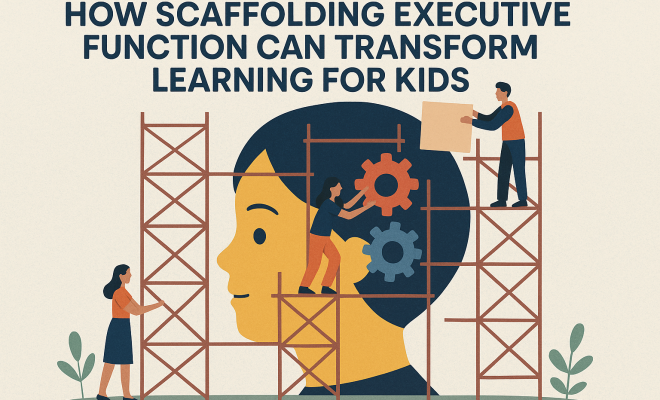
“`html
When it comes to nurturing a child’s cognitive development, executive function plays a crucial role. It encompasses skills like working memory, flexible thinking, and self-control, all of which are essential for academic success and everyday functioning. Yet, many children struggle with these skills, leading educators and parents to explore innovative strategies to support their growth. One such strategy is the concept of scaffolding executive function. This article will explore how scaffolding can effectively aid in developing these vital skills, offering insights, practical applications, and current relevance.
Understanding Executive Function
Before diving into scaffolding, it’s essential to grasp what executive function encompasses. Executive function refers to a set of higher-level cognitive processes that help individuals manage their thoughts, emotions, and actions. Think of it as the brain’s control center, helping us plan, focus attention, remember instructions, and juggle multiple tasks.
According to research from the Center on the Developing Child at Harvard University, executive function skills develop significantly during early childhood and continue to evolve into adolescence. These skills are not innate; they can be developed and strengthened through practice and support. Children with strong executive function abilities often show improved academic performance, better social skills, and enhanced emotional regulation.
The Role of Scaffolding in Learning
Scaffolding, an educational technique introduced by psychologist Jerome Bruner, involves providing structured support to learners as they acquire new skills or knowledge. This approach is grounded in the idea of the zone of proximal development (ZPD), which was developed by Russian psychologist Lev Vygotsky. The ZPD refers to the difference between what a learner can do independently and what they can achieve with guidance from a more knowledgeable person.
In the context of executive function, scaffolding can provide the necessary support that allows children to gradually gain independence in their thinking and self-regulation skills. By breaking down tasks into manageable components and providing tailored assistance, educators and parents can help children develop confidence in their abilities and enhance their executive function.
Key Elements of Scaffolding Executive Function
To effectively scaffold executive function, several key elements can be implemented:
- Modeling: Demonstrating how to approach tasks reinforces learning. Think aloud while solving a problem to guide children through the thought process.
- Prompting: Use questions or cues to encourage children to think critically and problem-solve independently.
- Chunking: Break complex tasks into smaller, more manageable steps. This reduces overwhelm and helps children focus.
- Feedback: Provide constructive feedback that focuses on effort and improvement, encouraging a growth mindset.
- Gradual Release: Start with high levels of support and slowly decrease as the child becomes more proficient in the skill.
Practical Strategies for Scaffolding Executive Function Skills
Now that we understand the foundational elements of scaffolding, let’s explore some practical strategies to apply these concepts in real-world settings.
1. Visual Aids and Tools
Visual aids can be incredibly beneficial for children developing executive function skills. Tools like graphic organizers, checklists, and visual schedules can help structure tasks and enhance understanding. For instance, using a visual schedule can assist children in managing transitions throughout the day, reducing anxiety and increasing their ability to self-regulate.
2. Interactive Games and Activities
Engaging children in games that target executive function skills can make learning enjoyable and effective. Games like “Simon Says” enhance self-control and working memory, while activities like board games can promote flexible thinking and strategic planning. These games serve as a fun way to practice and reinforce skills in a low-pressure environment.
3. Mindfulness Practices
Incorporating mindfulness practices can significantly boost executive function development. Techniques such as deep breathing, meditation, and yoga can help children improve their self-regulation and focus. Schools and parents can introduce short mindfulness exercises during the day to help children center themselves, making them better equipped to handle challenges.
4. Collaborative Learning Opportunities
Fostering collaboration among peers can provide valuable scaffolding for executive function skills. Group projects, peer tutoring, or even simple study groups encourage children to communicate, plan, and problem-solve together. This social interaction not only supports the development of these cognitive skills but also builds essential social skills. (See: Harvard University Center on the Developing Child.)
The Importance of Individualization
Every child is unique, and their executive function development will vary. Therefore, scaffolding should be individualized to meet the specific needs of each child. Educators and parents must assess each child’s strengths and weaknesses, tailoring their approaches accordingly. For instance, some children may require more support with working memory, while others may need help with impulse control.
Ongoing observations and assessments can inform how to adjust scaffolding strategies. Tools such as executive function assessments or behavioral checklists can provide insights into a child’s progress, helping to refine the support offered. Ultimately, the goal is to empower children to become self-sufficient learners capable of managing their executive function independently.
Current Relevance of Scaffolding Executive Function
In recent years, the relevance of scaffolding executive function has become increasingly pronounced. With the rise of remote learning and virtual classrooms, the challenges faced by students have evolved. Children are navigating new learning environments, which may exacerbate executive function difficulties. Scaffolding can provide the much-needed support they require in these unfamiliar settings.
Additionally, the ongoing conversation around mental health and well-being in education emphasizes the importance of self-regulation and emotional control. By implementing scaffolding strategies that bolster executive function, educators can promote resilience and adaptability in their students — skills that are more critical than ever in today’s fast-paced world.
Research Supporting Scaffolding Strategies
A wealth of research supports the effectiveness of scaffolding in enhancing executive function skills. For example, a study published in the journal Child Development found that children who received structured support during problem-solving tasks demonstrated significant improvements in their executive function abilities compared to those who did not receive such support.
Moreover, a comprehensive review of literature by researchers at the University of Michigan highlighted the long-term benefits of scaffolding in early childhood education. The findings suggest that early interventions targeting executive function through scaffolding can lead to sustained improvements in academic achievement and social-emotional development.
Challenges and Considerations
While scaffolding executive function offers numerous benefits, it’s not without its challenges. One significant concern is the risk of providing too much support, which can hinder a child’s ability to develop independence. Striking the right balance is key; educators and parents must be careful not to remove opportunities for children to practice skills autonomously.
Additionally, some children may require more time and practice than others to develop these skills. Patience and persistence are essential. Celebrating small victories and encouraging a growth mindset can help children stay motivated throughout their learning journey.
Further Insights into Scaffolding Executive Function
To truly understand the potential of scaffolding executive function, we need to consider its broader implications. The integration of executive function skills into everyday learning not only enhances academic performance but also prepares children for real-world challenges. These skills often translate into various life scenarios, from managing personal responsibilities to navigating social relationships.
Real-World Applications of Scaffolding
Real-world applications of scaffolding executive function can be seen in various contexts. For example, in a classroom setting, teachers may use project-based learning to scaffold executive function. Students might be tasked with planning a community event, requiring them to organize, collaborate, and execute their ideas while adhering to timelines. This not only reinforces their executive function skills but also offers them a practical experience in project management.
Similarly, at home, parents can create opportunities for children to practice these skills through everyday tasks. Allowing children to help with grocery lists, budgeting for family outings, or chore management teaches them to prioritize and plan — essential elements of executive function. When children engage in these activities, they learn to navigate complex decisions and develop critical thinking skills in a supportive environment.
Case Studies and Success Stories
Highlighting case studies can further demonstrate the effectiveness of scaffolding executive function. One notable example comes from a school district that implemented a comprehensive scaffolding program emphasizing executive function. Over a three-year period, students in the program showed marked advancements in both academic performance and behavioral regulation, significantly reducing classroom disruptions and improving peer relationships.
Another inspiring case involves a child diagnosed with ADHD who struggled with impulsivity and organization. Through the use of scaffolding strategies, including visual schedules and structured routines, the child gradually developed the ability to manage homework assignments and maintain focus. This transformation not only improved academic performance but also built the child’s self-esteem, showcasing the powerful impact of scaffolding on executive function development. (See: National Institutes of Health on learning and development.)
Expert Perspectives on Scaffolding
Insights from experts in education and child psychology can provide valuable context for understanding scaffolding executive function. Dr. Adele Diamond, a leading researcher in the field, emphasizes that executive function is essential for achieving success in life. She argues that nurturing these skills through scaffolding can significantly impact a child’s long-term trajectory, equipping them with the tools they need to navigate both academic and personal challenges effectively.
Additionally, Dr. Stephen P. Hinshaw, a prominent psychologist, notes that the scaffolding approach not only supports academic learning but also encourages social-emotional growth. He highlights that children who learn to manage their executive function skills develop resilience and adaptability, traits crucial for thriving in an ever-changing environment.
Frequently Asked Questions about Scaffolding Executive Function
1. What are the key benefits of scaffolding executive function?
The primary benefits include enhanced self-regulation, improved academic performance, better emotional control, and stronger social skills. Scaffolding provides children with the support they need to develop these critical skills gradually.
2. How can parents implement scaffolding at home?
Parents can use visual aids like schedules or checklists, engage children in collaborative tasks, and model problem-solving strategies during everyday situations. These approaches help children practice and reinforce their executive function skills.
3. Are there specific age groups that benefit most from scaffolding executive function?
While scaffolding can benefit children of all ages, it is particularly effective during early childhood and adolescence when executive function skills are still developing. However, adaptations can be made for older children and teenagers to suit their unique needs.
4. Can scaffolding executive function help with behavioral issues?
Yes, scaffolding can positively impact behavioral issues by teaching children self-regulation and impulse control. When children learn to manage their executive function skills, they often exhibit improved behavior in various settings.
5. What resources are available for educators implementing scaffolding?
Educators can find numerous resources online, including training programs, workshops, and literature on effective scaffolding strategies. Organizations focused on child development often provide valuable materials and guidance for teachers looking to enhance their classroom practices.
Real-Life Examples of Scaffolding in Action
Understanding how scaffolding executive function works in practical settings can offer inspiration for effective implementation. Here are a few real-life examples:
Example 1: A Classroom Setting
In a third-grade classroom, a teacher noticed that students struggled with completing multi-step math problems. To address this, she introduced a structured approach. First, she modeled how to break down a problem into smaller parts, emphasizing the importance of reading each question carefully. Then, she provided graphic organizers that allowed students to map out their thought processes visually. Over the weeks, the teacher gradually reduced her support as the students became more adept at organizing their work and solving problems independently.
Example 2: Family Routines
A mother observed that her son often forgot his homework and struggled to keep track of his assignments. To scaffold his executive function, she implemented a nightly routine. They created a shared checklist that included tasks like packing his backpack, checking his planner for homework assignments, and laying out clothes for the next day. This routine not only improved his organizational skills but also fostered a sense of responsibility and independence.
Example 3: After-School Programs
After-school programs aimed at middle school students often integrate scaffolding strategies to enhance executive function. For instance, a program might involve students in a project that entails planning a community service event. They learn to set goals, delegate tasks, and manage time while receiving guidance from educators who model decision-making skills and provide structured feedback. This hands-on experience not only develops executive function but also encourages civic engagement.
Common Misconceptions about Scaffolding Executive Function
In discussing scaffolding executive function, several misconceptions often arise that can hinder its effective application.
Misconception 1: Scaffolding Equals Hand-Holding
One of the most common misconceptions is that scaffolding means providing constant support, inhibiting a child’s ability to learn independently. In reality, effective scaffolding is about strategically providing support when needed and gradually withdrawing that support as the child gains confidence and skills.
Misconception 2: Scaffolding Only Applies in Academic Settings
Another misconception is that scaffolding is limited to academic learning. However, scaffolding executive function is applicable in various life situations, including home environments and social interactions. Whether it’s managing chores or navigating friendships, the principles of scaffolding can foster important skills beyond the classroom.
Misconception 3: It’s Only for Children with Learning Disabilities
Some believe that scaffolding is only necessary for children with specific learning disabilities. In truth, all children can benefit from scaffolding strategies, as executive function skills are essential for everyone, regardless of their learning profile. By adopting these strategies universally, we can create a more supportive learning environment for all students.
The Future of Scaffolding Executive Function
As education continues to evolve, the strategies for scaffolding executive function will likely adapt as well. With the advent of technology, innovative tools such as apps and online platforms are emerging, offering new ways to provide support. These resources can enable personalized learning experiences that cater to individual needs, making scaffolding even more effective.
Additionally, increased awareness of mental health and well-being in education underscores the need for robust executive function skills. As schools and parents continue to prioritize these skills, the integration of scaffolding strategies will become a cornerstone of educational practices, equipping children with the tools necessary for success in an increasingly complex world.
Conclusion: The Path Forward
Scaffolding executive function is not just a teaching strategy; it’s a vital framework for nurturing the cognitive skills that empower children to thrive academically and socially. By incorporating tailored strategies into daily interactions, educators and parents can help children develop the self-regulation, working memory, and flexibility crucial for success.
As we continue to understand the importance of executive function in child development, it’s clear that scaffolding can make a meaningful difference. The journey towards fostering these skills is ongoing, and with the right support, children can become confident, capable learners ready to tackle life’s challenges.
“`
Trending Now
- 7 Scaffolding Strategies for Math Teachers…
- 10 Proven Strategies for Scaffolding Learning for Students with IEPs
- this guide on unlocking potential: effective scaffolding writing instruction for middle school students with learning disabilities
- read the full story
- this guide on unlocking learning: how scaffolding and the zone of proximal development can transform education
Frequently Asked Questions
What is executive function in children?
Executive function refers to a set of higher-level cognitive processes that help children manage their thoughts, emotions, and actions. It includes skills like working memory, flexible thinking, and self-control, which are essential for academic success and everyday functioning.
How can scaffolding improve executive function?
Scaffolding involves providing structured support to learners, enabling them to acquire new skills more effectively. By offering guidance within a child's zone of proximal development, educators and parents can help strengthen executive function skills, leading to better academic performance and social skills.
What are examples of scaffolding techniques?
Examples of scaffolding techniques include breaking tasks into smaller steps, using visual aids, providing prompts and cues, and modeling problem-solving strategies. These methods help children gradually gain independence while developing their executive function skills.
Why is executive function important for learning?
Executive function is crucial for learning as it underpins essential skills such as planning, attention control, and task management. Children with strong executive function abilities tend to perform better academically, maintain focus, and exhibit improved emotional regulation.
At what age do executive function skills develop?
Executive function skills begin to develop significantly during early childhood and continue to evolve into adolescence. These skills can be nurtured and enhanced through practice and support from parents and educators at various stages of a child's development.
What’s your take on this? Share your thoughts in the comments below — we read every one.