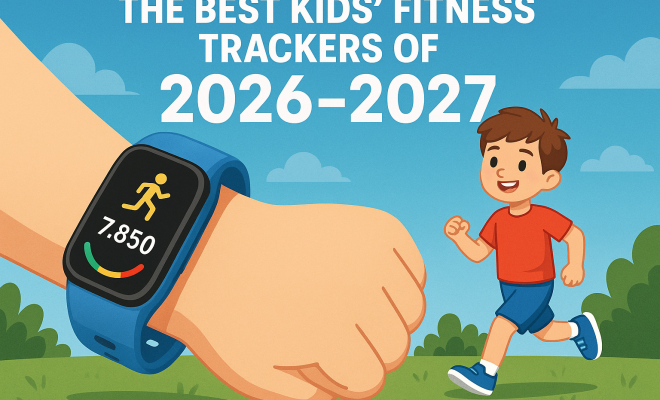
The Best Kids’ Fitness Trackers of 2026 – 2027
“`html
As technology evolves, so does the way we encourage healthy habits in our children. One of the most exciting innovations in 2026 is the rise of kids fitness trackers, designed specifically for young users. These devices not only promote physical activity but also help instill healthy habits from an early age. In this article, we’ll explore the best kids fitness trackers of 2026 – 2027, detailing their features, benefits, and what makes them stand out in a crowded market.
1. Garmin Bounce: A Stylish and Functional Choice
Garmin has always been a frontrunner in the fitness tracking industry, and their 2026 release, the Garmin Bounce, is no exception. Designed for children aged 6-12, this tracker combines fun with functionality. One of its standout features is the ability to track activity, sleep, and even nutrition, making it a well-rounded choice for young users.
The Garmin Bounce comes with a vibrant color touchscreen and customizable watch faces, which kids love. Additionally, it features a built-in communication tool that allows kids to send texts to pre-approved contacts, giving parents peace of mind. It also includes a fun rewards system, motivating kids to reach their daily activity goals, whether that’s steps, active minutes, or sleep. The overall design is durable, which is essential for the rough-and-tumble lifestyle of kids.
2. Fitbit Ace 4: A Comprehensive Activity Monitor
Fitbit has solidified its reputation in the fitness tracker market, and the Ace 4 is tailored specifically for children ages 6 and up. This tracker not only monitors daily activities like steps and active minutes but also includes features that promote healthy sleep habits by tracking sleep quality and duration.
In 2026, the Ace 4 introduced an even more user-friendly interface, making it easier for kids to navigate their stats and achievements. The tracker also offers challenges that kids can join, encouraging them to compete with friends or family. Additionally, parents can access the Fitbit app to monitor their child’s progress, making it a great tool for fostering healthy competition and collaboration at home.
3. Apple Watch SE (2026): More Than Just a Fitness Tracker
For families already embedded in the Apple ecosystem, the Apple Watch SE of 2026 serves as an impressive fitness tracker for kids aged 10 and older. While it offers all the features expected from a fitness tracker, like heart rate monitoring and activity tracking, it goes beyond that with a range of smart features.
Parents can use the Family Setup feature, allowing them to manage their kids’ watches from their own iPhone. This feature enables location tracking and the ability to communicate via calls and messages. In addition, the Apple Watch SE comes with a plethora of apps available for download, allowing kids to stay engaged with educational and fun activities while monitoring their health simultaneously. The seamless integration with Apple’s Health app makes it a top contender for tech-savvy families looking to promote fitness in their children.
4. Kidizoom Smartwatch DX3: Fun Meets Learning
The VTech Kidizoom Smartwatch DX3 is not just a fitness tracker; it’s a multifunctional smartwatch aimed at kids aged 4-12. In 2026, this device has become increasingly popular for its playful design and educational features. Kids can track their activities and enjoy various games and learning apps.
This smartwatch includes a camera, allowing kids to snap photos and videos, which they can then edit with fun filters. The Kidizoom also features an activity tracker that encourages kids to engage in physical activities through fun challenges. The user-friendly interface and colorful touchscreen make it an appealing option for younger children, promoting fitness through play and exploration.
5. Xiaomi Mi Band 7 Kids: Affordable and Functional
Xiaomi’s Mi Band 7 Kids is an affordable option that doesn’t skimp on features. Launched in 2026, this fitness tracker is designed for children aged 5 and older, making it an excellent choice for parents seeking value without compromising on quality. The Mi Band 7 Kids tracks steps, heart rate, and sleep, providing comprehensive data to help families monitor their child’s health.
One of the unique features of the Mi Band 7 Kids is its long battery life, lasting up to 20 days on a single charge. The device is also water-resistant, which is a crucial feature for active kids who love to swim or play outside. With customizable bands and watch faces, it allows kids to express their individuality while encouraging them to stay active. (See: CDC on children's physical activity.)
6. Samsung Galaxy Fit 2: For the Tech-Savvy Family
The Samsung Galaxy Fit 2 is another excellent option for kids aged 8 and older. This tracker, released in 2026, emphasizes activity tracking with features that monitor heart rate, sleep, and stress levels. It’s a perfect blend of fitness tracking and smart technology, ideal for kids who are a bit older and might enjoy a more advanced device.
One of the Fit 2’s most compelling features is its integration with the Samsung Health app, providing parents with an easy way to keep tabs on their child’s activity levels. The device is lightweight and has a sleek design, making it comfortable for all-day wear. With alerts for calls and messages, it keeps kids connected while promoting a healthy, active lifestyle.
7. LeapFrog LeapBand: Encouraging Active Play
Designed for younger kids aged 4-7, the LeapFrog LeapBand is an engaging fitness tracker that promotes physical activity through interactive play. Launched in 2026, it’s particularly known for its ability to gamify fitness. Kids earn virtual rewards for participating in various activities, such as jumping or running.
The LeapBand features various challenges and games, encouraging kids to stay active while having fun. Parents can customize the activities and track their child’s progress through the LeapFrog app. The device is colorful and designed to withstand rough handling, making it perfect for younger children who are just beginning their fitness journey. It’s an excellent way to introduce kids to the concept of active living.
8. Choosing the Right Tracker: Factors to Consider
When selecting the best kids fitness trackers for 2026, several factors should guide your decision-making process. Firstly, consider the age of your child. Some devices are tailored for younger kids, while others are better suited for teens. Secondly, think about the features that matter most to you and your child.
Durability is also key; kids can be rough on their belongings. Look for trackers that are water-resistant and built with robust materials. Lastly, consider the price point. Many options are available at varying price ranges, so it’s essential to find a balance between quality and affordability. By considering these factors, you can ensure that the fitness tracker you choose will meet your child’s needs and encourage a healthy lifestyle.
9. The Future of Kids Fitness Trackers: What’s Next?
As we move further into 2027, the kids fitness tracker market is set to continue evolving. With advancements in technology, we can expect even more innovative features that will make these devices more interactive and engaging. Future models may incorporate more sophisticated health monitoring capabilities, such as stress tracking and nutritional insights.
Moreover, there’s potential for increased integration with educational content, allowing these devices to not only promote fitness but also support learning. As parents, investing in a kids fitness tracker is more than just about tracking steps; it’s about building a foundation for a lifetime of health and wellness. By encouraging active lifestyles early on, we set our children up for success in the future.
10. The Impact of Kids Fitness Trackers on Health
As kids fitness trackers gain popularity in 2026, it’s crucial to understand their impact on children’s health and lifestyle. Studies indicate that wearables can significantly influence a child’s physical activity levels. For instance, a 2025 study from the Journal of Pediatric Health found that kids using fitness trackers were 30% more likely to meet the recommended daily activity levels compared to those without. This is largely due to the accountability and motivation the trackers provide.
Additionally, trackers often turn exercise into a fun game. When kids can see their progress, set goals, and earn rewards, they are more likely to engage in physical activities. The social features, like challenges among friends, create a sense of community and competition that keeps kids active. Educators and health professionals are increasingly recommending these devices to parents, emphasizing their role in combating childhood obesity and promoting a healthier lifestyle.
11. Expert Opinions on Kids Fitness Trackers
Experts in child health and fitness are recognizing the importance of integrating technology into the lives of children, particularly when it comes to promoting an active lifestyle. Dr. Sarah Thompson, a pediatrician specializing in childhood obesity, notes, “Kids fitness trackers can be a great tool for promoting physical activity. They empower children to take control of their health in a fun way.” She highlights that trackers help children establish a sense of responsibility towards their health, which can lead to long-term positive habits.
Similarly, fitness coach and educator James Lynne mentions, “Using a fitness tracker can spark an interest in physical activities. Kids today are digital natives; they respond well to technology. Incorporating fitness into their tech-savvy world is essential.” Coaches like James are advocating for using these tools in schools and during physical education classes to make fitness appealing to children who might be resistant to traditional forms of exercise. (See: NIH on childhood obesity.)
12. Comparing Features of Popular Kids Fitness Trackers
When considering kids fitness trackers, it helps to compare the features of the most popular options. Here’s a quick comparison of the standout features:
- Garmin Bounce: Color touchscreen, activity and nutrition tracking, communication features.
- Fitbit Ace 4: User-friendly interface, sleep tracking, competitive challenges.
- Apple Watch SE: Family Setup, multiple apps, educational content integration.
- Kidizoom Smartwatch DX3: Camera for photos, educational apps, interactive games.
- Xiaomi Mi Band 7 Kids: Long battery life, customizable bands, comprehensive health tracking.
- Samsung Galaxy Fit 2: Stress monitoring, integrated health app, call alerts.
- LeapFrog LeapBand: Gamified fitness, customizable challenges, colorful design.
This comparison highlights the unique strengths of each tracker, helping parents determine the best fit for their child’s needs and interests.
13. FAQs About Kids Fitness Trackers
What age is appropriate for kids fitness trackers?
Generally, kids as young as 4 can benefit from basic fitness trackers designed for their age group. Many options are available for children aged 5 and older, with features that cater to different developmental stages.
Do kids fitness trackers require a smartphone?
Not all kids fitness trackers require a smartphone to operate. Many have built-in features that allow them to function independently. However, connecting to a smartphone can enhance the experience, providing access to apps and more detailed tracking.
Are kids fitness trackers safe?
Yes, kids fitness trackers have been designed with safety in mind. They typically have durable materials and are free from harmful chemicals. However, parents should always check for safety certifications and read reviews to ensure the chosen device is appropriate for their child.
Can parents track their child’s activity?
Most kids fitness trackers come with companion apps that allow parents to monitor their child’s progress. Features vary by tracker; some offer detailed insights into activity levels, sleep quality, and more.
How can fitness trackers motivate kids to be active?
Fitness trackers create a fun, engaging way for kids to see their achievements. Rewards systems, challenges, and social features like competing with friends can motivate children to reach their activity goals and develop healthier habits.
What features should I look for in a kids fitness tracker?
Look for features that promote activity tracking, durability, battery life, and parental controls. Educational features or fun gamification elements can also help enhance their appeal to children.
How do fitness trackers handle data privacy for kids?
Data privacy is a significant concern for many parents. Most reputable manufacturers comply with regulations like COPPA (Children’s Online Privacy Protection Act) to ensure that children’s data is protected. It’s essential to review the privacy settings and data sharing options available in each tracker. Companies often provide detailed privacy policies that clarify how data is collected, used, and shared.
Can kids use fitness trackers for team sports?
Yes, many kids fitness trackers are suitable for team sports. They can track metrics like heart rate, calories burned, and activity duration, which can be beneficial for young athletes. Coaches may find these data points helpful for assessing fitness levels and encouraging players to improve their performance. (See: WHO fact sheet on physical activity.)
Are there fitness trackers that focus on mental health for kids?
While most kids fitness trackers primarily focus on physical activity, some models are beginning to incorporate features aimed at mental health, like stress monitoring and mindfulness activities. Look for devices that offer guided breathing exercises or reminders to take breaks, helping children maintain a balanced approach to health.
In 2026, kids fitness trackers are more than just gadgets; they represent a shift towards a health-conscious generation that values wellness and activity. By selecting the right tracker and fostering their use, parents can help their children build lasting healthy habits that will benefit them for years to come.
14. The Role of Parental Involvement in Kids Fitness
While kids fitness trackers can be a great tool for encouraging physical activity, the role of parents is crucial in fostering a healthy lifestyle. Parents can enhance the effectiveness of these devices by actively participating in their children’s fitness journeys. Setting a good example by engaging in physical activities together can significantly impact a child’s motivation and attitude toward exercise.
In addition, parents can use the data provided by fitness trackers to have meaningful conversations with their kids about health and wellness. Discussing daily activity levels, sleep patterns, and fitness goals can help children develop a better understanding of their bodies and the importance of staying active. This support can be instrumental in helping kids establish lifelong healthy habits.
15. Success Stories: Kids Who Thrive with Fitness Trackers
There are many inspiring stories of children who have benefited from using fitness trackers. For example, 10-year-old Ethan, who struggled with obesity, began using a fitness tracker that helped him monitor his daily steps and set reachable goals. With parental support and motivation from the tracker, he managed to lose weight and significantly increase his physical activity levels. Ethan’s story showcases how fitness trackers can support children in making positive lifestyle changes.
Similarly, a group of children from a local school participated in a fitness challenge using their trackers, fostering a spirit of teamwork and competition. The initiative not only increased their physical activity but also cultivated friendships and improved their social skills. Stories like these highlight the potential of kids fitness trackers to create a positive impact on children’s lives, promoting both health and social interaction.
In summary, as we look toward 2026 and beyond, it’s clear that kids fitness trackers are emerging as vital tools in promoting active, healthier lifestyles for children. By keeping up with technological advancements and understanding the role of these devices, parents can ensure they contribute positively to their children’s health journeys.
“`
Trending Now
Frequently Asked Questions
What are the best kids' fitness trackers for 2026?
Some of the best kids' fitness trackers for 2026 include the Garmin Bounce and Fitbit Ace 4. These devices are designed specifically for children, offering features like activity tracking, sleep monitoring, and engaging rewards systems to promote healthy habits. See also healthy habits for kids.
How do kids' fitness trackers work?
Kids' fitness trackers monitor physical activity, sleep patterns, and sometimes nutrition. They use sensors to track steps, active minutes, and sleep quality, providing insights that help encourage children to stay active and develop healthy habits.
Are fitness trackers safe for kids?
Yes, fitness trackers designed for kids, like the Garmin Bounce and Fitbit Ace 4, are safe. They are built with durability in mind and often include parental controls to ensure a secure experience while promoting healthy lifestyles.
What features should I look for in a kids' fitness tracker?
When choosing a kids' fitness tracker, look for features such as activity tracking, sleep monitoring, customizable designs, and parental controls. Additionally, consider options that include challenges or rewards systems to motivate children.
Can kids' fitness trackers help with sleep?
Yes, many kids' fitness trackers, including the Fitbit Ace 4, monitor sleep quality and duration. They provide insights into sleep patterns, which can help children develop healthier sleep habits and improve their overall well-being.
Agree or disagree? Drop a comment and tell us what you think.