Young Americans Fear AI Job Disruption & Misinformation in 2026
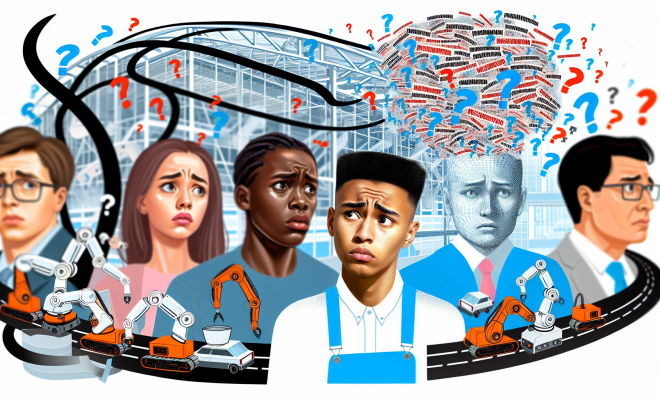
A recent Quinnipiac University poll reveals a significant wave of apprehension among young Americans regarding the implications of artificial intelligence (AI) on employment and information reliability. Released on March 30, 2026, the survey indicates that 80% of US residents express concerns about AI’s potential to disrupt job markets, with an even higher percentage of 78% among Generation Z, defined as those born between 1997 and 2008.
Understanding the Survey Findings
The poll highlights a growing unease about the effects of AI on employment opportunities, as well as the reliability of AI-generated information. Despite the fact that 51% of respondents reported using AI tools for research, only 21% of those surveyed expressed confidence in trusting AI-generated content most of the time. This discrepancy indicates a clear divide between the use of AI technology and the trust in its outputs.
Key Statistics from the Poll
- 80% of US residents are concerned about AI’s impact on jobs.
- 78% of Gen Z respondents share these concerns.
- Only 18% of all respondents reported feeling unconcerned about AI.
- 21% of respondents trust AI-generated information most of the time.
- 51% have utilized AI for research purposes.
Political Context and Policy Framework
This growing concern comes at a time when the political landscape is also grappling with the implications of AI technology. The findings of the Quinnipiac poll align closely with the new national AI policy framework introduced by President Donald Trump. This framework advocates for reduced regulation on AI technologies, emphasizing the need for the US to remain competitive against global rivals like China.
The Trump administration’s approach includes blocking state-level regulations that could interfere with interstate commerce and national security. This stance aims to foster innovation and economic growth in the AI sector, but it raises questions about the potential risks associated with unregulated AI development.
Concerns About Job Security and Economic Impact
The apprehensions expressed by the public reflect broader concerns about the future of work in an increasingly automated world. Many fear that AI technologies could lead to widespread job displacement, particularly in industries that rely heavily on routine tasks.
While AI can enhance productivity and create new job opportunities, the transition may not be smooth for everyone. Young Americans, who are often at the forefront of technological adoption, are particularly mindful of the need for policies that protect their employment prospects.
Electricity Costs and Data Center Sustainability
Additionally, the environmental implications of AI are coming into sharper focus. As AI technologies become more advanced, the energy demands of data centers are rising dramatically. This increase in electricity consumption raises concerns regarding sustainability and the carbon footprint associated with AI operations.
Policymakers are faced with the challenge of balancing the benefits of AI innovation with its environmental impact. Addressing these issues is crucial for ensuring a sustainable future as AI technologies continue to evolve.
Bipartisan Concerns and the Future of AI
The survey results reveal that concerns about AI are not limited to one political party. Both Democrats and Republicans are increasingly highlighting the effects of AI on jobs and the economy, signaling a potential bipartisan recognition of the need for comprehensive policy discussions.
As younger generations become more vocal about their apprehensions, it is likely that AI will remain a significant topic in political discourse. The intersection of technology, job security, and environmental sustainability will need to be navigated carefully to ensure that the benefits of AI can be harnessed without compromising societal values.
Conclusion
The Quinnipiac University poll underscores a critical moment in the ongoing dialogue about artificial intelligence in America. With a significant majority of young Americans expressing anxiety about job disruptions and the reliability of AI-generated information, the need for responsible policy-making is more urgent than ever. As the nation grapples with the implications of AI, it will be essential to strike a balance between fostering innovation and protecting the workforce and the environment.