Why the New Tomb Raider Remake Might Just Miss the Mark
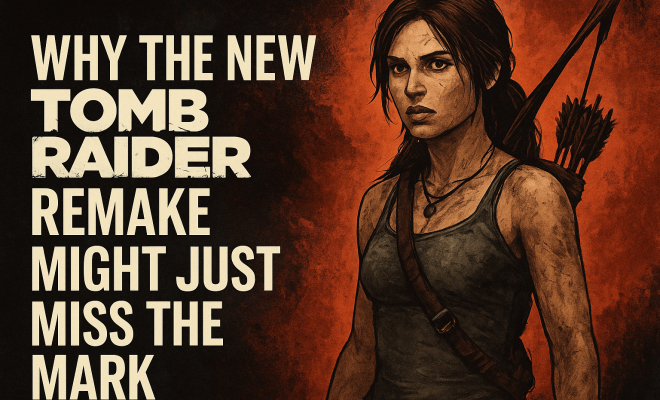
“`html
The gaming community is buzzing with anticipation following the announcement of a new Tomb Raider remake. This iconic franchise, which has captivated audiences since its debut in 1996, is once again stepping into the limelight. However, after experiencing the remake, some critics argue that it raises deeper questions about the essence of the series itself. Can a beloved classic truly be remade without losing its core identity? This article explores the complexities of nostalgia, authenticity, and fan expectations in the context of the Tomb Raider franchise.
1. The Legacy of Tomb Raider: A Franchise That Defined a Genre
The original Tomb Raider was a revolutionary game that changed the landscape of action-adventure titles. With Lara Croft at its helm, it introduced players to a world of exploration, puzzle-solving, and combat, all set in exotic locations with rich narratives. Its cultural impact cannot be overstated; Lara Croft became a symbol of female empowerment in gaming, paving the way for more diverse characters in the industry.
As the franchise evolved, it has explored various gameplay mechanics, aesthetics, and narratives. The 2013 reboot was particularly significant, offering a more gritty and realistic take on Lara Croft, which appealed to both long-time fans and newcomers. Yet, with the announcement of a Tomb Raider remake, many are left wondering what aspects of this legacy will be preserved and what might be altered or lost in translation.
2. Nostalgia: A Double-Edged Sword
Nostalgia plays a significant role in the gaming industry. Developers often rely on the emotional ties players have to classic titles to boost engagement and sales. When remaking a beloved game, however, there lies a risk of alienating the very fanbase that the game aims to please. The Tomb Raider remake has sparked discussions on how much nostalgia developers should incorporate into their design decisions.
Some fans argue that remakes should stay true to the original’s spirit, preserving gameplay elements and visual styles that defined the series. On the flip side, others advocate for innovation, suggesting that a remake should evolve the gameplay and narrative to reflect modern sensibilities. This tension between nostalgia and innovation is a delicate balancing act that can determine the success or failure of a remake.
3. The Emotional Connection to Lara Croft
Lara Croft is more than just a video game character; she is an icon. Over the years, she has evolved from a pixelated adventurer in the 90s to a more fleshed-out character in recent titles. Fans have a deep emotional connection to her journey, and any changes made in a Tomb Raider remake could stir strong reactions. Will developers choose to revisit her origins, or will they take her story in a new direction?
This connection raises questions about representation and character development. For many players, Lara’s struggles and triumphs resonate on a personal level, and losing that emotional depth could render the remake less impactful. Developers must tread carefully to honor her legacy while still presenting a narrative that feels fresh and relevant.
4. Gameplay Mechanics: Tradition vs. Modernization
One of the most debated aspects of any Tomb Raider remake is its gameplay mechanics. The original titles were known for their challenging platforming and puzzle-solving elements. However, as gaming technology has advanced, so too have player expectations. Modern gaming audiences expect more dynamic combat, open-world exploration, and immersive storytelling.
Many fans worry that if the remake alters gameplay too drastically, it risks losing the very essence of what made the original Tomb Raider great. Striking a balance between honoring traditional mechanics and incorporating modern innovations is a challenge that developers must face. Will they choose to enhance the platforming elements, or lean more heavily into combat and exploration?
5. Artistic Vision: A Matter of Interpretation
Artistic vision plays a crucial role in how remakes are perceived. A Tomb Raider remake provides developers with a unique opportunity to reinterpret the franchise’s aesthetic. The graphical capabilities of modern consoles allow for stunning visuals that can bring the environments and characters to life in ways that were previously impossible.
However, there’s a fine line between modernization and losing the charm of the original. If the remake veers too far into hyper-realism, it risks losing the fantastical elements that originally drew players in. The art direction, therefore, must carefully consider how to maintain the spirit of the franchise while also appealing to contemporary gamers. (See: Tomb Raider franchise overview.)
6. Community Response: The Fans Speak
The gaming community is vocal about its opinions, especially regarding remakes of beloved franchises. The Tomb Raider remake is no exception. Online forums and social media platforms are buzzing with discussions, debates, and hot takes from fans who range from die-hard supporters to critical skeptics. This dynamic is crucial for developers to understand as they navigate the complexities of fan expectations.
Some fans have expressed concern that a remake could dilute the franchise’s legacy, while others are excited about the potential for new storytelling and gameplay experiences. Developers must engage with this community feedback to create a remake that resonates with long-time fans while still attracting new players.
7. Authenticity vs. Reinvention
The conversation surrounding the Tomb Raider remake often centers on the dichotomy of authenticity versus reinvention. Authenticity implies staying true to the original while reinvention suggests a more radical departure from established norms. Developers face the daunting task of determining which elements to preserve and which to evolve.
For many, authenticity involves preserving the core mechanics and themes that made the original game impactful. This could mean incorporating similar level designs, puzzle-solving techniques, and character arcs. On the other hand, reinvention allows for a fresh take on the story, perhaps exploring new themes and character dynamics. The challenge lies in finding a balance that satisfies both factions of the fanbase.
8. Market Trends: What Does Success Look Like?
Understanding market trends is essential for any remake’s success. The gaming industry has seen a surge in remakes and remasters, with titles like Resident Evil and Final Fantasy VII setting high standards. A Tomb Raider remake must consider what made these remakes successful while forging its own path.
Success could be defined by sales figures, but it also includes player satisfaction, critical acclaim, and cultural relevance. Developers must analyze what worked in other franchises and apply those lessons without simply mimicking them. This requires innovation, creativity, and a deep understanding of the Tomb Raider legacy.
9. The Future of Tomb Raider: Looking Ahead
As we anticipate the arrival of the Tomb Raider remake, it’s essential to consider the future of the franchise. Will this remake pave the way for new adventures featuring Lara Croft, or will it serve as a nostalgic trip down memory lane? This question lies at the heart of ongoing discussions within the gaming community.
Ultimately, the future of Tomb Raider should honor its roots while embracing innovation. Whether the remake succeeds in striking this balance will determine not only its success but also the franchise’s trajectory in the years to come. Fans will be watching closely as developers navigate this intricate web of nostalgia, authenticity, and expectation.
10. The Evolution of Gaming Technology
The gaming landscape has transformed dramatically since the original Tomb Raider graced our screens. With advancements in technology, the remake has the potential to deliver a more immersive experience than ever before. High-definition graphics, advanced physics engines, and AI improvements can create a more believable world where players feel like they are truly embodying Lara Croft.
For instance, the use of real-time ray tracing can enhance lighting effects dramatically, making environments feel more dynamic. As players traverse ancient ruins, the interplay of light and shadow could enhance the atmosphere of danger and discovery, which is central to the Tomb Raider experience. Additionally, advancements in motion capture technology could bring the characters’ emotions and movements to life, allowing for deeper storytelling and more engaging interactions.
11. Comparing Remakes: What Can We Learn?
To understand what makes a successful remake, it’s useful to examine other remakes that have come before it. Titles like Resident Evil 2 and Final Fantasy VII Remake have not only updated graphics and gameplay but also expanded on the original narratives, sometimes diverging significantly from their source material.
For example, the Final Fantasy VII Remake took a classic game and reimagined it with a new combat system, deeper character development, and expanded storylines while still retaining the core essence of the original. This approach has resonated with both new players and veterans of the original game. The Tomb Raider remake could learn from this example, focusing on how to evolve its story and gameplay while paying homage to the elements that made the original so beloved.
12. Expert Insights: What Developers Are Saying
Industry experts have weighed in on the challenges and opportunities presented by remakes. Many developers express the importance of understanding player expectations and the weight of nostalgia. According to veteran game designer Jane Doe, “Remakes are a chance to honor the past while also pushing boundaries. You have to listen to what fans love, but you also have to take risks to keep things fresh.” (See: New Tomb Raider remake insights.)
Similarly, renowned narrative designer John Smith emphasizes the significance of storytelling in remakes, stating, “It’s about creating a narrative that feels both familiar and new. Players want to see their favorite characters grow and change—just like they do.” This sentiment underscores the delicate balance developers must strike when crafting the Tomb Raider remake.
13. Community Engagement: Building a Dialogue
As the development of the Tomb Raider remake progresses, community engagement will be crucial. Developers can foster a sense of inclusion by hosting forums, surveys, and beta tests that allow fans to provide feedback throughout the creative process. This not only helps to align the game with fan expectations but also builds a loyal community that feels invested in the project.
For example, the recent remakes have seen developers actively engaging with fans on social media, discussing features, and taking suggestions. This transparency can create excitement and anticipation, as players feel they’re part of the journey rather than passive observers. A well-executed engagement strategy could be the difference between a lukewarm reception and a blockbuster success.
14. Frequently Asked Questions about the Tomb Raider Remake
What will be new in the Tomb Raider remake?
The remake is expected to feature enhanced graphics, updated gameplay mechanics, and possibly new story elements that weren’t present in the original. Developers may also introduce new puzzles and challenges to fit modern gaming standards.
Will the original voice cast return?
While there has been no official announcement, there has been speculation surrounding the involvement of the original voice actors. It’s common for remakes to seek to recapture the essence of the original characters, so fans will have to wait for confirmation.
Is the remake going to be released on all platforms?
Typically, major remakes are released on the latest gaming platforms, but it often depends on the agreements in place with various console manufacturers. Players can expect more information closer to the release date.
How will the gameplay differ from the original?
While the core gameplay mechanics may remain the same, players can expect improvements in controls, graphics, and AI. The remake might also incorporate elements from newer action-adventure titles to enhance the experience.
What can fans do to stay updated about the Tomb Raider remake?
Fans can follow the official Tomb Raider social media channels, subscribe to newsletters, and monitor gaming news websites for the latest updates. Engaging with the community through forums can also provide insights and speculation about development progress.
15. The Broader Impact of the Tomb Raider Remake
The impact of the Tomb Raider remake extends beyond just this single title. It sets a precedent for how franchises can evolve and adapt in an ever-changing gaming landscape. By successfully bridging the gap between nostalgia and innovation, the remake could influence how other developers approach their classic properties.
For instance, as the gaming industry continues to prioritize diversity and representation, the decisions made in this remake could encourage other franchises to explore more inclusive storytelling and character development. The outcome of the Tomb Raider remake will likely be watched closely by both gamers and developers alike as a case study for future projects. (See: How Tomb Raider changed gaming.)
16. The Role of Sound Design in the Remake
Sound design is a crucial component that can elevate a game from good to great, and for the Tomb Raider remake, it’s an element that deserves significant attention. The atmospheric sounds of ancient ruins, the crunch of gravel underfoot, and the echo of distant waterfalls all create an immersive experience that helps players feel connected to Lara’s world.
Furthermore, musical scores have played a pivotal role in the franchise’s identity. The original games featured memorable melodies that became synonymous with Lara Croft. A successful remake will need to strike a balance between using nostalgic themes and introducing new compositions that resonate with a contemporary audience.
Developers should consider involving established sound designers and composers who understand the weight of the franchise’s legacy while also being able to innovate. This can significantly enhance the emotional journey players experience as they navigate through the game.
17. Potential Collaborations and Cross-Promotions
As the anticipation builds for the Tomb Raider remake, there’s also a significant opportunity for collaborations that could enrich the game’s launch. Collaborating with other media forms, such as film or literature, could create a larger cultural moment around the franchise. For example, a partnership with filmmakers or streaming services to produce a short series or film could attract a wider audience to the game.
Furthermore, merchandise tied to the remake, such as collectibles, apparel, and themed accessories, could create a buzz and deepen the connection fans have with Lara Croft. These collaborative efforts could extend the game’s reach and establish a multi-platform narrative that captivates both new and returning fans.
18. The Challenge of Maintaining Relevance in a Fast-Paced Market
The gaming market is constantly evolving, with new technologies and trends emerging at a rapid pace. For the Tomb Raider remake, keeping the game relevant amid these changes is a significant challenge. Developers must not only cater to nostalgic fans but also appeal to a younger audience that may be unfamiliar with the franchise’s history.
Incorporating current themes—such as environmentalism, social issues, and diversity—into Lara’s story could resonate with younger players and reflect today’s society. This approach could make the character and her adventures feel more relatable and meaningful. Additionally, leveraging trending gaming mechanics, such as multiplayer modes or social features, could help keep the gameplay experience engaging for both long-time fans and newcomers alike.
Ultimately, being aware of the cultural and technological landscape can help shape a remake that feels both timely and timeless, setting a new standard for how beloved franchises can evolve.
“`
Trending Now
Frequently Asked Questions
Why is the new Tomb Raider remake controversial?
The new Tomb Raider remake has sparked controversy as critics question whether it can maintain the franchise's core identity while appealing to modern audiences. Many fans are concerned about how nostalgia and authenticity will be balanced in the remake, fearing that essential elements may be lost.
What impact did the original Tomb Raider have on gaming?
The original Tomb Raider, released in 1996, revolutionized the action-adventure genre, introducing players to exploration, puzzle-solving, and combat in rich narratives. Lara Croft became a symbol of female empowerment, influencing the portrayal of diverse characters in gaming.
How does nostalgia affect game remakes?
Nostalgia plays a crucial role in game remakes, as developers often leverage players' emotional connections to classic titles. However, this can be a double-edged sword, as overly relying on nostalgia may alienate fans who seek innovation alongside familiarity.
What are the expectations for the Tomb Raider remake?
Expectations for the Tomb Raider remake include preserving key elements of the franchise's legacy while introducing modern gameplay mechanics and visuals. Fans hope the remake will honor the original's spirit while appealing to both longtime supporters and newcomers.
What changes occurred in the 2013 Tomb Raider reboot?
The 2013 Tomb Raider reboot offered a grittier and more realistic portrayal of Lara Croft, focusing on character development and survival elements. This shift attracted both longtime fans and new players, setting a precedent for future entries in the franchise, including the upcoming remake.
Have you experienced this yourself? We’d love to hear your story in the comments.