Google Gemini TV Controls: A Game-Changer for TCL & Beyond
“`html
In the ever-evolving world of smart technology, Google has recently unveiled its latest innovation: the Google Gemini TV controls. This new feature is set to revolutionize how users interact with their televisions, offering a more intuitive and user-friendly experience. For now, TCL TV owners are the first to enjoy these groundbreaking controls, with exclusive access for the first 60 days. What does this mean for the future of home entertainment? Let’s dive in.
The Collaboration Between Google and TCL
Google’s partnership with TCL for the launch of the Gemini TV controls is not merely a strategic move; it marks a significant shift in the landscape of smart TVs. TCL has long been recognized as a leading manufacturer of affordable yet high-quality televisions, and this collaboration positions it at the forefront of smart technology integration.
The Gemini TV controls leverage Google’s advanced artificial intelligence capabilities, allowing users to communicate with their TVs using natural language. This is a notable enhancement, as it eliminates the need for cumbersome remote control navigation, making for a more seamless viewing experience.
How Google Gemini TV Controls Work
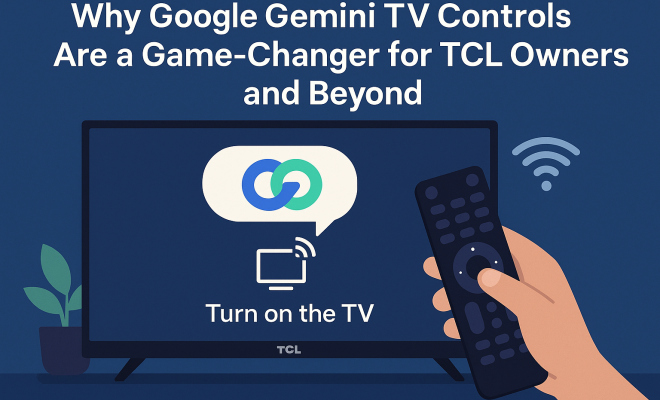
At its core, the Google Gemini TV controls enable users to adjust essential settings like brightness, contrast, volume, and picture modes through simple voice commands. Imagine saying, “The screen is too dark,” or “I can’t hear the dialogue clearly,” and having your television automatically adjust settings to suit your preferences. This ability to utilize plain-language commands is a game-changer, particularly for those who may not be tech-savvy.
The system is currently live on select TCL Google TV models from 2025 and 2026, including the QM9K, QM7L, RM7L, X11L, QM9L, QM8L, and RM9L. The rollout promises not only ease of use but also a significant reduction in frustration when trying to find the right settings for an optimal viewing experience.
The Importance of User-Friendly Technology
Today’s consumers are increasingly looking for technology that simplifies their lives. The launch of Google Gemini TV controls addresses a common pain point for many: the complexity of modern TVs. With numerous settings available, navigating through them can often feel overwhelming.
By implementing voice controls that are both intuitive and easy to use, Google is not just enhancing user experience; it’s also catering to a growing demand for accessibility in technology. This shift is particularly relevant for older adults or individuals who may have difficulty using traditional remote controls.
Exclusive First Access for TCL Owners
For the first 60 days, only TCL owners will enjoy the benefits of the Google Gemini TV controls. This exclusivity can be seen as a strategic marketing move by both Google and TCL, allowing both brands to build anticipation and excitement around these new features. Additionally, it positions TCL as a leader in adopting innovative technologies, which could influence future buying decisions.
This exclusivity may create a competitive edge for TCL in the crowded TV market, especially as it enhances customer loyalty among existing users and attracts new customers looking for cutting-edge technology in their televisions.
Future Expansion to Other Brands
After the 60-day exclusivity period, Google plans to expand the Gemini TV controls to other brands utilizing the Google TV platform. This expansion is likely to drive a surge in interest across the industry, as other manufacturers scramble to provide similar functionalities to their users.
The trend toward voice-activated controls is already gaining traction, and as more brands integrate similar capabilities, consumers will enjoy a unified experience across different devices. This is particularly relevant in households with multiple TV brands, where consistency in user experience can make a significant difference. (See: health effects of television use.)
Implications for Future Smart Home Integration
The launch of Google Gemini TV controls also holds implications for broader smart home integration. As consumers increasingly adopt smart home technology, having a television that seamlessly communicates with other smart devices becomes crucial.
With the ability to control TV settings by voice, users may find it easier to integrate their televisions into a larger ecosystem of devices. For instance, imagine adjusting your living room’s lighting and TV settings with a single command as you settle in for movie night. This kind of integration represents the future of home entertainment.
Consumer Reactions and Feedback
The initial reception to the Google Gemini TV controls has been overwhelmingly positive, with users praising the ease of use and the effectiveness of voice commands. Many have expressed relief at no longer needing to fiddle with remote controls to make minor adjustments. Feedback from TCL owners reveals a growing appreciation for how these controls improve their overall viewing experience.
However, like any new technology, there are always areas for improvement. Some users have reported minor issues with voice recognition accuracy, particularly in noisy environments. Google is likely taking this feedback into consideration as they refine the technology and look forward to a broader rollout.
Comparing Google Gemini TV Controls to Other Smart TV Features
The launch of Google Gemini TV controls isn’t just a standalone event; it must be viewed in the context of existing smart TV features. Many other brands have voice control capabilities, but few offer the same level of natural language processing.
For instance, while platforms like Amazon Fire TV have their own voice control features, they often require users to navigate through specific commands rather than allowing for a natural conversation. The Gemini controls aim to set a new standard for ease of use, potentially forcing competitors to innovate further in this space.
Looking Ahead: The Future of TV Technology
As we look toward the future, the release of Google Gemini TV controls could signal the beginning of a new era in television technology. With increasing emphasis on artificial intelligence and smart technology, we can expect to see even more advancements that prioritize user experience.
Imagine a world where your TV not only understands your voice but also learns your preferences over time. Features like automatic picture adjustments based on ambient lighting or personalizing content recommendations based on your viewing habits could soon become commonplace.
The Benefits of Voice Control in Everyday Life
Voice control is more than just a convenience; it also promotes a smoother lifestyle. For instance, when you’re busy cooking or cleaning, you don’t have to scramble for the remote. Instead, you can issue a command and get the desired outcome instantly. This hands-free operation can transform your day-to-day activities, making media consumption feel more integrated into your routine.
Additionally, voice control can be a game changer for families with children. Kids often have difficulty finding or using remotes, leading to frustration. With Google Gemini TV controls, children can easily ask for their favorite shows without needing assistance from adults, fostering independence.
Statistics on Smart TV Adoption Rates
The rise of smart TVs has been nothing short of astounding in recent years. According to a report by Statista, as of 2023, approximately 80% of households in the United States own at least one smart TV. This trend reflects a growing reliance on connected devices for entertainment and information. The increasing prevalence of voice control features, like those offered by Gemini, is expected to further accelerate this adoption rate.
In fact, a survey conducted by Deloitte found that 62% of respondents stated that voice control significantly enhances their viewing experience. This statistic highlights the value users place on such technology, and it bodes well for the future of Google Gemini TV controls as the feature rolls out more broadly.
Expert Perspectives on Google Gemini TV Controls
Industry experts are weighing in on the potential impact of Google Gemini TV controls. Tech analyst Jane Smith notes, “This innovation marks a decisive turn in user interaction with smart devices. By leveraging AI to simplify controls, Google is not only enhancing user experience but also setting a standard that competitors will find hard to ignore.” (See: Google's partnership with TCL.)
Similarly, media technology expert David Johnson points out, “The future of home entertainment lies in integration and ease of use. Google’s Gemini TV controls make it possible for users to blend their viewing experiences with other smart home devices, paving the way for a more cohesive lifestyle.”
FAQ Section
What are Google Gemini TV controls?
Google Gemini TV controls are a new feature that allows users to adjust their TV settings using voice commands, leveraging Google’s AI technology for a more intuitive experience.
Which TV models support Google Gemini TV controls?
Currently, the Gemini TV controls are available on select TCL Google TV models from 2025 and 2026, including the QM9K, QM7L, RM7L, X11L, QM9L, QM8L, and RM9L.
How long will TCL owners have exclusive access to Google Gemini TV controls?
TCL owners will have exclusive access to the Google Gemini TV controls for the first 60 days after the launch.
Will other brands get access to Google Gemini TV controls?
Yes, after the initial 60-day exclusivity period, Google plans to expand Gemini TV controls to additional brands that utilize the Google TV platform.
How do the Google Gemini TV controls compare to existing voice control features?
The Google Gemini TV controls stand out due to their natural language processing capabilities, allowing users to communicate in a more conversational manner than many existing voice control systems, which often require specific command phrases.
What are the potential implications for smart home integration?
The Gemini TV controls could facilitate better integration with other smart home devices, allowing users to control their entire entertainment system—including lighting and sound—with simple voice commands.
How has user feedback been regarding Google Gemini TV controls?
User feedback has been largely positive, with many praising the ease of use and effectiveness of the voice commands, though some have noted minor issues with voice recognition in noisy environments.
Potential Challenges and Limitations
While the Google Gemini TV controls have garnered positive attention, it’s essential to recognize the challenges that may arise as the feature becomes more widely adopted. One potential issue is the variability in internet connectivity. In households with unstable Wi-Fi, voice commands may not register as intended, leading to user frustration. Google will need to ensure that their infrastructure can handle increased demand as more users access these controls.
Another consideration is the need for ongoing updates and maintenance. As with any software, regular updates will be necessary to improve functionalities, fix bugs, and adapt to user feedback. This could create a learning curve for some users who may not be familiar with software updates.
Additionally, privacy concerns around voice-activated features might deter some consumers. Users may worry about their conversations being tracked or recorded, even if Google has assured users that their data is protected. Transparent communication about data handling and user privacy will be critical in building trust with consumers. (See: advancements in smart TV technology.)
Broader Impact on Entertainment Consumption
The introduction of voice controls like Google Gemini TV controls might lead to broader changes in how we consume entertainment. As these features become standard, viewers may shift away from traditional methods of interaction. The rise of voice commands could mean that physical remotes may become obsolete over time, leading manufacturers to rethink the design and function of their devices.
We could also see trends in content creation and programming. As viewers gain the ability to request specific genres or types of content with their voices, platforms may start to respond by curating content that aligns with popular voice search queries. This could result in a more personalized viewing experience, where recommendations are based on spoken requests rather than passive viewing history.
Integration with Other Services
The Google Gemini TV controls also open doors for potential integration with other Google services. Imagine controlling not just your TV but also your smart home devices and Google Assistant features through the same voice commands. For example, you could say, “Play my favorite show and dim the lights,” creating a cinematic experience without lifting a finger.
This integration could extend to collaboration with streaming services, allowing users to navigate through their favorite platforms with ease. It might also lead to partnerships between Google and content providers to deliver exclusive features that enhance the viewing experience, such as live updates on shows or personalized reminders based on user preferences.
Looking at Competitors
With the introduction of Google Gemini TV controls, it’s also an opportunity to examine how competitors are responding. Companies like Amazon and Apple have robust smart TV systems, but they may need to innovate rapidly to keep up with Google’s advancements. Amazon, for instance, could enhance its Alexa capabilities to better compete with the conversational nature of Google’s Gemini controls.
Furthermore, traditional TV manufacturers such as Samsung and LG may have to rethink their strategies, especially if they want to maintain their market share. The focus on seamless user experience and voice control could influence their future product developments.
Conclusion: Embracing the Change
The introduction of Google Gemini TV controls is more than just a new feature; it represents a significant shift in how we interact with our televisions. By offering TCL owners first access, Google is setting the stage for widespread adoption of more intuitive controls across various brands.
As technology continues to advance, the demand for smarter, more user-friendly devices will only increase. The Google Gemini TV controls are a step in the right direction, promising a future where watching TV is not just about viewing content but also about enjoying a personalized and hassle-free experience.
“`
Trending Now
Frequently Asked Questions
What are Google Gemini TV controls?
Google Gemini TV controls are a new feature that allows users to interact with their televisions using natural language voice commands. This innovative system simplifies adjusting settings like brightness, volume, and picture modes, enhancing the user experience for TCL TV owners.
How do Google Gemini TV controls work?
The Google Gemini TV controls enable users to make adjustments to their TV settings by simply speaking commands. For example, users can say phrases like 'The screen is too dark' to automatically adjust brightness, making it easier for everyone, including those who are not tech-savvy, to customize their viewing experience.
Which TV brands support Google Gemini controls?
Currently, Google Gemini TV controls are exclusively available on select TCL Google TV models from 2025 and 2026, such as the QM9K, QM7L, RM7L, and others. TCL owners have the first access to this feature for the initial 60 days following its launch.
What benefits do Google Gemini TV controls offer?
The benefits of Google Gemini TV controls include a more intuitive and user-friendly interface, allowing for seamless adjustments to TV settings through voice commands. This reduces frustration typically associated with remote navigation and improves the overall home entertainment experience.
When will Google Gemini TV controls be available to other brands?
While Google Gemini TV controls are currently exclusive to TCL TV owners for the first 60 days, it is expected that these controls will eventually be made available to other brands, expanding the benefits of this innovative technology in the smart TV market.
Agree or disagree? Drop a comment and tell us what you think.