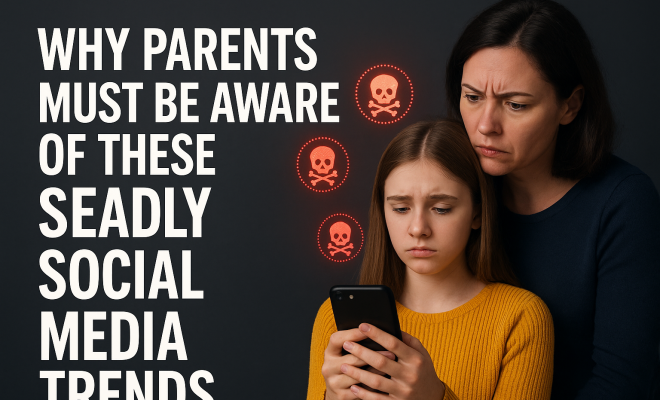
Deadly Social Media Trends: What Parents Need to Know
“`html
As a parent, you often find yourself worrying about your child’s safety, and rightly so. With the internet at their fingertips, children have access to a world filled with information, entertainment, and, unfortunately, danger. Recent reports highlight a concerning resurgence of deadly social media trends for parents to be acutely aware of. From the Benadryl challenge to blackout-related dares and chroming, these trends have resulted in serious consequences, including fatalities. Understanding these risks can empower you to protect your children from making choices that could have devastating outcomes.
The Rise of Dangerous Online Challenges
Social media has transformed the way adolescents communicate, share experiences, and engage with one another. Platforms like TikTok, Instagram, and Snapchat enable quick dissemination of trends, making them easily accessible to impressionable young minds. Unfortunately, this rapid spread also includes dangerous challenges that can lead to serious injuries or even death.
As parents, it’s crucial to familiarize yourself with these trends. Many of them start innocuously but can quickly escalate, often fueled by the desire for social media clout or attention. The allure of going viral can push kids to make reckless decisions without fully understanding the potential consequences.
The Benadryl Challenge: A Risky Game
The Benadryl challenge involves consuming large doses of the over-the-counter antihistamine in an attempt to induce hallucinations. This challenge has gained traction on platforms like TikTok, with users posting videos showcasing their experiences. However, the reality is that this behavior can lead to severe health complications, including seizures, coma, and even death.
In 2020, the tragic death of a teenager in Oklahoma highlighted the dangers of this challenge. The 15-year-old’s parents found out about the trend too late, emphasizing the urgent need for parental vigilance. The CDC has issued warnings regarding this dangerous trend, yet it continues to circulate on social media, underscoring the importance of proactive measures for parents.
Blackout-Related Dares: A Chilling Challenge
Another alarming trend involves blackout dares, where participants try to hold their breath until they lose consciousness. This challenge is rooted in the misconception that it’s a harmless party game, but it can lead to catastrophic results. The dangers of asphyxiation, permanent brain damage, or even death are very real.
A recent report from the American Academy of Pediatrics (AAP) highlighted instances where children, eager to impress their peers, engaged in these blackout dares, leading to serious injuries and fatalities. As parents, awareness of these trends is essential, enabling you to have conversations with your children about the severe risks involved.
Chroming: A Dangerous Substance Abuse Trend
Chroming, or the inhalation of aerosol products to get high, is another deadly trend that has emerged on social media. Often associated with household items like spray paint or deodorants, chroming can lead to irreversible damage to the heart, lungs, or brain. This trend is particularly troubling because it’s easily accessible, and many adolescents may not fully understand the implications of their actions.
In Australia, the government has initiated campaigns to raise awareness of the dangers of chroming, showcasing the need for parental guidance in addressing substance abuse. Parents must engage their children in open discussions about the dangers associated with inhalants and set clear expectations regarding drug use. (See: CDC on youth injury prevention.)
Understanding the Appeal of These Trends
You might wonder why children are drawn to such perilous activities. Peer pressure plays a significant role, as adolescents seek approval and validation from friends and social media followers. The desire to fit in can often overshadow any rational thought about safety.
Additionally, the thrill-seeking behavior inherent in youth can lead to impulsive decisions. The instant gratification provided by likes and shares can serve as an addictive reward system, further encouraging dangerous behavior. It’s essential for parents to understand this psychology to address these trends effectively.
The Importance of Open Dialogue
To combat these deadly social media trends, fostering an environment of open communication is crucial. Encourage your child to share their online experiences and discuss any challenges they’ve encountered. This approach allows parents to gauge the influences affecting their child and intervene when necessary.
Here are some strategies for initiating these conversations:
- Ask open-ended questions about their social media use and the trends they follow.
- Share your concerns about specific challenges you’ve heard about and ask if they’ve encountered them.
- Provide examples of the potential dangers associated with these trends.
- Encourage them to think critically about the content they consume online.
By creating a safe space for dialogue, you empower your child to make informed decisions while feeling supported.
Setting Boundaries and Monitoring Usage
Setting boundaries around social media usage can also be a vital step in keeping your child safe. Consider implementing family guidelines that outline acceptable screen time, the types of content they can engage with, and the platforms they can access.
Utilizing parental control apps can help monitor your child’s online activity, giving you insight into the trends they may be following. Regularly check in on their social media accounts and be aware of the influencers and friends they interact with. This proactive approach can help you catch any concerning behavior before it escalates.
Building Resilience and Critical Thinking Skills
Equipping your children with resilience and critical thinking skills is one of the most effective ways to protect them from deadly social media trends. Encourage them to question what they see online and to consider the consequences of their actions.
Teach them about the dangers associated with specific trends and the importance of prioritizing their safety over social media validation. Role-playing different scenarios can also help them practice making safe choices when faced with peer pressure.
Engaging in Positive Online Activities
Another way to deter your child from participating in risky behavior is to encourage engagement in positive online activities. Help them find interests or hobbies that can be pursued through social media, such as art, music, or sports. Fostering passions can redirect their focus away from dangerous trends and cultivate a sense of purpose. (See: New York Times on Benadryl challenge.)
Consider engaging in these activities together as a family. Whether it’s joining a virtual art class or creating a family TikTok channel showcasing your talents, shared experiences can strengthen your bond while keeping your child safe from harmful influences.
What to Do If Your Child Has Engaged in These Trends
If you discover that your child has participated in one of these deadly social media trends, it’s essential to approach the situation with understanding rather than anger. Open a dialogue about what they did and why they felt compelled to engage in such behavior. Listen to their perspective without judgment, and use this opportunity to discuss the dangers associated with their actions.
Depending on the severity of the situation, you may need to seek professional help. Consult with a mental health professional to address any underlying issues driving your child’s risky behavior. Additionally, reinforcing the importance of open communication can help your child feel comfortable discussing their struggles in the future.
Staying Informed About Evolving Trends
The landscape of social media is constantly changing, which means new trends can emerge at any moment. Staying informed about evolving trends is crucial for parents who wish to protect their children. Follow reputable news sources, parenting blogs, and expert recommendations regarding children and social media use.
Engage with community resources, such as school workshops or local parenting groups, to share experiences and learn from others. By staying updated, you can be proactive in discussing potential dangers with your child and create a safety net that will help them navigate the treacherous waters of social media.
Statistics and Expert Opinions on Social Media Risks
Understanding the scope of the issue can help put these deadly trends into perspective. According to a study conducted by the American Academy of Pediatrics, 90% of teenagers aged 13-17 have used social media, and about 75% report having at least one social media profile. With such significant numbers, the potential for exposure to harmful trends increases exponentially.
Dr. Jennifer L. Hartstein, a child and adolescent psychologist, emphasizes the need for awareness among parents. “Parents need to understand the landscape of social media and its impact on their children. Many dangerous trends are not just pranks; they can have life-threatening consequences,” she warns. This expert insight reinforces the idea that parents must be vigilant and informed.
Comparing Social Media Platforms: Where Trends Thrive
Different social media platforms have unique cultures and user demographics, which can influence the types of dangerous trends that emerge. For instance, TikTok is characterized by its short, viral video format that can make challenges spread rapidly. Conversely, Instagram’s focus on image-sharing can lead to trends that involve riskier behaviors, such as extreme dieting or risky stunts for better visuals. (See: WHO on adolescent health risks.)
Understanding these platform dynamics can help parents tailor their conversations with their children. Discussing TikTok trends might require different strategies than addressing Instagram challenges. Knowledge of platform-specific issues allows for a more targeted discussion about the dangers lurking in each space.
Expert Insights on Managing Social Media Risks
In recent discussions among mental health professionals, experts have drawn attention to the need for a balanced approach when addressing children’s social media use. Dr. Michael Rich, a pediatrician and director of the Center on Media and Child Health at Boston Children’s Hospital, suggests that instead of focusing solely on restrictions, parents should engage in co-viewing activities with their children. “Participating in their digital lives helps you understand their world better, and it opens up avenues for meaningful conversations about what they encounter online,” he says.
Additionally, experts recommend teaching children to critically evaluate sources of information. As misinformation spreads easily on social media, empowering children with the ability to discern credible sources from unreliable ones is vital. This critical skill not only helps them navigate social media safely but also supports their overall educational development.
Frequently Overlooked Dangers of Social Media Trends
While many conversations around social media trends focus on the most alarming challenges, other subtler dangers exist that parents should be aware of:
- Body Image Issues: Social media can perpetuate unrealistic beauty standards, leading to body dissatisfaction among adolescents. Encourage healthy discussions about self-image and promote body positivity.
- Cyberbullying: Social media can be a breeding ground for bullying behaviors. Stay informed about your child’s interactions online and teach them to report bullying when they see it.
- Privacy Risks: Many teenagers may not understand the importance of privacy settings. Discuss the significance of keeping their profiles private and the potential dangers of oversharing personal information.
- Sleep Disruption: Excessive social media use, especially late at night, can interfere with sleep patterns. Encourage healthy sleep habits by establishing device-free bedtime routines.
What Parents Can Do Right Now
If you’re feeling overwhelmed by the dangers associated with social media, here are some actionable steps you can take immediately:
- Educate Yourself: Take time to understand the platforms your child uses. Familiarize yourself with their features and potential hazards.
- Establish Clear Rules: Set guidelines around social media use, including screen time limits and acceptable behavior online.
- Encourage Open Discussion: Make it a habit to talk about social media experiences, both positive and negative. Ask about their friends and what they’re seeing online.
- Be a Role Model: Demonstrate healthy social media habits yourself. Show your child how to engage responsibly and balance online interaction with real-life activities.
FAQ: Addressing Common Concerns
- How can I monitor my child’s social media usage without invading their privacy? It’s important to have an open dialogue about privacy and trust. Explain your concerns and the reasons for monitoring, and consider using parental control apps that allow for transparency.
- What signs should I look for to determine if my child is involved in dangerous trends? Look for behavioral changes, such as secretive behavior, sudden changes in mood, or physical signs of experimentation (e.g., injuries). Increased screen time and anxiety about social media are also red flags.
- How can I educate my child about the dangers of social media without frightening them? Use real-life examples to discuss risks, but frame the conversation positively. Emphasize your support for their safety and the importance of making safe choices.
- Should I restrict my child’s access to social media entirely? While it might be tempting to impose a complete ban, it’s often more effective to set clear boundaries and guidelines. Encourage responsible use instead of complete restriction, which can lead to secretive behavior.
- How can I encourage my child to report concerning trends they see online? Create an environment where your child feels safe discussing their online experiences without fear of punishment. Encourage them to share anything that makes them uncomfortable or feels dangerous.
In an age where social media can influence behaviors and choices, understanding these deadly social media trends for parents is more important than ever. By fostering open communication, setting boundaries, and building resilience, you can empower your child to make safe decisions while enjoying the benefits of the digital world. With your guidance, your child can navigate the complexities of social media without falling victim to its more dangerous trends.
“`
Trending Now
Frequently Asked Questions
What are some dangerous social media trends for kids?
Some dangerous social media trends include the Benadryl challenge, blackout-related dares, and chroming. These trends can lead to serious health complications or even fatalities, making it crucial for parents to be aware of them.
How can parents protect their children from harmful online challenges?
Parents can protect their children by educating themselves about current social media trends, maintaining open communication, and discussing the potential risks of engaging in dangerous challenges. Encouraging critical thinking and awareness can empower children to make safer choices.
What is the Benadryl challenge?
The Benadryl challenge involves taking large doses of the antihistamine to induce hallucinations. It gained popularity on platforms like TikTok but poses severe health risks, including seizures and death, making it extremely dangerous.
Why do kids participate in risky social media challenges?
Kids often participate in risky social media challenges due to the desire for social media clout, attention, and the allure of going viral. This can lead them to make reckless decisions without fully understanding the consequences.
What should parents look for to identify risky behavior online?
Parents should look for changes in their child's behavior, such as increased secrecy, sudden interest in online challenges, or sharing risky content. Monitoring social media activity and discussing online experiences can help identify potential dangers.
Have you experienced this yourself? We’d love to hear your story in the comments.