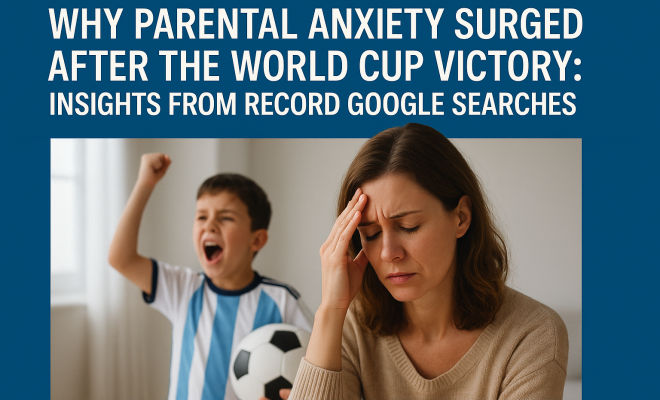
Parental Anxiety Surges After World Cup Victory: Google Search Insights
“`html
When Argentina clinched a stunning victory against Egypt in the World Cup Round of 16, the world watched in awe. However, beyond the jubilation and excitement of the match, a significant trend emerged: a record spike in Google searches, particularly among parents looking for real-time updates and safety information. This phenomenon not only highlights the way families engage with major global events but also sheds light on the growing concern of parental anxiety during such high-stakes moments.
The Record-Breaking Google Search Spike
Following Argentina’s triumphant comeback, Google saw its highest usage ever recorded. This unprecedented surge was not just a reflection of sports fans eager for updates; it revealed a deeper layer of parental engagement. As families rallied around the television, parents took to their devices, seeking information about the match’s developments, player stats, and, crucially, the safety of their children amid the exhilarating chaos of a live sports event.
This trend suggests that during significant happenings, parents feel an overwhelming need to ensure that their kids remain safe, both physically and digitally. The spike in searches for age-appropriate content and safety measures indicates a broader cultural shift towards responsible digital parenting. digital parenting guide offers useful background here.
Understanding Parental Anxiety
Parental anxiety is a modern phenomenon exacerbated by the constant connectivity afforded by the internet and social media. As parents navigate the complexities of raising children in a digital age, they often grapple with concerns over what their children might encounter online. This anxiety is particularly heightened during major events like the World Cup, where the excitement can come paired with unfiltered content.
With children increasingly involved in digital activities, parents are understandably cautious. The need to protect their children from inappropriate content while still allowing them to enjoy shared experiences can be a tightrope walk, which only adds to parental anxiety.
The ‘Need to Know’ Appeal
The intense desire for information during monumental events reveals a broader trend in parenting. As parents searched for real-time updates, the impulse to stay informed has morphed into an expectation. This ‘need to know’ is particularly prevalent in situations where children are involved. Parents want assurance that the content their children consume is safe and appropriate.
Social media platforms have thus become fertile ground for sharing curated resources. Parenting groups and forums are rife with discussions and recommendations for age-appropriate viewing guides, which serve as tools to help families engage with major events without compromising their values or safety concerns.
Managing Screen Time During Major Events
As parents navigate the landscape of screen time, many have turned to structured engagement during major events, finding that it can actually alleviate anxiety rather than exacerbate it. This counterintuitive finding is gaining traction, with experts and parents alike advocating for planned digital consumption.
Strategies range from setting limits on screen time to involving children in discussions about what they see. For example, parents can designate specific times for watching highlights and then discuss the events afterward, creating a more informed and engaged viewing experience. This proactive approach not only helps in managing time but also fosters meaningful conversations about sportsmanship, teamwork, and resilience.
Viral Parenting Hacks on Social Media
The intersection of emotional moments and practical parenting strategies has created a viral sensation on platforms like Facebook, Instagram, and Twitter. Parents are sharing tips and hacks for managing screen time during events like the World Cup, offering everything from advice on filtering content to suggestions for engaging activities that can supplement viewing. (See: CDC resources for parents.)
One viral hack encourages parents to create themed activities related to the event, such as sports-themed crafts or baking treats representing the competing nations. These activities not only provide alternatives to screen time but also enhance the family bonding experience, thus relieving some of the pressure parents feel during chaotic events.
The Impact of Social Media on Parental Anxiety
While social media can sometimes exacerbate parental anxiety, it also serves as a valuable tool for connection and resource-sharing among parents. The discussions around events like the World Cup foster a sense of community, as parents realize they are not alone in their concerns.
Moreover, social media allows parents to access a wealth of information and support in real-time. When anxiety spikes, having immediate access to a community of like-minded individuals can help dispel fears. Sharing experiences, challenges, and solutions allows parents to feel more empowered in their role and less isolated.
Benefits of Engaging with Major Events
Despite the challenges posed by parental anxiety during major events, there are significant benefits to engaging children in these experiences. Watching events like the World Cup together can be an incredible opportunity for family bonding. It allows parents to teach valuable life lessons, such as teamwork, perseverance, and the importance of supporting one another.
Furthermore, shared experiences can reinforce familial connections. Celebrating a victory together or discussing a particularly dramatic moment fosters communication and togetherness. It provides a platform for parents to express their values and beliefs while also creating lasting memories. This builds on managing screen time.
Tips for Reducing Parental Anxiety During Major Events
To help lessen parental anxiety during major events, here are some actionable strategies that can make a difference:
- Set Technology Boundaries: Establish clear guidelines about when and how screens will be used, allowing time for discussions and offline activities.
- Create a Screen Time Schedule: Plan specific times for watching events and stick to them. This helps manage expectations and reduces anxiety around excessive screen time.
- Involve Kids in the Planning: Let children help choose activities or snacks related to the event, ensuring they feel engaged and excited rather than passive consumers.
- Discuss Content Together: After watching, have conversations about what they saw, discussing the significance and values involved in sportsmanship and teamwork.
- Use Resources Wisely: Leverage online tools and curated viewing guides to find age-appropriate content, ensuring children are exposed to suitable material.
Looking Ahead: How Major Events Will Shape Parenting
The surge in parental searches following Argentina’s thrilling victory underscores an ongoing trend: as global events become increasingly accessible through digital platforms, parents must adapt their strategies to ensure safe engagement for their children. This evolution may lead to a more informed and responsible digital generation, as parents navigate the complexities of raising kids in an era of instant information.
As we look forward to future events, it’s essential for parents to embrace the excitement while prioritizing their children’s safety and well-being. By finding balance and using structured engagement, parents can make major events not just a moment of viewing pleasure but also an opportunity for growth and learning.
Exploring the Factors Contributing to Parental Anxiety
Understanding the roots of parental anxiety can help in managing it effectively. Research has shown that a variety of factors contribute to this phenomenon. One major factor is the overwhelming amount of information available online. Parents often feel the pressure to be well-informed about everything from educational practices to health guidelines, which can lead to anxiety over making the “right” choices for their children.
Additionally, the pressure to be perfect parents can intensify feelings of anxiety. Social media often portrays an idealized version of parenting, making it easy for parents to compare themselves to others. This comparison can lead to feelings of inadequacy and worry about failing as a parent, particularly during high-stress periods like major events. We covered early social media exposure in more detail.
Statistics show that about 30% of parents report feeling overwhelmed by the amount of information they encounter daily. This constant influx of information can contribute to a cyclical feeling of anxiety, where the more parents try to stay informed, the more anxious they become. Recognizing these patterns can empower parents to seek a healthier balance when it comes to their information consumption. (See: NIH on parenting and anxiety.)
Expert Perspectives on Parental Anxiety
Child psychologists and parenting experts have weighed in on the topic of parental anxiety, emphasizing that it’s a common experience shared by many. Dr. Gina Meyer, a child psychologist, states, “Anxiety in parents can often stem from the desire to protect their children from harm, whether that harm is physical, emotional, or digital. The key is to strike a balance between being protective and allowing children the freedom to explore.” Her research underscores the importance of open communication between parents and children, especially during high-pressure events.
In a recent study published in the Journal of Family Psychology, researchers found that children of anxious parents are more likely to exhibit anxiety themselves. This highlights the importance of addressing parental anxiety, not just for the sake of the parents but for the wellbeing of the children. Learning to manage anxiety effectively can have a positive ripple effect throughout the entire family.
Comparative Analysis: Parental Anxiety Across Different Cultures
Parental anxiety is a global concern, but its manifestation can differ significantly across cultures. For instance, in individualistic societies like the United States, parents may feel a stronger pressure to succeed in parenting, leading to heightened anxiety about their children’s achievements and experiences. Conversely, in collectivist cultures, such as those in many Asian countries, the focus may be more on family reputation and community expectations, which can lead to anxiety surrounding children’s behavior and social standing.
Research indicates that parents in collectivist cultures often experience anxiety related to their children’s social interactions and the impact those interactions have on the family unit. A study comparing parental anxiety in different cultural settings revealed that while the source of anxiety may vary, the underlying feelings of worry and the desire to protect children remain universal. This insight can help parents understand their anxiety in a broader context and find solidarity with others facing similar challenges.
FAQ About Parental Anxiety
What are the signs of parental anxiety?
Signs of parental anxiety can include excessive worry about children’s wellbeing, difficulty making decisions related to parenting, feelings of helplessness, and physical symptoms such as insomnia or fatigue. Parents may also feel overwhelmed by the pressure to provide the best for their children.
How can I manage my parental anxiety?
Managing parental anxiety often requires a multi-faceted approach. Techniques such as mindfulness, seeking support from other parents, and setting realistic expectations can be effective. Engaging in self-care and maintaining open lines of communication with your partner or family members can also provide relief.
Is parental anxiety common among parents during major events?
Yes, many parents experience heightened anxiety during major events, particularly those that involve their children. The desire to ensure a safe and positive experience can increase stress levels, making it important for parents to develop strategies to manage their anxiety during these times.
What role does social media play in parental anxiety?
Social media can both exacerbate and alleviate parental anxiety. While it can lead to comparisons and unrealistic expectations, it can also provide support and resources. Finding a balance in social media use can help mitigate its negative effects.
Can parental anxiety affect children?
Yes, research has shown that children can pick up on their parents’ anxiety. This can manifest in their own feelings of worry or stress. By managing parental anxiety, parents can create a more stable and secure environment for their children.
Strategies for Building Resilience in Kids
Developing resilience in children is essential in combating the negative effects of parental anxiety. One effective strategy is to encourage problem-solving. Helping children learn how to face challenges on their own gives them confidence and reduces anxiety. For instance, if a child encounters a difficult situation at school, parents can guide them through brainstorming solutions rather than immediately providing answers. This empowers children and helps them develop critical thinking skills.
Another approach involves fostering a growth mindset. Teaching kids that failure is an opportunity to learn rather than something to fear can significantly lessen anxiety. When they understand that mistakes are part of the journey to success, they become less likely to feel overwhelmed by the pressures that may accompany events like sports competitions or exams.
Creating a Family Support System
A strong family support system can buffer the effects of parental anxiety. Regular family meetings can provide a platform for open discussions where everyone shares their feelings about events or experiences. This not only normalizes anxiety but also helps family members understand each other’s perspectives. It opens the door for parents to model healthy coping strategies and for children to express their concerns in a safe space.
Additionally, involving extended family in these conversations can broaden the support network. Grandparents, aunts, and uncles can provide insights and advice, helping parents and children feel more connected and less isolated. Celebrating achievements and learning from setbacks together will help solidify family bonds and create a culture of openness and support.
Finding Professional Help When Needed
Sometimes, managing parental anxiety can be overwhelming. If anxiety becomes debilitating or persistent, it might be time to seek professional help. Therapists specializing in family dynamics can provide parents with tools to better manage their anxiety and also help children understand their feelings. Family therapy can be particularly effective, as it addresses the dynamics within the family unit and promotes healthy communication practices. Related reading: protecting family health advice.
Finding a support group can also provide much-needed relief. Many communities offer resources for parents dealing with anxiety, allowing them to share experiences and coping strategies in a supportive environment. Talking to others who understand their challenges can help parents feel less alone and more empowered.
Concluding Thoughts: Building a Supportive Community
As we navigate the complexities of modern parenting, it’s essential to understand that parental anxiety is a common experience. By recognizing its roots, seeking support, and implementing effective strategies, parents can foster a healthier environment for themselves and their children. The journey of parenting, especially during major events, can be daunting, but with the right tools and community support, it can also be incredibly rewarding.
“`
Trending Now
- this guide on why consumers trust imperfect reviews more in 2026: key insights
- The Android App Store Changes Set to Redefine App Distribution — Here’s What You Need to Know
- Why the Clarity Act Cryptocurrency Could…
- our breakdown of how bitcoin’s recent price increase signals a major shift in market sentiment
- the complete explanation
Frequently Asked Questions
Why did parental anxiety increase after the World Cup?
Parental anxiety surged after the World Cup due to the heightened excitement and potential exposure to unfiltered content during major events. Parents felt an overwhelming need to ensure their children's safety, prompting a significant increase in Google searches for real-time updates and safety information.
What does the spike in Google searches indicate?
The spike in Google searches indicates a deeper layer of parental engagement during significant events. It reflects parents' concerns about their children's safety and their desire for information related to the event, showcasing a cultural shift towards responsible digital parenting.
How do major events affect parental behavior?
Major events like the World Cup can amplify parental anxiety, leading to increased vigilance and search activity online. Parents often seek information about the event's developments while also looking for safety measures to protect their children from inappropriate content.
What role does digital parenting play during global events?
Digital parenting plays a critical role during global events as parents strive to protect their children from potential risks associated with the internet. The excitement of such events often leads parents to seek age-appropriate content and safety guidelines to ensure a secure viewing experience.
Why are parents concerned about children's online safety during sports events?
Parents are concerned about children's online safety during sports events due to the potential exposure to unfiltered content and distractions. The excitement can lead to increased activity online, prompting parents to seek ways to safeguard their children from inappropriate material.
Agree or disagree? Drop a comment and tell us what you think.