Southern Delta Aquariids 2026: Peak Dates & Viewing Tips
“`html
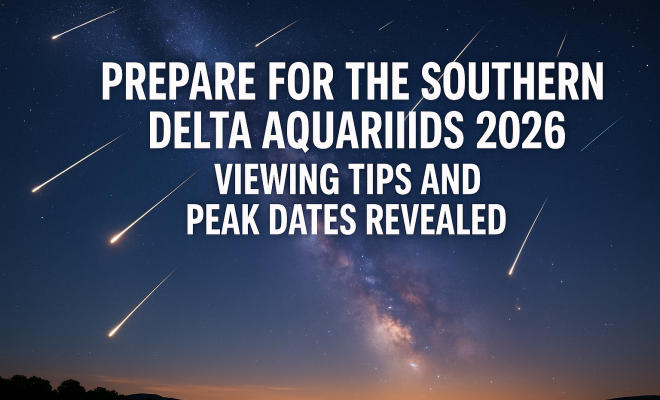
The Southern Delta Aquariids meteor shower is set to light up the night sky from July 18 to August 21, 2026. This annual celestial event promises a dazzling display of meteors, with the peak occurring on July 30 during the pre-dawn hours. However, this year’s shower brings a unique challenge: a Full Moon that could significantly diminish visibility. If you’re an amateur astronomer or simply a stargazer, the Southern Delta Aquariids 2026 offers a thrilling opportunity you won’t want to miss, but it requires some strategic planning.
1. The Meteor Shower Timeline
The Southern Delta Aquariids are a meteor shower that can be observed annually, typically from mid-July to late August. In 2026, the activity will span from July 18 to August 21, offering ample time to catch glimpses of these cosmic travelers. However, if you want to see the most meteors, mark your calendar for the peak night on July 30.
During the peak, the shower is expected to produce between 5 to 7 meteors per hour under average viewing conditions. A major perk of the Southern Delta Aquariids is that in previous years, observers have reported seeing as many as 15 to 20 meteors per hour during ideal circumstances. The radiant point of this meteor shower is located in the constellation Aquarius, which rises in the east-southeast around mid-evening and reaches its highest point in the sky around 2 a.m., making this the prime time for viewing.
2. The Challenge of the Full Moon
One of the most significant challenges for observers during the Southern Delta Aquariids 2026 is the presence of the Full Moon, which will be bright and illuminating the sky during the peak period. This lunar phase occurs just a few days before the peak, and its brightness can wash out the faint meteors, making them difficult to spot. The moonlight will be especially disruptive in urban areas, where city lights can further diminish visibility.
Despite the moon’s interference, experts emphasize that steady meteor activity will continue throughout the shower’s duration. Therefore, savvy stargazers should capitalize on the week leading up to the peak. In this period, the moon will be less intense, providing better opportunities to observe meteors before they reach their maximum rates. This subtlety adds an intriguing twist to the Southern Delta Aquariids 2026 experience, heightening the stakes for those eager to catch a glimpse.
3. Optimal Viewing Conditions
To maximize your chances of witnessing the Southern Delta Aquariids 2026, you’ll need to consider your viewing location carefully. The key is to escape the light pollution of cities and seek out dark-sky areas where the night sky is clear and unobstructed. National parks and rural areas often provide excellent vantage points, but you might also find suitable spots in your local vicinity.
Timing is crucial, too. The best time to observe the meteors is between midnight and dawn, particularly around 2 a.m. when the radiant point is highest. This is when you’re most likely to see the greatest number of meteors streaking across the sky. Be sure to allow your eyes to adjust to the darkness for at least 20 minutes, as this will enhance your ability to see faint meteors.
4. What to Expect During the Shower
As the Southern Delta Aquariids unfold, you can expect to see meteors that are generally swift and quite elusive. The meteors from this shower are known to be faint, and they often produce short, bright streaks of light that can be challenging to catch. This is particularly true when the Full Moon is present, as its glare can easily outshine some of the fainter meteors.
However, the excitement of spotting a meteor, no matter how faint, makes the experience worthwhile. Keep your eyes peeled for meteors that may appear in rapid succession or even a single bright meteor that breaks through the moonlit sky. It’s a unique combination of anticipation and patience that makes meteor shower watching such a captivating activity. (See: Meteor shower overview on Wikipedia.)
5. Engaging the Community
The Southern Delta Aquariids 2026 is generating significant buzz among astronomy enthusiasts and casual stargazers alike, thanks to the dynamic interaction facilitated by social media. Many observers are sharing their experiences, tips, and even their own stunning photos of the meteor shower. This creates an inviting atmosphere for newcomers who may want to join in the excitement.
Participating in local astronomy clubs can also enhance your experience. These groups often organize public viewings and star parties, providing not only a chance to observe the meteors but also to learn from experienced astronomers. Engaging with a community of enthusiasts can enrich your understanding of the celestial event and perhaps spark new friendships based on a shared passion for space exploration.
6. Tech Tools for Meteor Watching
In the age of technology, there are numerous tools and apps available that can enhance your meteor shower experience. Many smartphone applications provide real-time updates on celestial events, including the Southern Delta Aquariids 2026. These apps can help you identify constellations, track the movement of the meteors, and even connect you with other sky watchers in your area.
Additionally, using a good pair of binoculars or a telescope can provide a more immersive viewing experience. While telescopes are not strictly necessary for meteor watching, they can enhance your ability to observe other celestial phenomena alongside the shower, such as planets or deep-sky objects. Just remember that meteors are best viewed with the naked eye.
7. Preparation Tips for Observers
As July approaches, preparation becomes vital for those who wish to make the most of the Southern Delta Aquariids 2026. Start planning your viewing location early, considering factors like accessibility, safety, and visibility of the night sky. Check weather forecasts leading up to the peak days to avoid observing during cloudy or rainy nights.
Another practical tip is to bring along comfortable seating or blankets to enjoy the experience without discomfort. Snacks, drinks, and perhaps a thermos of hot coffee or tea can make your meteor viewing more enjoyable. It’s also a good idea to pack a star map or download a constellation app, as finding the radiant point can help you anticipate where to look for incoming meteors.
8. Documenting Your Experience
Capturing the magic of the Southern Delta Aquariids 2026 can be incredibly rewarding. Whether through photography or journaling, documenting your experience allows you to preserve the memories of this celestial event. For photography, consider using a tripod and a camera with long exposure capabilities to capture the meteors as they streak across the sky.
If you prefer a more personal touch, writing about your experience in a journal or sharing your thoughts online can help connect you with others who share your interest in astronomy. Engaging in discussions on social media or astronomy forums can also spark meaningful conversations about your experiences and insights.
9. A Final Thought: The Beauty of Cosmic Events
The Southern Delta Aquariids 2026 serves as a reminder of the beauty and mystery of the universe. Despite the challenges posed by the Full Moon and light pollution, the thrill of witnessing meteors is an experience unlike any other. These celestial events encourage us to step outside, immerse ourselves in nature, and embrace the wonders of the night sky.
So, as you prepare for this meteor shower, remember to take a moment to appreciate the vastness of the cosmos and the magic it holds. Whether you see one meteor or many, the experience of watching the night sky is both humbling and exhilarating. Don’t miss out on the chance to connect with nature and the universe during the Southern Delta Aquariids 2026.
10. History and Significance of the Southern Delta Aquariids
The Southern Delta Aquariids have a rich history that dates back centuries. Observers have been recording meteor showers for thousands of years, with the Delta Aquariids being first documented around the late 19th century. They are believed to originate from Comet 96P/Machholz, which passes near Earth every five to six years. This connection to a comet makes the Southern Delta Aquariids particularly interesting, as they represent remnants of a celestial body that has traveled through our solar system. (See: NASA's meteor shower information.)
In many cultures, meteor showers have been seen as omens or messages from the divine. For instance, ancient civilizations often associated meteor showers with the activities of gods or significant events on Earth. Today, while we may not attribute the same mystical meanings to these events, the Southern Delta Aquariids continue to inspire wonder and fascination among astronomers and the general public alike.
11. Comparing the Southern Delta Aquariids with Other Meteor Showers
Understanding how the Southern Delta Aquariids compare to other meteor showers can enhance your appreciation for this event. For example, the Perseids, which peak in August each year, offer a much brighter display, often yielding up to 100 meteors per hour under optimal conditions. In contrast, the Southern Delta Aquariids are known for their fainter meteors, but they still offer a unique experience, especially for those who cherish the tranquility of observing a less crowded night sky.
Similarly, the Geminids in December are renowned for their bright, colorful meteors and high hourly rates, making them one of the most popular meteor showers among enthusiasts. While the Southern Delta Aquariids might not match the Geminids in terms of sheer quantity or brightness, they possess their own charm and can be a peaceful way to enjoy the cosmos during the warm summer nights of July.
12. Statistics and Facts About the Southern Delta Aquariids
Here are some intriguing statistics and facts to keep in mind as you prepare for the Southern Delta Aquariids 2026:
- Origin: The meteors are associated with the comet 96P/Machholz.
- Activity Period: The shower typically lasts from July 18 to August 21.
- Peak Rate: Around 5 to 7 meteors per hour, but potentially more under ideal conditions.
- Radiant Point: Located in the constellation Aquarius, which is best viewed after midnight.
- Visibility: Best seen from southern latitudes, although northern viewers can still catch glimpses.
13. FAQs about the Southern Delta Aquariids 2026
What time should I watch for the Southern Delta Aquariids?
The best time to watch for the Southern Delta Aquariids is between midnight and dawn, particularly around 2 a.m., when the radiant point is highest in the sky.
Will the Full Moon affect visibility?
Yes, the Full Moon can wash out faint meteors, making them harder to see. It’s often more beneficial to observe during the nights leading up to the peak when the moonlight is less intense.
Do I need special equipment to see meteors?
No special equipment is needed to see meteors, as they are best observed with the naked eye. However, a reclining chair or blanket can make your viewing experience more comfortable.
Can I photograph the meteors?
Yes! For photography, use a tripod and set your camera to long exposure mode to capture the streaks of light. It’s best to use a wide-angle lens to get more of the sky in the frame.
Where are the best places to watch the Southern Delta Aquariids?
The best places to watch are dark-sky areas away from city lights, such as national parks or rural locations where the night sky is unobstructed. (See: CDC's guidelines for outdoor viewing.)
How can I prepare for meteor watching?
Preparation includes choosing a good viewing location, checking weather forecasts, bringing comfortable seating, snacks, drinks, and using apps or star maps to enhance the experience.
Are the Southern Delta Aquariids visible from the Northern Hemisphere?
Yes, although the best visibility is from southern latitudes, northern observers can still catch glimpses of the meteors.
14. Tips for First-Time Observers
If you’re new to meteor watching, it can feel a bit overwhelming at first. But don’t worry! Here are some tips to help you make the most of your experience:
- Dress Appropriately: Depending on where you are, nights can get chilly, especially in rural areas. Wear layers and bring blankets to stay warm.
- Bring a Friend: Watching meteors can be a delightful social experience. Bringing a friend or family member can enhance the enjoyment and make the wait between meteors more fun.
- Stay Patient: Meteor watching is about patience. Don’t get discouraged if you don’t see many meteors at first; sometimes there can be lulls between the activity.
- Stay Off Your Phone: While it’s nice to take a few photos, try to limit screen time. Your eyes need to adjust to the dark to see meteors clearly.
- Use Constellation Apps: Familiarizing yourself with the night sky can make your experience even more enjoyable. Apps can help you identify constellations while you wait for the meteors.
15. What to Do After the Shower
After experiencing the Southern Delta Aquariids, consider reflecting on the event. You might want to create a scrapbook with any photographs you took, or write a blog post about your experience. Sharing what you saw, how you felt, and any unexpected moments can inspire others to experience the beauty of meteor showers.
Additionally, continue your exploration of astronomy by learning about other celestial events. There are numerous meteor showers throughout the year, each offering its own unique features. The more you engage with the night sky, the more you’ll appreciate its beauty.
16. Conclusion: Embrace the Experience
Embrace the Southern Delta Aquariids 2026 as a chance to connect with nature and the universe. Despite the challenges presented by the Full Moon, the joy of watching meteors is a unique experience that brings people together under the night sky. Whether you’re a seasoned astronomer or a curious observer, this meteor shower can spark a passion for the stars, reminding us of the beauty and wonder that exists beyond our planet.
“`
Trending Now
Frequently Asked Questions
When is the Southern Delta Aquariids meteor shower in 2026?
The Southern Delta Aquariids meteor shower in 2026 will be visible from July 18 to August 21, with the peak occurring on July 30 during the pre-dawn hours.
What is the peak time to see the Southern Delta Aquariids?
The peak time to observe the Southern Delta Aquariids is on the night of July 30, when conditions are expected to yield 5 to 7 meteors per hour under average visibility.
How does the Full Moon affect meteor viewing during the Southern Delta Aquariids?
The Full Moon will significantly brighten the sky during the peak of the Southern Delta Aquariids, making it challenging to see faint meteors. This effect will be more pronounced in urban areas due to additional city lights.
What is the best way to prepare for viewing the Southern Delta Aquariids?
To prepare for viewing the Southern Delta Aquariids, find a dark location away from city lights, plan to observe around 2 a.m. when the radiant point is highest, and check weather conditions for a clear sky.
How many meteors can I expect to see during the Southern Delta Aquariids?
During the peak of the Southern Delta Aquariids, observers can expect to see 5 to 7 meteors per hour under average conditions, with ideal circumstances potentially revealing up to 15 to 20 meteors.
What's your take on this? Share your thoughts in the comments below — we read every one.