Why Imperfect Reviews Build Trust in 2026
“`html
The landscape of consumer buying behavior is undergoing a dramatic transformation, and 2026 online review trends are at the forefront of this shift. A recent analysis from Forbes highlights a compelling shift in how buyers interact with online reviews, emphasizing the value of authenticity over mere perfection. As consumers navigate the myriad of options available to them, they are increasingly prioritizing brands that address their shortcomings head-on.
The Rise of Authenticity in Online Reviews
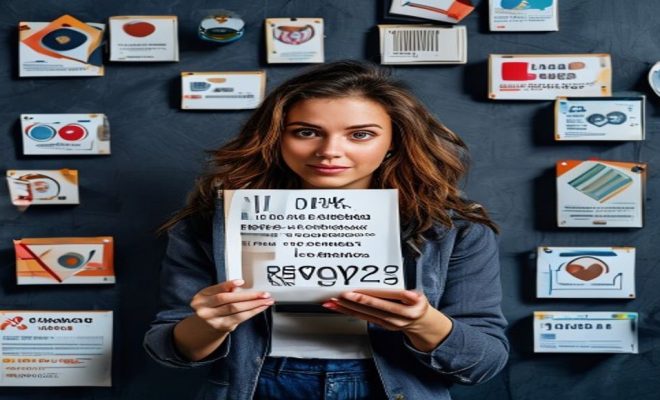
In a world saturated with options, the need for authentic information is stronger than ever. Consumers are no longer seduced by the allure of perfect ratings. Instead, they have adopted a critical approach towards reviews—especially when it comes to evaluating products that boast five-star ratings. Many shoppers are now on the lookout for the recurring complaints that can often be found buried within the sea of positive feedback.
This shift is not just a passing trend; it reflects a deeper societal change. The 2026 online review trends indicate a growing skepticism about the authenticity of flawless ratings, with shoppers actively seeking out flaws and imperfections as part of their research process. This trend is indicative of a broader cultural movement towards transparency and accountability in advertising and marketing. (the messy trend in social media)
Understanding the Skepticism Behind Perfect Ratings
Why are consumers so skeptical of perfect ratings? The answer lies in the emotional connection they have with their purchasing decisions. With countless reports surfacing about fake reviews and deceptive marketing practices, modern consumers are increasingly wary of being misled. The emotional charge derived from the fear of being duped has led shoppers to scrutinize reviews more carefully.
In this context, a product with an unblemished five-star rating might actually raise more eyebrows than it does trust. Consumers have become savvy enough to understand that no product can be flawless, and as a result, they are often left wondering what the catch is. They actively seek out flaws, believing that a well-rounded review, complete with both praise and criticism, is more reflective of real-world use.
The Impact of Social Media on Review Trends
The role of social media in shaping consumer perceptions cannot be understated. Platforms like Twitter, Instagram, and TikTok have become breeding grounds for viral trends, particularly when it comes to sharing ‘red flag’ reviews. Users are not shy about sharing their experiences, especially when they encounter products that fail to live up to their promises.
This trend towards transparency has created a unique dynamic. Consumers are not only sharing their own negative experiences but also amplifying others’ complaints, effectively creating a community-driven watchdog effect. This culture of sharing detailed complaint patterns before making a purchase is fundamentally reshaping the way brands must approach customer feedback.
Brands That Address Negative Feedback Gain Consumer Trust
For businesses, the implications of these trends are significant. Brands that take the initiative to address recurring complaints and actively engage with dissatisfied customers are more likely to earn consumer trust. In fact, the 2026 analysis reveals that transparency about product flaws can actually enhance a brand’s overall credibility. When consumers see that a company is willing to listen and improve, they are more likely to remain loyal, even in the face of criticism.
Smart brands are recognizing that they stand to gain from embracing their imperfections. Rather than shying away from negative feedback, they are proactively seeking it out and responding with tangible solutions. This not only improves product quality but also strengthens customer relationships.
Driving Engagement Through Proactive Communication
As part of this new paradigm, businesses are also encouraged to engage in proactive communication. This means not only addressing complaints but also actively seeking customer feedback and incorporating it into product development processes. Brands that showcase their commitment to improvement resonate well with consumers and create a sense of community.
For instance, consider a company that manufactures skincare products. If they notice a recurring complaint about a specific ingredient causing irritation, they can take steps to reformulate the product and announce these changes to their customer base. This type of proactive engagement fosters a sense of trust and loyalty, aligning with the 2026 online review trends that show consumers prefer brands willing to admit their mistakes and make improvements.
The Counterintuitive Movement: Imperfections as Trust Signals
The trend of valuing imperfections is not just counterintuitive; it’s also revolutionary. Consumers have started to view imperfect ratings as signals of honesty and reliability. A product with a few negative reviews is often seen as more trustworthy, as it suggests that the feedback is genuine and not artificially inflated. (See: the impact of online reviews on trust.)
This movement could have far-reaching implications for marketing strategies in 2026 and beyond. Brands that embrace transparency and acknowledge their flaws may find themselves in a stronger position than those that cling to the old paradigm of perfection. This shift invites companies to rethink their approach to advertising, focusing more on realistic portrayals of their products rather than an idealized version.
Strategies for Businesses in Light of 2026 Online Review Trends
Given this evolving landscape, brands must rethink their strategies concerning online reviews. Here are some actionable steps businesses can take to align with the 2026 online review trends:
- Encourage Honest Feedback: Actively invite customers to leave reviews—both positive and negative. This shows that a brand values all feedback.
- Respond to Reviews: Engage with customers who leave reviews, whether they are positive or negative. This demonstrates that the brand cares and is willing to make changes.
- Address Recurring Complaints: Analyze feedback for common themes and take actionable steps to resolve these issues. Transparency in these actions will build consumer trust.
- Showcase Improvements: When changes are made based on customer feedback, announce these enhancements publicly to reinforce trust and reliability.
- Utilize Social Media: Leverage social media platforms to engage with customers and share success stories about how feedback has led to improvements.
The Importance of Building a Community Around Feedback
One of the most exciting aspects of the 2026 online review trends is the potential for brands to build communities centered around feedback. When consumers feel like they are part of a brand’s journey, they are more likely to become loyal advocates. This sense of belonging can be cultivated through various means, such as user-generated content, social media engagement, and loyalty programs that reward feedback.
Creating open lines of communication fosters a culture of trust and keeps customers engaged. Brands can invite customers to share their thoughts through surveys, social media interactions, or even in-person events. When consumers feel that their voices matter, they are far more likely to recommend the brand to others.
Looking Ahead: The Future of Online Reviews
The comfort zone of relying solely on perfect ratings is fading fast. As we move further into 2026, it will be essential for brands to adapt to these evolving consumer expectations. Those that embrace transparency and authenticity will likely thrive, while others may find themselves left behind.
As technology advances, the nature of reviews may continue to evolve as well. We may see new platforms emerging that prioritize authenticity and community-driven feedback. The rise of AI tools that can analyze sentiment in reviews may also play a role in shaping consumer perceptions.
Ultimately, the 2026 online review trends serve as a reminder that consumers are more informed than ever. They have the power to shape brands through their feedback and experiences. For businesses, adapting to this new reality is not just good practice; it’s essential for survival in a competitive marketplace.
Final Thoughts: Embracing Imperfection
The 2026 online review trends point to a significant shift in how consumers approach purchasing decisions. The emphasis on authenticity, transparency, and accountability will force brands to rethink their strategies and embrace imperfection. As consumers increasingly favor products that invite critique and show a willingness to improve, brands can no longer afford to hide behind perfect ratings.
By acknowledging flaws and addressing recurring complaints, companies can build stronger relationships with their customers, ultimately enhancing loyalty and trust. The era of flawless reviews is waning, and the future lies in the power of honest, real feedback. Brands that get ahead of this trend will not only survive but thrive in the evolving marketplace.
Emerging Technologies Shaping Online Reviews
As we progress through 2026, emerging technologies are set to redefine how consumers interact with online reviews. Innovations such as artificial intelligence (AI) and machine learning are changing the game, allowing brands to analyze consumer feedback on a deeper level.
For instance, AI algorithms can sift through thousands of reviews to identify trends and sentiments that may not be immediately obvious to human analysts. This capability enables brands to respond more effectively to consumer concerns and improve their products based on real-time feedback. In addition, some companies are employing natural language processing to better understand the context and emotions surrounding reviews, leading to more empathetic customer service responses.
Another exciting development is the integration of virtual reality (VR) and augmented reality (AR) into the shopping experience. Imagine a scenario where a consumer can virtually experience a product based on reviews from other users, effectively bridging the gap between online and in-person shopping. This kind of immersive experience can enhance trust, as consumers engage with real user experiences before making a purchase.
The Role of Influencers in Modern Reviews
In today’s digital landscape, influencers play a crucial role in shaping online review trends. Social media influencers, who often have a more personal connection with their followers, can sway opinions and purchasing decisions significantly. Their reviews, which tend to be perceived as more relatable than traditional advertising, can help brands gain traction in a crowded marketplace. (See: authenticity in consumer reviews.)
However, with great power comes great responsibility. Influencers who want to maintain their credibility must ensure their reviews are authentic and not solely driven by financial incentives. This dynamic creates a delicate balance; while influencer reviews can boost visibility, they can also lead to backlash if consumers feel misled.
Brands looking to leverage influencer partnerships should prioritize transparency. Collaborating with influencers who genuinely resonate with their target audience can enhance authenticity, leading to more trusted reviews and recommendations.
Statistics That Highlight the Shift in Online Reviews
Understanding the nuances of consumer behavior regarding online reviews can be bolstered by current statistics. According to a recent survey by BrightLocal, around 79% of consumers trust online reviews as much as personal recommendations. This statistic underscores the power of user-generated content in influencing buying decisions. Furthermore, a staggering 91% of consumers aged 18-34 reported trusting online reviews just as much as they would trust family or friends.
Moreover, a 2026 study revealed that 63% of consumers are likely to read reviews before making a purchase, with over 50% of them admitting that they will avoid a brand with lower ratings, regardless of how well a product might work for them. These findings suggest that brands need to prioritize their online reputation more than ever.
Comparative Analysis: 2026 Trends vs. Previous Years
When comparing the 2026 online review trends to those of previous years, a marked shift is evident. In 2021, the dominant narrative largely revolved around the quantity of reviews and star ratings. Brands were fixated on acquiring as many positive reviews as possible, often neglecting the importance of addressing negative feedback.
Fast forward to 2026, and the focus has shifted significantly toward quality and authenticity. Consumers are less impressed by sheer volume and more interested in the credibility of the reviews they read. The rise of “review fatigue” has prompted consumers to be more discerning, often requiring brands to highlight both positive and negative aspects of their products. See also the AI revolution in admissions.
This evolution emphasizes the necessity for brands to adapt quickly to consumer expectations or risk being left behind. Those who can successfully navigate this shift may enjoy increased loyalty and a stronger brand reputation.
FAQs About 2026 Online Review Trends
What are the top online review trends for 2026?
The key trends include a growing emphasis on authenticity, increased skepticism towards perfect ratings, and the influence of social media on consumer behavior. Brands must engage with feedback proactively and be transparent about their products.
How can brands effectively respond to negative reviews?
Brands should acknowledge the review, express understanding, and offer solutions. This could involve direct communication with the consumer or public responses to show others that the brand is committed to addressing concerns.
What role do influencers play in shaping online reviews?
Influencers can significantly impact consumer perceptions, often providing relatable insights into products. However, their reviews must remain authentic to maintain trust among their followers.
How should businesses adapt their marketing strategies in light of these trends?
Businesses should focus on building community engagement, encouraging honest feedback, and showcasing improvements based on consumer suggestions. Authenticity and transparency should be central to all marketing efforts.
What technologies will impact review trends in the future?
Emerging technologies such as AI, machine learning, and AR/VR are expected to enhance how consumers interact with reviews, providing deeper insights and immersive experiences that can foster greater trust. (See: shifts in consumer buying behavior.)
Ethical Considerations in Online Reviews
As the trends around authenticity and transparency grow, so do the ethical challenges surrounding online reviews. Brands must navigate the fine line between encouraging positive feedback and manipulating it. Ethical practices in gathering reviews are crucial to maintaining a trustworthy reputation.
For example, incentivizing customers to leave positive reviews can lead to biased feedback. While offering discounts or freebies in exchange for reviews might seem like a good strategy to boost ratings, it can backfire if customers feel their voices are not being heard authentically. Brands that engage in such practices risk losing credibility with their audience.
Instead, focusing on genuine customer experiences and encouraging honest opinions—both good and bad—will ultimately build a more robust and trustworthy online presence. Transparency about how reviews are collected and managed can further reinforce a brand’s integrity.
The Global Perspective on Online Review Trends
While the trends described primarily reflect consumer behavior in Western markets, it’s essential to acknowledge that online review trends can vary significantly across different regions. In Asia, for example, platforms like WeChat and Xiaohongshu have unique characteristics that influence how reviews are perceived and utilized.
In many Asian markets, social commerce is increasingly prevalent, combining social media and e-commerce. Reviews play a critical role in these settings, as consumers rely heavily on peer recommendations when making purchasing decisions. Cultural factors also come into play, as some regions might prioritize collective opinions over individual experiences. Understanding these regional differences can be crucial for brands aiming to expand their reach and adapt their review strategies accordingly.
Future Predictions for Online Reviews
Looking towards the future, one can expect that the trends observed in 2026 will continue to evolve. As consumer awareness grows, the demand for authenticity will only intensify. Brands that fail to adapt may find themselves increasingly isolated in the marketplace.
One potential trajectory is the rise of decentralized review platforms, where users can curate their reviews, ensuring that transparency and authenticity are at the forefront. Blockchain technology could play a significant role here, providing a verifiable and tamper-proof method of documenting reviews.
Additionally, as younger generations become the primary consumers, their expectations for authenticity and ethical practices will likely drive brands to be even more accountable. As a result, businesses may increasingly find themselves in a position where they must prioritize ethical communications and align their brand values with those of their customers.
“`
Trending Now
Frequently Asked Questions
Why do consumers trust imperfect reviews more?
Consumers trust imperfect reviews more because they value authenticity over perfection. In 2026, buyers are increasingly skeptical of flawless ratings and prefer to see both positive and negative feedback, which helps them make more informed purchasing decisions.
What are the 2026 online review trends?
The 2026 online review trends highlight a shift towards valuing authenticity and transparency. Consumers are actively seeking out flaws in reviews and are more critical of perfect ratings, reflecting a broader cultural movement towards accountability in marketing.
How has consumer behavior changed regarding online reviews?
Consumer behavior has changed significantly, with buyers now prioritizing brands that acknowledge their shortcomings. Shoppers are more skeptical of perfect ratings and look for honest feedback, indicating a desire for genuine information in their purchasing process.
What impact do fake reviews have on consumer trust?
Fake reviews have led to increased consumer skepticism and wariness. As shoppers fear being misled, they scrutinize reviews more closely, often distrusting products with unblemished ratings, which can raise doubts about their authenticity.
Why are consumers looking for flaws in product reviews?
Consumers are looking for flaws in product reviews as part of a critical research process. This trend stems from a desire for transparency and the understanding that no product is perfect, helping them make better-informed purchasing choices.
Have you experienced this yourself? We'd love to hear your story in the comments.