Iran’s Aggression in Hormuz: Global Oil & US Relations (2026)
Introduction
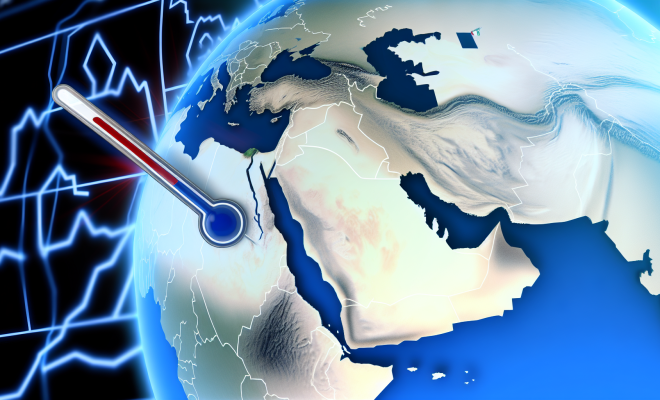
The Strait of Hormuz, a narrow waterway that accounts for a significant portion of the world’s oil supply, has become the focal point of escalating tensions between Iran and international powers, particularly the United States. On April 22, 2026, Iran took a provocative step by firing on three ships in this critical maritime corridor, an action that has raised alarms regarding regional stability and the future of U.S.-Iran diplomatic relations.
The Incident: Details and Immediate Reactions
Reports from the Associated Press, with insights from journalists Jon Gambrell and David Rising, indicate that Iranian forces targeted the vessels without warning. Although specific details regarding casualties or damage have not yet emerged, the incident has heightened fears of a broader military confrontation in a region already fraught with tension.
The Importance of the Strait of Hormuz
The Strait of Hormuz is often described as a vital artery for global commerce, particularly for the oil trade. Approximately one-fifth of the world’s oil supply passes through this narrow passage, making it a strategic point for countries reliant on oil exports. The geopolitical significance of this area cannot be overstated; it’s not only a conduit for energy resources but also a flashpoint for military and diplomatic conflicts.
Iran’s Strategic Calculus
Iran’s decision to open fire on these vessels may be driven by several factors:
- Domestic Politics: Iran’s leadership may be leveraging external conflicts to bolster national unity and distract from domestic issues.
- Regional Influence: By asserting military power in the Strait, Iran seeks to demonstrate its control over a critical global chokepoint, potentially enhancing its bargaining position in future negotiations.
- Response to Sanctions: Ongoing economic sanctions imposed by the U.S. have put significant pressure on Iran. Aggressive military actions might be seen as a calculated risk to gain leverage in diplomatic discussions.
Impact on U.S.-Iran Relations
The firing on ships complicates ongoing diplomatic efforts aimed at resuming nuclear talks between the U.S. and Iran. Following the U.S. withdrawal from the Joint Comprehensive Plan of Action (JCPOA) in 2018, negotiations have been fraught with tension and mistrust. The latest incident could derail any momentum toward dialogue, as Washington may respond with increased sanctions or military presence in the region.
The U.S. Response
The U.S. has a long-standing commitment to ensuring maritime security in the Strait of Hormuz. Given the recent incident, the U.S. government is likely to reassess its strategic approach. Potential responses could include:
- Increased Naval Presence: A heightened military presence in the region may be deployed to deter further Iranian aggression.
- Strengthening Alliances: The U.S. could work to reinforce partnerships with Gulf states to create a united front against Iranian hostilities.
- Diplomatic Outreach: While military options are on the table, there may also be a push for renewed diplomatic channels, albeit with a more stringent stance on Iranian behavior.
International Repercussions
The firing on ships in the Strait of Hormuz not only affects U.S.-Iran relations but also has broader implications for international politics and maritime security. Key considerations include:
Global Oil Markets
Any disruption in the Strait of Hormuz can lead to significant fluctuations in global oil prices. As uncertainty looms, markets may react negatively, resulting in increased costs for consumers and businesses worldwide.
Allied Responses
Allied nations, particularly those dependent on oil transport through the Strait, may feel pressured to respond. Countries like Saudi Arabia and the United Arab Emirates, which have historically been at odds with Iran, might increase their military readiness or engage in joint operations with U.S. forces.
Escalation of Regional Conflicts
The incident could also trigger a series of retaliatory actions. Other regional players, such as Israel or proxy groups aligned with Iran, might become involved, further complicating the security landscape.
Historical Context
To understand the current tensions, it is essential to consider the historical context of U.S.-Iran relations. Since the 1979 Iranian Revolution, relations between the two countries have been characterized by hostility and distrust. Major milestones include:
- 1979 Hostage Crisis: Iranian students seized the U.S. embassy in Tehran, leading to a diplomatic standoff.
- 2003 Iraq War: The U.S. invasion of Iraq removed Iran’s rival, which some analysts believe empowered Tehran’s regional ambitions.
- 2015 Nuclear Deal: The JCPOA aimed to curb Iran’s nuclear program in exchange for sanctions relief, a deal that has since unraveled.
Potential Paths Forward
Given the tense atmosphere following the incident in the Strait of Hormuz, various paths forward could be explored to de-escalate the situation and return to diplomatic engagement:
Diplomatic Channels
Despite the challenges, it is crucial for both the U.S. and Iran to find a way back to the negotiating table. This may involve:
- Backchannel Communications: Engaging in discreet negotiations to prevent further misunderstandings.
- Third-Party Mediation: Involving neutral parties such as Oman or Qatar to facilitate dialogue.
International Cooperation
Strengthening international coalitions focused on maritime security can help deter aggressive actions. Initiatives could include:
- Joint Naval Exercises: Conducting cooperative military operations among allied nations to demonstrate unity.
- Sanctions Enforcement: Ensuring that existing sanctions against Iran are effectively implemented and maintained.
Conclusion
The firing on three ships in the Strait of Hormuz marks a significant escalation in the ongoing tensions between Iran and the United States, complicating efforts to resume nuclear talks. As the international community watches closely, the potential for further conflict looms large. The situation underscores the delicate balance of power in the region and the urgent need for diplomatic solutions to prevent a broader crisis.