87% of Singapore Marketers Stuck in Generic Campaigns
“`html
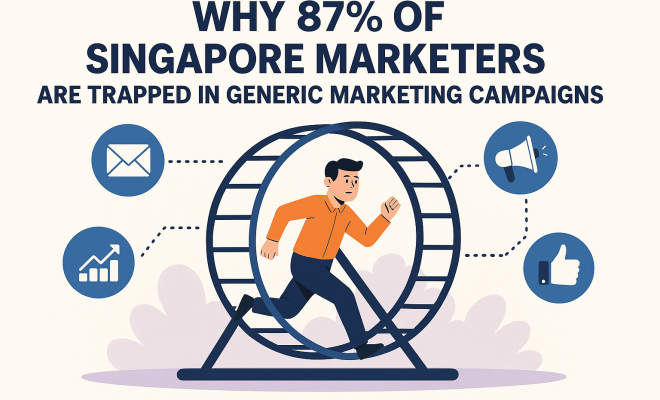
In a startling revelation from a recent Salesforce study, a staggering 87% of marketers in Singapore have admitted to running generic marketing campaigns. This alarming statistic raises critical questions about the efficacy of current marketing strategies and highlights a troubling trend in the industry. With advancements in technology, particularly artificial intelligence (AI), one might expect a more personalized approach to marketing. However, the reality appears to be starkly different.
The State of Marketing in Singapore
Singapore boasts a vibrant marketing landscape, yet this report indicates a significant gap between potential and performance. The findings show that a vast majority of marketers are deploying campaigns that lack the necessary targeting and personalization that modern consumers demand. This reliance on one-size-fits-all strategies not only risks alienating potential customers but also indicates a failure to adapt to the evolving digital marketplace.
Understanding the Generics: Why Are Marketers Sticking to Generic Campaigns?
Many marketers in Singapore find themselves in a rut, relying on generic marketing campaigns that fail to engage their audience effectively. Some key reasons behind this trend include:
- Lack of Data Quality: A significant barrier for marketers is the quality of data available to them. Without accurate and relevant data, creating targeted campaigns becomes nearly impossible.
- Fear of the Unknown: As AI tools become more integrated into marketing strategies, some professionals may feel overwhelmed by new technologies, leading to hesitancy in implementation.
- Resource Constraints: Smaller teams often lack the necessary resources and expertise to develop personalized campaigns, leading them to default to generic options.
These factors contribute to a cycle where marketers feel compelled to stick with tried-and-true generic methods instead of venturing into more innovative tactics.
The Impact of AI on Marketing Strategies
While 84% of marketers acknowledge that AI is reshaping their SEO approaches, the report reveals a disconnect in how effectively these tools are being utilized. Although AI has the potential to revolutionize marketing strategies—allowing for enhanced targeting and personalization—many marketers struggle with optimization. This is primarily due to the data quality barriers they face.
The irony is palpable: despite having access to advanced AI tools that could significantly enhance their marketing efforts, many are left floundering due to inadequate data. This situation raises the question: how can AI be effectively harnessed if the foundational data is flawed?
The Psychological Toll of Generic Campaigns
The emotional charge behind these findings reflects a broader fear of missing out (FOMO) among business leaders. In today’s competitive market, there’s an intense pressure to stay ahead, and realizing that competitors are likely leveraging AI while one’s own strategies remain stuck in the past can be distressing.
As consumers increasingly expect personalized experiences, companies must recognize the risks associated with generic campaigns. Without innovation and responsiveness to consumer needs, businesses risk losing not just market share but also consumer loyalty.
Data Integrity: The Cornerstone of Effective Marketing
Experts in the field are calling for a ‘wake-up call’ for marketers to prioritize data integrity over sheer volume. The study clearly indicates that data quality is a critical barrier for effective marketing strategies. Ensuring that data is accurate, relevant, and up-to-date is not just a technical requirement; it’s a strategic necessity.
Companies can no longer afford to gather data indiscriminately. Instead, they should focus on assembling high-quality data sets that will inform better decision-making. This might include investing in data management tools, training staff on data analytics, and establishing clear protocols for data collection and utilization.
Transforming Generic Marketing Campaigns into Targeted Strategies
The transition from generic to targeted marketing campaigns doesn’t have to be overwhelming or prohibitively expensive. Here are some actionable strategies that marketers can implement: (See: effective marketing strategies.)
- Segment Your Audience: Understand your audience by segmenting them based on demographics, behaviors, and preferences. This allows you to create tailored messages that resonate with each group.
- Leverage AI Tools: Invest in user-friendly AI tools that can help analyze data and generate insights for more targeted campaigns.
- Test and Optimize: Regularly test different messaging strategies and optimize based on performance metrics. This iterative approach can help you develop campaigns that truly engage your target audience.
By adopting these strategies, marketers can pave the way for more effective campaigns that break free from the chains of generic marketing.
The Role of Collaboration in Enhancing Marketing Effectiveness
Another critical element in overcoming the challenges posed by generic marketing campaigns is collaboration among departments. Marketers should work closely with data scientists, IT professionals, and customer service teams. This cross-functional approach can lead to:
- Improved Data Sharing: Facilitating better access to quality data across departments enables marketers to tailor their strategies more effectively.
- Holistic Understanding of Customer Needs: Collaborating with customer service teams can provide insights into customer pain points and expectations, informing marketing strategies.
- Innovative Solutions: Bringing together diverse expertise can lead to more creative solutions that address the complexities of modern marketing.
This teamwork approach can help break the cycle of generic campaigns and lead to more engaging and effective marketing efforts.
Case Studies: Successful Transformations
Looking at industry examples can provide valuable insights into how companies have successfully transitioned from generic marketing campaigns to more targeted approaches.
Example 1: Netflix – With its personalized recommendations and tailored marketing messages, Netflix has built its brand on data-driven marketing strategies. By analyzing viewing habits and preferences, they create personalized experiences that resonate with individual users.
Example 2: Amazon – Amazon leverages its wealth of consumer data to tailor marketing messages and product recommendations. This focus on personalized experiences not only enhances customer satisfaction but also drives sales.
Example 3: Spotify – Spotify has utilized its user data to create personalized playlists and targeted ads. Their “Discover Weekly” feature is a prime example of how understanding user preferences can lead to higher engagement and satisfaction, ultimately increasing subscription renewals.
Example 4: Nike – Nike’s “Nike By You” campaign allows customers to personalize their shoes. This level of customization not only appeals to consumers but creates a deeper emotional connection to the brand, transforming generic marketing into a unique consumer experience.
These companies demonstrate that effective use of data and AI can lead to targeted marketing strategies that outperform generic campaigns.
The Future of Marketing in Singapore
As the marketing landscape continues to evolve, the importance of moving away from generic marketing campaigns will only grow. With the rapid advancement of AI and data analytics, marketers in Singapore must prioritize data integrity, embrace technology, and focus on personalization.
This shift is not just about adopting new tools but also about fostering a culture of innovation within marketing teams. Companies should encourage experimentation with new marketing techniques and learn from both successes and failures.
Additionally, staying informed about industry trends and consumer behavior is crucial. Marketers should invest in continuous learning opportunities, whether through workshops, online courses, or industry conferences. Understanding emerging technologies and how they can be integrated into marketing strategies will be vital for future success. (See: importance of personalized marketing.)
In doing so, they can create campaigns that not only engage consumers but also drive real business results. The challenge lies in recognizing the need for change and taking proactive steps to implement those changes. It’s a wake-up call for an industry that must adapt or risk obsolescence.
FAQ: Common Questions About Generic Marketing Campaigns
What are generic marketing campaigns?
Generic marketing campaigns are broad, one-size-fits-all strategies that often fail to resonate with specific audience segments. They typically lack personalization and do not leverage data to target specific consumer behaviors or preferences.
Why do marketers rely on generic campaigns?
Marketers may rely on generic campaigns due to a lack of quality data, fear of new technologies, or resource constraints that prevent them from creating more targeted approaches.
How can I transition from generic to targeted marketing campaigns?
To transition to targeted campaigns, begin by segmenting your audience, leveraging AI tools for insights, and regularly testing and optimizing your messaging strategies. Collaborating with other departments can also enhance your understanding of customer needs.
What role does AI play in modern marketing?
AI can enhance marketing strategies by enabling better data analysis, enabling personalization, and automating various marketing processes. It has the potential to transform the way businesses engage with consumers.
Are there successful examples of companies moving away from generic campaigns?
Yes, companies like Netflix, Amazon, Spotify, and Nike have successfully transitioned to more personalized marketing strategies by leveraging data and understanding their consumers better.
What are the risks of continuing with generic marketing campaigns?
Continuing with generic marketing campaigns can lead to diminished consumer engagement, loss of market share, and decreased customer loyalty. As consumers increasingly expect personalized experiences, sticking with outdated strategies may hinder business growth.
New Trends in Marketing: A Data-Driven Approach
The marketing landscape is continuously evolving, influenced by technological advancements and shifting consumer expectations. One significant trend is the increasing importance of data-driven marketing. Brands are now relying on analytics to inform their campaigns and ensure they are targeting the right audience with the right message. This shift towards data-driven strategies is essential for moving away from generic marketing campaigns.
According to a recent report by McKinsey, companies that have embraced data-driven marketing are not only achieving a higher return on investment (ROI) but are also seeing an increase in customer loyalty. By utilizing data analytics, businesses can refine their targeting to meet the specific needs and preferences of their consumers, making their campaigns more effective.
The Importance of Customer Feedback
In addition to data analytics, customer feedback has become a pivotal component in shaping marketing strategies. Brands that actively seek and implement customer feedback can better align their campaigns with consumer expectations. This not only fosters loyalty but also minimizes the risk of launching generic campaigns that do not resonate with the audience. (See: impact of data quality on marketing.)
For example, companies that utilize customer surveys, focus groups, and social media interactions can gather valuable insights into what their customers truly want. This direct line of communication allows brands to adjust their messaging and offers, ensuring they stay relevant and engaging.
Measuring the Success of Targeted Campaigns
Another crucial aspect of moving away from generic marketing campaigns is the ability to measure success accurately. Marketers should implement Key Performance Indicators (KPIs) that specifically track the effectiveness of targeted strategies. Metrics such as conversion rates, customer engagement levels, and brand awareness can provide a clearer picture of how well a campaign is performing.
For instance, if a company implements a new personalized email marketing campaign, tracking open rates and click-through rates can help assess its impact. Better yet, utilizing A/B testing to compare the performance of different messaging tactics can further refine the approach, allowing marketers to optimize their strategies in real-time.
Overcoming Resistance to Change
Transitioning from generic marketing campaigns to more targeted approaches often meets resistance within organizations. Employees may feel overwhelmed by the prospect of learning new technologies or adapting to new processes. It’s important for leadership to foster a culture that embraces change by providing the necessary training and resources to ease this transition.
One effective way to encourage this shift is through workshops and training sessions that focus on the benefits of data analytics, AI tools, and effective communication strategies. By equipping teams with the right knowledge and skills, businesses can cultivate a proactive mindset towards marketing innovation.
Conclusion: Embracing Change for Lasting Impact
The Salesforce report serves as a crucial reminder that while technology is advancing at a breakneck pace, the marketing strategies employed must also evolve. Marketers in Singapore, and beyond, need to wake up to the reality that generic marketing campaigns are no longer sufficient. By focusing on data quality, collaboration, and embracing AI, they can move towards more targeted and effective marketing strategies.
The question remains: will you be part of the solution or continue to rely on generic methods that yield diminishing returns? The future of marketing is bright for those willing to adapt and innovate, leaving behind the era of generic campaigns.
“`
Trending Now
Frequently Asked Questions
Why are many marketers in Singapore using generic marketing campaigns?
A significant 87% of marketers in Singapore are resorting to generic marketing campaigns due to factors like poor data quality, fear of new technologies like AI, and limited resources. This reliance on one-size-fits-all strategies undermines their effectiveness in engaging modern consumers.
What are the consequences of generic marketing campaigns?
Generic marketing campaigns risk alienating potential customers and reflect a failure to adapt to the evolving digital landscape. This approach may lead to missed opportunities for personalization that today's consumers expect.
How does data quality affect marketing campaigns in Singapore?
The quality of available data is crucial for creating targeted marketing campaigns. Poor data limits marketers' ability to personalize their strategies, leading many to default to generic campaigns that fail to resonate with their audience.
What role does AI play in marketing strategies today?
AI has the potential to revolutionize marketing by enabling personalized strategies. However, many marketers in Singapore feel overwhelmed by these new technologies, leading to hesitancy in their implementation and a continued reliance on generic campaigns.
What challenges do small marketing teams face?
Smaller marketing teams often encounter resource constraints that hinder their ability to develop personalized campaigns. This lack of resources and expertise pushes them to use generic marketing methods, which may not effectively engage their target audience.
Agree or disagree? Drop a comment and tell us what you think.