2026: Financial Strain Fuels a Quiet Mental Health Epidemic
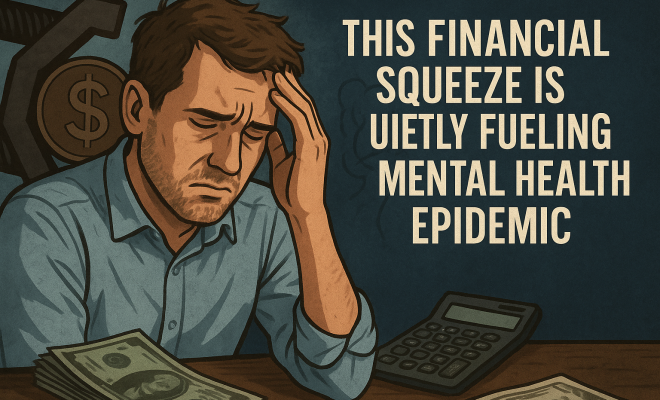
It’s 2026, and if you’re feeling the pinch, you’re far from alone. Four out of five Americans are reportedly grappling with financial strain right now, a truly staggering statistic that points to something much deeper than just balancing the books. What we’re witnessing is a rapidly escalating mental health crisis, with financial stress emerging as a dominant force, driving anxiety and depressive symptoms across the nation.
Think about that for a moment: 80% of your neighbors, friends, and family are likely experiencing some level of financial anxiety. This isn’t just about ‘making ends meet’ anymore; it’s about the profound, often debilitating, impact that economic uncertainty, relentless inflation, and mounting debt are having on our minds and bodies. It’s a ‘triple squeeze’ that’s leaving many, particularly those with lower incomes, feeling trapped and overwhelmed. The connection between financial stress and mental health is undeniable, and it’s a topic that demands our urgent attention.
1. The Unseen Burden: How Financial Strain Becomes Mental Anguish
Let’s be honest, talking about money can feel incredibly personal, even taboo. But the silence surrounding financial struggles doesn’t make them disappear; it often amplifies their effect on our mental state. When we’re constantly worried about bills, debt, or job security, our brains enter a state of chronic stress. This isn’t just a fleeting concern; it’s a persistent, low-level hum of anxiety that wears us down day after day.
This constant worry can manifest in a myriad of ways. You might find yourself replaying negative financial scenarios in your head, struggling to focus at work, or feeling a general sense of dread when checking your bank balance. It’s a heavy, unseen burden that drains your emotional reserves, making it harder to cope with even minor daily stressors. The sheer ubiquity of financial stress mental health issues today means we need to start having these conversations openly and without judgment.
2. Anxiety’s Ascent: The Direct Link to Economic Uncertainty
Recent data paints a clear, if concerning, picture: anxiety diagnoses are on the rise. While there are many factors at play, economic uncertainty is undeniably a major contributor. When the future feels unpredictable – whether it’s concerns about job security, the rising cost of living, or the stability of the broader economy – our sense of safety and control eroding. This fertile ground for anxiety to take root and flourish.
Inflation, in particular, has been a brutal reality for many. Watching the cost of everyday necessities like groceries and gas skyrocket while wages stagnate creates a perpetual feeling of falling behind. This isn’t just an abstract economic concept; it’s a visceral experience that impacts everything from what we put on our dinner tables to how we plan for our children’s futures. And that persistent worry, that feeling of being squeezed, directly translates into elevated anxiety levels across the population. It’s a direct assault on our mental well-being, fueled by forces often beyond our immediate control.
3. The Debt Dilemma: A Crushing Weight on Daily Life
Debt, for many Americans, isn’t just a number on a statement; it’s a crushing weight that impacts every aspect of their lives. Half of all Americans in debt report that financial stress disrupts their daily routines. That’s a huge portion of the population for whom debt isn’t just an inconvenience but a significant impediment to a healthy, functional life. Think about it: waking up every day with the weight of student loans, credit card balances, or mortgage payments hanging over your head can be utterly debilitating.
This disruption manifests in tangible ways. We’re talking about trouble sleeping, chronic fatigue, irritability, and even physical symptoms like headaches or stomach issues. When your mind is constantly preoccupied with how you’re going to pay off what you owe, it leaves little room for joy, creativity, or even basic self-care. The cycle is vicious: debt causes stress, stress impairs judgment and energy, which can make it harder to address the debt, leading to more stress. Breaking this cycle is absolutely crucial for addressing financial stress mental health.
4. The ‘Triple Squeeze’: Low Income, High Pressure
While financial stress is widespread, its impact is disproportionately felt by those with lower incomes. This is where the ‘triple squeeze’ really hits hard: they’re often the first to feel the sting of inflation, have fewer resources to absorb unexpected expenses, and are more likely to rely on credit, leading to higher debt burdens. For these individuals, financial precarity isn’t just a theoretical concern; it’s a daily battle for survival.
Imagine trying to make ends meet on a tight budget while prices for everything continue to rise. Every decision becomes a high-stakes calculation. Can you afford that doctor’s visit? Will you have enough for rent this month? This constant pressure cooker environment leaves little space for mental rest or emotional resilience. It’s a stark reminder that economic inequality isn’t just about income gaps; it’s about significant disparities in mental well-being and access to peace of mind. (See: financial stress and mental health.)
5. Beyond the Bank Account: The Ripple Effects on Relationships and Work
The impact of financial stress doesn’t stay confined to your personal finances; it inevitably spills over into other critical areas of your life. Relationships, both romantic and familial, are often among the first casualties. Money disagreements are a leading cause of conflict and divorce, and it’s not hard to see why. When both partners are stressed about money, patience wears thin, communication breaks down, and resentment can fester.
At work, financial worries can severely impact productivity and focus. It’s incredibly difficult to concentrate on tasks when your mind is racing through scenarios of how to pay overdue bills. This can lead to decreased performance, missed opportunities for advancement, and even job loss, further exacerbating the financial problem. The pervasive nature of financial stress mental health challenges means it’s a societal issue, not just an individual one.
6. The Quest for Relief: Finding Support for Financial Stress Mental Health
Given the widespread nature of this crisis, it’s no surprise that people are actively seeking solutions. The good news is that there are resources available, and recognizing the problem is the first crucial step. Many are turning to therapy specifically for financial anxiety, understanding that these worries aren’t just practical but deeply emotional.
Therapists can help individuals develop coping mechanisms, challenge negative thought patterns, and build resilience in the face of financial challenges. Beyond professional help, exploring financial wellness programs, debt consolidation options, or even budgeting tools can provide practical pathways to regaining control. It’s about combining mental health strategies with concrete financial action plans.
7. Practical Steps: From Budgeting to Debt Consolidation
While addressing the emotional toll is vital, practical steps can significantly alleviate financial stress. One of the most fundamental is creating a realistic budget. It might sound simplistic, but understanding exactly where your money goes can be incredibly empowering. Tools and apps can make this process less daunting, providing a clear picture of your financial inflows and outflows. This builds on report on health challenges.
For those weighed down by debt, exploring options like debt consolidation can offer a lifeline. By combining multiple high-interest debts into a single, lower-interest payment, you can simplify your finances and potentially save a significant amount of money. This can free up mental space and provide a clear path forward. Similarly, looking into mortgage refinance options if interest rates are favorable can reduce monthly housing costs, providing much-needed breathing room. The key is to be proactive and explore all available avenues to ease the burden of financial stress mental health.
8. The Power of Community: Sharing the Burden
One of the most potent antidotes to financial stress and its mental health fallout is realizing you’re not alone. The fact that 4 in 5 Americans report financial strain means there’s a vast, shared experience here. Talking about money, sharing struggles, and seeking advice from trusted friends, family, or support groups can be incredibly liberating. It breaks down the wall of shame and isolation that often accompanies financial difficulties.
Online forums, local community groups, and even financial literacy workshops can provide a sense of camaraderie and practical solutions. Hearing how others have navigated similar challenges, or simply having a space to vent without judgment, can significantly reduce the emotional load. Remember, vulnerability isn’t weakness; it’s a pathway to connection and collective strength when facing something as pervasive as financial stress mental health.
9. The Physiology of Financial Stress: What Happens to Your Body
It’s not just your mind that takes a hit when financial stress is a constant companion. Your body also reacts dramatically. When you’re under chronic stress, your adrenal glands pump out cortisol and adrenaline. These hormones are great for short-term ‘fight or flight’ situations, but a continuous flood of them can wreak havoc on your system.
You might experience increased heart rate and blood pressure, which can contribute to long-term cardiovascular problems. Digestive issues like irritable bowel syndrome (IBS) or ulcers become more common. Your immune system can weaken, making you more susceptible to illnesses. Sleep disturbances are almost a given – tossing and turning, waking up frequently, or having trouble falling asleep because your mind won’t shut off from financial worries. Over time, this constant physiological activation can lead to chronic fatigue, muscle tension, and even skin problems like eczema or acne breakouts. It’s a full-body assault, making the link between financial stress and mental health a truly holistic one.
10. The Link to Depression: When Worry Turns to Despair
While anxiety often manifests as worry about the future, financial stress can also be a significant trigger for depression. When you feel trapped, hopeless, or powerless over your financial situation, these feelings can easily spiral into depressive symptoms. You might lose interest in activities you once enjoyed, feel persistently sad or empty, experience changes in appetite or weight, or struggle with feelings of worthlessness.
For some, the burden of financial stress can feel so overwhelming that it leads to thoughts of self-harm or suicide. This is a critical point where professional intervention is not just recommended, but absolutely necessary. It’s vital to recognize that depression isn’t a sign of personal failure; it’s a serious medical condition that requires treatment. The economic circumstances may be external, but their internal impact can be profound. Creating safety nets and accessible mental health services is crucial for preventing financial despair from turning into a deeper crisis. (See: statistics on mental health issues.)
11. Generational Impacts: Breaking the Cycle of Financial Anxiety
Financial stress isn’t just an individual struggle; it can cast a long shadow across generations. Children growing up in households plagued by financial instability often internalize their parents’ anxieties. They might witness arguments about money, experience scarcity, or feel the pressure of their family’s economic struggles. This can lead to their own struggles with financial anxiety and potentially unhealthy money habits later in life, perpetuating a cycle.
Conversely, parents who are financially stressed might have less emotional bandwidth for their children, impacting family dynamics and child development. Breaking this cycle involves not only addressing current financial woes but also teaching financial literacy and healthy money mindsets to younger generations. Openly discussing money (in an age-appropriate way) and modeling responsible financial behavior, even when things are tough, can lay the groundwork for better financial stress mental health outcomes for future generations.
12. Technology’s Double-Edged Sword: Apps, Social Media, and Financial Well-being
In our increasingly digital world, technology plays a complex role in financial stress. On one hand, budgeting apps, investment platforms, and financial planning tools can be incredibly empowering, offering transparency and control. They can help you track spending, set savings goals, and manage investments with ease, reducing some of the practical burdens that lead to stress.
On the other hand, social media can amplify financial anxiety. The curated highlights reel of friends’ lavish vacations, new cars, or home renovations can trigger feelings of inadequacy and “keeping up with the Joneses.” This constant comparison, often with unrealistic or misleading portrayals of wealth, can fuel discontent and increase pressure to spend beyond one’s means. Additionally, the constant notifications from banking apps about low balances or upcoming bills can create a perpetual state of vigilance, further contributing to chronic stress. It’s about finding a balance and using technology intentionally to support, rather than undermine, your financial and mental well-being.
13. The Role of Employers: Fostering Financial Wellness in the Workplace
Since financial stress impacts productivity and job retention, employers have a vested interest in their employees’ financial well-being. Forward-thinking companies are recognizing this and implementing financial wellness programs as part of their employee benefits. These programs can range from access to financial advisors and credit counseling services to workshops on budgeting, debt management, and retirement planning.
Creating a workplace culture where employees feel comfortable discussing financial challenges (perhaps through anonymous resources) can also be beneficial. When employees feel supported in managing their finances, they’re likely to be more engaged, focused, and less stressed, ultimately benefiting both the individual and the organization. It’s an investment in human capital that pays dividends in mental health and overall performance.
Frequently Asked Questions About Financial Stress and Mental Health
Q1: What exactly is “financial stress mental health”?
Financial stress mental health refers to the direct and significant impact that worries about money, debt, job security, and economic uncertainty have on an individual’s psychological well-being. It encompasses a range of symptoms, from mild anxiety and irritability to severe depression, panic attacks, and even thoughts of self-harm. It highlights that financial struggles aren’t just practical problems; they’re deeply emotional and can profoundly affect your mental state.
Q2: How common is financial stress in the US?
Extremely common. Current reports indicate that as many as 4 out of 5 Americans are experiencing some level of financial strain. This widespread prevalence makes it a major public health concern, affecting a vast majority of the population across different income levels and demographics.
Q3: Can financial stress cause physical symptoms?
Absolutely. Chronic financial stress triggers your body’s “fight or flight” response, leading to an overproduction of stress hormones like cortisol. This can manifest physically as headaches, stomach issues (like IBS), muscle tension, sleep disturbances (insomnia), high blood pressure, increased heart rate, and a weakened immune system. Over time, these physical symptoms can contribute to more serious health problems.
Q4: What are the main mental health conditions linked to financial stress?
The primary mental health conditions linked to financial stress are anxiety disorders (including generalized anxiety, panic attacks, and social anxiety) and depressive disorders (ranging from persistent low mood to major depression). Financial stress can also exacerbate existing mental health conditions or trigger new ones, and it’s often a significant factor in increased irritability, mood swings, and feelings of hopelessness.
Q5: Is there a link between financial stress and relationship problems?
Yes, a very strong one. Money is a leading cause of conflict and divorce among couples. Financial stress can lead to arguments, blame, secrecy, and a breakdown in communication between partners. It can also reduce intimacy and create resentment, as both individuals may feel overwhelmed and unsupported, leading to significant strain on relationships.
Q6: What are some immediate steps I can take to reduce financial stress?
Start with practical steps: create a realistic budget to understand your cash flow, prioritize essential expenses, and look for small areas to cut back. For mental relief, practice mindfulness or deep breathing exercises. Talk to a trusted friend or family member, or consider seeking professional help from a financial advisor or therapist. Even small actions can provide a sense of control and reduce immediate anxiety.
Q7: When should I seek professional help for financial stress mental health?
You should seek professional help if your financial stress is consistently disrupting your daily life, sleep, relationships, or work. If you’re experiencing persistent feelings of sadness, hopelessness, panic attacks, or having thoughts of self-harm, it’s crucial to reach out to a mental health professional (therapist, counselor, or psychiatrist) immediately. They can provide coping strategies and, if necessary, medical treatment.
Q8: Are there resources available for financial education or debt management?
Many resources exist! Non-profit credit counseling agencies offer free or low-cost advice on budgeting and debt management. Online tools and apps can help with budgeting and tracking expenses. Additionally, many communities offer financial literacy workshops, and some employers provide financial wellness programs. Don’t hesitate to research local and national organizations dedicated to financial guidance.
Q9: Can financial stress affect my productivity at work?
Definitely. When your mind is preoccupied with financial worries, it’s incredibly difficult to focus on work tasks. This can lead to decreased concentration, poor decision-making, missed deadlines, and overall reduced productivity. In severe cases, it can even contribute to absenteeism or job loss, creating a negative feedback loop with your financial situation. We covered top apps for anxiety relief in more detail.
Q10: How can I talk to my family or partner about financial stress?
Approach the conversation calmly and choose a time when you both can talk without distractions. Start by expressing your feelings using “I” statements (e.g., “I’m feeling really anxious about our finances lately”) rather than accusatory language. Be open about your struggles and listen to their concerns. The goal is to collaborate on solutions, not assign blame. Consider setting regular, short check-ins about finances to keep communication open.
The widespread nature of financial stress in 2026 isn’t just a headline; it’s a daily reality for millions, deeply intertwined with our collective mental health. Recognizing this connection is the first step towards building resilience, seeking appropriate support, and implementing practical strategies. It’s a tough road, but by addressing both the practical and emotional aspects of financial well-being, we can start to reclaim our peace of mind.
Trending Now
Frequently Asked Questions
How does financial stress affect mental health?
Financial stress can lead to chronic anxiety and depressive symptoms. When individuals worry about bills, debt, or job security, it creates a persistent state of stress that impacts their emotional well-being, making it harder to cope with daily challenges.
What are the signs of financial anxiety?
Signs of financial anxiety include constant worry about money, difficulty focusing at work, replaying negative financial scenarios, and feeling dread when checking bank balances. These symptoms can drain emotional reserves and contribute to a broader mental health crisis.
Why is financial strain a growing issue in America?
Financial strain is escalating due to factors like relentless inflation, mounting debt, and economic uncertainty. With four out of five Americans experiencing financial stress, this issue is becoming a significant contributor to the national mental health crisis.
How can I cope with financial stress?
Coping with financial stress involves open conversations about money, seeking support from friends or professionals, and developing a budget. It's essential to address the emotional impact of financial strain to maintain mental health and resilience.
Is financial stress a common problem?
Yes, financial stress is a common issue, affecting approximately 80% of Americans. This widespread experience highlights the urgent need for discussions around financial health and its significant impact on mental well-being.
What's your take on this? Share your thoughts in the comments below — we read every one.