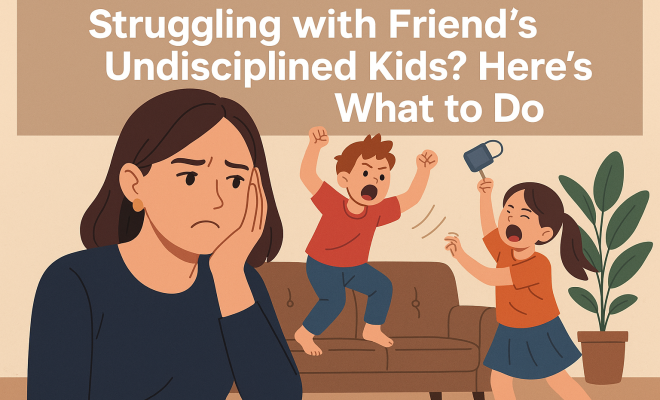
Struggling with Friend’s Undisciplined Kids? Here’s What to Do
“`html
In a world where the dynamics of parenting and friendship often intersect, many find themselves facing a dilemma that can feel overwhelming. A recent Dear Abby column highlighted the struggles of one woman who is feeling the weight of parenting her close friends’ children. These children, described as lacking basic manners and self-control, have become a source of exhaustion for her. This article delves into the complexities of this situation, offering meaningful parenting advice for those in similar situations.
The Situation Unfolded
In the June 19, 2026 column, a woman reached out to Abby, expressing her fatigue from constantly caring for her friends’ undisciplined children. While she clearly loves her friends, the burden of managing their kids has taken its toll. This situation is not uncommon, and many parents find themselves in similar predicaments where they feel they are volun-told into a role that wasn’t theirs to begin with. The sheer exhaustion from babysitting unruly kids can lead to resentment, especially when it feels like you’re doing the heavy lifting in the parenthood department.
Understanding the Dilemma
The heart of the issue revolves around the balance between loyalty to friends and the need to maintain one’s well-being. When children behave poorly due to a lack of discipline, it can create a ripple effect, impacting not just the immediate family but also those around them. The woman from the column expressed concern over how her friends may be unaware of the toll their negligence is taking on her, which is a common theme in many friendships where parenting styles differ.
It brings to light an essential question: how do we address our friends’ parenting failures without jeopardizing the friendship? This dilemma is amplified by societal pressures and expectations around how children should be raised, making the conversation about discipline all the more uncomfortable.
The Role of Boundaries
Abby’s response emphasized the significance of setting firm boundaries. Boundaries are essential in any relationship, but they become even more critical when children are involved. For many parents, particularly those who feel like they are taking on the role of an unofficial caregiver, it’s vital to articulate what you can and cannot handle. This might involve having a conversation with your friends about their children’s behavior and how it affects you.
Establishing boundaries does not mean you’re abandoning your friends; rather, it’s a way to protect your own mental health. For example, if playdates become too taxing, you might suggest a limit on how often they occur, or propose an alternative where the children are engaged in structured activities that require less direct oversight from you.
Learning to Say No
One of the key pieces of parenting advice that often gets overlooked is the power of saying no. Many parents feel obligated to help friends out of a sense of loyalty or guilt. But sometimes, saying no can be the healthiest option, both for you and for your friends. It allows you to take control of your personal space and mental well-being.
When you say no, it’s essential to communicate your reasoning to your friends clearly. A simple, honest conversation about your feelings can help them understand your perspective. You could say something like, ‘I love spending time with you and your kids, but I need to take a step back because it’s been really exhausting for me.’ This approach reinforces that it’s not about them or their kids but about your need for self-care.
The Impact of Enabling Neglect
Continuing to care for undisciplined children can inadvertently enable poor parenting practices. When you step in to manage behaviors that should be addressed by the parents, you might be giving them a pass to avoid confronting their own shortcomings. This phenomenon can lead to a cycle where parents may not realize the extent of their children’s misbehavior, believing someone else is always there to pick up the slack. (See: CDC resources on parenting and child behavior.)
Enabling can create a toxic environment where children learn that they do not need to behave properly because someone else will handle the consequences of their actions. This can result in a lack of accountability and a skewed understanding of acceptable behavior.
Communicating with Empathy
While it’s crucial to set boundaries, how you go about this communication makes a significant difference. Approaching the subject with empathy is key. Frame your concerns in a way that aligns with your friends’ best interests as parents. Instead of placing blame on them, focus on how the situation affects your well-being, which might resonate more effectively.
For instance, you could express how you often feel drained after playdates and suggest that perhaps more structured activities could help everyone involved. This not only shows your friends that you care but also invites them to reflect on their parenting choices without feeling attacked.
Finding Support in Shared Experiences
It’s worth noting that many parents experience similar frustrations, making it essential to find a support system. Whether it’s joining a parenting group or simply confiding in trusted friends who are in the same boat, sharing your experiences can provide relief. Knowing that others share your feelings can be validating and can lead to constructive discussions about how to manage challenging situations.
Moreover, these support systems can offer various tactics and strategies that have worked for them. You might discover new ways to handle unruly children or techniques to encourage your friends to be more involved in their parenting responsibilities.
The Importance of Self-Care
Self-care is not just a buzzword; it’s a necessity, especially for parents. Taking time for yourself is crucial for maintaining your mental health. This might include hobbies, exercise, or simply enjoying quiet time away from the chaos of children. When you prioritize self-care, it allows you to recharge and be a better friend and parent to your own children.
Setting aside time for self-care may also provide you with the mental space to reflect on your priorities and boundaries. When you feel more balanced, you’re better equipped to engage in meaningful conversations with your friends about their parenting styles without feeling overwhelmed or defensive.
Seeking Professional Help
If you find that the stress of the situation becomes unmanageable, seeking professional advice may be beneficial. Family therapists or parenting coaches can provide strategies that help you navigate these challenges more effectively. They can offer insight into how to communicate your feelings to friends and how to handle the emotional strain that comes from being the unofficial parent.
Professional help can also offer techniques for your friends to implement at home, which may help alleviate the burden you’re feeling. It’s an investment in not only your well-being but in your friendships and communal relationships as well.
Practical Strategies for Effective Communication
When it comes to broaching the subject with your friends, having a plan can make a significant difference. Here are some practical strategies to help communicate your feelings effectively:
- Choose the Right Time: Find a moment when both you and your friend are relaxed and not preoccupied. Avoid bringing up sensitive topics during a stressful situation.
- Use “I” Statements: Focus on how their children’s behavior affects you rather than placing blame. For example, say “I feel overwhelmed when…” instead of “Your kids are out of control.”
- Be Solution-Oriented: After sharing your feelings, suggest possible solutions or alternatives that could benefit everyone.
- Practice Active Listening: Give your friends the chance to express their views and feelings on the matter. This can foster a constructive dialogue.
Statistics on Parenting Stress
Understanding the broader context of parenting stress can lend perspective to your situation. Studies indicate that approximately 70% of parents report feeling overwhelmed by the demands of parenting. Another survey found that nearly 60% of parents felt they lacked adequate support from friends and family, which highlights how common these feelings are. Recognizing that you are part of a larger group experiencing similar struggles can provide comfort and validation. (See: NIH on child behavior and development.)
Expert Perspectives on Parenting and Friendship
Various experts weigh in on the intersection of parenting and friendships. Dr. Laura Markham, a clinical psychologist and parenting coach, emphasizes that maintaining friendships requires open communication. She states, “Friendship dynamics can shift significantly when children enter the picture. It’s essential to have honest dialogues about parenting styles and how they can impact those around you.”
Similarly, Dr. Daniel Siegel, a renowned psychiatrist, encourages parents to foster emotional intelligence in their children, which can ease tensions in group settings. He notes, “When parents model empathy and effective communication, it not only benefits their children but can enhance the relationships they have with other parents.”
Common Parenting Styles and Their Impact on Friendships
Understanding different parenting styles can also elucidate the dynamics at play in your friendship. Here are a few common styles:
- Authoritative: This style balances rules with warmth. Parents set clear expectations while being responsive to their children’s needs, often leading to well-behaved children.
- Permissive: Permissive parents tend to be lenient and may avoid setting enforced rules. This can lead to children who may lack discipline and boundaries.
- Authoritarian: These parents enforce strict rules and expect obedience, often without providing warmth. This can create children who are anxious or act out in social settings.
Recognizing these styles can help you navigate the differences in your friendships, providing insights into how to communicate more effectively with friends who parent differently.
Tips for Encouraging Better Behavior in Kids
While it’s not your responsibility to discipline someone else’s children, there are positive strategies you can use to foster better behavior during interactions:
- Engage Them in Activities: Kids often misbehave out of boredom. Engaging them in structured activities can keep them occupied and reduce unruly behavior.
- Model Good Behavior: Demonstrating kindness, respect, and patience can encourage children to mimic those behaviors.
- Positive Reinforcement: Acknowledge and praise good behavior. This can motivate kids to repeat those positive actions in the future.
FAQs Regarding Parenting Challenges
What should I do if my friends get defensive when I mention their children’s behavior?
If your friends become defensive, recognize that it’s a natural response. Encourage them to share their thoughts and feelings, and remind them that your intention is to support rather than criticize. Open dialogues can help defuse tension.
How can I maintain friendships if we have drastically different parenting styles?
Focus on understanding and respecting each other’s parenting choices. Try to set up playdates in environments that allow for structured activities, and discuss boundaries openly to ensure all parties are comfortable.
Is there a way to suggest changes without making it seem like I’m judging their parenting?
Absolutely! Frame your suggestions as personal experiences rather than critiques. You might say, “I’ve noticed that children tend to thrive in structured environments; perhaps we could try some organized activities during our next playdate?”
What if I feel overwhelmed by my own parenting responsibilities?
It’s essential to take a step back and reassess your priorities. Consider seeking help from family or friends, or reaching out to parenting groups for support. Self-care is crucial, and there’s no harm in asking for assistance.
Strategies to Foster Emotional Intelligence in Children
Emotional intelligence is a vital skill that can help children navigate their feelings and interactions with others, reducing conflicts and promoting more respectful behavior. Here are some strategies that can be beneficial:
- Encourage Expression: Create an environment where children feel safe expressing their emotions. Encourage them to talk about how they feel, which can help them articulate their feelings instead of acting out.
- Teach Empathy: Use role-playing or stories to illustrate empathy. Helping children understand how others feel can lead to more considerate behaviors.
- Model Emotional Regulation: Show children how you manage your emotions. When you’re upset, explain why and how you calm down. This sets an example for them to follow.
How Technology Impacts Parenting Dynamics
In today’s digital age, technology plays a significant role in parenting dynamics and can also influence friendships. Social media platforms give parents a space to share their experiences, seek advice, and find community support. However, it can also create social pressure to present a “perfect” parenting image.
Many parents report feeling inadequate when comparing their parenting journeys with those shared online. This can lead to feelings of isolation and stress. It’s vital to remember that social media often highlights the best moments and can distort the reality of parenting challenges. Building friendships based on honesty and shared struggles can counteract some of these pressures.
Wrapping Up: Empowering Yourself in Parent Relationships
Ultimately, navigating the delicate balance of friendship and parenting requires honesty, empathy, and courage. The case presented in the Dear Abby column is just one example of a widespread issue that so many can relate to. By setting boundaries, learning to say no, and prioritizing self-care, you can protect your mental health while still being a supportive friend.
Parenting is a journey filled with challenges, and while it’s easy to take on responsibilities that aren’t ours, it’s essential to recognize when it’s time to step back. Engaging in open dialogues can foster healthier relationships not just for you but for the children involved as well.
As parents, we all strive to raise respectful and well-behaved children, and it starts with the environment we create and the boundaries we set. So, if you find yourself in a similar predicament as the woman from the column, take a step back and consider your needs first — you might be surprised how much more fulfilling your friendships can be when you do.
“`
Trending Now
- this guide on the relationship between object permanence and cognitive development in infants
- this guide on how adhd affects executive function and emotional regulation in high school
- our breakdown of the role of nonverbal communication in pragmatic language development
- read the full story
Frequently Asked Questions
How can I handle my friend's undisciplined kids?
Managing a friend's undisciplined kids can be challenging. It's important to set boundaries and communicate your feelings honestly. Consider discussing your concerns with your friend in a respectful manner, focusing on how their children's behavior affects you and your relationship.
What should I do if my friend ignores my parenting advice?
If your friend disregards your advice, it's crucial to respect their parenting choices while maintaining your boundaries. You can choose to limit your involvement with their children if it becomes overwhelming, prioritizing your own well-being.
How do I talk to a friend about their child's bad behavior?
Approach the conversation gently and privately, expressing your feelings without blame. Use 'I' statements to convey how the behavior affects you, and offer support rather than criticism. This can help maintain your friendship while addressing the issue.
Is it okay to discipline a friend's child?
Disciplining a friend's child can be delicate. It's best to avoid direct discipline unless you have the parent's permission. Instead, focus on guiding the child positively and discussing any concerns with the parent afterward.
What are the signs of undisciplined children?
Undisciplined children often exhibit behaviors such as lack of respect for authority, poor manners, difficulty following rules, and impulsive actions. These behaviors can create challenges in social settings and may require intervention from parents or caregivers.
What did we miss? Let us know in the comments and join the conversation.