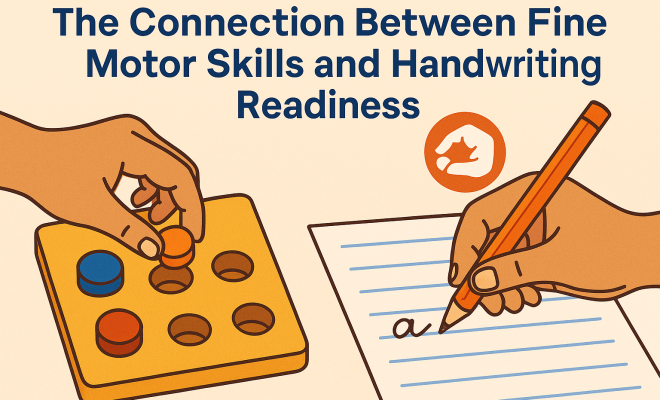
“The Connection Between Fine Motor Skills and Handwriting Readiness”
“`html
When children first pick up a pencil, the act might seem simple. However, the ability to write legibly and expressively involves a complex interplay of various developmental skills, particularly fine motor skills and handwriting readiness. Understanding this connection is crucial for parents, educators, and anyone involved in early childhood development. In this article, we will explore the importance of fine motor skills, their relation to handwriting development, and practical strategies to enhance these skills.
What Are Fine Motor Skills?
Fine motor skills refer to the small movements of the hands and fingers that enable tasks requiring precision and coordination. These skills are fundamental for a variety of everyday activities, from buttoning a shirt to using utensils during meals.
In childhood development, fine motor skills begin to emerge in infancy as babies grasp objects and gradually progress to more complex tasks. By the time children reach preschool age, they should have developed a range of fine motor competencies, including:
- Manipulating small objects, such as puzzle pieces or building blocks
- Using scissors to cut along a line
- Drawing simple shapes and figures
- Holding a pencil properly
These skills are not only crucial for self-care and play but also lay the groundwork for academic skills, particularly handwriting.
The Importance of Handwriting Readiness
Handwriting readiness encompasses a child’s ability to engage in writing tasks effectively. This readiness involves more than just holding a writing tool; it includes a range of cognitive, perceptual, and physical attributes that contribute to the development of proficient handwriting skills.
Research indicates that children who enter formal schooling with strong handwriting readiness are more likely to succeed academically. They can express their thoughts more clearly in written form, which is critical during assignments and exams. This emphasizes the need for early intervention and skill development.
How Fine Motor Skills Influence Handwriting Readiness
The connection between fine motor skills and handwriting readiness is multi-faceted. Here are some specific ways in which fine motor skills contribute to handwriting:
- Grip Strength: A child’s ability to grip a pencil or crayon affects their writing control. Stronger hand muscles facilitate better manipulation of writing tools, leading to more legible writing.
- Coordination: Coordinating movements between the fingers and hands is vital for smooth writing. Children need to develop a rhythm in their hand movements to create letters fluidly.
- Visual-Motor Integration: This refers to the ability to coordinate visual information with motor actions. Children must visually process shapes and letters while simultaneously translating this information into hand movements.
- Hand-Eye Coordination: Effective writing also requires solid hand-eye coordination, allowing children to follow lines and space letters correctly.
Without adequate fine motor skills, children may struggle with writing tasks, which can lead to frustration and a lack of confidence. This is why fostering these skills early on is vital for ensuring that children are ready to write.
Stages of Fine Motor Skills Development
Children go through various stages of fine motor skills development, each crucial for their readiness to begin writing:
- Infancy (0-12 months): Infants start grasping objects, leading to a basic understanding of hand movements.
- Early Toddlerhood (1-2 years): Children begin to develop more control over their hands, engaging in activities like stacking blocks or scribbling with crayons.
- Preschool (3-5 years): This is a critical time for fine motor development. Children learn to use tools like scissors, which enhance their dexterity. Moreover, they begin to draw shapes and letters, laying the groundwork for handwriting.
- Early Elementary (6-8 years): As children enter school, their fine motor skills should be well-developed to support handwriting tasks. This stage often involves refining their grip and improving their writing speed and legibility.
Recognizing these stages can help caregivers and educators identify when children might need additional support to develop their fine motor skills and handwriting readiness.
Indicators of Handwriting Readiness
Determining whether a child is ready for handwriting involves observing several key indicators. These can include:
- Physical Readiness: Can the child hold a pencil comfortably? Are they able to create basic shapes and letters?
- Cognitive Readiness: Is the child able to follow instructions and understand the purpose of writing?
- Emotional Readiness: Does the child express interest in writing, or do they show signs of frustration when asked to write?
- Social Readiness: Is the child able to engage with peers or adults during writing tasks?
When children exhibit these indicators, they may be ready to start formal handwriting instruction. However, if they show signs of difficulty in any of these areas, it might be beneficial to focus on improving their fine motor skills first.
Practical Strategies to Enhance Fine Motor Skills
So, what can parents and educators do to enhance fine motor skills and promote handwriting readiness? Here are some actionable strategies: (See: CDC milestones for child development.)
- Engage in Play: Activities like building with blocks, playing with clay, or completing puzzles can strengthen fine motor skills through engaging play.
- Art Projects: Drawing, painting, and coloring with a variety of tools can help children develop control over their hand movements while also expressing creativity.
- Scissor Skills: Encourage children to practice cutting different materials. Start with basic shapes and gradually introduce more intricate designs.
- Everyday Tasks: Involve children in daily activities that require fine motor skills, such as setting the table, dressing themselves, or sorting small objects.
- Writing Practice: Provide plenty of opportunities for children to practice writing letters and their names. Use different mediums, such as sand, chalk, or dry-erase boards, to make it fun and less intimidating.
By incorporating these activities into regular routines, children can develop the fine motor skills necessary for effective handwriting.
The Role of Educators in Promoting Fine Motor Skills
Educators play a crucial role in fostering fine motor skills and handwriting readiness in the classroom. Here are several strategies teachers can employ:
- Curriculum Integration: Incorporate fine motor skill development into lessons across subjects. For example, using hands-on activities in math or science can reinforce these skills.
- Small Group Work: Allow children to work in small groups to encourage collaboration and peer learning, which can enhance their fine motor abilities.
- Monitoring Progress: Regularly assess each student’s fine motor skills development and provide targeted support where needed.
- Encouraging Independence: Foster an environment where children feel comfortable taking risks and trying new tasks independently.
Through these efforts, educators can create a supportive atmosphere that nurtures fine motor skills and prepares students for handwriting success.
The Impact of Technology on Fine Motor Skills
In recent years, technology has become an integral part of children’s lives. While digital tools can offer numerous educational benefits, there’s a pressing concern regarding their impact on fine motor skills development.
Some studies suggest that excessive screen time may hinder the development of essential fine motor skills. Unlike traditional activities that require physical manipulation of objects, tablet and smartphone usage often limits hand movements and coordination practice.
However, there are ways to balance technology use with fine motor skill development:
- Encourage alternative forms of play that use physical manipulation of objects.
- Limit screen time and promote various activities that engage children’s hands and fingers.
- Integrate educational apps that require children to complete tasks using their hands, ensuring a hands-on experience even in a digital format.
By striking the right balance, parents and educators can utilize technology to enhance learning without compromising fine motor skill development.
Current Research and Trends in Handwriting Development
As the understanding of handwriting readiness evolves, researchers are continuously exploring innovative practices and pedagogies. Recent studies have emphasized the importance of early intervention programs that focus on fine motor skills as part of handwriting readiness.
For instance, one study published in the journal Occupational Therapy in Mental Health found that children who participated in structured fine motor skills activities showed significant improvements in their handwriting abilities compared to those who did not. This indicates that targeted fine motor skill development programs can be effective in enhancing handwriting readiness.
There’s also a growing movement advocating for schools to reassess the emphasis on cursive handwriting in light of digital communication. While cursive writing has its benefits, some educators argue that focusing on typing and digital literacy may be more relevant in today’s technological society. However, the fundamental skills developed through handwriting practice—like attention to detail and hand coordination—should not be overlooked.
Comparative Analysis: Handwriting vs. Typing
In today’s digital age, the debate over the importance of handwriting skills versus typing skills is more relevant than ever. While both skills are essential, they serve different purposes and develop distinct cognitive and motor abilities.
Research suggests that handwriting activates different brain regions compared to typing. When children write by hand, they engage in a more dynamic process that involves motor memory—a crucial aspect of learning that helps in retaining information. For instance, studies conducted by psychologists have shown that students who handwrite notes are more likely to remember the material than those who type them. This is because handwriting requires more cognitive effort, leading to better understanding and retention.
On the other hand, typing has its advantages, especially in terms of speed and efficiency. In a world increasingly reliant on technology, being proficient in typing is essential for academic and professional success. However, this shouldn’t diminish the value of handwriting practice. Instead, striking a balance between both skills can provide children with a competitive edge in various environments.
Common Myths About Handwriting Readiness
Many misconceptions exist surrounding handwriting readiness and the development of fine motor skills. Here are a few myths debunked: (See: NIH resources on learning and development.)
- Myth 1: Handwriting readiness is only about the physical ability to hold a pencil.
- Myth 2: Children develop fine motor skills at the same rate.
- Myth 3: Once a child can hold a pencil, they’re ready to write.
This is a narrow view. Handwriting readiness also encompasses cognitive, emotional, and social components, as discussed earlier. Children must also understand the purpose and value of writing.
Every child is unique and develops at their own pace. Some may excel in fine motor activities early, while others might take time. It’s essential to provide appropriate support regardless of their progress.
Holding a pencil is just the beginning. Mastery of letter formation, spacing, and control are critical components that come with practice and support.
Frequently Asked Questions (FAQ)
1. What activities can help improve my child’s fine motor skills?
There are numerous enjoyable activities! Crafts that involve cutting, gluing, and drawing are excellent. Building toys like Legos, using playdough, or even simple household tasks like buttoning shirts can significantly strengthen fine motor skills.
2. At what age should I start teaching my child to write?
It’s beneficial to introduce writing concepts around age 3, when children begin to show interest. However, formal instruction typically begins around age 5, when they are more developmentally ready.
3. What signs indicate my child may need help with handwriting readiness?
Look for signs of frustration when writing, difficulty holding a pencil correctly, or trouble staying within lines while writing. If you notice these issues, it might be helpful to focus on enhancing fine motor skills first.
4. How much screen time is appropriate for young children?
The American Academy of Pediatrics recommends limiting screen time for children aged 2 to 5 to one hour per day of high-quality programming. It’s essential to balance screen time with physical activities and hands-on learning experiences.
5. Can handwriting readiness impact my child’s academic performance?
Absolutely! Children who are ready to write typically perform better academically because they can express their thoughts and ideas clearly in written form, which is crucial for assessments and assignments.
Exploring the Link Between Fine Motor Skills and Cognitive Development
Fine motor skills don’t just play a role in handwriting; they are also closely tied to cognitive development. Engaging in activities that enhance fine motor skills can stimulate brain development, improve problem-solving capabilities, and enhance overall learning experiences.
For example, activities like threading beads or completing intricate puzzles require concentration and critical thinking, which engage cognitive processes. Research has shown that children who partake in fine motor activities demonstrate better performance in tasks that require both fine motor skills and cognitive abilities. By fostering these skills, you’re not only preparing them for handwriting but also enhancing their general learning capabilities.
Expert Perspectives: Insights from Occupational Therapists
Occupational therapists frequently work with children to develop fine motor skills necessary for handwriting. Their insights are invaluable in understanding the practical approaches to supporting handwriting readiness. According to expert opinions, children benefit from a variety of experiences that engage their fine motor skills in different contexts.
One occupational therapist, Dr. Sarah Thompson, emphasizes the importance of using everyday objects: “Incorporating fine motor skills into daily routines is essential. Activities like pouring, scooping, and even gardening can enhance dexterity and strength in a fun and engaging way.”
Additionally, therapists recommend using tools that are ergonomically designed for children, which can help them hold writing instruments more comfortably, thus improving their writing control as they develop fine motor coordination.
Parental Involvement and Its Role in Fine Motor Skill Development
Parental involvement is critical in promoting fine motor skills and handwriting readiness. Parents can create a supportive home environment where practicing these skills is encouraged and celebrated. Engaging in activities together fosters not only skill development but also a stronger parent-child bond.
For instance, parents can set up fun art stations at home stocked with various materials like crayons, markers, and textured papers. Allowing children to explore different mediums promotes creativity while building the necessary skills for writing.
Another effective method is to make writing a part of daily life. Encouraging children to write shopping lists, cards, or even journal entries can provide them with practical writing experiences that are both enjoyable and beneficial for their fine motor development.
Evaluating Tools and Resources for Handwriting Development
With a growing number of resources available for improving fine motor skills and handwriting readiness, it can be overwhelming for parents and educators to choose the right ones. When evaluating tools, consider the following:
- Age Appropriateness: Ensure that the tools or activities are suitable for the child’s developmental stage.
- Variety: Look for resources that offer a mix of activities, including fine motor skill games, handwriting practice worksheets, and creative art projects.
- Engagement: Choose resources that are fun and engaging. If children enjoy the activities, they are more likely to practice and improve their skills.
- Feedback Mechanisms: Some tools provide immediate feedback, which can help children correct their mistakes in real-time and enhance their learning experiences.
The Future of Fine Motor Skills and Handwriting Instruction
As educational philosophies continue to evolve, so will the methods used to teach fine motor skills and handwriting. There’s a growing recognition of the importance of individualized learning plans that cater to each child’s unique needs and learning styles.
Emerging technologies, such as augmented reality (AR) and virtual reality (VR), are also beginning to play a role in fine motor skill development. These technologies can create immersive experiences that engage children in new ways, enhancing their learning through interactive activities that develop both fine motor skills and handwriting readiness.
As we look ahead, it’s clear that a comprehensive approach, incorporating traditional practices with innovative technologies, will pave the way for future generations to master the essential skills of writing and beyond.
Conclusion: Supporting the Journey to Handwriting Proficiency
The link between fine motor skills and handwriting readiness is unequivocal. As children develop these skills, they are better equipped to transition into writing, fostering academic success and effective communication. By prioritizing fine motor skill development through engaging activities and supportive educational practices, parents and educators can ensure that children are ready to express themselves through writing.
As you embark on this journey with the children in your life, remember that every little activity contributes to their growth. Whether it’s through play, art, or daily tasks, nurturing fine motor skills lays the foundation for a future filled with writing possibilities.
“`
Trending Now
Frequently Asked Questions
What are fine motor skills and why are they important?
Fine motor skills involve the small movements of hands and fingers that are essential for tasks requiring precision, like writing. They are crucial for everyday activities and are foundational for academic skills, particularly handwriting, as they enable children to manipulate objects and tools effectively.
How do fine motor skills relate to handwriting readiness?
Fine motor skills are directly linked to handwriting readiness as they enable children to hold writing tools properly and perform precise movements needed for writing. Strong fine motor skills facilitate smoother handwriting development, leading to better academic performance.
What is handwriting readiness?
Handwriting readiness is a child's ability to engage in writing tasks effectively, encompassing cognitive, perceptual, and physical skills. It is crucial for academic success as it allows children to express their thoughts clearly in written form.
At what age should children develop fine motor skills?
Fine motor skills begin to emerge in infancy and should progress significantly by preschool age. By this time, children should be able to manipulate small objects, use scissors, draw shapes, and hold a pencil correctly, preparing them for handwriting.
What strategies can enhance fine motor skills in children?
To enhance fine motor skills, engage children in activities like puzzles, building blocks, drawing, and cutting with scissors. These activities promote coordination and precision, which are vital for developing handwriting readiness and overall motor skills.
Agree or disagree? Drop a comment and tell us what you think.