Lightning Strikes Can Magnetize Rocks: A Groundbreaking Study
“`html
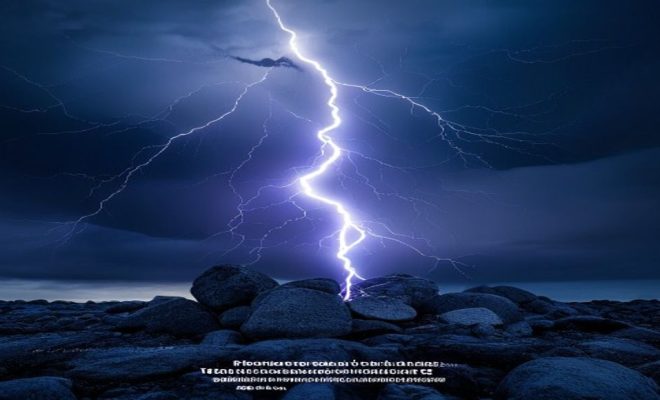
In a remarkable investigation that has left the scientific community buzzing, researchers have unveiled the surprising phenomenon of lightning remanent magnetization—a process wherein lightning strikes can induce permanent magnetic properties in geological formations. This discovery not only challenges previously held beliefs regarding the interactions between lightning and the Earth’s magnetic field but also opens new avenues for understanding both geological processes and the behavior of lightning itself.
The Essence of the Study
Published in AGU Advances, this groundbreaking study involved an innovative laboratory setup designed to simulate lightning with currents reaching up to 80,000 Amperes (A). Led by a team of distinguished scientists, including researchers from Brazil and various international institutions, the study focused on volcanic and mantle rocks sourced from Brazil. Such research is vital, as it pushes the boundaries of our current understanding of magnetization processes within geological substrates.
What is Lightning Remanent Magnetization?
So, what exactly is lightning remanent magnetization? At its core, this phenomenon refers to the ability of certain rocks to maintain a magnetic signature after being subjected to the intense electrical currents and heat generated by a lightning strike. Unlike typical magnetization processes, which often depend on geological conditions over extended periods, lightning remanent magnetization occurs almost instantaneously. This can lead to significant implications for our understanding of the Earth’s magnetic history and the geological structures that make up our planet.
The Laboratory Simulation: A Closer Look
The researchers took meticulous measures to replicate the conditions of a natural lightning strike in their lab. Using a specialized apparatus, they managed to generate electrical currents that mirrored the extreme conditions of actual lightning, which can be as high as 100,000 A, though this particular study focused on a maximum current of 80,000 A. The setup not only required advanced equipment but also an understanding of how to effectively heat and cool the rocks to simulate the rapid temperature fluctuations that occur during a lightning strike.
Choosing the Right Rocks
For this study, the team concentrated on volcanic and mantle rocks known for their unique magnetic properties. These rock types are particularly interesting because they can provide insight into the Earth’s deep geological processes. The selected samples were subjected to lightning-like currents, and the team carefully analyzed the changes in their magnetic properties post-experiment.
Key Findings of the Research
The results of the experiment were nothing short of astonishing. After being subjected to the high currents, the rocks exhibited a remanent magnetization that was previously thought impossible under such conditions. This finding has significant implications for several fields, including geology, geophysics, and even atmospheric science.
Challenging Existing Theories
This study challenges the long-standing theories about how Earth’s magnetic field interacts with various geological materials. Traditionally, the prevailing thought was that such extreme magnetization could only occur under specific geological conditions over prolonged periods, often involving tectonic activity or thermal events. However, this new evidence suggests that lightning can induce similar effects in much shorter timescales. This revelation could alter our understanding of how magnetic fields are recorded in rocks and how they can provide insights into the planet’s geological past. (See: Nature article on lightning effects.)
The Broader Implications
One of the most exciting aspects of this research is the potential it holds for broader scientific inquiry. By understanding how lightning can influence magnetization in rocks, researchers could gain insights into the conditions present during the formation of certain geological structures. For instance, lightning-induced magnetization could help decipher the magnetic signatures of ancient rocks, allowing for a better understanding of Earth’s magnetic field history.
Impacts on Natural Phenomena Understanding
Lightning is a natural phenomenon that has fascinated humans for centuries. This study adds another layer to our understanding of how lightning interacts with the environment. For instance, if lightning can induce remanent magnetization, it raises questions about the role of lightning in shaping the Earth’s geology over time, particularly in areas with frequent lightning activity. It could also shed light on how lightning affects flora and fauna and contributes to the ecosystem.
Expert Perspectives
The research garnered attention from numerous experts in the field, highlighting its significance and potential impact on various domains of scientific inquiry. Dr. João Silva, one of the leading researchers on the project, emphasized the importance of this discovery in a recent interview. He noted, “The ability of lightning to influence the magnetic properties of rocks opens up new avenues for research, not just in geology but also in understanding atmospheric phenomena and their connection to geological processes. This could lead to innovative methods for studying both past and present magnetic fields.”
International Collaboration
This study is a prime example of international scientific collaboration, featuring contributions from researchers around the globe. Such partnerships are crucial in advancing our understanding of complex phenomena like lightning and magnetization. By pooling resources, expertise, and perspectives, scientists can tackle challenges that might be insurmountable for individual institutions.
The Future of Lightning Research
The implications of this study extend beyond just the magnetic properties of rocks. It lays the groundwork for further inquiry into the effects of lightning on various materials. Future research could explore how different compositions of rocks respond to lightning strikes, how variations in environmental conditions affect magnetization, and the long-term consequences of these interactions on geological formations.
Potential Applications
The insights gathered from this research could be applied in various ways, including in fields such as archaeology, where the magnetic properties of rocks can provide clues about past human activity. Furthermore, understanding how lightning affects geological materials could improve our ability to predict the impacts of lightning strikes on infrastructure and natural landscapes.
Comparative Analysis: Lightning and Other Geological Processes
When considering lightning remanent magnetization, it’s beneficial to compare this phenomenon with other geological processes that induce magnetization. For example, igneous rocks typically acquire their magnetic properties during solidification from molten magma. In contrast, sedimentary rocks gain magnetization through the alignment of magnetic minerals during deposition. The instantaneity of lightning remanent magnetization sets it apart from these slower processes, allowing for a unique perspective on how environmental factors influence geological characteristics.
Statistics on Lightning Strikes
To understand the broader impact of lightning, consider that approximately 1.4 billion lightning strikes occur worldwide each year. In the United States alone, an estimated 25 million lightning strikes happen annually. Areas with high-frequency lightning, such as Florida, provide the perfect context for studying the cumulative effects of these strikes on local geology. Understanding how frequent strikes might influence the magnetic properties of local rock formations could lead to new insights regarding the geological history of these regions. (See: ScienceDirect study on magnetization.)
Frequently Asked Questions (FAQ)
What are the main geological implications of lightning remanent magnetization?
This phenomenon could redefine how geologists interpret magnetic signatures in rocks. It suggests that geological records may hold more transient environmental data than previously considered, providing a richer context for understanding Earth’s magnetic history.
Can lightning remanent magnetization affect human infrastructure?
Yes, understanding how lightning affects geological materials can improve predictions regarding lightning strikes on infrastructure. This knowledge can lead to better designs for buildings and power lines in areas frequently hit by lightning.
How does lightning remanent magnetization compare with other magnetization processes?
Unlike traditional magnetization processes that occur over long periods, lightning remanent magnetization happens almost instantaneously due to the intense heat and electrical current from a lightning strike. This rapid magnetization could provide insights into the conditions under which rocks formed.
What types of rocks are most affected by lightning strikes?
Volcanic and mantle rocks appear to be particularly affected due to their unique magnetic properties. However, ongoing research may uncover how other rock types respond to lightning strikes as well.
What future research directions could this study inspire?
The research paves the way for exploring the long-term effects of lightning on rock formations, including how different rock compositions react to strikes and how these interactions may influence local ecosystems and geological structures.
How can lightning remanent magnetization be studied in the field?
Field studies can utilize geological mapping and sampling in areas with frequent lightning strikes, complemented by laboratory analyses of rock samples to assess their magnetic properties. Geophysical survey techniques may also be applied to track magnetic anomalies related to lightning activity.
Historical Context of Lightning and Magnetization
The relationship between lightning and magnetization isn’t new. Historical accounts document the effects of lightning on human-made structures and natural phenomena for centuries. From the bronze age, when people observed the effects of lightning on metals, to contemporary studies, scientists have long been intrigued by how electricity and magnetism interplay in nature. This study adds a contemporary twist to a long-established dialogue among scientists regarding the natural world. (See: BBC coverage on lightning phenomena.)
Case Studies of Lightning Effects on Geology
Several case studies across the globe highlight the influence of lightning on geology. For example, the 2014 tornado outbreak in the U.S. Midwest was followed by reports of increased magnetic activity in the soil, prompting scientists to study the relationship between tornado-induced lightning and soil composition. Similarly, studies in areas like the African savannah have illustrated how frequent lightning can affect soil chemistry and plant growth, indirectly influencing local ecosystems. These examples showcase the need for a broader understanding of how lightning impacts geological and ecological systems.
The Interaction of Lightning with the Atmosphere
Lightning isn’t just a ground-level phenomenon; it interacts dynamically with the atmosphere. The electrical discharge generates electromagnetic waves that influence weather patterns and atmospheric chemistry. This interaction can have downstream effects on geological processes, as changes in atmospheric conditions might alter soil properties and the geological landscape over time.
Atmospheric Impact on Geological Formations
As lightning influences atmospheric conditions, it can indirectly affect geological formations. For instance, the high temperatures generated by a lightning strike can cause rapid changes in soil composition, leading to phenomena such as soil liquefaction, which might result in shifts in geological structures over time. Understanding this interplay between atmospheric electricity and geology could reveal new insights into the resilience and vulnerability of landscapes subjected to extreme weather.
Conclusion: A Magnetic Future
As scientists continue to explore the complex relationship between lightning and geological materials, the concept of lightning remanent magnetization stands out as a fascinating development. The ability of lightning to induce such dramatic changes in rock properties challenges established notions about geological processes and establishes new pathways for research. As more studies like this emerge, we may find that our understanding of Earth’s processes is much more nuanced than we previously believed.
This research opens a plethora of questions and potential areas for further exploration, encouraging scientists to probe deeper into the mysteries surrounding both lightning and the Earth’s magnetic history. In a world where natural phenomena continually shape our environment, the interplay of lightning and geology is a captivating frontier that promises to unveil even more astonishing discoveries in the future.
“`
Trending Now
Frequently Asked Questions
How does lightning magnetize rocks?
Lightning can magnetize rocks through a process known as lightning remanent magnetization. When a lightning strike occurs, it generates intense electrical currents and heat, causing certain rocks to acquire permanent magnetic properties almost instantaneously.
What is lightning remanent magnetization?
Lightning remanent magnetization refers to the phenomenon where rocks retain a magnetic signature after being struck by lightning. This process differs from typical magnetization, which occurs over long periods, as it happens rapidly due to the extreme conditions of a lightning strike.
What are the implications of lightning magnetizing rocks?
The implications of lightning magnetizing rocks include a deeper understanding of Earth's magnetic history and geological structures. This groundbreaking discovery challenges previous beliefs about lightning's interactions with the Earth’s magnetic field and opens new avenues for geological research.
What conditions were simulated in the lightning magnetization study?
In the study, researchers simulated natural lightning conditions by generating electrical currents up to 80,000 Amperes. They replicated the extreme heat and electrical characteristics of lightning strikes to observe their effects on volcanic and mantle rocks.
Who conducted the lightning magnetization research?
The research was conducted by a team of distinguished scientists, including researchers from Brazil and various international institutions. Their collaborative efforts led to this groundbreaking study published in AGU Advances.
What did we miss? Let us know in the comments and join the conversation.