10 Shocking Tech Trends & Updates: April 16, 2026

As we navigate further into 2026, it is evident that technology is not just a supportive player but a leading force in shaping our world. On April 16, 2026, numerous updates highlighted the rapid advancements in automation, digital collaboration, and various innovations that are transforming industries and redefining the way we live and work. Here, we delve into ten shocking updates that exemplify the pivotal role technology plays in contemporary society.
1. Automation Revolutionizes Workforce Dynamics
One of the most significant trends observed is the increased adoption of automation in various sectors. Companies are leveraging artificial intelligence (AI) and machine learning algorithms to automate routine tasks, which is improving efficiency and reducing operational costs. In fact, a recent report indicates that automation could replace up to 30% of jobs by the end of the decade, prompting discussions about the future of work and the importance of reskilling the workforce.
2. Rise of Remote Work Technologies
The shift to remote work is no longer a temporary solution but a long-term strategy for many organizations. New tools and platforms designed for remote collaboration are emerging, making it easier for teams to communicate and work together effectively regardless of their physical locations. For instance, a recent survey found that 70% of employees prefer a hybrid work model, which incorporates both remote and in-office work.
3. Breakthroughs in Quantum Computing
On the tech front, quantum computing is making waves with recent breakthroughs that promise to solve complex problems far beyond the capabilities of traditional computers. Major tech firms have reported significant advancements in qubit stability and error correction, which could pave the way for real-world applications in cryptography, drug discovery, and material science. Experts believe that quantum computing could revolutionize industries by the early 2030s.
4. Advancements in 5G and Connectivity
The rollout of 5G networks continues to expand, enhancing connectivity and allowing for faster data transfer rates. As of April 2026, over 60% of urban areas globally have access to 5G, enabling innovations in Internet of Things (IoT) devices and smart city solutions. This connectivity not only enhances consumer experiences but also supports the development of smart infrastructure and autonomous vehicles.
5. Digital Twins in Manufacturing
Digital twin technology is revolutionizing the manufacturing sector by creating virtual replicas of physical systems. Companies are utilizing these digital models to enhance product design, optimize operations, and predict maintenance needs. This innovative approach allows for greater efficiency and reduced downtime, making it a critical component of Industry 4.0.
6. Cybersecurity Challenges Intensify
With the rise of digital technologies, cybersecurity threats have also escalated. In April 2026, reports indicate a 150% increase in ransomware attacks compared to the previous year. Organizations are urged to prioritize cybersecurity measures and invest in robust protection mechanisms to safeguard sensitive data and maintain consumer trust.
7. Blockchain Beyond Cryptocurrency
Blockchain technology is expanding beyond its cryptocurrency origins, finding applications in various sectors such as supply chain management, healthcare, and finance. The transparency and security offered by blockchain are attracting industries looking to streamline operations and enhance accountability. In April 2026, a major financial institution announced plans to implement blockchain solutions to improve cross-border transactions.
8. AI in Creative Fields
Artificial intelligence is making significant strides in creative fields as well, with tools capable of generating art, music, and even written content. As AI-generated works become more sophisticated, discussions surrounding intellectual property rights and the value of human creativity are intensifying. A recent art auction featured AI-generated pieces, fetching substantial prices and highlighting the evolving landscape of creativity.
9. The Emergence of Smart Health Technologies
Healthcare is also undergoing a transformation with the introduction of smart health technologies. Wearable devices and telehealth solutions are enabling patients to monitor their health in real-time and consult with healthcare professionals remotely. According to a recent study, 85% of patients prefer telehealth options for non-emergency consultations, indicating a shift in patient preferences.
10. Government Policies Adapting to Tech Innovations
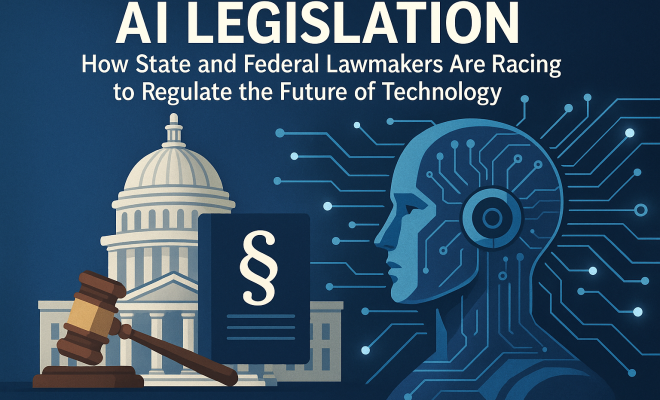
As technology continues to advance, governments around the world are adapting their policies to keep pace with these changes. New regulations are being introduced to manage data privacy, AI ethics, and digital currencies. Policymakers recognize the importance of fostering innovation while ensuring that technological advancements are aligned with societal values and safety.
In conclusion, the updates from April 16, 2026, underscore the undeniable influence of technology across various sectors. From automation and remote work to advancements in quantum computing and cybersecurity, these trends are reshaping our future. As technology continues to evolve, staying informed about these developments will be crucial for individuals and organizations alike.