Shocking Data Reveals Social Media’s Role in the Teen Mental Health Crisis — What You Need to Know!
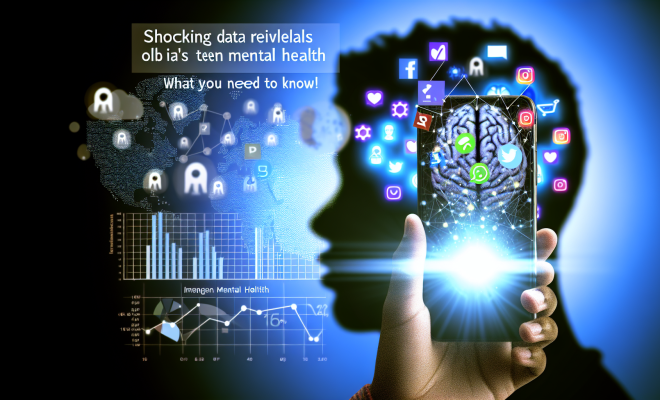
In today’s digital age, the interaction between social media and mental health has become a pressing concern, particularly for teenagers. Recent findings have unveiled a troubling reality: the mental health crisis among adolescents is at a critical juncture, with social media usage patterns being identified as a significant contributor. Major healthcare systems across the United States are reporting unprecedented spikes in pediatric mental health emergencies, and the data is becoming increasingly impossible to ignore.
The Alarming Statistics
Healthcare professionals, particularly pediatricians, have been at the forefront of witnessing this alarming trend. Reports indicate that emergency departments have seen a 340% increase in mental health-related admissions over the past 18 months. This surge has been characterized by severe cases of anxiety, depression, and self-harm among teenagers, leading to a national crisis that cannot be overlooked.
The Correlation Between Screen Time and Mental Health
Recent data has drawn a direct causation line between increased screen time and documented mental health deterioration in children under 18. A combination of longer hours spent on social media platforms and pervasive exposure to distressing content is creating a perfect storm for mental health challenges in youth.
- Anxiety and Depression: Studies have shown a significant correlation between the amount of time adolescents spend on social media and the reported levels of anxiety and depression.
- Self-Harm Incidents: Reports of self-harm are increasing, with many teenagers citing social media-induced pressures as a contributing factor.
- Emergency Admissions: The spike in emergency admissions can largely be attributed to the negative psychological effects of social media usage.
Major Hospitals Responding to the Crisis
In light of these alarming trends, major hospital networks are taking action. Mandatory social media literacy programs are being implemented across healthcare systems to educate both parents and children about the potential dangers of social media. Healthcare providers are also partnering with tech companies to tackle the issue of algorithmic harm.
Understanding Algorithmic Harm
One of the most concerning aspects of social media is the way in which algorithms operate. These algorithms are designed to maximize user engagement, often by amplifying content that induces anxiety or distress. As a result, teenagers are frequently exposed to harmful narratives and unrealistic expectations.
- Amplification of Negative Content: Algorithms prioritize content that generates strong emotional responses, often to the detriment of users’ mental health.
- Influencer Culture: Influencers may inadvertently contribute to mental health challenges by promoting unattainable ideals.
- Visibility of Mental Health Struggles: While some conversations around mental health are crucial, the depiction of struggles can sometimes overwhelm young viewers.
Parents on the Front Lines
As the crisis deepens, parents are finding themselves at a loss for solutions. Many are frantically searching for ways to protect their children from the harmful effects of social media. The anxiety surrounding their children’s mental well-being is palpable, and the lack of clear guidance only exacerbates the situation.
What Parents Can Do
In response to these challenges, parents can take proactive steps to mitigate the impact of social media on their children’s mental health:
- Establish Open Communication: Encourage conversations about emotions and mental health, making it clear that it’s safe to discuss feelings.
- Limit Screen Time: Set reasonable limits on daily screen time and encourage offline activities that promote mental wellness.
- Educate About Social Media: Teach children about the potential dangers of social media, including the curated nature of online personas.
- Model Healthy Behavior: Demonstrate healthy social media habits to set a positive example for children.
Influencers and Mental Health Advocates Speak Out
As awareness grows, influencers and mental health advocates are stepping up to shed light on the relationship between social media and mental health. Many are using their platforms to expose the harmful effects of algorithm-driven content and to advocate for positive change.
Raising Awareness
Through viral campaigns, these advocates are generating massive engagement and prompting discussions that encourage parents, educators, and policymakers to address the issue:
- Highlighting Personal Experiences: Sharing personal stories of struggles with mental health in relation to social media can resonate deeply with audiences.
- Promoting Positive Content: Advocates are encouraging the creation and sharing of uplifting and supportive content to counteract the negative.
- Engaging with Tech Companies: Influencers are calling on social media platforms to take responsibility for the content they promote.
The Role of Healthcare Professionals
Healthcare professionals are on the front lines of this crisis, providing treatment and support for affected adolescents. Their insights are invaluable in understanding the complexities of the situation.
Effective Interventions
Healthcare providers are advocating for a multi-faceted approach to address the mental health crisis:
- Therapeutic Approaches: Cognitive-behavioral therapy (CBT) and other therapeutic interventions can be effective in helping young people cope with anxiety and depression.
- Family Involvement: Engaging families in treatment plans can foster a supportive home environment for addressing mental health challenges.
- Community Resources: Healthcare systems are encouraged to connect families with community resources, including support groups and educational programs.
Looking Towards the Future
The intersection of social media and mental health presents a complex challenge that requires collective action from families, healthcare providers, educators, and tech companies. As the crisis continues to evolve, it is essential to prioritize the mental well-being of adolescents and find effective solutions.
A Call to Action
As more data emerges, the need for immediate action becomes increasingly urgent. It is crucial for parents to remain engaged in their children’s online lives, advocates to continue raising awareness, and healthcare professionals to provide support and guidance. Together, we can work towards a future where social media serves as a positive force rather than a detrimental one in the lives of our youth. The conversation has started, but it is just the beginning.
Conclusion
The shocking statistics surrounding the mental health crisis among teenagers cannot be overlooked. The role of social media must be acknowledged, and a comprehensive response is required to mitigate its effects. By fostering open communication, increasing awareness, and implementing effective interventions, we can hope to reverse the alarming trends and promote healthier interactions with technology for future generations.