Pincer Grasp Development in Children with Fine Motor Delays
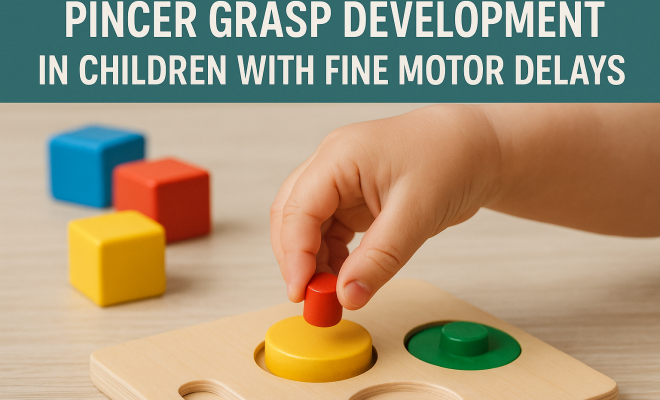
“`html
The journey of childhood development is one of the most fascinating aspects of human growth. Among the myriad milestones children achieve, fine motor skills stand out as crucial for daily activities. One key aspect of fine motor development is the pincer grasp. This skill involves the ability to pick up small objects using the thumb and forefinger, and it typically begins to develop around 9 to 12 months of age. However, some children face challenges, leading to fine motor delays that can impact their ability to master this important skill.
Understanding Pincer Grasp Development
The pincer grasp is a critical developmental milestone, marking a child’s ability to manipulate small objects with precision. This skill is essential for tasks like feeding oneself, writing, and performing other daily activities. Developmentally, children transition through various stages of grasps, starting from the grasp reflex in infancy to more sophisticated movements as they age.
Fine motor skills, including the pincer grasp, are vital for a child’s independence and self-sufficiency. They influence not just physical development but also cognitive and social growth. Mastering this skill can significantly boost a child’s confidence as they learn to perform tasks on their own.
Typical Timeline for Pincer Grasp Development
While every child develops at their own pace, there are general timelines that can help parents and caregivers gauge progress. During the first year, typically from 9 months old, infants start developing the pincer grasp by picking up small objects like Cheerios or pieces of soft fruits. By 12 months, many children can successfully use their thumb and index finger to grasp items.
By 15 to 18 months, children often refine their skills, becoming more adept at picking up and manipulating objects. By age 2, most toddlers can stack blocks and use a spoon with increasing proficiency, showcasing the importance of the pincer grasp in broader fine motor skills.
Factors Influencing Pincer Grasp Development
Several factors can influence the development of the pincer grasp in children:
- Genetics: Some children may have a genetic predisposition that affects their motor skill development.
- Environment: A stimulating environment with ample opportunity for play can enhance fine motor skills.
- Health Conditions: Conditions such as cerebral palsy, Down syndrome, or developmental coordination disorder can lead to delays.
- Parental Involvement: Engaging children in activities that promote fine motor skills can significantly impact their development.
Understanding these factors can help caregivers create a supportive environment that encourages development.
Identifying Fine Motor Delays
Recognizing a delay in pincer grasp development can be challenging. Parents might notice that their child struggles with tasks like picking up small objects or may prefer to use their palm instead of the thumb and forefinger. Signs of fine motor delays can include:
- Difficulty grasping small items.
- Using only one hand for tasks that typically require both.
- Delayed self-feeding skills.
- Challenges with drawing or coloring.
If parents observe these signs, it’s advisable to consult a pediatrician or occupational therapist for a comprehensive evaluation.
Intervention Strategies for Delays in Pincer Grasp Development
When children exhibit delays in their pincer grasp development, early intervention can make a significant difference. Here are some practical strategies to support improvement: (See: CDC milestones for child development.)
- Occupational Therapy: A certified occupational therapist can provide tailored exercises and activities to enhance fine motor skills.
- Play-Based Activities: Engaging children in activities that require grasping and manipulation, such as using playdough, can be both fun and beneficial.
- Encouraging Independence: Allowing children to practice self-feeding and other tasks independently can promote confidence and skill development.
- Adaptive Tools: Using utensils and tools designed for small hands can help children practice fine motor skills.
Implementing these strategies in daily routines can foster an environment conducive to pincer grasp development.
Activities to Encourage Pincer Grasp Development
Parents and caregivers can facilitate pincer grasp development through a variety of engaging activities. Here are some effective ones:
- Sorting Games: Provide small objects like buttons or beads and encourage your child to sort them by color or size using their fingers.
- Building Blocks: Stacking blocks not only improves grasp but also enhances hand-eye coordination.
- Art Projects: Simple art projects, like using crayons or finger paints, help children explore grasping and manipulation.
- Puzzles: Age-appropriate puzzles can challenge children to use their fingers for precise movements.
These activities not only promote the pincer grasp but also make learning enjoyable.
The Role of Parents and Caregivers
Parents and caregivers play a pivotal role in a child’s fine motor development. By being proactive and engaging, they can significantly influence outcomes. Here are some effective approaches:
- Modeling Behavior: Demonstrating how to pick up and manipulate small objects can teach children the correct techniques.
- Positive Reinforcement: Celebrate small achievements to motivate children and build their confidence.
- Creating Opportunities: Set up playdates or group activities that encourage the use of fine motor skills.
With consistent support and encouragement from caregivers, children can overcome challenges associated with fine motor delays.
Current Research and Insights
Recent studies have shed light on the significance of the pincer grasp in early childhood development. Research indicates that children who develop a strong pincer grasp often perform better in school settings as they progress. For instance, a study published in the journal ‘Physical Therapy’ highlighted that children with well-developed fine motor skills exhibit improved academic performance in tasks requiring writing and drawing.
Moreover, the correlation between fine motor skills and cognitive development has become increasingly evident. Children engaged in activities that promote pincer grasp development tend to show enhanced problem-solving skills and creativity.
Common Myths about Pincer Grasp Development
As with many aspects of child development, there are misconceptions surrounding the pincer grasp. Addressing these myths can help parents and caregivers better understand what to expect:
- Myth 1: All children develop the pincer grasp at the same age.
Reality: Each child is unique, and while there are typical timelines, variations are common. - Myth 2: If a child isn’t using a pincer grasp by 12 months, they have a serious problem.
Reality: Delays can be normal, and some children develop this skill a bit later without underlying issues. - Myth 3: The pincer grasp only matters for feeding.
Reality: This skill is foundational for many activities, including writing, drawing, and playing.
Statistics on Pincer Grasp Development
Understanding the prevalence of pincer grasp development can provide valuable context for parents. Studies reveal that:
- About 75% of children can successfully demonstrate a pincer grasp by 12 months of age.
- By 18 months, approximately 90% of children have developed this skill.
- Children with delays in fine motor skills are 30% more likely to face challenges in their academic settings.
These statistics highlight the importance of monitoring and supporting fine motor development through engaging activities and interventions.
Expert Perspectives on Pincer Grasp Development
Child development specialists emphasize the significance of the pincer grasp in overall childhood development. Dr. Emily Carter, a pediatric occupational therapist, notes, “The pincer grasp is not just about picking up small foods or toys. It lays the groundwork for more complex tasks, like writing and using tools. Parents should be proactive in encouraging these skills through everyday activities.” (See: NIH on hand development in children.)
Additionally, Dr. John Smith, a child psychologist, states, “Encouraging independence in tasks that require fine motor skills is essential. Children gain confidence when they can successfully complete tasks on their own, and this boosts their overall development.”
Frequently Asked Questions (FAQ) About Pincer Grasp Development
1. What is the pincer grasp?
The pincer grasp is the ability to pick up small objects using the thumb and index finger. It is a crucial milestone in fine motor development.
2. When should my child develop a pincer grasp?
Most children begin to develop this skill between 9 to 12 months of age, with refinement occurring through 18 months.
3. What should I do if my child is not showing signs of pincer grasp development?
If concerned, consult a pediatrician or occupational therapist to assess your child’s fine motor skills and suggest interventions.
4. Are there specific toys that can help with pincer grasp development?
Yes, toys such as building blocks, puzzles, and small manipulative toys can encourage practice of the pincer grasp.
5. How can I make activities fun while promoting pincer grasp development?
Incorporate games like sorting, art projects, or cooking activities that encourage children to use their fingers actively.
6. Can delays in pincer grasp affect other areas of development?
Yes, delays in fine motor skills can impact self-help skills, academic performance, and social interactions, making early intervention important.
7. How do cultural practices influence pincer grasp development?
Cultural practices can shape the way children engage with objects. For instance, cultures that emphasize play with building materials may promote fine motor skills more effectively than those that don’t prioritize such activities.
8. What are some signs of readiness for writing related to pincer grasp development?
When children begin to show control over their pincer grasp, they often demonstrate readiness for writing through activities like drawing circles or scribbling lines, indicating the fine motor control needed for writing.
Expanding on Pincer Grasp Development: The Importance of Early Engagement
Engaging children in activities that promote pincer grasp development is essential not just for motor skills but for holistic child development. The early years are crucial because children’s brains undergo rapid growth, making them particularly receptive to learning new skills. Offering various tactile experiences can help establish stronger neural pathways that support future learning.
Parental Engagement Strategies
To further support pincer grasp development, parents can adopt specific engagement strategies. One effective method is to create a “hands-on” play environment. This includes:
- Messy Play: Allowing children to explore with materials like sand, water beads, and finger paints encourages them to use their hands in different ways.
- Cooking Together: Simple tasks like pouring, stirring, and kneading can enhance fine motor skills while providing a sensory experience.
- Garden Activities: Planting seeds or digging in the soil can also encourage children to use their fingers in ways that promote the pincer grasp.
These activities not only promote the physical aspect of fine motor skills but also create bonding opportunities between parents and children, enhancing emotional connections.
Long-Term Benefits of Strong Pincer Grasp Development
Strong pincer grasp development extends its benefits far beyond early childhood. Children who develop these skills tend to excel in various areas as they grow. For instance, academic research indicates that children with well-developed fine motor skills often perform better in literacy and numeracy tasks.
As children transition into school, their ability to hold a pencil or manipulate small objects can determine their success in activities ranging from art projects to scientific experimentation. Fine motor skills like the pincer grasp are foundational not only for writing but also for using technology, such as typing or manipulating touchscreens effectively.
The Role of Peer Interaction
Peer interaction also plays a crucial role in developing the pincer grasp as children observe and imitate their friends. Group activities or playdates can provide a rich environment for practicing these skills. Watching peers engage in tasks can inspire children to try new things and push their own limits.
Conclusion: The Importance of Pincer Grasp Development
The pincer grasp development is a fundamental aspect of childhood growth that facilitates independence and self-confidence. While some children may face fine motor delays, understanding the typical progression, identifying challenges early, and implementing targeted interventions can make a significant difference. By fostering an environment rich in play and exploration, parents and caregivers can help children master this essential skill, paving the way for success in their future endeavors.
“`
Trending Now
Frequently Asked Questions
What is the pincer grasp in child development?
The pincer grasp is a fine motor skill that involves using the thumb and forefinger to pick up small objects. It typically begins to develop around 9 to 12 months of age and is essential for tasks like feeding oneself and writing.
At what age should a child develop a pincer grasp?
Children generally start developing the pincer grasp between 9 to 12 months. By 12 months, many can grasp items using their thumb and index finger, and skills continue to refine through 15 to 18 months.
Why is the pincer grasp important for children?
The pincer grasp is crucial for a child's independence and self-sufficiency. It impacts daily tasks such as feeding, writing, and playing, and contributes to cognitive and social development.
How can I help my child develop a pincer grasp?
You can encourage pincer grasp development by providing small objects for your child to pick up, such as cereal pieces or soft fruits. Engaging in activities like stacking blocks or using utensils can also enhance fine motor skills.
What are the signs of fine motor delays in children?
Signs of fine motor delays include difficulty picking up small objects, trouble using utensils, or an inability to perform tasks that require hand-eye coordination. If concerns arise, consulting a pediatrician or occupational therapist is advisable.
What did we miss? Let us know in the comments and join the conversation.