Peso Plunges to Historic Low: Economic Impact on Philippines
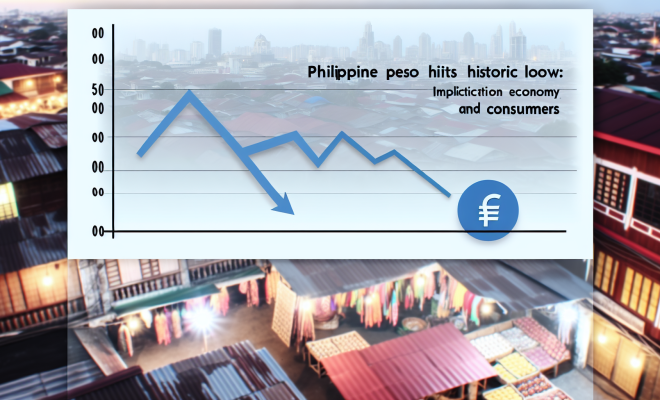
The Philippine peso has plunged to an unprecedented low of 59.87 against the US dollar, marking a significant milestone in the nation’s ongoing economic challenges. This depreciation comes at a time of heightened global uncertainty and has raised concerns among various stakeholders, including importers and consumers, about the potential impacts on inflation and the overall economic landscape.
Understanding the Peso’s Decline
The recent drop in the peso’s value against the dollar is not an isolated incident but rather a reflection of broader economic trends that are affecting currencies worldwide. Factors such as rising inflation rates, geopolitical tensions, and shifts in monetary policy by major economies have contributed to a volatile global financial environment.
In the Philippines, this depreciation adds pressure to an already strained economy. The peso’s fall means that imports, which are crucial for the country’s economy, will become more expensive. This situation is particularly challenging for businesses reliant on imported raw materials, as they may face tighter margins and increased operational costs.
Impact on Importers and Consumers
As the value of the peso continues to decline, both importers and consumers can expect immediate repercussions:
- Increased Costs of Goods: With the peso weaker against the dollar, the cost of imported goods—ranging from fuel to electronics—will rise. This increase is likely to be passed on to consumers, leading to higher prices at the retail level.
- Inflationary Pressures: The depreciation of the peso is expected to exacerbate inflation risks. As the cost of goods rises, consumers may find themselves paying more for everyday items, which can strain household budgets and reduce purchasing power.
- Impact on Business Operations: Companies that rely heavily on imported materials may need to reassess their pricing strategies and supply chains. This may lead to increased costs for businesses, which could result in layoffs or reduced investment in growth.
Broader Economic Implications
The decline of the peso is symptomatic of larger economic issues that the Philippines faces. With the economy still recovering from the impacts of the COVID-19 pandemic, the government and policymakers must navigate a complex landscape to stabilize the currency and promote growth.
In response to the peso’s depreciation, analysts and economists are calling for a multifaceted approach that includes:
- Monetary Policy Adjustments: The Bangko Sentral ng Pilipinas (BSP) may need to consider tightening monetary policy to curb inflation and stabilize the currency.
- Support for Key Sectors: Providing support to sectors adversely affected by rising import costs, such as agriculture and manufacturing, could help mitigate the impact on the economy.
- Strengthening Exports: Encouraging export growth could help offset the negative effects of a weak peso by increasing foreign currency inflows.
The Path Ahead
Looking forward, the situation requires careful monitoring. Analysts suggest that a stronger focus on fiscal discipline and structural reforms will be essential for enhancing the country’s economic resilience. The government must also engage with stakeholders across the economic spectrum to implement strategies that can cushion the blow of currency fluctuations.
Ultimately, while the peso’s fall is a cause for concern, it also presents an opportunity for policymakers to address underlying economic vulnerabilities and encourage more sustainable growth pathways. The road ahead will undoubtedly be challenging, requiring a concerted effort from both the public and private sectors.
Conclusion
The historic low of the Philippine peso against the US dollar underscores the complexities of the current economic environment. As importers and consumers brace for the fallout from this depreciation, it is crucial for the government to respond proactively to mitigate the impact on the economy. By fostering collaboration between different sectors and implementing effective policies, the Philippines can navigate these turbulent times and work towards a more stable financial future.