Philippines Public Transport Fare Hikes Set for March 2026
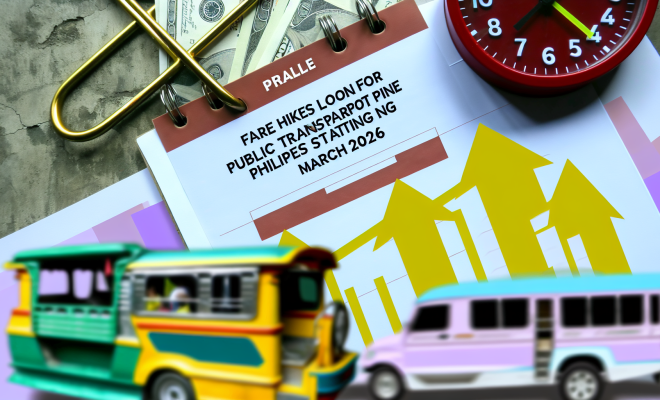
The Land Transportation Franchising and Regulatory Board (LTFRB) has officially announced a significant fare increase for various public transportation services, including jeepneys, buses, Transportation Network Vehicle Services (TNVS), and airport taxis. This adjustment will take effect on March 19, 2026, marking a pivotal moment for commuters across the Philippines as they must now reassess their transportation budgets in light of rising operational costs.
Understanding the Fare Increase
The LTFRB’s decision to raise fares comes in response to a series of fuel price hikes that have severely impacted the transportation sector. As many are aware, fuel costs play a crucial role in determining the overall pricing structure for public transport services. With escalating fuel prices, operators have found it increasingly difficult to maintain service levels without adjusting fares.
Details of the Fare Adjustments
While the specific fare increases have yet to be detailed, the LTFRB has indicated that the adjustment will be implemented across various modes of public transport. This includes:
- Jeepneys: The iconic mode of transport in the Philippines, widely utilized for short to medium-distance travel.
- Buses: Essential for longer routes, connecting various cities and municipalities.
- Transportation Network Vehicle Services (TNVS): Includes ride-hailing services that have gained popularity in urban areas.
- Airport Taxis: Specialized services catering to travelers arriving and departing from airports.
Commuters can expect to see adjusted fare matrices that reflect these increases, which will be crucial for budgeting purposes as the date approaches.
Impact on Commuters
The fare hike is expected to have a significant impact on daily commuters, many of whom rely on public transport as their primary means of mobility. With the rising cost of living, every additional peso adds to the financial strain faced by many Filipinos. The LTFRB’s decision emphasizes the need for a balanced approach that considers both the sustainability of transport services and the economic realities of commuters.
Economic Context
The decision to raise fares has not been taken lightly. It comes in the context of a broader economic landscape where inflation and rising costs are affecting households across the country. According to the latest data from the Philippine Statistics Authority, inflation rates have seen a steady increase, leading to higher prices for basic goods and services.
Reactions from Stakeholders
The announcement has elicited varied reactions from stakeholders within the transport sector and the general public. Transport operators have expressed support for the fare adjustments, citing the need to cover operational costs, including maintenance, driver wages, and fuel expenses. However, many commuters have voiced their concerns, fearing that these increases will exacerbate their financial challenges.
Government’s Role in Mitigating Impact
In light of the fare increase, there are calls for the government to provide additional support to low-income commuters. Possible measures could include:
- Subsidies: Providing financial assistance to affected commuters, particularly those who rely on public transport for their daily commutes.
- Promoting Alternative Transportation: Encouraging the use of bicycles or other eco-friendly modes of transportation to ease the burden on public transport.
- Improved Public Transport Infrastructure: Investing in better public transport facilities to enhance service quality and reliability.
Such measures could help cushion the blow of rising fares and maintain accessibility for all citizens.
Future Outlook for Public Transport Fares
As the effective date of the fare increase approaches, it is crucial for commuters to stay informed about the changes and adjust their travel budgets accordingly. This adjustment is not just a one-time occurrence; it may set a precedent for future fare increases as operational costs continue to fluctuate.
Moreover, the LTFRB will need to monitor the impact of these changes closely and remain responsive to the needs of both transport operators and commuters. As fuel prices remain volatile, further adjustments may be necessary in the coming months and years.
Conclusion
The impending fare increase for public transport services in the Philippines is a critical development that underscores the ongoing challenges faced by the transportation sector. As March 19, 2026, approaches, both commuters and operators must navigate the implications of these changes. While the fare increase aims to address rising operational costs, it also highlights the urgent need for comprehensive support measures to ensure that public transport remains accessible and sustainable for all Filipinos.