Global Crises: Debt, Violence & Shortages Reshape World Politics
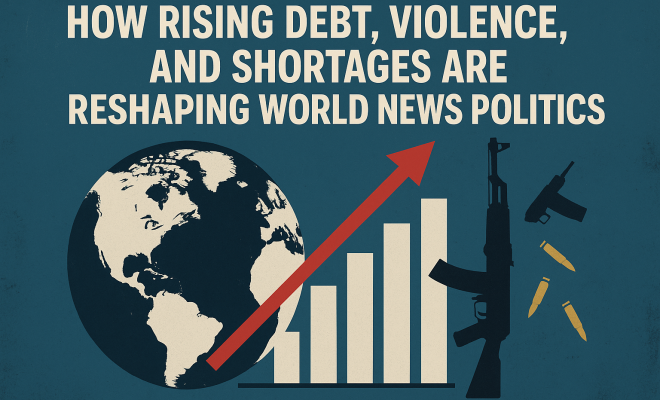
In recent weeks, world news politics has been dominated by a series of urgent developments spanning the globe, particularly in the Middle East. From the reduction of violence in Lebanon to the dire humanitarian situation in Gaza and the looming threat of rising debt affecting international development funding, these interconnected crises demand our attention. Understanding these dynamics not only sheds light on the immediate issues at hand but also encourages a broader discussion about their implications for global governance and humanitarian efforts.
Lebanon: A Fragile Peace
Lebanon has witnessed a notable decline in violence recently, a significant development in a nation that has struggled with political instability and sectarian conflict for decades. In a region where security can shift overnight, this reduction in hostilities has been greeted with cautious optimism. However, the question remains: how long will this calm last?
The Lebanese political landscape is complex and often volatile, largely influenced by external forces and internal divisions. The recent stability can be attributed in part to international diplomatic efforts aimed at fostering dialogue among various factions. However, the underlying issues of economic mismanagement and corruption persist, leaving many Lebanese citizens anxious about the long-term prospects for peace.
Additionally, with Hezbollah’s significant influence in the region and ongoing tensions with Israel, regional analysts are closely monitoring Lebanon’s political developments. Any sudden escalation, whether through military confrontations or domestic unrest, could easily destabilize not just Lebanon but also neighboring countries, making this situation critical for anyone following world news politics.
A recent report from the International Crisis Group indicated that while peace seems to hold for now, the potential for renewed violence remains a constant threat. The group’s analysts point to the importance of addressing socio-economic grievances among the youth, which could lead to civil unrest if not managed properly. Investing in community programs and economic opportunities is essential for fostering a sense of stability and belonging among Lebanese citizens.
The Humanitarian Crisis in Gaza
While Lebanon grapples with its internal challenges, Gaza finds itself in a dire humanitarian crisis exacerbated by ongoing shortages of essential supplies. The blockade imposed by Israel, coupled with internal governance issues, has created a perfect storm of deprivation affecting millions. The situation is so severe that it has drawn international attention and concern, highlighting the urgent need for humanitarian aid and political resolution.
Food, water, and medical supplies are in critically short supply, leading health officials to warn of impending disaster if conditions do not improve. Children and vulnerable populations are disproportionately affected, facing malnutrition and lack of access to basic health services. Humanitarian organizations are struggling to deliver aid, facing both logistical challenges and the geopolitical constraints imposed by the region’s ongoing conflict.
The humanitarian crisis in Gaza is more than just a local issue; it has significant geopolitical implications. As the international community grapples with how to respond, the situation serves as a reminder of the urgent need for peace talks and sustainable solutions. Failure to address these shortages can lead to increased unrest, further complicating an already tenuous situation in global politics.
Statistics from the United Nations Relief and Works Agency (UNRWA) indicate that over 80% of Gaza’s population relies on humanitarian aid to survive. Furthermore, the health sector in Gaza is nearing collapse, with the World Health Organization reporting critical shortages of medications and medical supplies. This underscores the urgency for international intervention and sustained dialogue aimed at resolving the blockade and restoring access to necessary resources.
Debt: An Overarching Threat to Development
In tandem with these regional crises, the issue of rising national debt is creating significant barriers to development funding worldwide. Many countries are facing unsustainable debt levels, which limit their ability to invest in essential services and infrastructure. This is particularly concerning in developing nations, where economic instability can derail progress and exacerbate poverty.
The United Nations has highlighted the importance of maintaining development funding to support countries struggling under the weight of debt. However, as economic conditions worsen globally, donors are becoming increasingly hesitant to provide assistance. The shift in focus from alleviating poverty and supporting development to managing debts creates a perilous situation that can have long-term consequences on global stability.
For example, countries in Africa and South Asia are particularly vulnerable, as they rely heavily on international aid for health, education, and housing. The rising costs of servicing debt can lead to cuts in these essential services, ultimately impacting millions. The ongoing pandemic has further complicated matters, straining health systems and economies, and reducing the capacity for nations to respond to crises effectively. (See: Overview of Lebanon's political landscape.)
According to a report from the World Bank, developing countries will require over $5 trillion by 2030 to achieve the Sustainable Development Goals (SDGs). With rising debt levels, many of these countries are at risk of falling behind, unable to invest in critical areas like clean water, education, and healthcare. This reality poses a significant threat not only to the countries in question but to global stability as well, as failed states can lead to increased migration, conflict, and humanitarian crises.
Global Reactions: A Mixed Bag
The global community’s response to these interconnected crises has been varied. Some nations have stepped up their humanitarian aid efforts, while others have adopted a more isolationist stance, emphasizing national interests over international cooperation. This divergence in approach highlights a significant challenge in world news politics: the balance between national sovereignty and global responsibility.
Humanitarian organizations have called for a coordinated international response to the humanitarian crisis in Gaza, urging countries to prioritize aid over political considerations. However, the reality is that political agendas often dictate the flow of aid, leading to inconsistencies in how countries respond.
Some nations have also begun to address the debt crisis, with discussions around debt relief and restructuring becoming more prevalent. While this is a step in the right direction, the effectiveness of these measures remains to be seen. Many countries are still grappling with the implications of rising debt, and it will take concerted efforts from the global community to address these challenges comprehensively.
Interestingly, data from the Global Humanitarian Assistance Report reveals that humanitarian funding has decreased since 2018, despite the growing number of people in need. This contradiction raises questions about the priorities of donor countries and the effectiveness of international aid mechanisms in responding to crises. A more unified and strategic approach is essential to ensure that aid reaches those who need it most while addressing the underlying causes of these crises.
Political Implications: A Call for Action
The situations unfolding in Lebanon and Gaza, coupled with the debt crisis impacting development funding, serve as a stark reminder of the interconnected nature of world news politics. The ripple effects of these crises extend far beyond their immediate geographic boundaries, influencing global stability and security. As citizens of an increasingly interconnected world, it’s imperative that we advocate for actions that promote peace, humanitarian aid, and sustainable development.
Political leaders must prioritize diplomacy and engagement over military solutions in conflict zones. In regions like the Middle East, where tensions are high, there is an urgent need for dialogue aimed at resolving underlying disputes. Similarly, addressing the debt crisis requires innovative solutions that focus on long-term economic sustainability rather than short-term fixes.
The role of international organizations, such as the United Nations, cannot be overstated. They must be empowered to facilitate negotiations and ensure that humanitarian aid reaches those in need. By fostering collaboration among nations, we can work towards a more stable and equitable world.
To illustrate, the recent talks facilitated by the European Union aimed at restoring peace in the region represent a step towards a more collaborative approach to international politics. However, the effectiveness of such initiatives hinges on the willingness of all parties to engage in meaningful dialogue and compromise, which has historically been a significant hurdle in Middle Eastern politics.
Public Awareness: The Power of Information
In an age of information overload, public awareness of these issues is crucial. Social media and online platforms have the power to amplify voices from conflict zones, bringing attention to humanitarian crises that might otherwise go unnoticed. By sharing information and raising awareness about the struggles faced by those in Gaza and Lebanon, individuals can contribute to a greater understanding of world news politics.
Grassroots movements and advocacy groups play a vital role in mobilizing public opinion around these issues. By engaging communities and encouraging dialogue, they can foster a sense of collective responsibility. This is especially important in democracies, where citizen engagement can influence policy decisions.
Moreover, media coverage can shape perceptions and drive action. Journalists have a responsibility to report on these crises with accuracy and empathy, shedding light on the human experiences behind statistics and headlines. Through responsible reporting, journalists can hold leaders accountable and advocate for change.
For example, campaigns like “#SaveGaza” have successfully mobilized thousands of supporters to push for greater humanitarian aid and governmental action. This illustrates the potential impact of social media in shaping political discourse and influencing decision-makers. The more people are informed, the more likely they are to demand action from their governments and hold them accountable. (See: Impact of rising debt on international funding.)
The Role of International Aid Organizations
International aid organizations have been on the front lines of the humanitarian crises in Gaza and Lebanon, providing essential services and support to affected populations. These organizations are often the first responders in conflict zones, delivering food, medical care, and shelter to those in need. Their work is vital in mitigating the impact of violence and shortages on vulnerable communities.
However, the challenges they face are immense. Political barriers, funding shortages, and security risks can hinder their efforts, complicating the delivery of aid. For example, access to certain areas in Gaza is restricted, making it difficult for aid workers to reach those who need help the most. This highlights the critical need for international support and cooperation to ensure that aid can flow freely to those in need.
Furthermore, the impact of rising national debt on humanitarian funding cannot be overlooked. As countries struggle to manage their debts, resources for international aid are being stretched thin. This emphasizes the need for innovative solutions that include not just immediate funding, but also long-term strategies to build resilience in affected communities.
Organizations like Médecins Sans Frontières (Doctors Without Borders) and the International Committee of the Red Cross play a critical role in delivering medical and emergency aid in conflict zones. Their ability to operate in challenging environments underscores the importance of international solidarity and the commitment to humanitarian principles that prioritize human life over political considerations.
Looking Ahead: The Future of World News Politics
The future of world news politics will depend largely on how the international community responds to the complex challenges of violence, humanitarian crises, and debt. The interconnected nature of these issues underscores the importance of a comprehensive approach that addresses the root causes of conflict and instability.
As we look ahead, it is essential for world leaders to prioritize diplomatic efforts aimed at fostering peace and stability. This involves not only addressing current conflicts but also working towards long-term solutions that promote economic development and social cohesion.
In the face of rising national debt, innovative financing mechanisms must be explored to ensure that development funding continues to flow to those who need it most. By investing in sustainable development and economic resilience, we can build a future that is less vulnerable to the shocks of conflict and crisis.
Continued engagement from regional powers and international actors is crucial. For instance, the recent agreements between Gulf states to support economic development in conflict-affected areas demonstrate a positive trend. Such partnerships can provide the necessary resources and stability needed to foster long-term peace and security.
Frequently Asked Questions (FAQ)
What is the humanitarian situation in Gaza?
The humanitarian situation in Gaza is critical, with severe shortages of food, water, and medical supplies. More than 80% of the population relies on humanitarian aid due to the ongoing blockade and internal governance issues.
How does Lebanon’s political situation affect regional stability?
Lebanon’s complex political landscape, shaped by sectarian divisions and external influences, poses risks of instability that can escalate into broader regional conflicts, especially with groups like Hezbollah involved.
What are the implications of rising national debt on development funding?
Rising national debt can hinder a country’s ability to invest in essential services, leading to cuts in healthcare and education and further exacerbating poverty and instability, particularly in developing nations. (See: Recent developments in the Middle East.)
How can international aid organizations help in crisis situations?
International aid organizations provide critical services such as food, medical care, and emergency support in conflict zones. They play a vital role in alleviating suffering and mitigating the impacts of violence and deprivation.
What role does public awareness play in world news politics?
Public awareness is crucial in shaping political discourse and driving action. It mobilizes support for humanitarian efforts and holds governments accountable for their response to crises.
Economic Stability and Conflict Prevention
Addressing the root causes of conflict involves a strong focus on economic stability. International efforts to support economic development in conflict-prone regions are essential to prevent future crises. Economic programs that promote job creation, infrastructure development, and local entrepreneurship can significantly reduce the likelihood of conflict. For example, the World Bank has initiated programs in various regions aimed at providing microloans to local businesses. These efforts empower communities by enabling them to become self-sufficient, reducing their reliance on humanitarian aid.
The Role of Technology in Crisis Response
Technology is increasingly playing a crucial role in responding to humanitarian crises. Innovations such as mobile health applications, remote sensing for disaster monitoring, and blockchain for transparent aid distribution are fundamentally changing how aid is delivered. These technologies can enhance the efficiency and effectiveness of humanitarian response efforts. For instance, mobile applications allow aid organizations to track the distribution of supplies in real time, ensuring that resources reach those in need promptly. The use of drones for delivering medical supplies in hard-to-reach areas has also shown promising results. As these technologies continue to evolve, their potential to save lives and improve the quality of aid will only increase.
Grassroots Movements: A Catalyst for Change
Grassroots movements have emerged as powerful catalysts for change in the realm of world news politics. Local communities often have unique insights into their challenges and can mobilize effectively to advocate for their needs. Movements such as “Black Lives Matter” and “Fridays for Future” have demonstrated the power of collective action to influence governmental policies and social perceptions. These movements leverage social media to spread awareness and mobilize support globally. Their successes highlight the importance of inclusivity and representation in political discourse, especially for marginalized communities impacted by crises.
What Can Individuals Do?
Individuals can play a significant role in advocating for change in world news politics. Simple actions such as educating oneself about global issues, supporting humanitarian organizations, or participating in advocacy campaigns can create a ripple effect. Engaging in conversations within your community about these topics can also help raise awareness and promote collective action. Whether it’s through social media, local community groups, or international organizations, every effort counts in building a more informed and proactive society.
Conclusion: A Call for Global Responsibility
As the world grapples with the complexities of modern politics, the situations in Lebanon, Gaza, and the broader issues of debt and development funding remind us of our shared responsibility to advocate for positive change. These crises are not isolated; they are interconnected and require a unified response from the global community.
In the end, the real power lies in our ability to engage, inform, and act. Whether through advocacy, education, or simply raising awareness, each of us has a role to play in shaping the future of world news politics. By fostering dialogue and promoting understanding, we can contribute to a more peaceful and just world.
Trending Now
Frequently Asked Questions
What are the main factors reshaping world news politics today?
Rising debt, violence, and humanitarian shortages are currently reshaping world news politics. These interconnected crises, particularly evident in regions like the Middle East, highlight the urgent need for global governance and humanitarian efforts to address the underlying issues affecting international stability.
How has violence in Lebanon changed recently?
Lebanon has experienced a notable reduction in violence, a positive shift for a country long plagued by political instability and sectarian conflict. This decline is met with cautious optimism, yet concerns remain about the potential for renewed hostilities due to ongoing economic mismanagement and corruption.
What is the humanitarian situation in Gaza?
The humanitarian situation in Gaza is dire, with significant shortages affecting the population. This crisis is compounded by broader geopolitical tensions and the impact of rising debt on international development funding, necessitating urgent attention from global leaders.
What role does Hezbollah play in Lebanon's politics?
Hezbollah holds significant influence in Lebanon's political landscape, impacting both domestic stability and regional security. Analysts are closely monitoring its actions, especially in relation to ongoing tensions with Israel, as any escalation could destabilize Lebanon and its neighbors.
Why is international diplomatic effort important in Lebanon?
International diplomatic efforts are crucial in Lebanon to foster dialogue among various political factions and maintain peace. Given the country’s complex political landscape and history of conflict, these efforts aim to address underlying issues while preventing a return to violence.
What’s your take on this? Share your thoughts in the comments below — we read every one.