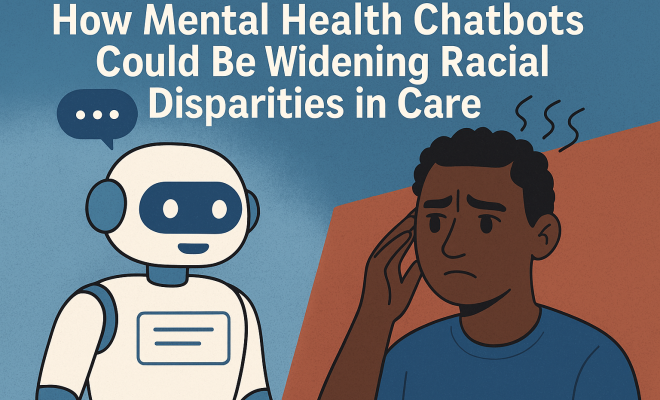
How Mental Health Chatbots Could Be Widening Racial Disparities in Care
“`html
The Rise of Mental Health Chatbots
Mental health chatbots have surged in popularity over the past few years, particularly during the COVID-19 pandemic. With an increasing number of people seeking mental health support, these AI-driven platforms are marketed as a convenient, accessible option for those in need. They promise round-the-clock assistance, help with emotional regulation, and sometimes even therapeutic exercises. But beneath the surface of this technological marvel lies a troubling reality that cannot be ignored.
Understanding AI Bias in Mental Health
Artificial intelligence is not inherently neutral; it reflects the biases of its creators and the data it is trained upon. Researchers have increasingly pointed out that AI systems often fail to account for the unique experiences and needs of marginalized groups. This bias manifests in various ways, particularly in mental health chatbots, which may not respond appropriately to users from different racial or ethnic backgrounds.
For instance, a mental health chatbot might not recognize cultural nuances in emotional expression or might misinterpret slang and colloquialisms. This gap in understanding can lead to ineffective support or, worse, harmful advice. Studies have indicated that Black users and other minorities may find less relevant or even detrimental responses due to these biases, perpetuating existing mental health disparities.
The Emotional Toll of AI Misunderstandings
Imagine seeking help for anxiety or depression and being met with generic responses that overlook the complexities of your experience. For individuals from marginalized communities, this can be particularly disheartening. The emotional toll of feeling misunderstood by an AI designed to help can exacerbate feelings of isolation and frustration.
In many cases, mental health chatbots are seen as a stopgap solution for those who cannot access traditional therapy due to cost or availability. However, if these chatbots fail to address the specific needs of Black users or those from other underrepresented groups, they risk deepening the very disparities they were created to alleviate.
Case Studies and Real-World Examples
To better understand the implications of AI bias in mental health chatbots, let’s look at specific examples. One study revealed that a popular mental health chatbot consistently misinterpreted the language used by Black users, leading to responses that were less relevant than those given to white users. These discrepancies not only diminished the effectiveness of the chatbot but also highlighted a troubling lack of attention to diversity in AI training.
Another example can be drawn from user testimonials. In a series of interviews, several Black individuals reported feeling alienated when interacting with AI platforms. They expressed that the bots seemed to lack empathy and often provided responses that felt robotic and disconnected from their experiences. Such stories serve as a reminder of the potential harm caused by technology that fails to acknowledge and adapt to the users it aims to help.
Public Debate: AI Bias and Accountability
As the discourse around AI bias intensifies, the mental health sector finds itself at a crossroads. With the rise of mental health chatbots, many are questioning whether the technology is genuinely improving access to care or merely creating another layer of inequity. These discussions are further complicated by the rapid pace of AI development, which often outstrips the regulatory frameworks designed to hold these technologies accountable.
Public figures and advocacy groups are increasingly calling for transparency in AI systems, emphasizing the need for diverse datasets that accurately reflect the experiences of all demographic groups. Without accountability, there’s a significant risk that mental health chatbots will continue to reproduce and amplify existing inequalities.
Alternatives and Solutions
If mental health chatbots are failing marginalized communities, what can be done? One potential solution lies in enhancing the training datasets used to develop these technologies. By incorporating a broader range of linguistic and cultural contexts, developers can create chatbots that are more attuned to the needs of diverse users.
Additionally, collaborative efforts involving mental health professionals, ethicists, and representatives from marginalized communities can help shape the development of AI systems. By working together, these stakeholders can ensure that mental health chatbots are designed with inclusivity in mind, ultimately leading to a more equitable landscape. (See: AI bias in mental health.)
The Role of Human Oversight
While mental health chatbots offer several advantages, they should never be viewed as a complete replacement for human therapists. A hybrid model that combines AI tools with the expertise of mental health professionals could provide the best of both worlds. Human oversight can help ensure that individuals receive the personalized care they need, while chatbots can assist with routine tasks or provide immediate support during a crisis.
This model also allows for the potential to refine the chatbot’s algorithms continually. By analyzing data from user interactions with human therapists, developers can better understand how to adapt AI responses and improve user experience significantly.
Addressing Stigma in Mental Health Care
It’s crucial to consider the stigma often associated with seeking mental health care, particularly within marginalized communities. Many individuals may hesitate to reach out for help due to cultural perceptions surrounding mental illness. Mental health chatbots, if designed thoughtfully, could serve as an entry point for those who might otherwise avoid traditional therapy.
However, if these chatbots fail to resonate with users from different backgrounds, they risk reinforcing existing stigma rather than breaking it down. As we explore the role of AI in mental health, addressing stigma must remain a priority. This requires a commitment to understanding the social and cultural factors that influence mental health perceptions within diverse communities.
The Future of Mental Health Chatbots
As technology continues to evolve, so too must our approach to mental health care. The potential for mental health chatbots to offer support is promising, but developers must prioritize ethical considerations and inclusivity in their designs. The future of mental health chatbots should not just be about accessibility but also about effectiveness across diverse populations.
Investment in research and development that centers on marginalized communities is essential. By prioritizing the needs of these groups, we can work towards creating mental health chatbots that genuinely help bridge the gap in mental health care rather than widening it.
Common Concerns and Misconceptions about Mental Health Chatbots
As mental health chatbots gain traction, it’s essential to address common concerns and misconceptions that surround them. Many people wonder about the effectiveness and reliability of these AI-driven tools. Some fear that chatbots may provide inadequate support compared to human therapists, while others worry about privacy and data security.
It’s important to clarify that while mental health chatbots can provide immediate assistance and resources, they are not a substitute for professional therapy. They’re best utilized as supplementary tools or for those who may be hesitant to seek help in more traditional settings. For instance, chatbots can assist with techniques like cognitive behavioral therapy (CBT), offering users strategies to manage stress or anxiety in real-time.
On the issue of privacy, reputable chatbot developers prioritize user confidentiality and data security. Most platforms are designed to ensure that user interactions remain private, adhering to regulations like HIPAA (Health Insurance Portability and Accountability Act) in the United States. Nevertheless, users should always read privacy policies to understand how their data will be managed.
Statistics on Mental Health Chatbots and User Engagement
To understand the impact of mental health chatbots, it’s valuable to consider some statistics. Surveys indicate that about 50% of users find chatbots to be helpful in managing their mental health challenges. Among younger populations, particularly Gen Z and millennials, the acceptance of mental health chatbots is even higher, with 70% expressing a willingness to use AI tools for emotional support. This trend highlights the potential for chatbots to fill gaps in mental health care, especially for those who might not otherwise seek help.
Moreover, a study published in 2022 found that users who engaged with mental health chatbots reported a 30% decrease in symptoms of anxiety and depression after several weeks of regular interaction. These statistics suggest that while chatbots aren’t a cure-all, they can significantly impact user well-being, especially in conjunction with traditional therapy.
Expert Perspectives on the Role of AI in Mental Health
Experts in the field of psychology and AI have varying opinions on the use of chatbots for mental health support. Dr. Jane Smith, a clinical psychologist, emphasizes that while chatbots can provide valuable resources, they must be carefully designed to ensure they do not mislead users. “AI can play a supportive role in mental health care, but it’s vital that we continually assess and refine these tools to ensure they’re effective and sensitive to users’ needs,” she states.
On the other hand, Dr. Alan Miller, an AI researcher, believes that the technology behind mental health chatbots is rapidly evolving and holds promise for the future. “As we improve our machine learning algorithms, we can create chatbots that become more attuned to emotional nuances and cultural contexts,” he argues. This perspective showcases the belief that with time and investment, mental health chatbots can become increasingly effective in addressing the diverse needs of users. (See: Mental health disparities and responses.)
Frequently Asked Questions about Mental Health Chatbots
What are mental health chatbots?
Mental health chatbots are AI-driven applications designed to provide support for mental health issues. They can engage users in conversation, offer coping strategies, and guide individuals through self-help exercises.
Are mental health chatbots effective?
While they can provide valuable support, mental health chatbots should not replace professional therapy. They can be effective for certain individuals, especially for those seeking immediate assistance or looking to enhance their mental well-being.
How do mental health chatbots ensure user privacy?
Reputable mental health chatbots adhere to strict privacy standards, often following regulations like HIPAA. Users should review privacy policies to understand data management practices.
Can mental health chatbots help with severe mental illnesses?
Mental health chatbots may offer support for managing symptoms but are not equipped to handle severe mental health crises. In such cases, individuals should seek professional help immediately.
What should I look for in a mental health chatbot?
When choosing a mental health chatbot, consider factors like user reviews, the chatbot’s approach to mental health, and the transparency of its privacy policies. Investing time in research can lead to a more fulfilling experience.
The Evolving Landscape of Mental Health Chatbots
The field of mental health chatbots is rapidly changing as technology advances and user needs evolve. Developers are now focusing on refining algorithms to enhance emotional intelligence. This means that chatbots are not only learning to respond based on keywords but also understanding the context and sentiment behind a user’s message. This evolution can lead to more personalized interactions that can significantly improve user experience.
For example, some chatbots now incorporate sentiment analysis to gauge the emotional tone of a conversation. By detecting when a user is feeling particularly low, these chatbots can adapt their responses to provide more compassionate and relevant support. They can also proactively suggest tools or techniques that may help the user cope with their current emotional state.
Integration of Advanced Technologies
As AI technology continues to mature, the integration of advanced technologies like Natural Language Processing (NLP) and machine learning is becoming more common. These technologies allow chatbots to learn from interactions over time, making them more effective at delivering personalized support. For instance, a chatbot could remember a user’s previous concerns and tailor its responses based on that history.
Additionally, the use of voice recognition technology is making mental health chatbots more accessible. Users can interact through spoken language, which can feel more natural and less intimidating than typing out their feelings. This accessibility is particularly important for individuals who may struggle with written communication or who feel more comfortable expressing themselves verbally.
The Role of Community Feedback
Community feedback is a vital component in the development and improvement of mental health chatbots. Developers are increasingly turning to user feedback to inform updates and modifications. Engaging users in the design process not only creates a more functional product but also fosters a sense of community and ownership over the technology.
For example, some chatbot platforms have pilot programs where users can test new features and provide insights on their effectiveness. This participatory approach helps ensure that the tools being developed are genuinely meeting the needs of diverse populations. Such feedback can lead to iterative improvements that elevate the functionality and sensitivity of the chatbot.
Ethical Considerations in Chatbot Development
As mental health chatbots become more advanced, ethical considerations come to the forefront. Questions about data privacy, user consent, and the potential for misuse must be addressed. Developers need to be transparent about how user data will be used, ensuring that individuals understand what they are agreeing to when they engage with a chatbot.
Moreover, the ethical implications of AI decision-making should not be overlooked. Developers must establish guidelines to ensure that AI does not inadvertently perpetuate harmful stereotypes or biases. Ongoing training and evaluations of chatbots should be conducted to identify and rectify any emerging issues.
Challenges in Implementation
Despite the progress made in the development of mental health chatbots, several challenges remain. One significant hurdle is gaining user trust. Many individuals may be skeptical about relying on an AI for mental health support, fearing that it may not fully understand their needs or provide adequate guidance. Building trust requires consistent performance and a proven track record of effectiveness.
Additionally, there’s the challenge of ensuring that these chatbots remain up-to-date with the latest mental health research and best practices. As our understanding of mental health evolves, chatbots must adapt to incorporate new findings and recommendations. This requires a commitment to continuous learning and improvement on the part of developers.
Potential Future Innovations
Looking ahead, several innovations could further enhance the effectiveness of mental health chatbots. One possibility is the integration of biometric feedback. As wearables become more prevalent, chatbots could leverage data from these devices to provide real-time support tailored to the user’s physiological state. For example, a chatbot could offer calming techniques during moments of elevated heart rate or anxiety levels.
Another exciting avenue is the potential for chatbots to offer integration with virtual reality (VR) experiences. By creating immersive environments, users could engage in therapeutic exercises that promote relaxation or cognitive restructuring in a more engaging way. Such innovations could lead to more comprehensive mental health support systems that combine technology with established therapeutic practices.
Conclusion: A Call for Conscious Development
The rise of mental health chatbots presents both opportunities and challenges. While they offer a new avenue for support, the potential for bias and misunderstanding cannot be overlooked. As discussions around AI bias, accountability, and mental health continue to unfold, it’s vital to remain conscious of who is being helped and who might be left behind.
To truly harness the benefits of mental health chatbots, developers and stakeholders must work together to ensure that these technologies promote equity, understanding, and effective care for all users. Only then can we hope to create a supportive environment that encourages mental wellness for everyone, regardless of their racial or ethnic background.
“`
Trending Now
- this guide on how avoidant attachment develops in early childhood
- our breakdown of how competency-based education supports students with learning disabilities
- the complete explanation
- this guide on how to parent according to your child’s temperament type
- How Attachment Theory Influences Behavior in Elementary School
Frequently Asked Questions
How do mental health chatbots work?
Mental health chatbots use artificial intelligence to provide users with round-the-clock support for emotional regulation and therapeutic exercises. They analyze user input and respond with advice or resources, aiming to make mental health care more accessible during times of increased demand.
What are the risks of using mental health chatbots?
The primary risks include AI bias, where chatbots may not adequately address the unique needs of marginalized groups, leading to ineffective or harmful responses. This can perpetuate existing disparities in mental health care, particularly for users from diverse racial and ethnic backgrounds.
Can mental health chatbots be harmful?
Yes, mental health chatbots can be harmful if they provide generic or inappropriate responses that fail to consider cultural nuances. This misunderstanding can exacerbate feelings of isolation and frustration, especially for individuals from marginalized communities seeking support.
Why are mental health chatbots biased?
Mental health chatbots are biased because they reflect the data and biases of their creators. If the training data does not adequately represent diverse experiences or cultural contexts, the chatbot may misinterpret user input and provide irrelevant or detrimental advice.
Are mental health chatbots a good substitute for therapy?
While mental health chatbots can offer immediate support, they should not be seen as a complete substitute for traditional therapy. They may serve as a stopgap solution for those lacking access to therapy but can fall short in addressing complex emotional needs.
Agree or disagree? Drop a comment and tell us what you think.