Formative vs. Summative Assessment: Key Differences Explained
“`html
1. Understanding Assessments in Education
Assessment is a cornerstone of the educational process, acting as a tool to measure students’ knowledge, skills, and understanding. It can be broadly classified into two categories: formative and summative assessments. These two types serve different purposes and have distinct approaches that can greatly affect the learning experience. Understanding formative vs summative assessment is crucial for educators, students, and parents alike, as it influences teaching methods and learning outcomes.
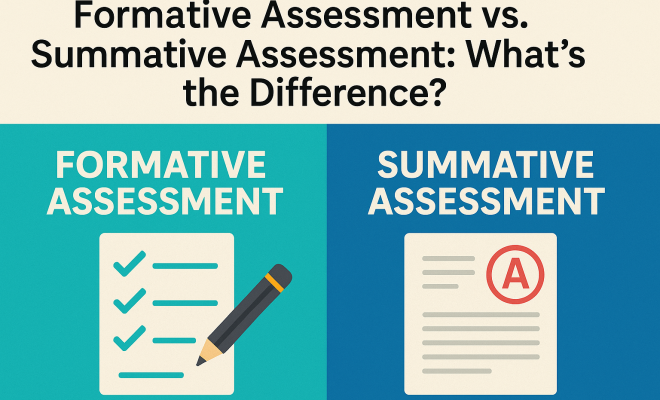
In essence, formative assessments are ongoing assessments that take place during the learning process. They aim to provide feedback and guide instructional decisions. Conversely, summative assessments evaluate student learning at the end of an instructional unit by comparing it against some standard or benchmark. Both types of assessment provide valuable insights, but they do so in fundamentally different ways.
2. What is Formative Assessment?
Formative assessment is often characterized by its dynamic nature. Think of it as a continuous feedback loop designed to enhance learning. These assessments can take various forms, including quizzes, class discussions, and peer feedback. The primary goal is to identify areas where students may struggle and adjust instruction accordingly.
One of the defining features of formative assessment is its focus on the process of learning rather than the final product. For instance, a teacher might use exit tickets at the end of a lesson to gauge students’ understanding of the material. This immediate feedback allows educators to tailor their teaching strategies on the fly, ensuring that no student is left behind. The emphasis on improvement and growth is what makes formative assessments particularly powerful in the classroom.
3. Key Characteristics of Formative Assessment
Several key characteristics distinguish formative assessments from their summative counterparts. Firstly, they are typically low-stakes, meaning they do not significantly impact a student’s overall grade. This low-pressure environment encourages students to take risks and engage more openly with the material.
Secondly, formative assessments are often collaborative in nature. They involve interaction between students and teachers and can include peer assessments, group work, and discussions. This collaboration fosters a supportive learning environment where students feel comfortable sharing their thoughts and seeking clarification. Lastly, formative assessments are iterative; they occur frequently and provide ongoing feedback that can improve student performance over time.
4. Examples of Formative Assessment
Formative assessments can take many forms, and their implementation in the classroom can vary widely. For example, teachers might utilize quick polls or quizzes during lessons to gauge understanding. A simple thumbs-up or thumbs-down can provide instant feedback on whether students grasp a concept.
Another effective method is the use of learning journals or portfolios, where students reflect on their learning experiences, document their progress, and set future goals. Additionally, think-pair-share activities encourage student dialogue, allowing them to articulate their understanding and learn from one another. Each of these examples illustrates how formative assessments can provide valuable insights into student learning while also promoting an interactive classroom environment.
5. What is Summative Assessment?
On the flip side is summative assessment, which typically occurs at the end of a learning unit or course. Its primary purpose is to evaluate student learning by measuring the extent to which they have achieved defined learning objectives. Common forms of summative assessments include final exams, standardized tests, and major projects.
Summative assessments serve as a way to summarize what students have learned over a specific period. Unlike formative assessments, which focus on process and improvement, summative assessments concentrate on the end result. This makes them essential for determining whether students have met educational standards and competencies.
6. Key Characteristics of Summative Assessment
Summative assessments possess several defining characteristics that set them apart from formative assessments. One key feature is that they are typically high-stakes. The results can significantly impact a student’s grade, influencing their academic record and future opportunities.
Moreover, summative assessments are often more formalized than formative assessments. They usually follow a structured format, with clear guidelines and grading rubrics. This objectivity is crucial for ensuring consistency in evaluating student performance. However, this rigid structure can also lead to stress for students, as they may feel pressured to perform well in a single high-stakes situation. (See: Formative Assessment Resources from the U.S. Department of Education.)
7. Examples of Summative Assessment
In practice, summative assessments can take many forms, each designed to evaluate a student’s understanding comprehensively. Final exams are perhaps the most recognizable form, often covering an entire semester’s worth of material in a single sitting. These assessments aim to measure the depth of knowledge students have acquired.
Another example is standardized tests, which are administered at various educational levels to assess student learning against a common standard. Projects and research papers can also serve as summative assessments, where students synthesize their knowledge and present it in a structured format. Each of these examples underscores the critical role summative assessments play in measuring educational outcomes.
8. Formative vs Summative Assessment: Key Differences
When discussing formative vs summative assessment, several key differences emerge. Firstly, the timing of these assessments is fundamental; formative assessments occur during the learning process, while summative assessments take place at the end.
Secondly, the stakes involved differ significantly. Formative assessments are low-stakes and primarily serve to inform instruction and support learning. In contrast, summative assessments are high-stakes, often determining final grades and academic standing. Finally, the feedback mechanism is distinct; formative assessments provide immediate, actionable feedback, whereas summative assessments offer retrospective evaluations of student performance.
9. Current Relevance of Formative and Summative Assessments
In today’s educational landscape, the importance of both formative and summative assessments cannot be understated. As educational approaches evolve, there is a growing emphasis on the integration of formative assessments into daily instruction. Educators increasingly recognize that ongoing feedback is vital for student success.
Furthermore, the rise of technology in education has transformed how assessments are conducted. Online quizzes, digital portfolios, and interactive platforms facilitate real-time feedback, making formative assessments more accessible and efficient. Meanwhile, summative assessments continue to provide essential benchmarks for evaluating educational standards.
10. Making the Most of Both Assessment Types
For educators, understanding how to effectively leverage both formative and summative assessments is key to enhancing student learning. Incorporating formative assessments into daily lessons can create a responsive learning environment where students feel supported and engaged.
On the other hand, summative assessments should be thoughtfully designed to ensure they accurately reflect student learning over a defined period. By balancing both assessment types, educators can create a comprehensive approach that not only measures learning outcomes but also fosters continuous improvement, ultimately benefiting students in their educational journeys.
11. The Impact of Formative Assessment on Student Learning
The impact of formative assessment on student outcomes is significant. Research indicates that when formative assessments are effectively used, students tend to achieve higher academic performance. For example, a study by the Institute for Education Sciences found that schools implementing formative assessments saw a 10-20% increase in student test scores. This highlights how ongoing assessments can lead to more personalized learning experiences, allowing students to identify their strengths and weaknesses over time.
Additionally, formative assessments encourage a growth mindset among students. By focusing on improvement rather than just grades, students learn to view challenges as opportunities for development. This shift in perspective is crucial for fostering resilience and persistence in learning, especially in subjects that students may find difficult.
12. Integrating Technology into Formative Assessments
Modern technology has provided innovative ways to conduct formative assessments. Tools like Kahoot!, Quizizz, and Google Forms allow teachers to create interactive quizzes that students can complete in real-time. This not only engages students but also provides instant analytics for educators to review performance data.
Online collaborative platforms such as Padlet or Jamboard facilitate peer feedback, enabling students to share their thoughts and receive insights from classmates. These technological integrations streamline the assessment process, making it easier to track progress and adapt instruction as needed.
13. Challenges of Formative Assessment
While formative assessment has many benefits, it also comes with its challenges. One significant barrier is the time required for teachers to implement effective formative assessments continuously. Educators may find it challenging to balance the demands of the curriculum with the need for ongoing feedback. (See: National Institute of Child Health and Human Development on Assessments.)
Moreover, some educators may lack the training or resources to effectively utilize formative assessments. Professional development opportunities focusing on formative assessment strategies can help bridge this gap, empowering teachers to create meaningful assessments that drive student achievement.
14. Best Practices for Summative Assessment
To ensure that summative assessments accurately measure student learning, several best practices should be considered. First, assessments should be aligned with learning objectives. This alignment ensures that the evaluation methods employed accurately reflect what students are expected to learn.
Second, incorporating a variety of assessment types can provide a more comprehensive picture of student learning. For instance, mixing multiple-choice questions with open-ended essay prompts can gauge both factual knowledge and critical thinking skills. This variety helps cater to different learning styles and abilities.
Lastly, providing students with clear expectations and study guidelines can enhance their performance on summative assessments. Providing a rubric can clarify how their work will be evaluated, reducing anxiety and helping them focus on demonstrating their knowledge effectively.
15. Alternatives to Traditional Summative Assessments
While traditional summative assessments like finals and standardized tests are commonly utilized, alternatives can provide equally valuable insights into student learning. Performance-based assessments, for example, require students to demonstrate their understanding through real-world tasks, such as presentations, experiments, or artistic performances. These assessments allow students to apply their knowledge in practical settings.
Another alternative is portfolio assessments, where students compile a collection of their work over time. This method offers a holistic view of student progress and can be particularly valuable in subjects like art and writing. Additionally, project-based assessments encourage collaboration and critical thinking, as students work together to address complex problems or questions.
16. FAQs about Formative vs Summative Assessment
What is the main difference between formative and summative assessments?
The primary difference lies in their timing and purpose. Formative assessments are conducted during the learning process to provide feedback and guide instruction, while summative assessments occur at the end of a learning unit to evaluate overall student learning.
Why are formative assessments important?
Formative assessments are essential because they provide ongoing feedback that helps both students and teachers identify areas of strength and weakness. This feedback allows for adjustments in teaching methods and supports individualized learning.
Can summative assessments be modified for different learning levels?
Absolutely! Summative assessments can be adjusted to accommodate different learning levels by using varied question formats, providing extra time, or allowing for alternative ways to demonstrate understanding, such as oral presentations or projects.
How often should formative assessments be conducted?
There is no one-size-fits-all answer. However, formative assessments should be frequent enough to provide meaningful feedback and inform instruction, often occurring weekly or after key lessons or units.
Are formative assessments graded?
Typically, formative assessments are not graded in the traditional sense. They are used to inform learning and teaching rather than to evaluate student performance for a final grade.
What roles do students play in formative assessments?
Students play an active role in formative assessments by engaging in self-assessment, peer feedback, and reflecting on their learning. This involvement fosters ownership of their learning processes and encourages a proactive approach to their education.
How can teachers effectively implement both formative and summative assessments?
Teachers can effectively implement both types of assessments by integrating formative assessments into daily lessons and ensuring that summative assessments align with the learning objectives. Continuous reflection on student outcomes can guide improvements in both assessment types.
17. Challenges in Implementing Both Assessment Types
While both formative and summative assessments have their strengths, challenges exist in implementing them effectively. For formative assessment, teachers often struggle with time constraints. Developing and administering regular assessments can be time-consuming, especially when balancing curriculum coverage. Educators may need to creatively integrate assessments into daily activities without overwhelming themselves or their students.
For summative assessments, one common issue is the pressure that high-stakes testing can place on students. This pressure may lead to test anxiety, which can skew performance and not accurately reflect a student’s understanding or capabilities. Educators are tasked with finding ways to minimize this anxiety while maintaining the integrity of the assessment.
18. Future Directions for Assessment Practices
The future of assessment practices is increasingly leaning towards a more personalized approach. As educational technology continues to advance, assessments will likely incorporate adaptive learning technologies that tailor assessments to individual student needs. For example, platforms could adjust the difficulty of questions based on student responses in real-time, providing a more accurate picture of understanding.
Additionally, there is a growing trend towards competency-based assessments, where students demonstrate mastery of skills and knowledge at their own pace. This approach allows for a more holistic view of student learning, as it emphasizes growth and understanding over traditional grading systems. The shift towards these innovative practices reflects a broader understanding of diverse student needs and the importance of flexibility in education.
19. Final Thoughts on Formative vs Summative Assessment
As we move forward, recognizing the unique benefits and challenges of formative and summative assessments will be crucial. Both assessment types play essential roles in shaping the educational landscape and providing valuable insights into student learning.
Ultimately, by employing a balanced approach that leverages the strengths of both formative and summative assessments, educators can create enriching learning environments that foster student growth and achievement. This balance not only supports diverse learning needs but also promotes a culture of continuous improvement across educational systems.
“`
Trending Now
Frequently Asked Questions
What is the main difference between formative and summative assessment?
The main difference lies in their purpose and timing. Formative assessments are ongoing and provide feedback during the learning process, helping to improve student understanding. In contrast, summative assessments evaluate student learning at the end of an instructional unit, measuring achievement against standards.
Why is formative assessment important in education?
Formative assessment is important because it creates a continuous feedback loop that helps identify student struggles and allows teachers to adjust their instruction. This focus on the learning process enhances student engagement and promotes growth, ensuring better learning outcomes.
Can you give examples of formative assessment?
Examples of formative assessment include quizzes, class discussions, peer feedback, and tools like exit tickets. These assessments provide immediate insights into student understanding, allowing educators to modify their teaching strategies in real-time.
When is summative assessment typically used?
Summative assessments are typically used at the end of an instructional unit or course. They measure what students have learned and compare their performance against established standards or benchmarks, providing a clear picture of overall achievement.
How do formative assessments influence teaching methods?
Formative assessments influence teaching methods by offering real-time feedback that guides instructional decisions. Teachers can identify areas where students struggle and adapt their strategies accordingly, fostering a more personalized and effective learning environment.
What did we miss? Let us know in the comments and join the conversation.