Top AI Trends of 2026: Why Everyone’s Talking
“`html
The buzz around artificial intelligence trends has reached a fever pitch in July 2026, as evidenced by a trending score of 63.8. This surge signals a dynamic wave of interest fueled by major developer conferences and the introduction of consumer-friendly AI features across smartphones and desktop platforms. Notably, AI has generated an impressive 3.8 million views across 99 videos, firmly positioning it as the most viral and sought-after technology subject this month. Here’s a closer look at why AI is capturing the spotlight and what it means for the future of technology.
1. The Dominance of AI in the Tech World
In a landscape where technology evolves at lightning speed, artificial intelligence has emerged as the frontrunner. The 63.8 trend score reflects not just a passing interest but an intense curiosity and anticipation surrounding AI capabilities. As developers unveil new tools and features at conferences, the excitement spills over into everyday discussions, leading to a captivated audience eager to learn more.
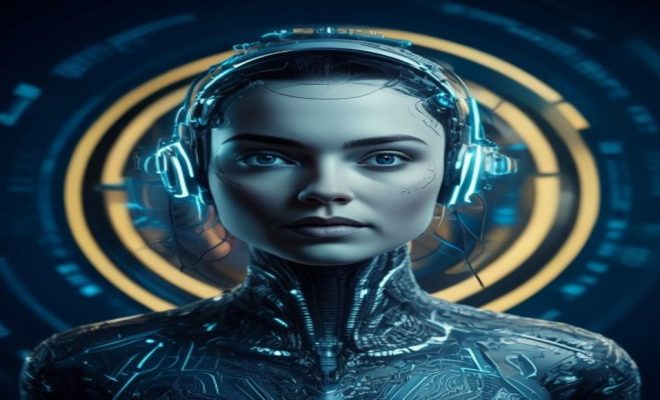
AI’s growing presence isn’t just about technical advancements; it’s also about human connection. The ability of AI to mimic human emotions and conduct conversations that feel natural is both fascinating and unnerving. These aspects play a crucial role in drawing viewers to content focused on AI, indicating a growing desire to understand how these innovations will impact our lives.
2. Major Developer Conferences: A Launchpad for Innovation
Developer conferences serve as crucial events for tech enthusiasts and professionals alike. In 2026, these conferences showcased remarkable advancements in AI technology. Companies like Google and Microsoft unveiled new AI tools that promise to transform both personal and professional environments. For instance, Google’s AI features that enable seamless real-time language translation have opened doors to global communication like never before.
Furthermore, the excitement around these conferences feeds into the larger narrative of artificial intelligence trends. Attendees leave inspired, and the ripple effect of their enthusiasm is felt across social media and other platforms, where discussions about the future of AI thrive.
3. Consumer-Facing AI Features: Shaping Everyday Life
As AI integrates more deeply into consumer technology, its impact on daily life becomes undeniable. From smartphones that understand and predict user needs to desktop platforms that facilitate more efficient workflows, AI is transforming how we engage with technology. Features like personalized recommendations and smart assistants are becoming standard, enhancing user experiences in ways that feel almost intuitive.
The allure of these AI features isn’t limited to their functionalities; they also spark a sense of curiosity. People want to know how these technologies work and how they can leverage them for their benefit. This growing interest directly enhances the visibility of artificial intelligence trends, as consumers rush to keep pace with advancements. Related reading: the pivotal year for AI.
4. The Emotional Charge Behind AI Adoption
The emotional resonance of AI cannot be overstated. On one hand, there’s genuine excitement surrounding innovation—AI that can replicate human facial expressions and engage in natural dialogue feels like something out of a sci-fi movie. On the other hand, there’s an underlying anxiety related to rapid technological change and concerns over job displacement.
This mix of emotions fuels a compelling narrative: people are driven not just by curiosity but also by a fear of missing out on the next wave of AI adoption. Content creators have tapped into this emotional charge, producing videos and articles that both inform and entertain, ensuring that AI remains at the forefront of conversation.
5. AI’s Viral Potential: The Power of Community Engagement
The social media landscape plays a pivotal role in amplifying AI’s viral potential. With 3.8 million views generated across 99 videos, it’s clear that there’s a community hungry for information. Platforms like YouTube have become go-to spaces for discussions about AI trends, featuring everything from tutorials on new features to debates about ethical implications.
This community-driven approach means that content is more likely to be shared and discussed, creating a feedback loop that keeps AI in the public eye. As more people engage with AI content, the trend continues to grow, making it all the more essential for developers and companies to stay ahead of the curve. (See: latest trends in artificial intelligence.)
6. Breakthrough AI Capabilities: A Glimpse into the Future
One of the most eye-popping aspects of artificial intelligence trends in 2026 is the rapid development of capabilities that were once thought to be science fiction. AI systems are increasingly able to interpret and replicate human emotions, leading to more relatable and engaging interactions. This isn’t just limited to customer service bots; it’s extending to virtual companions that develop relationships with users.
These breakthroughs have far-reaching implications. As AI becomes more adept at understanding human nuances, the potential applications in fields like healthcare, education, and entertainment expand dramatically. The future of AI appears not just as a tool for efficiency but as a partner in everyday human experiences.
7. FOMO: Fear of Missing Out on AI Innovations
As AI continues to evolve, the concept of FOMO—fear of missing out—has risen to prominence. Businesses and individuals alike are acutely aware that staying informed about AI developments could be the difference between thriving and becoming obsolete. This urgency further intensifies interest in AI trends, pushing more people to actively seek out information and adopt new technologies.
Practically, this means that organizations are investing significantly in AI training and development to keep up with the competition. The race to incorporate cutting-edge AI features into products and services is becoming a primary focus across industries. As awareness builds, so does the momentum behind AI, creating a cycle of rapid adoption and innovation.
8. The Job Market: Anxiety and Opportunity
With the rise of AI technologies comes a complex relationship with the job market. While some fear that AI will replace jobs, others see it as an opportunity to create new roles that leverage these technologies. The conversation around job displacement is critical, as it shapes perceptions of AI and influences policy discussions.
Experts argue that while some jobs may become obsolete, new positions—particularly in AI development and data science—will emerge, requiring a workforce that is prepared for these changes. Educational institutions are already adapting, integrating AI literacy into curriculums to ensure that future employees are equipped with the skills needed to thrive in an AI-driven economy.
9. Looking Ahead: The Future of AI Trends
As we move forward, the trajectory of artificial intelligence trends in 2026 and beyond will likely continue to be shaped by innovation, emotional engagement, and societal needs. The intersection of technology and humanity will play a critical role in determining how these tools are perceived and utilized.
The world of AI is not just about new technologies; it’s also about new ways of thinking and operating. As more industries begin to adopt AI, we can expect to see collaborations between human intelligence and machine learning that redefine traditional work paradigms.
10. AI in Healthcare: Transforming Patient Care
Healthcare is one of the most promising fields for the application of AI technologies. From predictive analytics to personalized medicine, AI is revolutionizing how care is delivered. Machine learning algorithms analyze vast amounts of data, helping healthcare providers make informed decisions more quickly. For example, AI can predict patient deterioration by monitoring vital signs in real-time, allowing for timely interventions that can save lives.
Moreover, AI-driven tools are improving diagnostic accuracy. Radiology, dermatology, and pathology are fields that have seen significant enhancements through the integration of AI systems. A notable instance is Google’s DeepMind, which has shown remarkable success in diagnosing eye diseases with the same accuracy as human specialists. These advancements are not just about enhancing efficiency but also about improving patient outcomes overall.
In addition to diagnostics, AI is being used to optimize treatment plans. By analyzing data from various sources, including genetic information and past treatment outcomes, AI can recommend personalized treatment strategies that are more likely to succeed for individual patients.
11. AI and Education: Tailoring Learning Experiences
The education sector is also experiencing a transformation due to AI, which is tailoring learning experiences to meet individual student needs. AI-powered platforms analyze student performance in real time, adapting educational content to suit different learning paces and styles. For example, platforms like DreamBox Learning and Knewton personalize math and reading lessons based on student interactions, making education more accessible and engaging. (See: scientific insights on artificial intelligence.)
In addition to personalized learning, AI is aiding educators by automating administrative tasks, allowing teachers to focus more on teaching than paperwork. Grading systems and attendance tracking can now be handled by AI, freeing up valuable time for educators to interact with their students. This shift not only enhances teaching quality but also builds stronger connections between teachers and learners.
Furthermore, AI can also provide predictive analytics to identify students at risk of falling behind, allowing for timely interventions. This proactive approach helps ensure that every student receives the support they need to succeed.
12. AI in Business: Driving Efficiency and Innovation
Businesses are leveraging AI to drive efficiency, streamline operations, and foster innovation. AI-powered analytics tools can process and analyze data at an unprecedented scale, providing insights that help companies make strategic decisions. For instance, retailers use AI to forecast demand, manage inventory, and personalize marketing campaigns, leading to improved customer satisfaction and increased sales.
Moreover, customer service has been transformed by AI chatbots that can handle inquiries 24/7, providing instant support while reducing operational costs. Companies like Zendesk and Salesforce are incorporating AI functionalities into their platforms, enabling businesses to enhance their customer interactions and improve service delivery.
Additionally, AI is enabling companies to innovate their products and services. By analyzing customer feedback and market trends, businesses can rapidly prototype and test new ideas, ensuring they meet consumer demands before launching new offerings.
13. Ethical Considerations: Navigating the AI Landscape
As AI continues to permeate various aspects of life, ethical considerations are becoming increasingly important. Issues around data privacy, algorithmic bias, and transparency are at the forefront of discussions regarding AI deployment. Ensuring that AI systems are designed and implemented responsibly is crucial to maintaining public trust and preventing misuse.
For example, there have been instances where AI algorithms inadvertently perpetuate biases present in their training data, leading to unfair outcomes. Organizations are now being called to adopt ethical guidelines and frameworks to govern AI usage, and many are establishing ethics boards to oversee AI projects. Companies such as IBM and Microsoft are actively working to create AI systems that are fair, accountable, and transparent, setting a standard for the industry.
Legislative measures are also beginning to emerge, with governments around the world considering regulations that enforce ethical AI practices. This shift toward accountability is crucial in ensuring that AI technologies are harnessed for good, rather than causing harm.
14. Frequently Asked Questions About AI Trends
Q1: What are the current trends in artificial intelligence?
A1: Current trends include the integration of AI in healthcare, education, and business, the rise of AI-driven automation, personalized user experiences, and growing discussions about AI ethics and regulation.
Q2: How is AI impacting job markets?
A2: While AI may displace certain jobs, it is also creating new opportunities in tech fields, especially in AI development and data analysis. The focus is shifting towards reskilling the workforce to adapt to new roles. (See: impact of AI on technology.)
Q3: What are the ethical concerns surrounding AI?
A3: Key ethical concerns include data privacy, algorithmic bias, transparency, and the need for accountability in AI systems. Addressing these issues is essential for responsible AI deployment.
Q4: How can businesses best integrate AI?
A4: Businesses should start by identifying specific areas where AI can drive value, invest in training employees, and ensure ethical considerations are a part of their AI strategies.
Q5: What future developments can we expect in AI?
A5: Future developments may include more sophisticated AI systems capable of deeper emotional understanding, enhanced personalization, and broader applications across various industries, including finance and agriculture.
15. The Global Impact of AI: Bridging Divides
AI isn’t just transforming industries in developed nations; it’s also playing a crucial role in bridging gaps in developing countries. From improving access to education and healthcare to facilitating economic growth through innovation, AI’s global impact is significant.
For instance, AI applications in agriculture are helping farmers in regions with limited resources optimize crop yields and sustain livelihoods. By utilizing AI-based tools, farmers can analyze soil health, weather patterns, and market trends, enabling them to make informed decisions that enhance productivity.
Moreover, AI is fostering entrepreneurial opportunities in tech hubs around the world, encouraging innovation and skills development. As more startups leverage AI technologies, they contribute to local economies and create jobs, showcasing AI’s potential for driving inclusive growth.
16. Conclusion: The Unfolding Story of AI
Artificial intelligence is no longer a concept limited to the realm of technology enthusiasts; it has become a cornerstone of modern society. The trends shaping AI today—from its application in healthcare to its role in revolutionizing the education sector—illustrate how deeply interwoven AI is becoming in our everyday lives. As we embrace these changes, maintaining a critical eye on ethical considerations and ensuring equitable access will be vital. The journey of AI is just beginning, and the possibilities are as exciting as they are complex.
“`
Trending Now Amd AI Conference insights offers useful background here.
Frequently Asked Questions
What are the latest trends in artificial intelligence for 2026?
In 2026, artificial intelligence trends are characterized by significant advancements showcased at major developer conferences. AI technology is becoming more consumer-friendly, with features like real-time language translation being introduced, enhancing global communication and user experience.
Why is AI gaining so much attention this year?
AI is attracting attention due to its evolving capabilities and the buzz generated at developer conferences. The ability of AI to mimic human emotions and facilitate natural conversations captivates audiences, leading to a surge in interest and discussions around its implications.
How are developer conferences influencing AI technology?
Developer conferences play a pivotal role in AI technology by serving as platforms for major companies like Google and Microsoft to unveil new tools. These events showcase innovations that promise to transform both personal and professional environments, driving excitement and adoption.
What impact does AI have on human interaction?
AI significantly impacts human interaction by mimicking emotions and enabling natural conversations. This ability creates a fascinating yet unnerving experience for users, fostering a desire to understand how these advancements will reshape personal and professional relationships.
What makes AI the most viral technology topic in July 2026?
AI became the most viral technology topic in July 2026 due to its impressive engagement metrics, including 3.8 million views across various media. This widespread interest reflects a growing curiosity about AI's capabilities and its potential impact on daily life.
What's your take on this? Share your thoughts in the comments below — we read every one.