The Edvocate

Top Menu

Main Menu

  • Start Here
    • Our Brands
    • Governance
      • Lynch Education Consulting, LLC.
      • Dr. Lynch’s Personal Website
      • Careers
    • Write For Us
    • Books
    • The Tech Edvocate Product Guide
    • Contact Us
    • The Edvocate Podcast
    • Edupedia
    • Pedagogue
    • Terms and Conditions
    • Privacy Policy
  • PreK-12
    • Assessment
    • Assistive Technology
    • Best PreK-12 Schools in America
    • Child Development
    • Classroom Management
    • Early Childhood
    • EdTech & Innovation
    • Education Leadership
    • Equity
    • First Year Teachers
    • Gifted and Talented Education
    • Special Education
    • Parental Involvement
    • Policy & Reform
    • Teachers
  • Higher Ed
    • Best Colleges and Universities
    • Best College and University Programs
    • HBCU’s
    • Diversity
    • Higher Education EdTech
    • Higher Education
    • International Education
  • Advertise
  • The Tech Edvocate Awards
    • The Awards Process
    • Finalists and Winners of The 2026 Tech Edvocate Awards
    • Finalists and Winners of The 2025 Tech Edvocate Awards
    • Finalists and Winners of The 2024 Tech Edvocate Awards
    • Finalists and Winners of The 2023 Tech Edvocate Awards
    • Finalists and Winners of The 2021 Tech Edvocate Awards
    • Finalists and Winners of The 2022 Tech Edvocate Awards
    • Finalists and Winners of The 2020 Tech Edvocate Awards
    • Finalists and Winners of The 2019 Tech Edvocate Awards
    • Finalists and Winners of The 2018 Tech Edvocate Awards
    • Finalists and Winners of The 2017 Tech Edvocate Awards
    • Award Seals
  • Apps
    • GPA Calculator for College
    • GPA Calculator for High School
    • Cumulative GPA Calculator
    • Grade Calculator
    • Weighted Grade Calculator
    • Final Grade Calculator
  • The Tech Edvocate
  • Post a Job
  • AI Powered Personal Tutor

logo

The Edvocate

  • Start Here
    • Our Brands
    • Governance
      • Lynch Education Consulting, LLC.
      • Dr. Lynch’s Personal Website
        • My Speaking Page
      • Careers
    • Write For Us
    • Books
    • The Tech Edvocate Product Guide
    • Contact Us
    • The Edvocate Podcast
    • Edupedia
    • Pedagogue
    • Terms and Conditions
    • Privacy Policy
  • PreK-12
    • Assessment
    • Assistive Technology
    • Best PreK-12 Schools in America
    • Child Development
    • Classroom Management
    • Early Childhood
    • EdTech & Innovation
    • Education Leadership
    • Equity
    • First Year Teachers
    • Gifted and Talented Education
    • Special Education
    • Parental Involvement
    • Policy & Reform
    • Teachers
  • Higher Ed
    • Best Colleges and Universities
    • Best College and University Programs
    • HBCU’s
    • Diversity
    • Higher Education EdTech
    • Higher Education
    • International Education
  • Advertise
  • The Tech Edvocate Awards
    • The Awards Process
    • Finalists and Winners of The 2026 Tech Edvocate Awards
    • Finalists and Winners of The 2025 Tech Edvocate Awards
    • Finalists and Winners of The 2024 Tech Edvocate Awards
    • Finalists and Winners of The 2023 Tech Edvocate Awards
    • Finalists and Winners of The 2021 Tech Edvocate Awards
    • Finalists and Winners of The 2022 Tech Edvocate Awards
    • Finalists and Winners of The 2020 Tech Edvocate Awards
    • Finalists and Winners of The 2019 Tech Edvocate Awards
    • Finalists and Winners of The 2018 Tech Edvocate Awards
    • Finalists and Winners of The 2017 Tech Edvocate Awards
    • Award Seals
  • Apps
    • GPA Calculator for College
    • GPA Calculator for High School
    • Cumulative GPA Calculator
    • Grade Calculator
    • Weighted Grade Calculator
    • Final Grade Calculator
  • The Tech Edvocate
  • Post a Job
  • AI Powered Personal Tutor
  • Heartbreaking: How Unaffordable Healthcare Forces Mothers to Sacrifice Their Own Well-being

  • The Staggering Truth About Child Care Costs — And How One Bill Could Finally Offer Relief

  • Harvard Study’s Troubling Discovery: Could AI Tutoring Make Universities Obsolete?

  • Urgent: Your Student Loan Interest Rate Just Got a Game-Changing Extension!

  • Why Online Teaching Isn’t What You Think: The Certifications That Actually Matter

  • Why Your Dream of Becoming an Online Professor is a Brutal Reality Check

  • Online Professor Salary Range: The Astonishing Truth Behind Those ‘Open’ Remote Roles

  • 2,000 Applicants Per Job? The Online Professor Market Is a Brutal Deception

  • Alaska’s $144 Million Boost: Will It Really Save Our K-12 Schools?

  • Alaskan Teachers Face a Brutal Housing Crisis: Here’s How They’re Fighting Back

Uncategorized
Home›Uncategorized›7 Proven Strategies to Help Kids Overcome Playground Exclusion

7 Proven Strategies to Help Kids Overcome Playground Exclusion
By Matthew Lynch
May 10, 2026
0
Spread the love

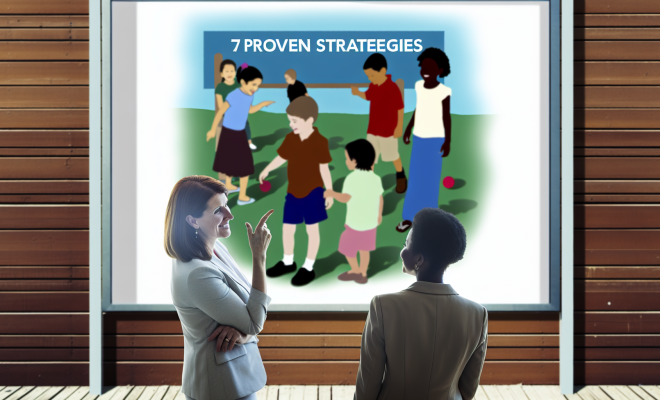
Playgrounds are often seen as a sanctuary for children—places where they can laugh, run, and make new friends. Yet, for some kids, these spaces can transform into zones of exclusion and emotional distress. Helping children with playground exclusion is an increasingly urgent topic among parents, with rising discussions around social anxiety and emotional well-being. If you find your child grappling with feelings of being left out, here are seven practical strategies to support them through this challenging experience.

1. Validate Their Emotions

One of the first steps in helping children with playground exclusion is to acknowledge their feelings. When children express sadness or frustration about being excluded, it’s vital to validate these emotions. This can be as simple as saying, “I can see that you’re feeling upset because your friends aren’t playing with you right now.” Acknowledging their feelings reassures them that they’re not alone in their experiences and that it’s okay to feel this way.

2. Stay Curious with Open-Ended Questions

Encouraging open dialogue is essential in understanding your child’s experience. Instead of jumping straight to solutions, ask open-ended questions that invite them to share more about what happened. Questions like, “What did you feel when that happened?” or “Can you tell me more about who was playing together?” can help your child articulate their feelings and gain clarity about the situation. This approach fosters emotional intelligence and teaches children how to navigate complex social interactions.

3. Know When to Intervene and When to Observe

Parents often grapple with the decision of when to step in during social conflicts. While it’s tempting to swoop in and protect your child, sometimes it’s more beneficial to let them try to resolve minor issues on their own. Observe the situation closely: if your child is genuinely distressed or unable to cope, it might be time to intervene. However, if they seem to be managing, allow them the space to figure things out. This balance can empower children and equip them with conflict-resolution skills.

4. Avoid Criticizing Other Children

When discussing playground exclusion, it’s easy to fall into the trap of criticizing other kids. While your instincts may prompt you to protect your child by denouncing their peers’ behavior, this can inadvertently create an ‘us-versus-them’ mentality. Instead, focus on how your child can express their feelings or seek inclusion in a positive way. You might say, “It sounds like they didn’t realize you wanted to play too. Let’s think about how you could ask them to join in next time.” This approach encourages empathy rather than animosity.

5. Role-Playing Different Scenarios

Role-playing can be an effective tool in helping children with playground exclusion. Create scenarios where your child practices asking to join a game or expressing their feelings to peers. This not only builds confidence but also prepares them for real-life interactions. By practicing these skills in a safe environment, your child can feel more equipped to handle similar situations when they arise on the playground.

6. Encourage Inclusive Play

Promoting inclusive play is a proactive way to mitigate feelings of exclusion. Teach your child the value of inviting others into their games, especially those who might also feel left out. Discuss how being inclusive can create a more positive environment for everyone involved. You might suggest, “Why don’t you invite someone else into your game? It could be fun to make new friends!” This not only helps your child understand inclusivity but also fosters a sense of community.

7. Seek Professional Guidance When Necessary

If your child continues to struggle with feelings of exclusion, it may be beneficial to seek the assistance of a school counselor or child psychologist. These professionals can provide tailored strategies and support that cater to your child’s specific needs. Remember, it’s important to address persistent issues before they escalate into more significant emotional challenges.

Conclusion

Helping children with playground exclusion can feel overwhelming, but with the right strategies, you can support your child in navigating these social challenges. By validating their emotions, encouraging open communication, and modeling inclusive behaviors, you’re not only aiding their immediate situation but also equipping them with skills that will serve them throughout their lives. Remember, every child deserves a chance to play and make friends, and your guidance can make a significant difference in their social development.

Previous Article

AI for Legal Teams: Transforming General Counsel ...

Next Article

AI in the Workplace: Transforming Legal Services ...

Matthew Lynch

Related articles More from author

  • Uncategorized

    House-Sized Asteroid 2023 HB4 to Safely Pass Earth in 2026

    April 11, 2026
    By Matthew Lynch
  • Uncategorized

    Baffling: Why the Fed’s Next Move on Rates Just Got Wildly Unpredictable

    August 12, 2026
    By Matthew Lynch
  • Uncategorized

    2026 Parent Survey: 72% of Parents Feel Time-Starved

    June 8, 2026
    By Matthew Lynch
  • Uncategorized

    9 Best Ring Lights For Teachers

    July 9, 2026
    By Matthew Lynch
  • Uncategorized

    European Summer Travel Soars in 2026 Despite Economic Headwinds

    April 26, 2026
    By Matthew Lynch
  • Uncategorized

    Germany’s AI Overview Publisher Ruling: What It Means For GEO Risk

    August 12, 2026
    By Matthew Lynch

Search

Registration and Login

  • Log in
  • Entries feed
  • Comments feed
  • WordPress.org

Newsletter

Signup for The Edvocate Newsletter and have the latest in P-20 education news and opinion delivered to your email address!

RSS feed: Matthew on Education Week Matthew on Education Week

  • Au Revoir from Education Futures November 20, 2018 Matthew Lynch
  • 6 Steps to Data-Driven Literacy Instruction October 17, 2018 Matthew Lynch
  • Four Keys to a Modern IT Approach in K-12 Schools October 2, 2018 Matthew Lynch
  • What's the Difference Between Burnout and Demoralization, and What Can Teachers Do About It? September 27, 2018 Matthew Lynch
  • Revisiting Using Edtech for Bullying and Suicide Prevention September 10, 2018 Matthew Lynch

About Us

The Edvocate was created in 2014 to argue for shifts in education policy and organization in order to enhance the quality of education and the opportunities for learning afforded to P-20 students in America. What we envisage may not be the most straightforward or the most conventional ideas. We call for a relatively radical and certainly quite comprehensive reorganization of America’s P-20 system.

That reorganization, though, and the underlying effort, will have much to do with reviving the American education system, and reviving a national love of learning.  The Edvocate plans to be one of key architects of this revival, as it continues to advocate for education reform, equity, and innovation.

Newsletter

Signup for The Edvocate Newsletter and have the latest in P-20 education news and opinion delivered to your email address!

Contact

The Edvocate
910 Goddin Street
Richmond, VA 23230
(601) 630-5238
[email protected]
  • situs togel online
  • dentoto
  • situs toto 4d
  • situs toto slot
  • toto slot 4d
Copyright (c) 2026 Matthew Lynch. All rights reserved.