10 Proven Strategies for Supporting Elementary Students with ADHD
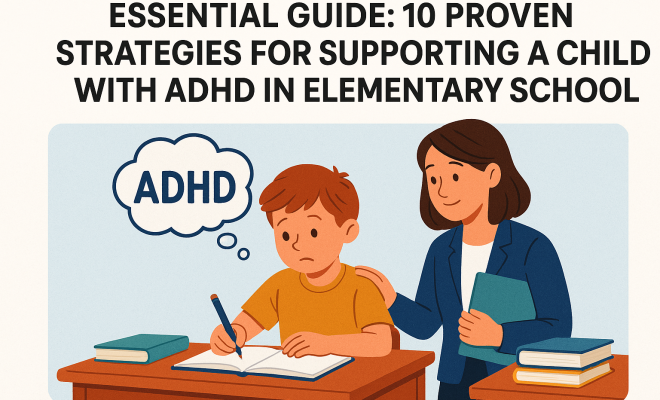
“`html
Supporting a child with ADHD (Attention Deficit Hyperactivity Disorder) in the elementary school setting requires a multifaceted approach that involves educators, parents, and the children themselves. Understanding the complexities of ADHD can help create an inclusive and supportive learning environment. This article outlines ten essential strategies that teachers can implement to support children with ADHD, ensuring that they thrive academically and socially.
1. Understand ADHD: The Basics
ADHD is a neurodevelopmental disorder that affects a child’s ability to focus, control impulses, and regulate energy levels. It is commonly diagnosed in childhood, with symptoms often manifesting as inattention, hyperactivity, and impulsivity. According to the Centers for Disease Control and Prevention (CDC), approximately 6 million children aged 2 to 17 years have been diagnosed with ADHD in the United States.
Understanding the symptoms and behaviors associated with ADHD is crucial for teachers. It is important to recognize that children with ADHD may struggle with organizational skills, maintaining attention during lectures, or complying with rules and routines. Therefore, having a strong foundational knowledge of ADHD allows educators to better empathize with their students and tailor their teaching strategies accordingly.
2. Establish Clear Routines
Children with ADHD thrive in structured environments where expectations are clearly defined. Establishing a daily routine in the classroom helps students know what to expect, reducing anxiety and improving focus. Routines should include consistent times for lessons, breaks, and transitions between activities.
To maximize effectiveness, consider using visual schedules that outline the day’s activities. This method allows children to visually track their progress and anticipate what comes next. For example, a calendar or a whiteboard displaying the daily agenda can significantly reduce distractions and help students with ADHD stay engaged.
3. Incorporate Movement Breaks
Research indicates that children with ADHD can greatly benefit from regular physical activity. Incorporating short movement breaks throughout the day can help these children release pent-up energy and refocus on their tasks. Activities can range from simple stretching exercises to quick games that stimulate both the mind and body.
Teachers can implement a five-minute movement break after every 30 minutes of focused work. This approach not only helps children with ADHD but can also enhance the overall classroom environment, leading to increased engagement for all students. Movement stimulates brain function and enhances concentration, paving the way for improved academic performance.
4. Utilize Positive Reinforcement
Positive reinforcement is a powerful tool when supporting a child with ADHD. Recognizing and rewarding positive behaviors can significantly boost self-esteem and motivate children to continue working towards their goals. Rewards can be as simple as verbal praise, stickers, or extra recess time.
Creating a reward system tailored to the child’s interests can further enhance motivation. For instance, if a student loves reading, allowing them to choose a new book as a reward for completing assignments can reinforce positive behavior and cultivate a love for learning. The key is to focus on specific behaviors that you want to encourage, making the reinforcement timely and relevant.
5. Modify Assignments
Children with ADHD may struggle with lengthy assignments or tasks that require prolonged focus. Modifying assignments to suit their needs can help improve their performance and reduce frustration. This can include breaking down larger tasks into smaller, manageable segments or allowing additional time for completion.
For instance, if a child is assigned a long reading project, consider dividing it into smaller sections with specific deadlines. This method allows for incremental progress while preventing overwhelm. Additionally, offering options such as oral presentations or creative projects can engage students in a way that aligns with their strengths and interests.
6. Foster a Supportive Classroom Environment
A supportive classroom environment is crucial for the success of children with ADHD. This involves cultivating a culture of understanding and respect among peers. Teaching students about ADHD and encouraging empathy can create a more inclusive atmosphere.
Consider implementing group activities that promote teamwork and communication. Encouraging students to work together, share ideas, and support one another can decrease feelings of isolation for children with ADHD. When students understand the challenges their peers face, they can begin to offer help and patience, fostering collaboration and a sense of belonging. (See: CDC ADHD facts and statistics.)
7. Communicate with Parents and Caregivers
Effective communication between teachers and parents is key to supporting a child with ADHD. Regularly updating parents about their child’s progress, challenges, and successes helps create a consistent support network. Scheduling meetings or sending home progress reports can facilitate open lines of communication.
Encouraging parents to share insights about their child’s behavior at home can also be beneficial. They may provide valuable information about specific triggers, effective strategies, or routines that work well outside of school. Working together to develop a unified approach ensures that children receive consistent messages and support across different environments.
8. Implement Classroom Accommodations
Accommodations are essential for supporting a child with ADHD in an elementary school setting. These adjustments can vary widely, from preferential seating to the use of technology. For example, placing a student in close proximity to the teacher can help minimize distractions and improve focus.
Additionally, allowing the use of fidget tools such as stress balls can provide an outlet for excess energy without disrupting the learning process. Tools that enhance focus, such as noise-canceling headphones during independent work, can also be quite effective. By implementing these accommodations, educators can empower students to take control of their learning experiences.
9. Promote Self-Advocacy Skills
Teaching children with ADHD self-advocacy skills is crucial for their personal and academic growth. Encouraging students to recognize their strengths and challenges empowers them to communicate their needs effectively. Start by discussing the importance of understanding their learning styles and preferences.
Role-playing scenarios where children practice asking for help or expressing their needs can be beneficial. This not only builds confidence but also prepares them for future interactions with teachers and peers. As they grow, these skills will help them navigate their educational journey and advocate for themselves in various situations.
10. Stay Informed and Seek Resources
Finally, staying informed about ADHD and available resources is crucial for effectively supporting a child with ADHD. Numerous organizations provide valuable information, training, and support for educators and parents alike. The ADHD Coaches Organization and CHADD (Children and Adults with Attention-Deficit/Hyperactivity Disorder) are excellent places to start.
Participating in workshops, webinars, and professional development programs can further enhance understanding and techniques for working with children with ADHD. By staying updated on the latest research and strategies, educators can continually refine their approaches and better support their students.
11. Understanding Co-occurring Conditions
It is important to recognize that many children with ADHD may also experience co-occurring conditions such as anxiety, depression, or learning disabilities. These additional challenges can complicate the educational experience, making it vital for educators to be aware of the full spectrum of needs that a child with ADHD might have.
For example, a child with ADHD and anxiety may become easily overwhelmed in a busy classroom environment, leading to further difficulties in concentration. Understanding these co-occurring conditions allows teachers to create more specific strategies that address not just the symptoms of ADHD, but the holistic needs of the child. Collaboration with school psychologists or counselors can provide valuable insights and support resources, ensuring every child receives the comprehensive assistance they require.
12. Use Technology and Tools Designed for ADHD
Incorporating technology in the classroom can provide innovative solutions for children with ADHD. There are numerous tools and applications designed specifically to help students stay organized and focused. For example, apps that provide timers can assist students in managing their time effectively during tasks. See also classroom adjustments for ADHD.
Moreover, digital planners can help children keep track of assignments and deadlines, reducing the chances of forgetting tasks. Additionally, using educational platforms that offer interactive and visual learning can capture the attention of students with ADHD, making lessons more engaging and less stressful. Ensuring that teachers are familiar with these resources can significantly enhance the learning experience for children with ADHD.
13. Encourage Peer Support Programs
Establishing peer support programs within the classroom can be incredibly beneficial for children with ADHD. These programs allow students to connect with classmates who understand their challenges, fostering a sense of community and belonging. Creating a buddy system where students can partner with peers to work on assignments or study together can help children with ADHD feel more integrated and supported.
Additionally, training peers on how to support classmates with ADHD without stigmatizing them is essential. This can be achieved through workshops or discussions that promote awareness and understanding. When peers are educated about ADHD, they can offer encouragement and assistance, creating a more positive learning atmosphere for everyone involved. (See: NIH ADHD information and resources.)
14. Explore Alternative Teaching Methods
Incorporating alternative teaching methods can significantly benefit children with ADHD by catering to different learning styles. For instance, hands-on learning activities, such as science experiments or art projects, can engage students in ways traditional methods may not. Experiential learning allows children to remain active participants in their education, making lessons more memorable and enjoyable.
Utilizing storytelling techniques to explain concepts can also capture the imagination of children with ADHD and enhance retention. By diversifying instructional methods, teachers can keep students with ADHD engaged and reduce the likelihood of distractions or disengagement.
15. Promote Mindfulness and Emotional Regulation
Teaching mindfulness techniques and emotional regulation skills can equip children with ADHD with essential tools for managing their behavior and emotions. Mindfulness practices, such as deep breathing exercises or short meditation sessions, can help students center themselves and improve focus during the school day.
Incorporating these practices into the daily routine can create a calming environment that fosters self-awareness and emotional control. For example, starting the day with a brief mindfulness session can set a positive tone and prepare students to face the challenges ahead. By promoting emotional regulation, educators can help students develop resilience and cope more effectively with the demands of their academic environment.
16. Frequently Asked Questions (FAQ)
What is ADHD?
ADHD, or Attention Deficit Hyperactivity Disorder, is a neurodevelopmental disorder characterized by symptoms of inattention, hyperactivity, and impulsivity. It affects various areas of life, including academic performance, social interactions, and daily functioning.
How can I tell if my child has ADHD?
Signs of ADHD may include difficulty focusing, forgetfulness, excessive fidgeting, difficulty following instructions, and impulsive behavior. If you suspect your child may have ADHD, consult with a healthcare professional for a comprehensive evaluation.
What are the different types of ADHD?
ADHD is typically categorized into three types: predominantly inattentive presentation, predominantly hyperactive-impulsive presentation, and combined presentation. Each type has distinct characteristics, and a child’s symptoms can evolve over time.
Can diet affect ADHD symptoms?
While diet alone does not cause ADHD, certain dietary choices can influence symptoms. Some parents report improvements in focus and behavior by eliminating artificial additives, sugar, and processed foods. A well-balanced diet rich in omega-3 fatty acids, fruits, and vegetables may promote better brain health.
What role do medications play in managing ADHD?
Medications can be effective in managing ADHD symptoms but are most effective when combined with behavioral therapies and support strategies. Stimulant medications, such as methylphenidate and amphetamines, are commonly prescribed. Always consult with a healthcare provider for personalized guidance.
How can I support my child at home?
Establish routines, create a quiet study area, use visual aids for organization, and maintain open communication. Encourage physical activity and limit distractions during homework time to support your child’s learning and focus.
What should I do if my child struggles with peer relationships?
Encourage social skills training and facilitate opportunities for your child to interact with peers in structured settings. Role-playing social situations and discussing appropriate responses can help your child build confidence in social settings.
Where can I find resources for ADHD support?
Organizations such as CHADD, ADDitude, and the ADHD Coaches Organization offer valuable resources, support groups, and educational materials for parents, educators, and individuals with ADHD.
17. Statistics about ADHD
Understanding the prevalence and impact of ADHD is essential for awareness and effective support. Globally, ADHD affects approximately 5% of children, although estimates can vary based on the criteria used for diagnosis and cultural factors. In the United States, studies indicate that 9.4% of children aged 2-17 years have received an ADHD diagnosis at some point.
Furthermore, boys are diagnosed with ADHD at a rate of approximately 3 to 4 times higher than girls, suggesting a need for gender-sensitive approaches in both diagnosis and support. Interestingly, research shows that while symptoms may appear to decline in adolescence for some individuals, about 60% of children diagnosed with ADHD will continue to experience symptoms into adulthood, underscoring the importance of early intervention and ongoing support.
18. Expert Perspectives on Supporting Children with ADHD
Experts in child psychology and education emphasize a collaborative approach when it comes to supporting children with ADHD. Dr. Russell Barkley, a renowned clinical psychologist and expert on ADHD, stresses the importance of behavioral interventions that are tailored to the individual needs of each child. He advocates for an educational environment that not only accommodates ADHD symptoms but also harnesses the unique strengths of these children, such as creativity and problem-solving skills.
Additionally, Dr. Patricia Quinn, co-author of “Attention, Girls!” highlights the need for educators to be particularly attentive to the nuanced ways ADHD can manifest differently in girls, who may present with more internalized symptoms and thus go undiagnosed for longer periods. She encourages teachers to foster open dialogues about strengths and challenges, enabling girls with ADHD to receive the recognition and support they need.
19. Comparing ADHD Support Strategies
When considering the best strategies for supporting a child with ADHD, it can be helpful to compare various approaches in terms of effectiveness. For example, structured routines versus flexible schedules can lead to very different outcomes. Structured routines are often beneficial for children with ADHD, as they provide predictability and reduce anxiety. However, some children may thrive in environments that allow for more flexibility, promoting creative thinking and autonomy.
Moreover, the use of technology can also be compared against traditional teaching methods. While technology may engage students through interactive learning, traditional methods like direct instruction and hands-on activities still hold value, particularly when combined with technology. The best outcomes often arise from a balanced approach that incorporates a variety of strategies tailored to the individual needs of each student.
20. Future Considerations and Ongoing Research
The landscape for supporting children with ADHD is continuously evolving, with ongoing research leading to new findings and strategies. Advances in neuroscience are uncovering more about the brain’s functioning in individuals with ADHD, paving the way for targeted interventions. For instance, studies examining the impacts of neurofeedback therapy show promise in helping children with ADHD learn to self-regulate their attention.
Additionally, the role of environmental factors, such as socio-economic status, nutrition, and exposure to toxins, is an area of active investigation. Understanding how these elements contribute to ADHD symptoms can help in developing holistic approaches that address underlying issues. As educators and parents stay abreast of these developments, they can better support children with ADHD and leverage new findings to enhance educational practices.
In conclusion, successfully supporting a child with ADHD in elementary school requires dedication, empathy, and a proactive approach. By implementing these strategies and remaining informed about the latest research, educators can create a nurturing learning environment that fosters the academic and social development of children with ADHD, paving the way for their long-term success.
“`
Trending Now
Frequently Asked Questions
What are effective strategies for teaching children with ADHD?
Effective strategies for teaching children with ADHD include understanding the disorder, establishing clear routines, using visual schedules, providing positive reinforcement, and creating a supportive classroom environment. These approaches can help children focus better, reduce anxiety, and improve their overall learning experience.
How can teachers support students with ADHD in the classroom?
Teachers can support students with ADHD by implementing structured routines, offering clear instructions, using engaging teaching methods, and allowing for movement breaks. Additionally, fostering open communication with parents and providing individualized attention can significantly enhance the learning experience for these students.
What is the best way to create a routine for a child with ADHD?
To create an effective routine for a child with ADHD, establish consistent daily schedules that include clear expectations and visual aids. Incorporate regular breaks and transitions to help maintain focus. Involving the child in planning their routine can also increase their engagement and adherence. using choice boards effectively offers useful background here.
How does ADHD affect a child's learning in school?
ADHD can impact a child's learning by causing difficulties with attention, impulse control, and organization. Children with ADHD may struggle to focus during lessons, follow instructions, or keep track of assignments, which can hinder their academic performance and social interactions in the classroom.
What role do parents play in supporting a child with ADHD?
Parents play a crucial role in supporting a child with ADHD by collaborating with educators, reinforcing routines at home, and providing emotional support. They can also help their child develop organizational skills and advocate for necessary accommodations in the school setting to enhance their learning experience.
Have you experienced this yourself? We’d love to hear your story in the comments.