Dyscalculia in Children: Early Warning Signs for Parents & Teachers
“`html
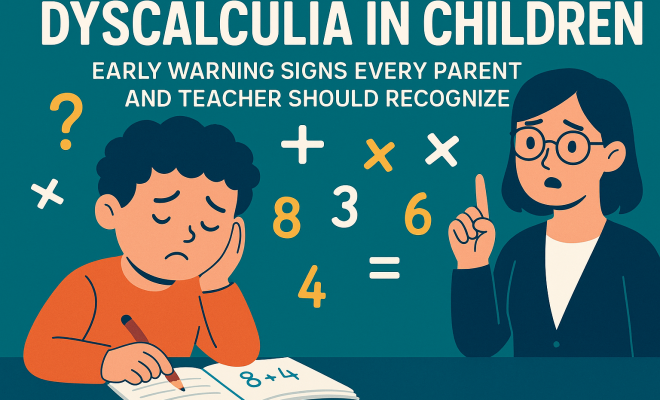
When it comes to learning disabilities, dyscalculia in children often flies under the radar, overshadowed by more commonly discussed conditions like dyslexia. Yet, understanding dyscalculia is crucial for parents and educators alike as it can significantly affect a child’s academic journey and self-esteem. In this article, we’ll explore the early warning signs of dyscalculia, offering insights into how to recognize, understand, and manage this condition effectively.
What is Dyscalculia?
Dyscalculia is a specific learning disability that affects a person’s ability to understand numbers and learn math facts. While it can manifest in various ways, the core issue usually lies in the brain’s ability to process numerical information. It’s not tied to a child’s overall intelligence; many children with dyscalculia have average or above-average intelligence but face distinct challenges when it comes to mathematics.
This condition can affect academic performance, leading to difficulties not only in math but also in related areas such as reading comprehension, problem-solving, and even day-to-day activities that involve numbers. Research suggests that around 5-7% of the population may be affected by dyscalculia, making it a significant concern for educators and parents.
Why Early Recognition is Key
Identifying dyscalculia early can make a substantial difference in a child’s educational experience. Early intervention helps in tailoring teaching strategies that address the child’s specific difficulties. When dyscalculia goes unrecognized, children may develop anxiety or a lack of confidence in their mathematical abilities, which can persist into adulthood.
Parents and teachers play a crucial role in spotting the signs of dyscalculia. By recognizing these indicators, they can seek assessments and interventions that can build a child’s skills, confidence, and enjoyment of math.
7 Early Warning Signs of Dyscalculia
Recognizing the early warning signs of dyscalculia in children can lead to timely interventions. Here are seven of the most common indicators to watch out for:
- Difficulty with Number Sense: Children may struggle to grasp basic numerical concepts such as more vs. less, counting, or recognizing numbers. They might not understand that the number ‘5’ represents five items.
- Challenges with Math Operations: Performing basic math operations such as addition, subtraction, multiplication, and division can feel daunting. A child may frequently mix up numbers or forget math facts.
- Problems with Sequencing: Children may find it hard to follow the steps needed to solve math problems, which often leads to incomplete or incorrect solutions.
- Difficulty with Time and Spatial Concepts: Recognizing time, understanding clock times, estimating durations, and grasping spatial relationships (like left/right) may present challenges.
- Poor Mental Math Skills: A child may have trouble performing calculations mentally, relying heavily on fingers or counting objects rather than developing a numerical intuition.
- Difficulty with Word Problems: Comprehension of math-related word problems can be especially challenging, as children may struggle to translate language into mathematical operations.
- Math Anxiety: A child who often feels anxious or frustrated about math assignments may exhibit a strong aversion to the subject, impacting their willingness to engage with math.
Understanding the Impact of Dyscalculia
The effects of dyscalculia can ripple through various aspects of a child’s life. Academic performance is an evident area, but the emotional toll can be just as significant. Children may experience a range of feelings from frustration to embarrassment as they struggle with something that peers seem to find easy.
Socially, children with dyscalculia may have challenges when it comes to games or activities that involve numbers, leading to feelings of exclusion or isolation. This emotional and social impact underscores the importance of early recognition and support, allowing children to build resilience and develop coping strategies.
How to Support a Child with Dyscalculia
Once dyscalculia in children is recognized, the next crucial step is supporting the child effectively. Here are some practical strategies for parents and teachers: (See: Understanding dyscalculia from NIH.)
- Use Visual Aids: Incorporating visual aids like number lines, charts, or manipulatives can help children visualize mathematical concepts and develop a stronger understanding.
- Incorporate Everyday Math: Use real-life situations to teach math concepts. Cooking, shopping, or playing games like Monopoly can provide practical applications of math skills.
- Encourage a Growth Mindset: Reinforce the idea that struggle is a part of learning. Encourage children to celebrate small victories and remind them that improvement takes time.
- Provide One-on-One Support: Individualized attention from teachers or tutors can help tailor learning strategies that best meet the child’s unique needs.
- Utilize Technology: There are numerous educational apps and tools designed specifically for children with dyscalculia. These resources can make learning math more engaging and less intimidating.
The Role of Educators in Identifying Dyscalculia
Teachers are often on the front lines when it comes to identifying learning disabilities like dyscalculia. Their daily interactions with students provide valuable insights into a child’s academic performance and behavioral patterns. It’s essential for educators to be aware of the signs of dyscalculia and to foster an environment where students feel comfortable expressing their challenges.
Professional development opportunities for teachers can enhance their understanding of dyscalculia and effective instructional strategies. Schools should prioritize training to raise awareness among staff about recognizing and supporting children with learning disabilities.
Assessment and Diagnosis
To diagnose dyscalculia, a comprehensive evaluation is essential. This often includes standardized tests, assessments of mathematical skills, and observations of the child’s behavior and performance in math-related tasks.
It’s also important to rule out other conditions that may affect math skills, such as ADHD or anxiety disorders. Specialists such as educational psychologists or neuropsychologists are typically involved in the assessment process, ensuring a thorough understanding of the child’s challenges.
Current Research and Future Directions
Recent advancements in research on dyscalculia have opened doors to better understanding its neurological underpinnings and effective interventions. Studies have begun to identify specific brain areas associated with numerical processing, which may lead to targeted therapies and educational approaches in the future.
Moreover, there is a growing emphasis on collaborative approaches where parents, teachers, and specialists work together to create a cohesive support system for children with dyscalculia. This holistic approach is vital in developing tailored strategies that address the multifaceted nature of this learning disability.
Understanding the Neurological Basis of Dyscalculia
Dyscalculia is not just a challenge with numbers; it’s often linked to differences in brain functioning. Research has shown that children with dyscalculia may exhibit abnormalities in the parietal lobes, which are critical for numerical understanding. Additionally, the connection between the parietal lobes and other areas of the brain related to memory and processing speed can also be weaker in these children.
Understanding these neurological components can help educators tailor interventions. For instance, incorporating more multisensory learning experiences can engage different parts of the brain and enhance understanding. Activities that involve physical movement, auditory cues, and visual representations can help solidify mathematical concepts for children with dyscalculia.
Statistics on Dyscalculia
Understanding the prevalence of dyscalculia is vital for raising awareness and improving educational strategies. According to research, approximately 5-7% of the population is affected by dyscalculia. This includes both children and adults, indicating that many people may struggle with number-related tasks throughout their lives. Additionally, studies have found that dyscalculia can be more common in boys than girls, although the reasons for this are still being explored.
Moreover, longitudinal studies reveal that children diagnosed with dyscalculia often face ongoing challenges in mathematics as they progress through school. About 70% of children with dyscalculia may continue to experience difficulties into adolescence, highlighting the importance of early intervention and sustained support. (See: Dyscalculia information from CDC.)
Real-Life Examples of Dyscalculia
Consider the case of a young boy named Ethan. At age 8, he struggled to understand why his math homework seemed impossible while his peers completed theirs with ease. Simple tasks like counting change or telling time became frustrating and overwhelming for him. After a thorough evaluation, Ethan was diagnosed with dyscalculia. His parents worked closely with his teacher to implement strategies like using visual aids and incorporating math games into his routine.
Another example is Lisa, a high school student who loves history and science but dreads math class. Despite her hard work, she consistently scores low on exams. After her mother noticed her anxiety about numbers, they sought support, which revealed her dyscalculia. With the right accommodations and tutoring focused on her learning style, Lisa began to gain confidence and improve her skills.
Comparisons with Other Learning Disabilities
Dyscalculia often gets compared to other learning disabilities, such as dyslexia and ADHD. While dyslexia affects reading and language processing, dyscalculia specifically targets mathematical understanding. ADHD can co-occur with dyscalculia, complicating the learning process since attention issues may further hinder a child’s ability to focus on math-related tasks.
It’s essential to recognize these distinctions because the strategies for supporting children with each condition may vary. For example, while a child with dyslexia might benefit from phonics-based reading programs, a child with dyscalculia may need hands-on learning experiences to grasp mathematical concepts. Understanding the unique characteristics of these learning disabilities allows parents and educators to implement effective, individualized approaches.
Frequently Asked Questions about Dyscalculia
What causes dyscalculia?
The exact cause of dyscalculia is not fully understood, but research suggests it may be linked to genetic factors and differences in brain structure. Children with a family history of learning disabilities are more likely to experience dyscalculia.
Can dyscalculia be cured?
While there is no cure for dyscalculia, early intervention and tailored educational strategies can significantly help children improve their math skills and confidence. Ongoing support from teachers and parents is vital in this process.
How can I help my child with dyscalculia at home?
Parents can help their children by creating a supportive environment for learning math. This can include using everyday situations to practice math, incorporating fun games that involve numbers, and being patient and encouraging about their progress.
Should I seek professional help for my child?
If you suspect your child may have dyscalculia, seeking a professional evaluation can provide clarity. Educational psychologists can offer assessments that help determine the extent of the challenges and recommend effective strategies.
What resources are available for parents and teachers?
There are many resources available, including books, online courses, and local support groups focused on learning disabilities. Organizations like the National Center for Learning Disabilities (NCLD) and Learning Disabilities Association of America (LDA) provide valuable information and tools for families and educators.
Practical Activities to Reinforce Math Skills
Engaging children with dyscalculia through practical, hands-on activities can significantly enhance their numerical understanding. Here are a few activities that can be integrated into daily life:
- Cooking Together: Involving your child in cooking can help them practice measurements and fractions. For instance, doubling a recipe requires an understanding of multiplication and division.
- Board Games: Games that involve counting, money management, or strategy, like Monopoly or Chutes and Ladders, can promote number recognition and arithmetic skills in a fun way.
- Shopping Trips: Use grocery shopping as a practical math lesson. Ask your child to help calculate totals, compare prices, or count items in the cart. This helps them understand the relevance of math in everyday scenarios.
- Time Management Tasks: Teach your child to read clocks and understand schedules by assigning them tasks to manage different times for activities. For example, ask them how long it will take to complete homework if they start at a certain time.
Creating a Supportive Learning Environment
A supportive atmosphere for learning can make a significant difference for children with dyscalculia. Here are some suggestions for both home and school environments:
- Positive Reinforcement: Celebrate their efforts and progress, no matter how small. Positive reinforcement can help boost their self-esteem and motivation.
- Structured Learning: Establish a consistent routine that includes time for math practice. Children with dyscalculia often benefit from structured environments where expectations are clear.
- Collaborative Learning: Encourage group activities where children can learn from peers. This can reduce feelings of isolation and help them see different approaches to solving problems.
- Use of Technology: Leverage educational software and apps that cater specifically to children with learning difficulties. Many of these tools offer interactive ways to learn math concepts.
Long-Term Considerations for Children with Dyscalculia
Supporting a child with dyscalculia is not just a matter of immediate intervention; it’s about setting them up for long-term success. As they progress through school, they may need ongoing accommodations, such as extra time on tests or modified assignments. Keeping an open line of communication with teachers and school counselors is crucial, and regular check-ins can ensure that your child continues to receive the support they need.
Additionally, it’s important for parents to advocate for their children. Understanding their rights under educational laws can help secure necessary services, whether through Individualized Education Programs (IEPs) or 504 Plans.
Conclusion: Empowering Children with Dyscalculia
Recognizing and addressing dyscalculia in children is vital for their academic and emotional well-being. By identifying the early warning signs, parents and educators can take proactive steps to ensure that children receive the support they need. With the right interventions, children can not only overcome their challenges but also develop a healthy relationship with mathematics, paving the way for academic success and self-confidence.
In a world increasingly driven by data and numbers, understanding dyscalculia is not just beneficial—it’s essential. The earlier the recognition, the greater the chance for a child to thrive in mathematics and beyond.
“`
Trending Now
Frequently Asked Questions
What are the early warning signs of dyscalculia in children?
Early warning signs of dyscalculia include difficulty understanding numbers, trouble with math facts, issues with counting, and problems with organizing numbers. Children may also struggle with time management and have difficulty recognizing patterns or sequences in math-related tasks.
How can parents and teachers recognize dyscalculia?
Parents and teachers can recognize dyscalculia by observing a child's consistent struggles with math concepts, hesitance in math activities, and anxiety related to numerical tasks. Monitoring their overall academic performance and comparing it to their intelligence can also provide insights.
Why is early intervention important for dyscalculia?
Early intervention is crucial for dyscalculia as it allows educators to tailor teaching strategies to the child's specific needs. This proactive approach can help build confidence, reduce anxiety, and improve overall mathematical skills, leading to better academic outcomes.
What impact does dyscalculia have on a child's education?
Dyscalculia can significantly impact a child's education by hindering their ability to grasp mathematical concepts, which can lead to difficulties in related subjects like reading comprehension and problem-solving. This can affect their overall academic performance and self-esteem.
Is dyscalculia related to a child’s intelligence?
No, dyscalculia is not related to a child's overall intelligence. Many children with dyscalculia possess average or above-average intelligence but face unique challenges when it comes to processing numerical information and performing mathematical tasks.
What’s your take on this? Share your thoughts in the comments below — we read every one.