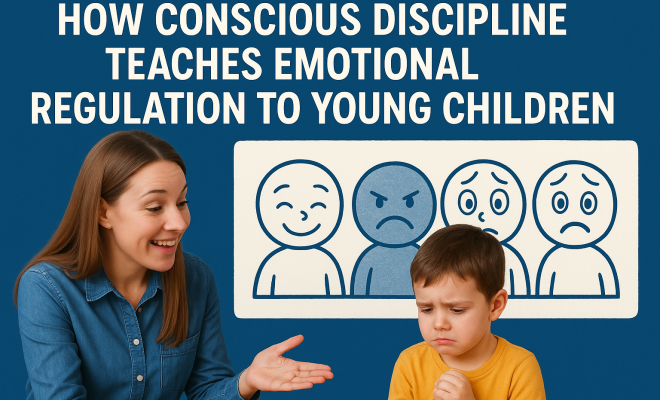
“How Sensory Processing Affects Emotional Regulation in Children”

“`html
Every day, children interact with a range of sensory experiences. From the feel of soft fabrics to the sounds of bustling playgrounds, these stimuli can profoundly influence their emotional responses. Understanding how sensory processing emotional regulation children affects their behavior is crucial for parents, educators, and caregivers alike. This article dives deep into the intricate relationship between sensory processing and emotional regulation, offering insights and practical strategies.
The Basics of Sensory Processing
Sensory processing refers to the way the brain receives and interprets sensory information. This process involves multiple senses, including sight, sound, touch, taste, and smell, as well as proprioception (the sense of body position) and vestibular (the sense of balance) inputs. For many children, especially those with sensory processing disorders, this interpretation can become overwhelming.
Children with efficient sensory processing can effectively manage their responses to stimuli. In contrast, those with sensory processing difficulties may struggle to filter out background noise or become overly sensitive to textures, leading to emotional dysregulation. A child overwhelmed by sensory input might have difficulty focusing, leading to anxiety or frustration, which in turn can hinder their emotional regulation abilities.
The Emotional Regulation Landscape
Emotional regulation refers to the processes by which individuals manage and respond to their emotional experiences. It’s a critical skill that enables children to control their impulses, express feelings appropriately, and cope with challenges. Poor emotional regulation can manifest as tantrums, withdrawal, or even aggressive behavior.
In the context of sensory processing emotional regulation children, the ability to regulate emotions is frequently tested. The inability to process sensory information effectively can lead to heightened emotional responses. For instance, if a child’s school environment is too noisy, they may become easily frustrated and exhibit emotional outbursts. Understanding this connection can help caregivers and educators develop more effective strategies to support children in managing their feelings.
How Sensory Processing Influences Emotional Responses
Research has shown that sensory experiences can directly impact emotional responses in children. For example, a child exposed to loud noises may feel anxious or scared, leading to an emotional outburst. Conversely, a calming sensory environment can foster feelings of safety and security, promoting better emotional regulation.
One study published in the journal “Frontiers in Psychology” found that children with sensory processing difficulties often exhibit higher levels of anxiety and lower levels of emotional regulation. These findings highlight the importance of creating supportive environments that cater to the sensory needs of children to aid emotional regulation.
Recognizing Sensory Processing Issues
Identifying sensory processing issues in children is the first step toward addressing the emotional regulation challenges they may face. Signs to look for include:
- Extreme reactions to sensory stimuli (e.g., covering ears in response to noise)
- Aversion to certain textures or clothing
- Difficulty transitioning from one activity to another
- Challenges in social situations due to sensory overload
- Excessive fidgeting or movement when trying to focus
If you notice these signs in your child, it may be beneficial to consult with an occupational therapist or psychologist who specializes in sensory processing disorders. Early intervention can be key in developing strategies to improve both sensory processing and emotional regulation.
Strategies for Supporting Sensory Processing and Emotional Regulation
Creating a supportive environment that considers a child’s sensory needs can help them achieve better emotional regulation. Here are some practical strategies:
1. Structured Routines
Establishing a predictable routine can provide children with the stability they need to navigate sensory experiences. A consistent schedule helps children anticipate transitions, reducing the anxiety that can trigger emotional dysregulation.
2. Calm Down Spaces
Designating a quiet space where children can retreat when feeling overwhelmed can be incredibly beneficial. This space might contain calming sensory items, such as weighted blankets, noise-canceling headphones, or soft lighting. Teaching children to use this space when they sense their emotions escalating can empower them to manage their feelings more effectively. (See: CDC on social and emotional development.)
3. Sensory Play
Incorporating sensory play into daily activities helps children process their sensory experiences in a fun, relaxed manner. Activities like playing with sand, water, or playdough can provide the tactile input some children crave, aiding their sensory integration and emotional regulation.
4. Mindfulness and Breathing Techniques
Teaching children mindfulness and breathing exercises can help them develop self-regulation skills. Simple techniques, such as deep breathing or guided visualization, can ground children during overwhelming moments, equipping them with tools to soothe themselves when emotions run high.
The Role of Educators in Supporting Sensory Processing
Educators play a crucial role in supporting children with sensory processing issues and emotional regulation. By fostering an understanding of sensory needs in the classroom, teachers can create a more inclusive learning environment.
For instance, providing flexible seating arrangements that allow for movement can help children who struggle with sitting still. Allowing short breaks during lessons can also give children a chance to reset and manage their sensory input effectively. Training staff on sensory processing challenges ensures that educators can recognize and respond to children’s needs promptly.
Collaborating with Professionals
Parents and caregivers don’t have to navigate the challenges of sensory processing and emotional regulation alone. Collaborating with professionals can provide additional support and resources. Occupational therapists specialize in sensory integration and can create tailored interventions to help children cope with their sensory sensitivities.
Moreover, therapists can work with families to develop strategies that promote emotional regulation at home, ensuring parents are equipped to handle challenging situations. Regular progress check-ins can help adjust strategies as children grow and their needs evolve.
Building a Supportive Community
A supportive community is essential for children facing sensory processing challenges. Connecting with other parents who share similar experiences can provide emotional support and valuable insights.
Support groups, either online or in-person, offer a space to share strategies, resources, and encouragement. Schools can also foster community by promoting awareness of sensory processing issues, encouraging empathy and understanding among peers, which can reduce bullying and social isolation.
Current Research and Future Directions
The field of sensory processing and emotional regulation is continuously evolving. Recent studies are exploring the neurobiological underpinnings of sensory processing disorders and their effects on emotional regulation. For instance, research published in the journal “Neuroscience & Biobehavioral Reviews” highlights how differences in sensory processing can affect brain development, impacting emotional resilience.
Moreover, innovative studies are investigating the role of sensory diets—structured plans that incorporate specific sensory experiences into a child’s daily routine—as a means of improving emotional regulation. The results suggest that personalized sensory diets can enhance a child’s ability to cope with stressors, thereby fostering emotional resilience.
Future interventions may include technology-based solutions, such as virtual reality environments that help children practice emotional regulation in various sensory contexts. As awareness of sensory processing issues grows, more resources will likely become available, improving outcomes for children who struggle with these challenges.
Practical Techniques for Home and School
Implementing sensory-friendly techniques at home and school can significantly help children manage their sensory experiences and related emotional responses. Here are several techniques that can be employed:
1. Sensory Breaks
Incorporating regular sensory breaks throughout the day can help children reset their emotional states. These breaks might include stretching, jumping on a trampoline, or simply stepping outside for fresh air. By providing opportunities for movement and sensory input, children can better regulate their emotions. (See: NIH on sensory processing disorders.)
2. Sensory Bins
Sensory bins filled with materials like rice, beans, or kinetic sand can provide tactile experiences that help children focus and calm down. Allowing children to explore these bins can be a soothing activity that also engages their sense of touch.
3. Visual Aids
Using visual schedules or charts can assist children in understanding what to expect throughout their day. Visual aids help reduce anxiety related to transitions and promote a sense of control, positively impacting emotional regulation.
Frequently Asked Questions
What are sensory processing disorders?
Sensory processing disorders refer to difficulties in the way the brain processes sensory information. These challenges can lead to either hypersensitivity (overreacting to sensory stimulation) or hyposensitivity (underreacting to sensory input).
How can I tell if my child has trouble with sensory processing?
Signs of sensory processing difficulties can include extreme reactions to sensory input, trouble with self-regulation, and challenges in social settings. Observing a child’s behavior in various environments can provide valuable insights.
What role do genetics play in sensory processing issues?
Genetics can influence sensory processing, as children may inherit traits that predispose them to sensory sensitivities or emotional regulation challenges. Family history can be a helpful factor to consider when evaluating a child’s sensory processing abilities.
Can sensory processing issues be outgrown?
Some children may outgrow sensory processing challenges, while others may need ongoing support. Early intervention can make a significant difference in helping children develop coping strategies that enhance their sensory processing and emotional regulation skills.
What are some resources for parents looking to support their children?
Parents can seek resources from occupational therapists, parenting books focusing on sensory processing, and online support groups. Websites like The Sensory Processing Disorder Foundation also provide valuable information and community support.
Practical Activities to Enhance Sensory Processing Skills
Engaging children in activities that promote sensory processing can be an enriching experience. Here are some practical activities that can be easily incorporated into daily routines:
1. Nature Walks
Take your child on nature walks where they can engage with the natural environment. Encourage them to observe different textures, sounds, and smells. Collecting leaves, rocks, or flowers can also provide tactile stimulation. This not only aids sensory integration but can also be calming for children overwhelmed by other sensory inputs.
2. Cooking Together
Involve your child in cooking activities where they can explore various textures, smells, and tastes. Simple tasks like kneading dough or chopping vegetables can enhance their engagement with sensory inputs while also promoting fine motor skills.
3. Dance and Movement
Encourage movement through dance or exercise. Activities like yoga or rhythmic dance can help children develop body awareness and coordination, crucial aspects of proprioception. These movements also foster emotional expression, aiding in emotional regulation.
Understanding the Impact of Sensory Processing on Learning
For many children, sensory processing issues directly affect their learning capabilities. When children struggle to process sensory information effectively, it can impede their ability to concentrate in a classroom setting. Here’s a deeper look at how sensory processing can influence learning:
1. Attention and Focus
Children with sensory processing difficulties may find it challenging to concentrate on tasks, especially in distracting environments. Background noise or visual clutter can hinder their ability to focus on lessons, leading to frustration and emotional outbursts. Teachers can help by minimizing distractions and providing clear, concise instructions.
2. Social Interactions
The classroom is a social environment where children are expected to interact with peers. Sensory sensitivities can cause children to withdraw or react negatively in social situations, leading to feelings of isolation. By fostering understanding and empathy among students, teachers can create a more inclusive environment.
3. Academic Performance
When children struggle with emotional regulation due to sensory processing challenges, their academic performance can suffer. Anxiety or frustration can lead to avoidance of tasks, impacting learning outcomes. Implementing individualized learning plans that consider sensory needs can enhance academic engagement and performance.
Expert Perspectives on Sensory Processing and Emotional Regulation
Insights from professionals in the field can provide valuable context around sensory processing and emotional regulation. Here are some perspectives from occupational therapists and psychologists:
Dr. Sarah Thompson, Occupational Therapist
“Children’s sensory systems are unique, and understanding these differences is essential for promoting emotional well-being. Tailoring sensory experiences to match a child’s specific needs can make a significant difference in their emotional regulation skills.”
Dr. James McCarthy, Child Psychologist
“Emotional regulation is a skill that can be nurtured. By observing how sensory experiences affect children’s emotional responses, caregivers can implement coping strategies that empower children to navigate their feelings more effectively.”
Final Thoughts
Understanding the connection between sensory processing and emotional regulation is crucial for fostering healthy development in children. By recognizing the signs of sensory processing difficulties and implementing supportive strategies, parents and educators can help children navigate their emotional landscapes more effectively. This proactive approach not only enhances their capacity for emotional regulation but also leads to improved overall well-being.
Investing time and effort into understanding and addressing sensory processing issues can make a profound difference in children’s lives, creating a foundation for emotional resilience as they grow. After all, when children learn to manage their sensory experiences, they are better equipped to handle the emotional challenges life throws their way.
“`
Trending Now
Frequently Asked Questions
How does sensory processing affect children's emotions?
Sensory processing can significantly impact children's emotions by influencing how they interpret sensory information. Children who struggle with sensory processing may become overwhelmed by stimuli, leading to heightened emotional responses such as anxiety or frustration, which can hinder their ability to regulate emotions effectively.
What is emotional regulation in children?
Emotional regulation in children refers to their ability to manage and respond to their emotional experiences. It involves controlling impulses, expressing feelings appropriately, and coping with challenges. Poor emotional regulation can result in behaviors like tantrums or withdrawal, particularly in children facing sensory processing difficulties.
What are the signs of sensory processing issues in children?
Signs of sensory processing issues in children may include difficulty filtering out background noise, sensitivity to textures, or becoming easily overwhelmed by sensory stimuli. These challenges can lead to emotional dysregulation, making it harder for children to manage their emotions in various situations.
How can parents help children with sensory processing difficulties?
Parents can help children with sensory processing difficulties by creating a structured environment, providing sensory breaks, and using calming techniques. Engaging in activities that promote sensory integration, such as play therapy or occupational therapy, can also support emotional regulation and improve their ability to cope with sensory stimuli.
What role does sensory input play in emotional behavior?
Sensory input plays a crucial role in emotional behavior as it affects how children perceive and react to their environment. When sensory input is overwhelming or misinterpreted, it can lead to emotional dysregulation, resulting in heightened responses or difficulty managing feelings, which can manifest in various behavioral challenges.
What’s your take on this? Share your thoughts in the comments below — we read every one.