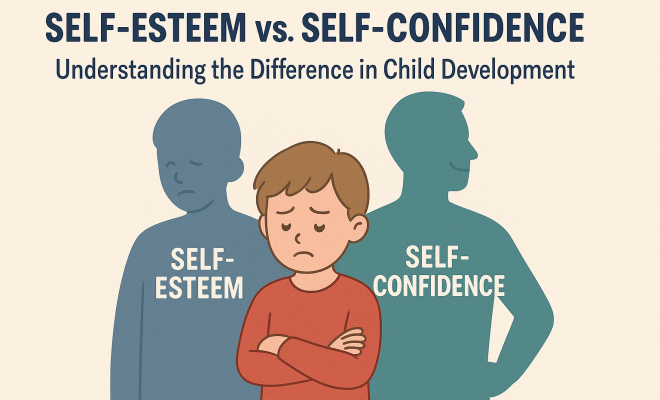
“Self-Esteem vs. Self-Confidence: Understanding the Difference in Child Development”
“`html
Understanding the nuances of self-esteem vs self-confidence in children is crucial for parents, educators, and anyone involved in child development. While these terms are often used interchangeably, they represent different aspects of a child’s psychological makeup. This article will explore the definitions, differences, and implications of self-esteem and self-confidence, along with practical strategies to foster both qualities in children. Get ready to dive into the intricacies of these essential components of child development.
1. Defining Self-Esteem and Self-Confidence
Self-esteem can be broadly defined as a child’s overall sense of self-worth or personal value. It reflects how children perceive themselves based on their feelings, beliefs, and experiences. For instance, a child with high self-esteem may feel loved and accepted, believing they are worthy of good things in life. However, self-confidence is different; it specifically relates to a child’s belief in their ability to succeed in specific situations or tasks. This means a child might have high self-confidence in academic subjects but low self-esteem overall.
The distinction is vital. Self-esteem is more about how kids feel about themselves, while self-confidence is about their skills and abilities. Understanding this difference can help caregivers and educators tailor their approaches when supporting children’s growth.
2. The Importance of Self-Esteem in Child Development
Self-esteem plays a pivotal role in a child’s overall development. Children with healthy self-esteem tend to exhibit positive behaviors, such as resilience and a willingness to take risks. They are generally more open to new experiences and relationships, which can lead to better social skills and emotional intelligence. A strong sense of self-worth also helps in coping with challenges and setbacks — essential skills for navigating the complexities of life.
Research supports this: children with high self-esteem are more likely to perform better academically and engage in positive social interactions. For instance, a study published in the journal Child Development found that children with higher self-esteem are less likely to struggle with anxiety and depression. This suggests that fostering self-esteem in children is not just about making them feel good; it’s about equipping them with the tools they need to thrive.
3. The Role of Self-Confidence in Achieving Goals
Self-confidence directly impacts a child’s ability to set and achieve goals. When children believe in their capabilities, they are more inclined to tackle challenges and pursue their interests. For example, a child who feels confident in their swimming skills is more likely to join a swim team, while a child lacking confidence may shy away from such opportunities.
It’s essential to note that self-confidence can be nurtured through experience. When children successfully complete tasks or receive positive reinforcement, their confidence grows. As their belief in their abilities increases, they become more willing to try new things, leading to a cycle of success and further confidence-building. This cycle is particularly important in educational settings, where confidence can influence participation and engagement.
4. How Self-Esteem and Self-Confidence Interact
While self-esteem and self-confidence are distinct, they are interrelated. A child with high self-esteem is likely to display greater self-confidence, as positive self-perception fuels the belief in one’s abilities. Conversely, a child with robust self-confidence can enhance their self-esteem through successful experiences. This interplay is crucial during formative years, as the development of one often influences the other.
For instance, a child who excels at sports may develop self-confidence that could improve their overall self-esteem. However, if a child experiences failure, it could lead them to question their self-worth. In such cases, it’s essential to provide a supportive environment where both self-esteem and self-confidence can be cultivated simultaneously.
5. Practical Strategies to Boost Self-Esteem in Children
Fostering self-esteem requires intentional effort from parents and educators. Here are some effective strategies: (See: Mental health and child development.)
- Encouragement and Praise: Regularly acknowledge your child’s efforts and achievements, regardless of the outcome. Focus on praising their hard work rather than just the results. This helps children understand that their value isn’t solely linked to success.
- Promote Independence: Allow children to make age-appropriate decisions, which aids in developing a sense of agency. When kids feel they have control over their choices, their self-esteem naturally improves.
- Model Self-Compassion: Show children how to be kind to themselves during failures. Discuss your own struggles and how you cope, which can help them understand that everyone faces challenges.
These strategies can help create a nurturing environment that enhances children’s self-esteem and, consequently, sets the foundation for higher self-confidence as they navigate their activities and relationships.
6. Effective Ways to Build Self-Confidence in Kids
Building self-confidence involves providing children with opportunities to challenge themselves. Here are some practical methods to help children develop self-confidence:
- Set Achievable Goals: Help children set realistic and attainable goals. Celebrating small victories, like completing a homework assignment or learning a new skill, can significantly boost their confidence.
- Encourage New Experiences: Support children in trying new activities, whether it’s joining a club or participating in sports. These experiences can enhance their skills and help them feel more competent.
- Teach Resilience: Encourage children to persevere through difficulties. Teach them that setbacks are part of the learning process, and provide guidance on how to bounce back from failures.
By implementing these strategies, you can help children cultivate the self-confidence they need to face challenges head-on, empowering them to achieve their goals and embrace new experiences.
7. The Impact of External Influences on Self-Esteem and Self-Confidence
While parents and educators play a significant role in shaping self-esteem and self-confidence, external factors also greatly influence these traits. Peers, media, and societal expectations can affect how children perceive themselves. For example, children may compare themselves to their friends or media figures, which can lead to feelings of inadequacy if they feel they don’t measure up.
It’s essential for caregivers to help children navigate these influences. Encourage open conversations about media portrayals and peer interactions. Teaching children critical thinking skills can help them discern unrealistic standards and focus on their unique strengths. By creating an awareness of external pressures, you can help them maintain a healthy self-perception.
8. Current Relevance in Education and Parenting
In today’s educational and parenting landscape, understanding the difference between self-esteem vs self-confidence in children is more relevant than ever. With the rise of technology and social media, children face unprecedented challenges that can impact their self-worth. Cyberbullying and unrealistic comparisons on social platforms can hinder both self-esteem and self-confidence.
Schools are increasingly recognizing the importance of emotional intelligence in education. Programs aimed at enhancing social-emotional learning (SEL) are becoming common, focusing not just on academic success but also on nurturing self-esteem and self-confidence. These programs teach children skills to manage their emotions, understand themselves, and navigate relationships, ultimately leading to their holistic development.
9. How Cultural Differences Affect Self-Esteem and Self-Confidence
Culture plays a significant role in shaping children’s self-esteem and self-confidence. Different cultures have varying beliefs about individual worth, achievement, and success. In collectivist societies, children may derive their self-esteem from group harmony and family achievements rather than individual accomplishments. In contrast, individualistic cultures may emphasize personal achievement and self-expression, influencing how confidence is built.
For example, a child raised in a culture that values community may feel less pressure to achieve personal accolades and more emphasis on being a good team player. Understanding these cultural nuances can help caregivers approach boosting self-esteem and self-confidence in a way that resonates with the child’s background, ensuring that the strategies used are culturally sensitive and effective.
10. Expert Perspectives on Self-Esteem and Self-Confidence
Experts in psychology and child development offer valuable insights into the importance of fostering self-esteem and self-confidence. Dr. Martin Seligman, a pioneer in positive psychology, emphasizes that self-esteem is a crucial foundation for mental health. He suggests that children who feel worthy are more likely to engage in positive behaviors and pursue their goals with enthusiasm.
Additionally, Dr. Carol Dweck, known for her research on growth mindset, asserts that teaching children to view challenges as opportunities for growth can significantly enhance their self-confidence. When children believe that effort leads to improvement, they become more resilient and willing to tackle difficult tasks.
Incorporating expert advice into parenting and educational approaches can create a more supportive environment for children. By understanding the psychological background behind self-esteem and self-confidence, adults can better nurture these traits effectively. (See: Child behavior and development resources.)
11. Common Myths About Self-Esteem and Self-Confidence
There are several myths surrounding self-esteem and self-confidence that can mislead parents and educators. One common misconception is that high self-esteem equates to arrogance. In reality, healthy self-esteem is about recognizing one’s value without looking down on others. Teaching children humility alongside self-worth is important to balance both traits.
Another myth is that self-esteem can be defined by praise alone. While positive reinforcement is important, it should be accompanied by constructive feedback and realistic expectations to be effective. Children need to learn that worth is inherent, and skills are developed through effort, not simply given through compliments.
Understanding and debunking these myths can help create a more realistic framework for building self-esteem and self-confidence in children.
12. FAQ: Common Questions About Self-Esteem and Self-Confidence in Children
Q: Can a child have high self-esteem but low self-confidence?
A: Yes, it’s entirely possible for a child to feel good about themselves overall (high self-esteem) but lack confidence in specific areas, like sports or academics. It’s essential to identify these areas and provide support to build confidence where it’s needed.
Q: How can I tell if my child has low self-esteem or low self-confidence?
A: Signs of low self-esteem may include negative self-talk, social withdrawal, or an inability to accept compliments. Low self-confidence might manifest as fear of trying new things or reluctance to engage in challenges. Observing your child’s behavior can offer insights into their emotional well-being.
Q: What age is best to start fostering self-esteem and self-confidence?
A: It’s never too early to start. Developing self-esteem and self-confidence can begin in infancy with nurturing and affirmation. As children grow, these qualities can be reinforced through challenges, successes, and supportive environments.
Q: How do I address my child’s failures without hurting their self-esteem?
A: It’s crucial to approach failures as learning opportunities. Encourage your child to share their thoughts and feelings about the experience, reinforcing that setbacks are part of growth. Highlighting their efforts and resilience instead of focusing solely on the outcome can promote a healthier perspective.
Q: Are there specific activities that can help boost my child’s self-esteem and self-confidence?
A: Yes! Activities like team sports, art projects, and volunteering can foster both self-esteem and self-confidence. These experiences help children learn new skills, work with others, and take pride in their contributions, enhancing their overall self-perception.
13. The Role of Parents and Educators
Parents and educators are key players in nurturing self-esteem and self-confidence in children. Their interactions with children can significantly impact how children perceive their worth and abilities. For parents, creating a supportive home environment is crucial. This means actively listening to children, validating their feelings, and encouraging their interests without imposing unrealistic expectations.
In schools, teachers are encouraged to foster an inclusive classroom climate where each child feels valued. This can be achieved through collaborative activities that celebrate individual talents and group achievements. Teachers can also incorporate social-emotional learning into their curricula, helping students develop skills that contribute to both self-esteem and self-confidence.
Furthermore, regular communication between parents and teachers can create a consistent approach to supporting children’s emotional and psychological needs. This partnership ensures that children receive reinforcement in both home and school settings, promoting their overall development effectively.
14. Comparative Analysis: Self-Esteem vs Self-Confidence
When you look at self-esteem and self-confidence side by side, the differences become clearer. Self-esteem is often seen as a more stable, intrinsic quality, while self-confidence can fluctuate based on circumstances. For example, a child might feel very confident in their ability to play basketball but still doubt their writing skills. This highlights how self-confidence can be very situational, influenced by past experiences and current environments.
Statistics indicate that children with high self-esteem often show higher academic performance, as they believe in their ability to succeed. In contrast, self-confidence can guide them to take on new challenges, whether in sports, academics, or social settings. When assessing a child’s development, it’s essential to recognize these distinctions and address both self-esteem and self-confidence, as they contribute to a child’s overall sense of self.
15. Long-Term Effects of Self-Esteem and Self-Confidence
Research shows that children who develop strong self-esteem and self-confidence tend to carry these traits into adulthood. Adults with high self-esteem often exhibit greater overall life satisfaction, mental health, and social relationships. They are likely to pursue their goals vigorously and handle stress more effectively.
On the other hand, those who struggle with low self-esteem and self-confidence may face challenges such as anxiety, depression, and difficulty in forming healthy relationships. This can affect their professional lives and personal happiness. Therefore, the importance of fostering these qualities in childhood cannot be overstated; it sets the stage for a fulfilling and balanced life.
16. Final Thoughts: Fostering a Balanced Approach
Ultimately, fostering both self-esteem and self-confidence in children is crucial for their overall development. Understanding the differences between the two concepts allows parents and educators to create targeted strategies that nurture these qualities. Given the stresses and challenges children face today, it’s more important than ever to equip them with a strong sense of self-worth and belief in their abilities.
As you engage with children — whether you’re a parent, teacher, or mentor — remember that your influence can have a lasting impact. Encourage them, celebrate their achievements, and support them in overcoming setbacks. By doing so, you’re not just building their self-esteem and self-confidence; you’re helping to shape resilient individuals ready to take on the world.
“`
Trending Now
Frequently Asked Questions
What is the difference between self-esteem and self-confidence?
Self-esteem refers to a child's overall sense of self-worth and how they perceive themselves, while self-confidence relates specifically to their belief in their ability to succeed in particular tasks or situations. Understanding this distinction is crucial for supporting children's development effectively.
Why is self-esteem important in child development?
Self-esteem is vital for a child's overall development as it fosters positive behaviors, resilience, and a willingness to take risks. Children with healthy self-esteem are more likely to engage in new experiences and build strong social skills, aiding their emotional intelligence.
How can parents improve their child's self-esteem?
Parents can improve their child's self-esteem by providing consistent support, positive reinforcement, and opportunities for success. Encouraging open communication and celebrating their achievements helps children feel valued and accepted, contributing to a healthier self-image.
What are the signs of low self-esteem in children?
Signs of low self-esteem in children may include negative self-talk, reluctance to try new activities, excessive shyness, or an inability to cope with setbacks. These behaviors can indicate a lack of self-worth, which parents and educators should address promptly.
Can a child have high self-confidence but low self-esteem?
Yes, a child can have high self-confidence in specific areas, such as academics or sports, while still experiencing low self-esteem overall. This situation highlights the importance of nurturing both qualities to support a child's holistic development.
What’s your take on this? Share your thoughts in the comments below — we read every one.