Why Bright Kids Struggle: Executive Function & Homework
“`html
Understanding Executive Function: A Deep Dive
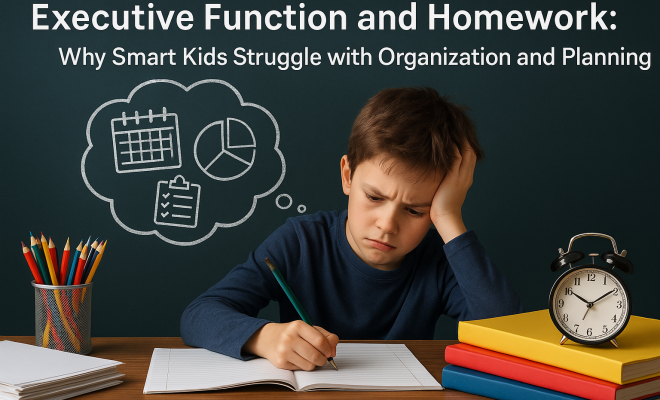
Executive function is a term that encompasses a range of cognitive processes crucial for goal-directed behavior. These include planning, organization, time management, and self-regulation. Essentially, executive functioning acts as the brain’s control center, enabling individuals to manage their thoughts, actions, and emotions effectively. For students, these skills are indispensable, especially when it comes to tackling homework.
Interestingly, many students who excel academically struggle with executive functioning. This paradox can leave parents and teachers puzzled, as bright children may face challenges in organizing their schoolwork, managing time, and maintaining focus during homework sessions. Understanding the nuances of executive function is essential for addressing these common yet perplexing issues.
The Science Behind Executive Functioning
Research in cognitive science has identified three core components of executive function: working memory, cognitive flexibility, and inhibitory control. Working memory allows individuals to hold and manipulate information temporarily. Cognitive flexibility refers to the ability to switch between tasks or perspectives and adapt to new information. Inhibitory control involves the capacity to suppress impulsive responses and distractions.
These components work in tandem to facilitate effective decision-making, problem-solving, and task completion. For children, especially those still developing these skills, the demands of homework can feel overwhelming. They may know the content but struggle to execute their ideas on paper or manage their assignments efficiently.
The Homework Struggle: A Common Experience
Homework is meant to reinforce learning, encourage responsibility, and foster independence among students. However, for many, it becomes a source of stress. A survey conducted by the National Center for Education Statistics revealed that nearly 40% of students reported feeling overwhelmed by homework demands. The connection between executive function and homework is crucial here: students with weak executive function often find it difficult to plan their assignments, prioritize tasks, and complete them on time.
Moreover, students with strong cognitive abilities might not always have the corresponding executive function skills, leading to frustration. They may demonstrate exceptional understanding in class but falter when it comes to translating that knowledge into organized homework. This discrepancy can lead to lower grades, decreased motivation, and increased anxiety regarding academic performance.
Why Smart Kids Are Affected More
The irony of intelligent students struggling with executive function is well documented. Many bright kids assume that their intelligence alone is sufficient for academic success; however, their lack of organizational skills can become a significant barrier. The American Psychological Association emphasizes that strong cognitive abilities do not automatically translate into effective executive functioning.
For these students, the cognitive load of managing multiple assignments and deadlines can become overwhelming. They may struggle to break tasks into manageable steps, leading to procrastination or incomplete work. This is particularly concerning as they may feel that their intelligence should compensate for their executive function difficulties, which often leads to a cycle of self-criticism and diminished self-esteem.
Identifying Executive Function Challenges
Recognizing when a student is grappling with executive function issues is crucial for intervention. Symptoms can manifest in various ways, often including:
- Difficulty keeping track of assignments and due dates.
- Struggles with starting tasks or projects.
- Inconsistent performance, excelling in some areas while failing in others.
- Frequent forgetfulness regarding materials needed for homework.
- Difficulty following multi-step instructions.
Teachers and parents should be vigilant for these signs, which can be indicative of underlying executive function challenges. Identifying these issues early allows for timely interventions that can support students in developing the necessary skills to manage their homework effectively.
Strategies to Support Executive Functioning in Homework
Fortunately, there are numerous strategies that can help students enhance their executive function skills, particularly in relation to homework. Here are some practical approaches:
1. Break Tasks into Smaller Steps
Encouraging students to break down larger assignments into smaller, more manageable tasks can reduce feelings of overwhelm. For example, if a student has to write a research paper, they can start by researching, then outlining, drafting, and finally revising. This step-by-step approach makes the process seem less daunting and allows for a sense of accomplishment at each stage.
2. Use Visual Aids
Visual tools such as calendars, charts, or sticky notes can be incredibly effective for students struggling with organization. These aids serve as reminders and help students visualize their commitments, deadlines, and priorities. Creating a homework checklist can also provide a clear path to completion.
3. Establish Routines
Setting specific times for homework can help establish a routine that fosters better time management. Consistency is key; students should aim to have a predictable schedule that accommodates their other commitments. This predictability helps create a sense of security and reduces anxiety around homework. (See: Executive function in education.)
4. Limit Distractions
Creating a conducive homework environment can significantly boost focus. Parents should help their children identify and eliminate distractions in their workspace, whether it’s noise, technology, or a cluttered desk. Consider using tools like noise-canceling headphones or apps that limit phone usage during study time.
5. Teach Self-Regulation Skills
Teaching students self-regulation techniques can empower them to monitor their emotions and behavior. Strategies like mindfulness, breathing exercises, or even short breaks during study sessions can enhance focus and reduce stress. Helping students recognize when they are losing focus can also be instrumental in regaining control over their work.
The Role of Schools and Educators
While parental support plays a significant role, schools and educators also have a vital part in helping students with executive function challenges. Professional development for teachers on recognizing and supporting executive function issues can lead to more effective classroom strategies. Educators can implement programs that explicitly teach these skills, integrating them into the curriculum.
Additionally, schools should consider offering individualized support such as tutoring or mentoring programs that target executive function skills. Collaborating with school counselors can help identify students who would benefit from specialized interventions. By fostering a school culture that values executive function, educators can significantly impact students’ academic success.
Current Trends and Research in Executive Functioning
Recent research has highlighted the importance of executive function not only in educational contexts but also in lifelong success. Studies indicate that strong executive function skills correlate with positive outcomes in both academic and professional settings. This growing recognition has led to the incorporation of executive function training into educational frameworks.
For instance, programs like the “Tools of the Mind” initiative focus on developing self-regulation skills early in childhood, aiming to create a foundation for future academic success. Furthermore, neuropsychological research continues to uncover the brain structures and functions involved in executive functioning, further emphasizing its critical role in learning.
Taking Action: What Parents Can Do
As a parent, understanding the executive function and homework connection is vital for your child’s academic journey. Here are some actionable steps to consider:
- Communicate regularly with teachers to understand your child’s progress and challenges.
- Encourage open dialogue with your child about their homework experiences. Understanding their perspective can provide valuable insights into their struggles.
- Model executive function skills yourself. Demonstrating organization and planning in your daily life can provide a powerful example for your child.
- Consider professional support, such as educational psychologists or coaches, to provide tailored strategies for your child’s specific needs.
The Future of Executive Function Training
As awareness of executive function’s significance continues to grow, so does the potential for innovative training methods and strategies. The future may hold more personalized learning approaches that combine technology with traditional educational practices. Digital tools and apps designed to enhance executive function skills are on the rise, offering interactive ways to improve organization, time management, and self-regulation.
Moreover, the integration of social-emotional learning (SEL) into curricula can help students not only academically but also in developing essential life skills. Schools that prioritize SEL alongside academic achievement are likely to see positive outcomes in both realms, equipping students for future challenges.
Common Misconceptions About Executive Function and Homework
When discussing executive function, several misconceptions frequently arise, leading to misunderstandings about its importance in education. One common myth is that executive function is solely innate or a fixed trait. In reality, while some aspects may be influenced by genetics, executive function skills can be developed and strengthened with practice and support.
Another misconception is that executive function issues are only relevant for students who struggle academically. In fact, as discussed earlier, even high-achieving students can experience significant challenges with executive function, leading to frustration and burnout. Recognizing that executive function affects a wide range of students is crucial for ensuring that all learners receive the support they need.
Real-Life Examples of Executive Function Challenges
To better understand executive function challenges, consider the story of Sarah, a straight-A student who excels in classroom discussions but often forgets to turn in her homework. Despite her intelligence and understanding of the material, Sarah’s struggle with organization means that she frequently loses track of assignments and deadlines. Her parents noticed she often becomes anxious when faced with multiple homework tasks, feeling overwhelmed by the need to remember everything.
Then there’s Jake, a seventh grader who can articulate complex ideas about his favorite subjects but struggles to start his homework. He often puts off assignments until the last minute, leading to rushed work and missed deadlines. Jake’s case highlights the need for strategies to help him transition smoothly from leisure activities to academic tasks, something that can be addressed through structured routines and supportive tools.
Statistics and Research Findings
Research on executive function reveals some compelling statistics. A study published in the journal Child Development found that children with strong executive function skills scored an average of 20% higher on standardized tests than their peers with weaker skills. Additionally, according to the Harvard Graduate School of Education, approximately 30% of students in middle school and high school show signs of executive function difficulties, impacting their academic performance and social interactions.
Moreover, research from the Institute of Education Sciences shows that targeted executive function interventions can lead to improvements in students’ academic outcomes, with students frequently showing a 15-25% increase in homework completion rates when provided with appropriate support. (See: Executive function and learning.)
Frequently Asked Questions About Executive Function and Homework
What are executive function skills?
Executive function skills are cognitive processes that enable individuals to plan, focus attention, remember instructions, and juggle multiple tasks. These skills include working memory, cognitive flexibility, and inhibitory control, which are essential for effective learning and everyday functioning.
How can I tell if my child has executive function challenges?
Signs may include difficulty with organization, trouble starting tasks, inconsistent homework performance, forgetfulness, and problems following multi-step instructions. If you notice these behaviors consistently, it may be worth discussing them with educators or a mental health professional.
Can executive function skills be improved?
Absolutely! With targeted strategies, practice, and support, executive function skills can be developed over time. Techniques such as breaking tasks into smaller steps, using visual aids, and establishing routines can significantly enhance these skills.
Are there specific programs to help with executive function skills?
Yes, several programs focus on developing executive function skills. Programs like “Tools of the Mind” and various cognitive training apps are designed to enhance these skills through engaging and interactive methods, making them suitable for students of all ages.
How can teachers support students with executive function difficulties?
Teachers can support these students by implementing structured routines, providing clear instructions, and using visual aids to help them stay organized. Additionally, fostering open communication about challenges and progress can create a supportive classroom environment.
The Importance of Parental Involvement
One of the most significant influences on a child’s executive function development is the level of parental involvement. Parents can play a crucial role in shaping their child’s executive function skills by actively engaging in their learning process. This involvement can take many forms, from helping with homework to simply talking about daily schedules and goals.
Research shows that children whose parents are involved in their education tend to develop better self-regulation skills and perform better academically. A study published in the Journal of Educational Psychology found that active parental involvement is positively associated with children’s executive function, leading to better academic performance and emotional well-being.
To enhance executive function at home, parents can encourage their children to set specific academic goals, such as completing homework on time or achieving a certain grade in a subject. Discussing these goals regularly helps children practice self-regulation and accountability, essential components of executive function.
Creating an Executive Function-Friendly Home Environment
Beyond just supporting homework completion, parents can create an environment that fosters the growth of executive function skills. This includes establishing clear routines for homework and other daily tasks. For instance, setting a specific time for homework and ensuring that all necessary materials are available can minimize distractions and enhance focus.
Another effective strategy is to design a dedicated homework space. This space should be free from distractions and equipped with all the materials needed for studying. A well-organized study area can significantly improve a child’s ability to concentrate on their tasks.
The use of organizational tools, such as binders, color-coded folders, or digital apps, can also help children learn to manage their assignments effectively. Teaching children how to use these tools properly can reinforce their executive function skills, making them more adept at handling their homework independently.
Integrating Technology for Executive Function Support
In today’s digital age, technology can offer valuable support for enhancing executive function skills. Various apps are designed specifically to help students manage their time, organize tasks, and stay focused. For example, task management apps allow users to create to-do lists, set reminders, and track deadlines, which can be beneficial for students struggling with organization.
Additionally, educational platforms often include features that promote self-regulation by providing instant feedback on performance. For instance, gamified learning experiences can motivate students and help them develop better focus and time management skills.
However, it’s essential for parents and educators to monitor the use of technology to ensure it remains a helpful tool rather than a distraction. Setting boundaries around screen time and encouraging breaks can prevent cognitive overload and help maintain healthy study habits.
Collaborating with Mental Health Professionals
In cases where executive function challenges significantly impact a student’s academic performance or emotional well-being, seeking help from mental health professionals may be beneficial. Educational psychologists can conduct assessments to identify specific areas of difficulty and recommend tailored interventions.
Therapeutic approaches, such as cognitive-behavioral therapy (CBT), can help children develop coping strategies for managing executive function challenges. These therapies often focus on building self-awareness, enhancing problem-solving skills, and fostering better emotional regulation, all of which contribute to improved executive functioning.
Additionally, family therapy can also support a child’s executive function development by improving communication and collaboration between family members. This can help create a more supportive home environment, which is crucial for the child’s growth and success.
The Benefits of Mindfulness and Meditation
Incorporating mindfulness practices into daily routines can significantly enhance executive function skills. Mindfulness techniques, such as meditation or focused breathing, help improve attention and self-regulation. Research shows that regular mindfulness practice can increase brain areas associated with executive function, such as the prefrontal cortex, leading to better emotional control and cognitive flexibility.
Schools and parents can introduce mindfulness activities to students, encouraging them to take a few minutes each day to engage in mindful breathing or meditation exercises. These practices can be beneficial not only for enhancing focus and concentration during homework but also for overall mental health and stress reduction.
Building a Resilient Mindset
Finally, fostering a growth mindset in children can empower them to overcome challenges related to executive function. Teaching students that their abilities can be developed through effort and persistence helps them view setbacks as opportunities for learning rather than failures.
Encouraging children to reflect on their homework experiences—what worked, what didn’t, and what they can do differently next time—can build resilience. This self-reflective practice promotes accountability and enhances their problem-solving skills, which are critical aspects of executive functioning.
Final Thoughts
Addressing the executive function and homework connection is critical for fostering academic success among students, especially those who are bright yet struggle with organization and planning. By understanding the complexities of executive function, parents, educators, and students alike can work together to develop strategies that support effective homework habits.
In helping students overcome executive function challenges, we pave the way for their overall success, not just in academics but in life. Remember, intelligence is only one piece of the puzzle; robust executive function skills are equally vital for reaching one’s full potential.
“`
Trending Now
- What They Forgot to Include in My Education Degree
- this guide on “the three core considerations of dap: age, individual, and cultural appropriateness”
- our breakdown of “why neuroscientists say learning styles theory lacks scientific evidence”
- the complete explanation
Frequently Asked Questions
What is executive function in students?
Executive function refers to a set of cognitive processes that help students plan, organize, manage time, and regulate behavior. These skills are essential for goal-directed activities, particularly in academic settings, where effective homework completion relies heavily on strong executive functioning.
Why do smart kids struggle with homework?
Many academically gifted children struggle with homework due to challenges in executive functioning. Despite their intelligence, they may have difficulty with organization, time management, and maintaining focus, leading to frustration when completing assignments.
What are the components of executive function?
The three core components of executive function are working memory, cognitive flexibility, and inhibitory control. Working memory allows for temporary information storage, cognitive flexibility enables task-switching, and inhibitory control helps suppress distractions and impulsive responses.
How does executive function affect homework performance?
Executive function significantly impacts homework performance by influencing a student's ability to plan, organize, and manage their time effectively. Without strong executive functioning skills, students may know the material but struggle to complete assignments efficiently.
What can parents do to help with executive function issues?
Parents can support children with executive function challenges by establishing structured routines, breaking tasks into manageable steps, using visual aids for organization, and encouraging the use of timers to improve time management skills.
What did we miss? Let us know in the comments and join the conversation.