How Proprioception and Gross Motor Skills Affect Learning in Students with ADHD
“`html
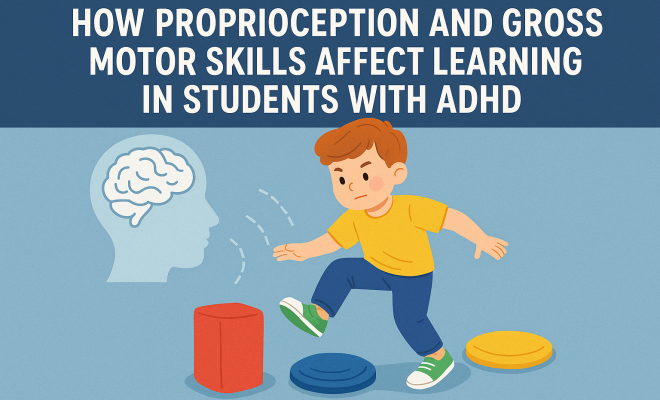
When it comes to education, there’s a growing understanding of how different aspects of physical development can influence learning capabilities, especially for students with Attention Deficit Hyperactivity Disorder (ADHD). One such aspect that is often overlooked is proprioception—the sense that tells us where our body parts are in relation to each other and the environment. Coupled with gross motor skills, which involve the coordination of large muscle groups, proprioception plays a crucial role in how students with ADHD engage with learning environments. This article explores the intricate relationship between proprioception and ADHD, examining how these two factors influence educational outcomes and offering practical insights for educators and parents alike.
Understanding Proprioception and Its Importance
Proprioception is the body’s ability to perceive its position in space. This sense helps coordinate movements and maintain balance. It’s essential for everyday tasks—like walking, running, or even typing—because it allows individuals to process their movements without having to consciously think about each step. In students with ADHD, proprioceptive difficulties can manifest as clumsiness, poor coordination, and an inability to gauge the force needed for various tasks, leading to challenges in physical education and daily activities.
The Link Between Proprioception and ADHD
Research indicates that many children with ADHD exhibit deficits in proprioceptive processing. A study published in the journal Research in Developmental Disabilities found that children diagnosed with ADHD displayed significantly lower proprioceptive abilities compared to their peers. This can create a range of challenges in the classroom, where fine and gross motor skills are vital for learning. The inability to navigate space effectively can lead to frustration, decreased confidence, and ultimately hinder academic performance.
For instance, a child with ADHD might struggle with activities that require spatial awareness, such as writing on a line or catching a ball during recess. These challenges can lead to a cycle of negative reinforcement; as they struggle with physical tasks, they may withdraw from social interactions, further exacerbating feelings of isolation and impacting their learning.
Gross Motor Skills: Their Role in Learning
Gross motor skills refer to the movements that involve the larger muscle groups, such as those used in running, jumping, and throwing. These skills are foundational for many activities, including sports and even playing on the playground. For students with ADHD, developing strong gross motor skills can help enhance their proprioceptive awareness. Improved body awareness can lead to better focus and engagement in academic tasks.
Developmentally, children with ADHD often face challenges in refining their gross motor skills. They may be slower to achieve milestones like walking or riding a bike. The Centers for Disease Control and Prevention (CDC) highlights that children with ADHD may also have delays in motor development, which can lead to difficulties in participating in physical activities or sports—a critical area for social interaction and building confidence.
How Proprioception Affects Learning Environments
The classroom environment is packed with stimuli, and for students with ADHD, the sensory overload can be overwhelming. Understanding how proprioception influences a child’s ability to learn in such an environment is crucial. For example, a lack of proprioceptive awareness can lead to difficulty sitting still or focusing on a teacher’s instructions, as these students may struggle to gauge the correct amount of movement they need to remain comfortable and engaged.
In practical terms, when students can’t effectively navigate their physical space, it may lead to disruptive behaviors. They may fidget, get out of their seats, or appear distracted. Teachers may interpret this as a lack of interest or poor behavior, when in reality, it might be a sensory-processing issue stemming from proprioceptive deficits. This points to the need for educators to adopt strategies that acknowledge these challenges.
Practical Strategies for Supporting Students with Proprioceptive Challenges
Educators and parents can employ several strategies to support children with ADHD who struggle with proprioceptive challenges. Here are some actionable insights:
- Incorporating Movement Breaks: Regularly scheduled movement breaks can help students reset their proprioceptive systems. Activities such as stretching, jumping jacks, or even short walks can be beneficial.
- Utilizing Sensory Tools: Weighted vests or fidgets can provide proprioceptive input that helps students feel more grounded and focused. These tools can be particularly helpful during lessons or tests.
- Creating Structured Routines: Predictable routines help students with ADHD feel secure and can reduce anxiety, which in turn can improve focus and engagement.
- Implementing Physical Activity in Lessons: Integrating movement into learning—like using games that involve physical activity—can enhance engagement and learning outcomes.
The Role of Occupational Therapy
Occupational therapy (OT) can be instrumental for children with ADHD who experience difficulties with proprioception and gross motor skills. OTs are trained to assess motor skills and provide tailored interventions that improve children’s functional abilities. Through activities designed to enhance proprioceptive processing, occupational therapists can help students develop better body awareness and coordination. (See: Proprioception and ADHD research.)
For example, in an OT setting, a child might engage in activities such as climbing, balancing, or jumping, all of which provide vital proprioceptive input. These experiences can increase their comfort levels in both physical and academic environments. Parents and educators should consider collaborating with occupational therapists to create an individualized program that suits each child’s unique needs.
Building a Supportive Classroom Environment
Creating a classroom that accommodates the needs of students with ADHD and proprioceptive challenges requires intentional planning and a flexible mindset. Teachers can foster an environment that recognizes these unique needs by:
- Arranging Classroom Layout: A well-organized classroom can minimize distractions and make it easier for students to navigate their space. Consideration should be given to seating arrangements that allow for movement.
- Implementing Calm Spaces: Designating a quiet area in the classroom can give students a space to regroup when feeling overwhelmed.
- Encouraging Peer Support: Creating opportunities for collaborative learning can help students with ADHD feel supported by their peers, fostering a sense of belonging.
Addressing Common Misconceptions
There are several misconceptions surrounding ADHD, proprioception, and gross motor skills that can impede understanding and support for affected students. One common myth is that ADHD is solely a behavioral issue. In reality, it’s a complex neurodevelopmental disorder with physiological manifestations. Understanding that proprioceptive deficits are part of this picture can help educators and parents advocate more effectively for their children.
Another misconception is that physical skills don’t impact academic success. However, the reality is that a child’s ability to move and feel confident in their movements directly influences their focus, self-esteem, and willingness to engage in learning. Addressing these misconceptions is key to creating an informed community that better supports students with ADHD.
The Current Relevance of Proprioception in Education
The conversation around proprioception and ADHD is becoming increasingly relevant in educational contexts. As awareness of sensory processing issues grows, so does the need for educators to adapt their approaches to accommodate diverse learners. Many schools are beginning to recognize the importance of incorporating sensory-friendly practices into their curricula.
Recent initiatives have emerged in various educational systems aimed at training teachers to recognize and address sensory processing challenges. Professional development programs that focus on proprioception and its link to ADHD can empower educators to foster inclusive learning environments that cater to all students. This approach not only benefits those with ADHD but can enhance the learning experience for all children.
Looking Ahead: Future Research and Developments
As we deepen our understanding of proprioception and its influence on learning, future research will likely explore innovative ways to integrate this knowledge into educational frameworks. Studies examining effective interventions for improving proprioceptive skills among students with ADHD could pave the way for new methodologies in teaching and therapy.
In addition, the role of technology in supporting proprioceptive development—such as the use of virtual reality or interactive gaming—holds exciting possibilities for creating engaging learning environments. The education sector must remain open to incorporating these advancements, as they could facilitate improved outcomes for students with ADHD.
Ultimately, elevating the conversation around proprioception and ADHD highlights the broader need for a multifaceted approach to education—one that embraces physical, emotional, and cognitive dimensions of learning. When we invest in understanding these connections, we pave the way for a more inclusive future in education.
Understanding Proprioceptive Feedback
Proprioceptive feedback occurs when receptors in the muscles and joints send information to the brain about body position and movement. This feedback is vital for coordinating actions and maintaining balance. For children with ADHD, the processing of proprioceptive feedback can be disrupted, leading to challenges in tasks that require fine motor skills and body awareness. For example, a child may not realize how much pressure to apply when holding a pencil, which can affect their handwriting quality.
Recent studies have shown that children with ADHD often exhibit reduced sensitivity to proprioceptive feedback. According to research published in the journal Neuroscience & Biobehavioral Reviews, these children may not receive the same level of proprioceptive input from their environment as their peers, leading to difficulties in spatial awareness and coordination. This lack of feedback can hinder their ability to navigate both physical and social environments effectively.
Developing Proprioceptive Skills: Activities and Exercises
Enhancing proprioceptive skills can significantly benefit children with ADHD. Several activities can be incorporated into daily routines to develop these skills further. Here are some effective exercises: (See: CDC ADHD guidelines.)
- Animal Walks: Encourage children to mimic animal movements, such as crawling like a bear or hopping like a frog. These activities not only enhance proprioception but also promote gross motor skills.
- Obstacle Courses: Set up a simple obstacle course that includes climbing, crawling, and jumping. Navigating through obstacles helps children learn body control and spatial awareness.
- Yoga and Stretching: Yoga poses and stretching exercises can improve body awareness and flexibility. Poses like the tree pose or warrior pose can help children focus on their balance and stability.
- Balloon Volleyball: A fun game like balloon volleyball can improve hand-eye coordination and provide proprioceptive feedback as children reach and move around.
The Emotional Impact of Proprioceptive Deficits
The emotional consequences of proprioceptive challenges in children with ADHD can be profound. Children who struggle with body awareness may experience frustration and embarrassment, especially in social situations where coordination is essential. For example, a child may feel self-conscious about their inability to catch a ball during a game, leading to withdrawal from physical activities and social interactions. This withdrawal can exacerbate feelings of loneliness and reduce opportunities for social learning and development.
Moreover, children with ADHD who face proprioceptive challenges may develop a negative self-image. They might perceive themselves as clumsy or less capable than their peers, impacting their confidence and overall emotional well-being. Educators and parents can help mitigate these feelings by providing positive reinforcement and creating environments where children can succeed in physical activities, regardless of their current skill level.
Statistics on Proprioception and ADHD
Data from several studies emphasize the connection between proprioception and ADHD. According to the American Journal of Occupational Therapy, approximately 50-80% of children with ADHD exhibit some form of sensory processing disorder, which includes proprioceptive difficulties. This statistic highlights the need for targeted interventions to support these children.
Additionally, a survey conducted by the National Center for Learning Disabilities revealed that nearly 70% of teachers believe that understanding sensory processing issues, including proprioception, would improve their ability to support students with ADHD effectively. This shows a significant gap in training and awareness that can be addressed through professional development and training programs.
Expert Perspectives on Proprioception and ADHD
Experts in the fields of psychology, education, and occupational therapy have begun to recognize and advocate for the importance of proprioception in children with ADHD. Dr. Sarah Johnson, a clinical psychologist specializing in ADHD, notes that “proprioception plays a key role in self-regulation and emotional control. When children struggle with body awareness, it’s not just about physical skills; it affects their ability to manage their emotions and behavior.” This perspective highlights the interdisciplinary nature of addressing ADHD and proprioceptive challenges.
Similarly, occupational therapists emphasize the importance of incorporating sensory integration techniques into therapy. According to Tom Kelly, an experienced occupational therapist, “children with ADHD can greatly benefit from activities that enhance proprioceptive input. Simple strategies like using therapy balls or engaging in heavy work activities can make a noticeable difference in their focus and behavior.” Such expert insights underscore the importance of targeted interventions that address proprioceptive needs in educational settings.
Frequently Asked Questions (FAQ)
1. What is proprioception?
Proprioception is the body’s ability to sense its position and movement in space. It involves the feedback received from muscles and joints that helps coordinate movements and maintain balance.
2. How does proprioception affect children with ADHD?
Children with ADHD often experience difficulties with proprioceptive processing, leading to challenges in coordination, balance, and spatial awareness. This can impact their ability to participate in physical activities and focus in academic environments.
3. What are some signs of proprioceptive difficulties in children?
Signs may include clumsiness, difficulty with tasks requiring fine motor skills, challenges in judging body position, and struggles in physical activities or sports.
4. How can educators support students with proprioceptive challenges?
Educators can support these students by incorporating movement breaks, using sensory tools, creating structured routines, and designing activities that integrate physical movement into learning.
5. Is occupational therapy beneficial for children with ADHD and proprioceptive issues?
Yes, occupational therapy can provide tailored interventions that enhance proprioceptive processing, improve body awareness, and support overall motor skill development in children with ADHD.
6. Can proprioceptive skills be improved?
Absolutely! Through targeted activities and exercises, children can enhance their proprioceptive skills, leading to better body awareness and improved coordination.
7. What role do parents play in supporting proprioceptive development?
Parents can play a crucial role by incorporating proprioceptive activities at home, advocating for their child’s needs in school, and collaborating with educators and therapists to ensure comprehensive support.
Additional Resources for Understanding Proprioception and ADHD
If you’re looking for more information on proprioception and ADHD, there are numerous resources available to help educate parents and educators. Websites such as the American Occupational Therapy Association provide valuable insights and tools. Additionally, books like The Out-of-Sync Child by Carol Stock Kranowitz offer practical advice for understanding sensory integration issues, including proprioceptive challenges.
Local support groups or online forums can also be beneficial for parents seeking to connect with others in similar situations. These platforms allow for the sharing of experiences and strategies that have worked for other families navigating the complexities of ADHD and sensory processing difficulties.
Promoting Awareness and Advocacy
Raising awareness about proprioception and its link to ADHD is vital for fostering understanding within schools and communities. Advocacy efforts can include organizing seminars and workshops for teachers and parents, promoting the importance of sensory processing education in teacher training programs, and encouraging schools to adopt more inclusive practices.
By sharing personal stories and research findings, advocates can create a more informed community that recognizes the significance of addressing proprioceptive challenges in children with ADHD. This, in turn, can lead to enhanced support systems that empower these children to thrive academically and socially.
“`
Trending Now
Frequently Asked Questions
What is proprioception and why is it important for students with ADHD?
Proprioception is the body's ability to sense its position and movement in space. For students with ADHD, this sense is crucial as it helps with coordination and balance, impacting their ability to engage in physical activities and learning tasks. Difficulties in proprioception can lead to challenges in coordination and confidence, which can hinder academic performance.
How do gross motor skills affect learning in children with ADHD?
Gross motor skills involve the coordination of large muscle groups, which are essential for activities like running and jumping. In children with ADHD, deficits in these skills can lead to clumsiness and frustration in physical education and classroom activities, ultimately affecting their learning and academic success.
What challenges do students with ADHD face in the classroom?
Students with ADHD often struggle with proprioceptive processing and gross motor skills, leading to difficulties with coordination and spatial awareness. These challenges can result in decreased confidence, frustration, and hindered academic performance, making it essential for educators to understand and support these students.
How can educators support students with ADHD in developing motor skills?
Educators can support students with ADHD by incorporating activities that enhance proprioception and gross motor skills, such as movement breaks, sensory integration activities, and hands-on learning opportunities. Creating a structured and supportive environment can also help these students thrive academically.
What is the relationship between ADHD and motor skill deficits?
Research indicates that many children with ADHD exhibit deficits in motor skills, particularly proprioception. This can lead to challenges in coordination and spatial navigation, making it difficult for them to participate effectively in physical activities and classroom tasks, ultimately impacting their learning outcomes.
What did we miss? Let us know in the comments and join the conversation.