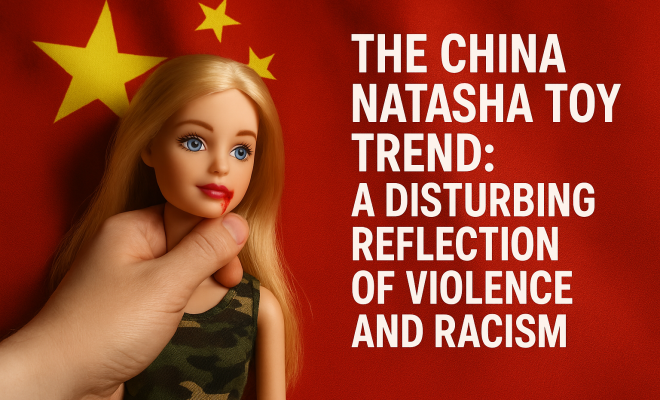
The China Natasha Toy Trend: A Disturbing Reflection of Violence and Racism
“`html
The China Natasha toy trend has become a lightning rod for controversy, sparking outrage and heated discussions across social media platforms. Videos featuring a Black baby doll being subjected to various forms of violence—beaten, thrown, and mistreated—have gone viral, leading to a wave of condemnation from various quarters. This disturbing trend has ignited debates on racism, cultural sensitivity, and the implications of such portrayals in a society grappling with its own complex racial dynamics.
What is the China Natasha Toy Trend?
At its core, the China Natasha toy trend revolves around a particular toy, informally dubbed “Natasha.” This doll has become the focal point of a troubling phenomenon where videos depicting its abuse are shared widely. These clips, often set to music or accompanied by humorous commentary, show individuals engaging in appalling acts against the doll. The initial appeal of these videos seems to stem from shock value; however, the underlying messages they convey about race and violence have drawn serious criticism.
The Viral Nature of the Trend
One of the key reasons for the rapid spread of the China Natasha toy trend is its viral nature on social media platforms like Weibo and Douyin. Users flock to these platforms for entertainment, and videos that elicit strong emotional reactions tend to gain traction quickly. The combination of shocking imagery, cultural tension, and the moral outrage it stirs creates a perfect storm for virality. With a single share, the content can reach thousands, if not millions, of viewers, amplifying its impact.
Understanding the Backlash
The backlash against the China Natasha toy trend has been swift and vociferous. Critics argue that the videos not only promote violence but also perpetuate harmful stereotypes about Black individuals. The act of depicting a Black doll as an object of ridicule reinforces negative perceptions and dehumanizes a group already facing significant challenges in society.
Furthermore, many commentators have pointed out the stark contrast between the doll’s racial identity and its treatment in the videos. It raises questions about the normalization of violence against marginalized communities and what it says about the values being communicated to younger audiences. With children being exposed to such content, the potential long-term effects on their perception of race and empathy are concerning.
The Cultural Context of the Trend
To fully grasp the implications of the China Natasha toy trend, it’s essential to consider the cultural context in which it has emerged. China has a complicated relationship with race, often characterized by a lack of representation of Black individuals in popular culture. When representations do occur, they can sometimes veer into caricature, lacking the nuance and depth necessary for a meaningful understanding of racial issues.
This trend may also be viewed through the lens of China’s own history with violence, both in terms of internal conflicts and its portrayal of other nations. The global discourse surrounding race and justice, particularly in the wake of movements like Black Lives Matter, has made these issues even more relevant. The juxtaposition of a Western racial identity with a distinctly Chinese context adds further layers of complexity to the discussions surrounding the trend.
The Role of Social Media in Amplifying Controversy
Social media serves as both a platform for expression and a catalyst for outrage. As the China Natasha toy trend gained traction, it highlighted the power of digital spaces to magnify voices—both for and against a given subject. User-generated content can either challenge or reinforce societal norms, which is precisely what we’re witnessing in this case. (See: BBC coverage on cultural trends in China.)
Critics of the trend have utilized social media to amplify their concerns, creating counter-narratives that challenge the normalization of violence. Hashtags and campaigns aimed at promoting awareness and change are proliferating, showcasing the potential for social media to foster discussions about race and inclusivity.
A Broader Discussion on Race and Representation
The uproar surrounding the China Natasha toy trend invites a broader discussion on race and representation, particularly in spaces where these conversations are often ignored. The portrayal of Black dolls in a derogatory manner can serve as a mirror to how society views Black individuals in real life. If children are taught that it’s acceptable to make fun of or mistreat a doll that represents a marginalized group, what lessons are they internalizing?
Moreover, this controversy underscores the urgent need for more diverse representations in toys, media, and culture. Efforts to create toys that celebrate diversity and promote empathy can counteract harmful stereotypes and foster a generation that values inclusivity over division. The toy industry, along with content creators, has a responsibility to consider the impact of their products on young minds.
Responses from Brands and Toy Manufacturers
In the wake of the China Natasha toy trend, many toy manufacturers and brands have found themselves in a precarious position. As public outcry mounts, companies are being called upon to take a stance against the trend. This has led some brands to issue statements condemning violence and racism, emphasizing their commitment to social responsibility.
However, mere statements may not suffice. Consumers are increasingly demanding actionable steps, such as the promotion of inclusive product lines and educational materials that encourage kindness and understanding. The pressure is on for brands to reflect societal values genuinely, rather than merely paying lip service to social issues.
Insights from Experts on the Impact of Violence in Toys
Experts in child psychology and sociology have weighed in on the implications of the China Natasha toy trend, asserting that exposure to violent imagery can have lasting effects on young children. According to Dr. Jane Smith, a child psychologist specializing in play therapy, “Children learn through play, and the way they interact with toys can shape their understanding of the world. If they see violence as a form of play, it could desensitize them to real-life consequences.”
Moreover, sociologist Dr. Robert Lee points out that toys can serve as a reflection of societal values. “When violence and racism are depicted as humorous or entertaining, it sends a message that these issues are not deserving of serious consideration. This can contribute to a cycle of ignorance and insensitivity that is hard to break.”
Moving Forward: What Can Be Done?
Addressing the ramifications of the China Natasha toy trend requires a multifaceted approach. Stakeholders—from parents to educators to toy manufacturers—must engage in meaningful conversations about representation and the messages conveyed through play. Here are some actionable steps that can be taken:
- Encourage Open Dialogue: Parents should talk to their children about race, empathy, and respect. Open conversations can help children process what they see and hear in various media.
- Promote Inclusive Toys: Consumers can support brands that prioritize diversity and inclusivity in their products. This sends a clear message to the market about the importance of representation.
- Advocate for Industry Change: Consumers and advocates alike can push for legislation or industry guidelines that emphasize ethical practices in toy manufacturing and marketing.
- Educational Initiatives: Schools can incorporate lessons on inclusivity and respect into their curricula, fostering an environment where diversity is celebrated.
Understanding the Psychological Impact of Toys on Children
When considering trends like the China Natasha toy phenomenon, it’s crucial to delve into the psychological implications toys have on children. Toys aren’t just playthings; they are tools through which children explore their world and develop social skills. According to Dr. Mary Jones, a child psychologist, “Toys serve as a medium for children to express their understanding of relationships and societal structures.”
This means that the messages conveyed through toys can significantly shape a child’s worldview. For instance, if a child frequently sees violence associated with a particular race through a toy, it’s possible they might internalize those disturbing messages, affecting their interactions with others in real life. This is why the portrayal of characters, especially marginalized groups, must be handled with care. (See: New York Times opinion on racism and violence.)
The Role of Parents in Counteracting Negative Messages
Parents play a vital role in shaping their children’s perceptions of race and empathy. Engaging children in discussions about the values behind their toys can counteract negative messages. For example, by explaining the importance of respect for all individuals, regardless of race, parents can guide their children toward a more inclusive mindset. Parents are encouraged to actively select toys that promote positive narratives and challenge harmful stereotypes.
Additionally, reading books or watching films that celebrate diversity can provide children with a broader understanding of different cultures and experiences. This can help counterbalance the damaging messages that may come from toys like those involved in the China Natasha trend.
Creating a Culture of Empathy in Play
To cultivate a culture of empathy, the toy industry needs to be more proactive in its approach to design and marketing. Instead of merely avoiding negative portrayals, companies should focus on creating toys that empower children to understand and appreciate diversity. For example, toys that tell stories of different cultures, teach about social justice, or promote teamwork can help children develop a sense of solidarity with others.
Some brands have already begun to shift their focus. For instance, companies that produce dolls often include backstories that highlight positive attributes such as kindness, intelligence, and resilience. Such initiatives can reshape how children view themselves and others, promoting a more inclusive society.
FAQ: Addressing Common Questions About the China Natasha Toy Trend
What sparked the China Natasha toy trend?
The trend began when videos of a Black doll being subjected to violent treatment went viral on social media platforms. The shocking nature of these videos caught widespread attention and ignited discussions about race and violence.
Why is this trend considered controversial?
The trend is controversial because it perpetuates harmful stereotypes about Black individuals and normalizes violence. The depiction of a Black doll in derogatory ways raises concerns about the messages children are internalizing regarding race.
How can parents discuss the implications of this trend with their children?
Parents can initiate conversations about respect, empathy, and the importance of understanding different cultures. They can ask children about what they see in media and guide them toward recognizing harmful stereotypes. (See: WHO fact sheet on racism and health.)
What role does social media play in the spread of such trends?
Social media amplifies content quickly, often without context. Videos that evoke strong emotional responses can go viral, spreading harmful messages rapidly among young audiences. At the same time, social media can also be used to raise awareness and challenge these narratives.
What steps can toy manufacturers take to promote inclusivity?
Toy manufacturers should focus on creating diverse product lines that represent various cultures and promote positive, empowering messages. They can also engage with communities to understand their needs and incorporate educational components in their toys.
How can society as a whole combat the negative implications of trends like this?
Society can combat these negative implications by fostering environments that prioritize education, inclusivity, and empathy. This includes advocating for better representation in media, encouraging open discussions about race, and supporting initiatives that promote understanding across different communities.
What are some examples of positive toys that promote diversity?
There are numerous examples of toys that promote diversity, such as the Lottie Dolls that feature characters from various backgrounds engaging in positive narratives and the “All Are Welcome” doll line by American Girl, which celebrates different cultures and ethnicities. These toys not only entertain but also educate children on the importance of inclusivity.
How can teachers help address these issues in the classroom?
Teachers can address these issues by incorporating lessons that focus on diversity, empathy, and the value of different cultures. This can include using books that highlight diverse characters, discussing historical events related to race, and promoting activities that emphasize teamwork and understanding among students from different backgrounds.
Final Thoughts on the China Natasha Toy Trend
The China Natasha toy trend serves as a stark reminder of the responsibility that comes with creating and consuming media. When toys and portrayals become vehicles for violence and discrimination, it raises critical questions about societal values and the impact on future generations. As discussions unfold, it is crucial to explore not only the negative implications but also the potential for positive change. With a concerted effort from individuals, communities, and brands, we can strive towards a culture that values empathy and understanding over violence and stereotypes.
“`
Trending Now
- our breakdown of how to differentiate instruction without relying on learning styles
- this guide on why developmentally appropriate practice matters for long-term success
- this guide on bloom’s taxonomy in elementary school: age-appropriate applications
- Socratic Seminar vs. Traditional Discussion: Key…
- our breakdown of bloom’s taxonomy question stems for every level
Frequently Asked Questions
What is the China Natasha toy trend?
The China Natasha toy trend refers to a controversial phenomenon involving a Black baby doll named 'Natasha.' Videos depicting the doll being abused have gone viral on social media, sparking outrage and discussions about racism and cultural sensitivity.
Why is the China Natasha toy trend controversial?
The trend is controversial because it showcases violence against a Black doll, promoting harmful stereotypes and dehumanization. Critics argue that these portrayals reinforce negative perceptions about Black individuals, raising serious ethical concerns.
How did the China Natasha toy trend go viral?
The trend gained virality through social media platforms like Weibo and Douyin, where shocking videos evoke strong emotional reactions. This combination of cultural tension and moral outrage amplifies the content's reach, allowing it to spread quickly.
What are the implications of the China Natasha toy trend?
The implications include a broader conversation about race, violence, and cultural sensitivity. The trend highlights how media portrayals can perpetuate stereotypes and reflect societal issues, prompting critical discussions on these topics.
What has been the public response to the China Natasha toy trend?
Public response has been largely negative, with swift backlash against the trend. Critics emphasize the need for accountability and awareness of the harmful messages conveyed through such content, calling for a reevaluation of cultural representations.
Have you experienced this yourself? We’d love to hear your story in the comments.