Google Nest Mini Retirement: 8 Reasons This Shift Matters
“`html
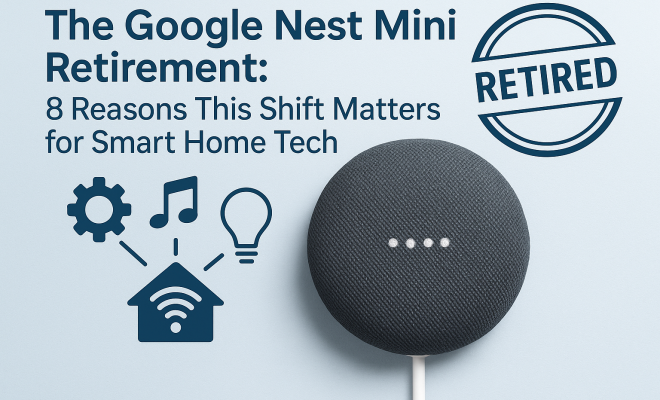
In a surprising move that has sent ripples through the smart home community, Google has officially announced the retirement of the Nest Mini. This compact smart speaker, which played a pivotal role in introducing many users to the world of voice-controlled technology, is now being phased out as the tech giant shifts its focus. Here are eight key reasons why the Google Nest Mini retirement is not just a product change, but a significant transformation in the broader landscape of smart home technology.
1. A Milestone in Smart Home Evolution
The retirement of the Nest Mini signifies a pivotal moment in the evolution of smart home devices. Launched in 2019 as a successor to the original Google Home Mini, the Nest Mini quickly became a favorite due to its affordability and functionality. With features like voice recognition, seamless integration with Google Assistant, and the ability to control a variety of smart devices, it became a staple for many households.
However, the tech world is ever-changing, and Google’s decision reflects a strategic pivot towards more advanced technologies. Users have increasingly demanded smarter, more integrated solutions that combine various functionalities—lighting, audio, and design—into cohesive outdoor living environments. As a response, Google appears to be reallocating resources and R&D efforts to cater to these emerging trends.
2. The Rise of Integrated Outdoor Living Solutions
As outdoor living spaces grow in popularity, the demand for integrated systems that blend aesthetics and technology has surged. Homeowners are no longer satisfied with standalone gadgets; they want a comprehensive system that enhances their outdoor experience. This trend has led tech companies to innovate products that combine sound, light, and ambiance into a single cohesive unit.
Google’s retirement of the Nest Mini indicates that they are likely shifting focus to this burgeoning market. By investing in products that cater to the complete outdoor experience, Google can tap into a lucrative segment that aligns with current consumer preferences. This strategic move also suggests a potential expansion of its product lineup to include more sophisticated solutions that integrate seamlessly with existing outdoor spaces.
3. Consumer Reactions: Shock and Disappointment
News of the Google Nest Mini retirement has sparked intense debate across social media platforms. Longtime fans of the device voiced their disappointment, emphasizing the Nest Mini’s role as an affordable entry point into the smart home ecosystem. Many users took to Twitter and forums to express their feelings, with some sharing their fond memories of how the device enhanced their daily lives.
The emotional response from consumers highlights the strong attachment many have developed to the Nest Mini. As a result, the announcement provoked a sense of urgency among users who rushed to purchase remaining stock or upgrade to newer models before potential price hikes. This reaction showcases the unique bond between users and their smart devices, often transcending mere functionality.
4. The Fear of Missing Out (FOMO)
The retirement of the Nest Mini has unleashed a classic case of FOMO among tech enthusiasts. As rumors circulated regarding the product’s discontinuation, many users scrambled to buy additional units, fearing they might miss out on a reliable and budget-friendly smart speaker.
This phenomenon is not uncommon in the tech world, especially when beloved products are retired. The fear of losing access to a popular device often leads to a rush to secure final stock, driving prices up on secondary markets. Retailers are now experiencing a surge in demand as consumers look to capitalize on the last chances to own a Nest Mini.
5. The Future of Google’s Smart Speaker Lineup
With the retirement of the Nest Mini, one can’t help but wonder what the future holds for Google’s smart speaker lineup. The company has yet to announce specific replacements for the retired model, but indications suggest they are developing more advanced devices that align with the evolving smart home landscape.
Future devices may feature enhanced capabilities, such as improved AI, better sound quality, and more integrated functions that cater to the desire for a connected smart home environment. This shift may also open the door for Google to expand into niche markets, offering tailored solutions for specific homeowner needs. (See: overview of smart home technology.)
6. Impact on the Competition
The Google Nest Mini retirement is bound to have rippling effects across the competitive landscape of smart speakers. With Google stepping back from a well-loved entry-level product, competitors such as Amazon and Apple may find opportunities to capture new users who are looking for alternatives.
Amazon’s Echo Dot and Apple’s HomePod Mini could benefit from this change, as consumers seeking budget-friendly options will look for comparable products. This shift could lead to increased competition and innovation among brands trying to fill the void left by the Nest Mini.
7. What’s Next for Google’s Smart Home Strategy?
As Google retires the Nest Mini, the company’s broader strategy in the smart home arena is coming into sharper focus. The architectural shift towards integrated systems signifies that Google is preparing to make significant advancements in the smart home experience.
Expect to see products that prioritize user experience through seamless connectivity and smart automation. Google may leverage its formidable resources to create an ecosystem that not only includes speakers but also encompasses lighting, security, climate control, and entertainment systems that communicate harmoniously with one another.
8. Conclusion: Embracing Change in Smart Tech
The retirement of the Google Nest Mini is a notable event in the tech industry, marking a significant shift in how companies approach smart home technology. While it may be disheartening for those who cherished the Mini, it paves the way for innovative and integrated solutions that will enhance our living spaces.
In an ever-evolving world where technology continues to reshape our environments, embracing change is crucial. As Google redirects its focus and resources, consumers can expect exciting advancements that align with the modern needs of smart home living. The Google Nest Mini may be gone, but it has undoubtedly left a lasting impact on how we interact with technology in our homes.
9. Understanding the Market Trends
The retirement of the Google Nest Mini is indicative of broader market trends within the smart home industry. According to a recent report by Statista, the global smart home market is projected to grow from $80 billion in 2022 to over $135 billion by 2025. This significant growth is driven by increasing consumer demand for smart devices that offer greater convenience, efficiency, and enhanced experiences.
With innovations like smart thermostats, smart locks, and integrated home security systems gaining traction, companies are motivated to shift their focus towards developing products that offer comprehensive solutions rather than standalone devices. Google’s decision reflects an understanding of these market trends, as they prioritize the development of products that align with long-term consumer preferences and technological advancements.
10. Expert Insights: What Industry Analysts Are Saying
Industry analysts have weighed in on the implications of the Google Nest Mini retirement. According to smart home technology expert, Dr. Lisa Chen, “Google’s shift from individual products to integrated solutions is a smart move, considering the current consumer demand for holistic smart home experiences.” She notes that consumers are eager for devices that not only perform well individually but also work together seamlessly.
Dr. Chen further emphasizes that this transition provides Google with an opportunity to innovate and differentiate itself from competitors. “By focusing on an integrated ecosystem, Google can leverage its existing technologies and partnerships to create truly unique offerings that appeal to a larger audience.” This perspective suggests that while the retirement of the Nest Mini may be disappointing for some, it could lead to more exciting and innovative products in the near future.
11. Comparative Analysis: Google Nest Mini vs. Competitors
With the Nest Mini being retired, it’s worth comparing it to its competitors. The Amazon Echo Dot, for instance, has similar functionalities but is often praised for its robust skill set and integration with third-party applications. The latest model even includes a clock display and better sound capabilities, catering to users looking for a multi-functional device.
On the other hand, Apple’s HomePod Mini emphasizes audio quality and privacy, appealing to users who prioritize sound and data security. Each product has its strengths, but the absence of the Nest Mini creates a gap that competitors are likely to fill quickly. This comparative analysis highlights the competitive landscape and the need for brands to adapt to consumer expectations continually. (See: recent trends in smart home devices.)
12. Frequently Asked Questions (FAQ)
What will happen to existing Google Nest Mini devices?
Existing Google Nest Mini devices will continue to function as normal. Users can still access all the features and functionalities, including Google Assistant support, until they decide to upgrade or replace their device.
Are there any replacements for the Google Nest Mini?
As of now, Google has not officially announced a direct replacement for the Nest Mini. However, they are expected to introduce more advanced devices that align with the new direction of their product lineup.
What features should I look for in a new smart speaker?
When considering a new smart speaker, look for features such as voice recognition, sound quality, compatibility with various smart home devices, and built-in virtual assistants. It’s also beneficial to find speakers that offer integration with other home automation systems.
Will the retirement of the Nest Mini affect the prices of similar devices?
It’s possible. The retirement of a popular product can lead to increased demand for available alternatives, which may drive prices up temporarily. Consumers may want to monitor prices closely if they’re considering purchasing a competitor’s product.
How does the Google Nest Mini compare to other smart speakers in terms of functionality?
The Google Nest Mini offers excellent functionality within the Google ecosystem, making it ideal for users already invested in Google services. While it may lack some of the advanced features of competitors like the Echo Dot, it remains an affordable and user-friendly option for many.
What should I do if I’m a current Google Nest Mini user?
If you’re a current user, there’s no need to panic. Continue to use your Nest Mini as you normally would. Keep an eye out for any announcements from Google regarding new product launches or software updates that may enhance your experience.
13. New Trends in Smart Home Technology
The retirement of the Nest Mini coincides with several growing trends in smart home technology. One such trend is the increasing popularity of voice-controlled devices that integrate advanced AI capabilities. Consumers are looking for devices that not only understand voice commands better but can also learn from user behavior to optimize their responses. For example, smart speakers that can adjust home lighting based on the time of day or manage thermostat settings based on user preferences are becoming the gold standard.
Another trend is the demand for enhanced privacy features. With growing concerns about data security, consumers are increasingly seeking devices that offer greater control over their personal information. This is pushing brands to prioritize privacy as a critical aspect of product development. Devices that provide transparent data usage policies and customizable privacy settings are likely to see a rise in popularity.
According to a survey by Deloitte, 45% of respondents stated that privacy concerns influenced their purchasing decisions in the tech category. As smart home devices become more ubiquitous, companies will need to navigate these challenges to build trust with their users.
14. The Role of Sustainability in Smart Home Devices
As environmental concerns continue to rise, sustainability is playing an increasingly important role in consumer purchasing decisions. Many consumers now prefer products that are energy-efficient, made from recyclable materials, or have minimal carbon footprints. This shift has prompted tech companies, including Google, to explore ways to reduce their environmental impact. (See: impact of technology on health.)
For instance, future smart devices may incorporate renewable materials and energy-efficient technology to appeal to eco-conscious consumers. Google’s shift away from the Nest Mini could lead to a new line of eco-friendly smart speakers designed to meet these demands.
Additionally, Google has launched initiatives to offset carbon emissions and minimize waste in their product lines. As a result, the company may leverage this retirement as an opportunity to align its future offerings with sustainability goals, capturing a growing segment of environmentally aware customers.
15. What Users Can Expect in Future Smart Speakers
As we look ahead, the landscape of smart speakers is likely to evolve rapidly. Users can expect future devices to include features that enhance interconnectivity with other smart home products. This means that users will be able to control everything from their blinds to their coffee makers through a single voice command, streamlining daily life even further.
Moreover, advances in machine learning and AI will likely lead to speakers that can understand context and intent better than ever. Imagine a scenario where your smart speaker knows you’re winding down for the evening and automatically dims the lights, plays calming music, and sets the thermostat to your preferred temperature. This level of personalization is where the industry appears to be heading.
Another possibility is the inclusion of multi-room audio capabilities that allow users to synchronize sound across multiple devices throughout their home. This will enable a more immersive listening experience, whether for music, podcasts, or audiobooks, making smart speakers a centerpiece of home entertainment systems.
16. Final Thoughts on Smart Home Evolution
The retirement of the Google Nest Mini may mark the end of an era for a beloved device, but it also signals a new chapter in the evolution of smart home technology. As manufacturers focus on creating integrated, user-friendly solutions that prioritize privacy and sustainability, consumers can look forward to exciting developments that enhance their everyday lives.
It’s a time for both reflection and anticipation. While the Nest Mini will be missed, its legacy will undoubtedly influence the next wave of smart speakers and home automation devices. Whether you’re a tech enthusiast or a casual user, the future promises advancements that will continue to transform how we interact with our homes and technology.
“`
Trending Now
- our breakdown of how to differentiate instruction without relying on learning styles
- read the full story
- this guide on bloom’s taxonomy in elementary school: age-appropriate applications
- this guide on socratic seminar vs. traditional discussion: key differences
- our breakdown of bloom’s taxonomy question stems for every level
Frequently Asked Questions
Why is Google retiring the Nest Mini?
Google is retiring the Nest Mini to focus on more advanced technologies and integrated solutions that meet the evolving demands of smart home users. This shift reflects a strategic pivot towards creating cohesive systems that blend aesthetics and functionality, particularly in outdoor living spaces.
What does the retirement of the Nest Mini mean for smart home technology?
The retirement of the Nest Mini signifies a major transformation in smart home technology, highlighting a shift towards integrated systems that combine various functionalities. This change indicates that tech companies will prioritize products that enhance user experiences in outdoor environments.
What features made the Nest Mini popular?
The Nest Mini gained popularity for its affordability, voice recognition capabilities, and seamless integration with Google Assistant. It allowed users to control various smart devices easily, making it a staple in many households since its launch.
How will Google's focus shift after Nest Mini's retirement?
After retiring the Nest Mini, Google is expected to redirect its resources towards developing advanced smart home technologies that cater to integrated outdoor living solutions. This includes creating products that combine sound, light, and ambiance into cohesive systems.
What trends are influencing the future of smart home devices?
Current trends in smart home devices are leaning towards integrated solutions that enhance outdoor living experiences. Homeowners are seeking comprehensive systems that combine multiple functionalities, prompting tech companies to innovate beyond standalone gadgets.
What did we miss? Let us know in the comments and join the conversation.