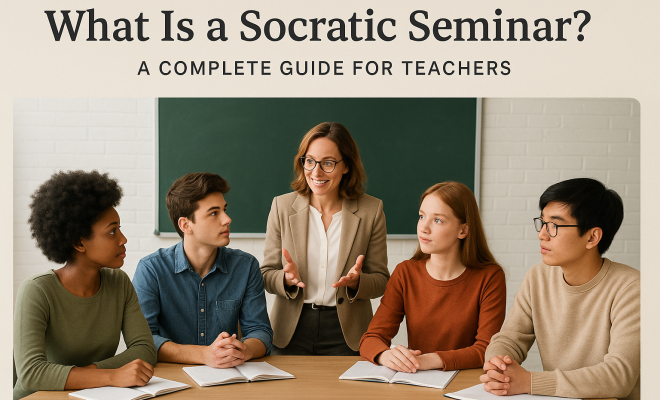
What Is a Socratic Seminar? A Complete Guide for Teachers
“`html
Introduction to Socratic Seminars
If you’re venturing into the world of critical thinking and dialogue-based learning, you’ve likely encountered the term “Socratic seminar.” This method, rooted in the teachings of the ancient Greek philosopher Socrates, encourages students to engage in deep discussions about a text or topic. But what exactly does this entail? In this Socratic seminar guide, we will explore the intricacies of this educational technique, its historical significance, implementation strategies, and why it remains relevant in today’s classrooms.
The Origins of the Socratic Seminar
The Socratic seminar is named after Socrates himself, who believed that the best way to stimulate critical thinking was through dialogue. Rather than lecturing, Socrates would engage his students by asking probing questions, leading them to discover answers for themselves. This method was not merely about finding the right answer; it was about understanding the process of inquiry and dialogue.
In the 20th century, educational theorists adapted Socratic methods into classroom practices, aiming to foster a deeper understanding of subjects through collaborative dialogue. The seminar format serves as a structured yet flexible approach that encourages students to think critically, articulate their thoughts, and listen to others.
Key Components of a Socratic Seminar
To effectively conduct a Socratic seminar, several key components must be understood and incorporated. Here are the foundational elements:
- Open-Ended Questions: The heart of any Socratic seminar lies in its questions. These should be designed to provoke thought and encourage discussion rather than elicit simple yes or no answers.
- Textual Evidence: Participants should refer to a specific text or material, using it as a foundation for their discussion. This ensures that the dialogue remains grounded in substantive content.
- Active Listening: Students must not only express their views but also listen to their peers. This is crucial for creating a respectful and constructive dialogue.
- Facilitator Role: While the teacher is not the primary speaker, their role is to facilitate the discussion, guiding students and ensuring respectful exchanges.
Preparing for a Socratic Seminar
Preparation is key to a successful Socratic seminar. Here are some practical steps educators can take to ensure their seminar runs smoothly:
- Selecting the Text: Choose a text that is rich in themes and ideas. It should be complex enough to inspire debate but accessible to students.
- Creating Questions: Develop a list of open-ended questions that encourage exploration of the text. These should challenge students to think critically and express their interpretations.
- Setting Ground Rules: Establish guidelines for respectful dialogue, such as waiting for others to finish speaking and addressing peers directly.
- Format Decisions: Decide whether the seminar will take place in a circle, around desks, or in another format that promotes engagement.
Implementing the Socratic Seminar
Once the preparation is in place, it’s time to implement the seminar. Here are some strategies for making it effective:
- Begin with a Hook: Start the seminar with a thought-provoking question or statement. This can grab students’ attention and set the tone for discussion.
- Encourage Participation: Use techniques to draw quieter students into the conversation, such as directed questions or smaller breakout discussions.
- Monitor Dialogue: As the facilitator, keep an eye on the flow of conversation. Ensure that students remain on topic and engage with one another’s ideas.
- Use Think-Pair-Share: Before diving into group discussion, have students think individually, then pair up to share thoughts before bringing them to the larger group.
Assessing Student Participation
Assessing student engagement and understanding during a Socratic seminar can be challenging. However, there are several methods to effectively evaluate their participation:
- Observation: Take notes on student contributions, noting the quality of their insights, how well they support their ideas with textual evidence, and their interactions with peers.
- Self-Assessment: Have students reflect on their performance after the seminar. This encourages them to think critically about their contributions and areas for improvement.
- Peer Feedback: Allow students to provide constructive feedback to one another, promoting a sense of community and shared learning.
Common Challenges and Solutions
While Socratic seminars can be incredibly rewarding, they also come with challenges. Here are some common issues teachers might face, along with potential solutions: (See: Socratic method on Wikipedia.)
- Dominating Voices: Some students may dominate the conversation, leaving others with little space to contribute. To counter this, implement a talking stick or a timed speaking format to ensure everyone has a chance to share.
- Lack of Engagement: If students seem disinterested or disengaged, consider revising the text or questions to better resonate with their interests and experiences.
- Difficulty with Open-Ended Questions: Some students may struggle to formulate responses to complex questions. Providing sentence starters or frameworks can help guide their thinking.
The Benefits of Socratic Seminars
The advantages of incorporating Socratic seminars into your teaching practice are numerous. Here are just a few:
- Enhanced Critical Thinking: Students learn to analyze and evaluate arguments, fostering higher-order thinking skills.
- Improved Communication Skills: Engaging in dialogue helps students articulate their thoughts clearly and respectfully.
- Increased Engagement: Discussing interesting texts and ideas can spark students’ curiosity and motivation to learn.
- A Sense of Community: Socratic seminars encourage collaboration and respect, building a positive classroom culture.
Current Relevance of the Socratic Seminar
In an age dominated by information overload and rapid communication, the skills fostered by Socratic seminars are more relevant than ever. With the rise of social media and diverse perspectives, the ability to engage thoughtfully and respectfully in dialogue is crucial. Socratic seminars empower students to listen, analyze, and respond to differing viewpoints, preparing them for active participation in society.
Furthermore, as educators increasingly focus on social-emotional learning, the principles of the Socratic seminar align well with fostering empathy, respect, and collaboration among students.
Expanding the Socratic Seminar: Types and Variations
While the traditional Socratic seminar format is effective, there are several variations that can be introduced to cater to different classroom environments and learning objectives. Here are some notable types:
Fishbowl Discussions
In this variation, a small group of students sits in an inner circle (the “fishbowl”) while the rest of the class observes from an outer circle. This format allows for focused discussion among a few while the rest of the class attentively listens. After a set period, roles can be reversed, giving everyone a chance to participate in the dialogue. Fishbowl discussions can be particularly useful for analyzing controversial subjects, as they allow for a more intimate exchange of ideas.
Online Socratic Seminars
With the advent of technology, online Socratic seminars have become increasingly popular. Platforms like Google Classroom or Zoom can facilitate discussions, allowing students to engage with peers who might not be in the same physical location. This format encourages students to express their thoughts in writing, which can be beneficial for those who may feel more comfortable articulating their ideas digitally. Educators can also record these sessions for review and reflection.
Modified Socratic Seminars
In cases where students may struggle with the traditional format, a modified approach can be beneficial. This could involve using visual aids, such as charts or role-playing scenarios, to help students engage with the text and each other. Modified seminars can also include structured roles, such as summarizers or questioners, helping to guide the discussion and provide support for less confident participants.
Statistics and Research Supporting Socratic Seminars
Numerous studies have shown the effectiveness of Socratic seminars in enhancing student learning and engagement. A survey conducted by the National Education Association found that classrooms employing discussion-based learning methods, including Socratic seminars, report a 20% increase in student participation compared to traditional lecture-based formats. (See: Harvard University resources.)
Additionally, research from the Educational Leadership journal indicated that students exposed to Socratic methods demonstrated a 30% improvement in critical thinking skills over a six-month period. These findings underscore the value of incorporating dialogue and inquiry into the classroom, suggesting that Socratic seminars not only engage students but also significantly enhance their cognitive abilities.
Expert Perspectives on Socratic Seminars
Experts in educational theory and practice often emphasize the importance of Socratic seminars. Dr. Linda Darling-Hammond, a prominent educator, argues that dialogue is essential for developing critical thinking and social-emotional skills. She suggests that, “The ability to discuss ideas respectfully and thoughtfully prepares students not just for academic success but for life beyond the classroom.” Her perspective resonates with many educators who believe that the skills learned in Socratic seminars are transferable to real-world situations.
Additionally, Dr. Richard Paul, founder of the Foundation for Critical Thinking, asserts that Socratic questioning helps students develop the habit of reflective thinking. He states, “To think critically is to think about thinking, and that requires practice in dialogue. Socratic seminars are one of the best practices to hone that skill.” Such endorsements highlight the alignment of Socratic seminars with broader educational goals of fostering critical, reflective, and engaged learners.
FAQ: Socratic Seminars
To help you better understand Socratic seminars, here are some frequently asked questions:
What age group is best suited for Socratic seminars?
Socratic seminars can be adapted for various age groups, from elementary through higher education. However, they are most effective with older students who have developed some foundational skills in analytical thinking and communication.
How do I choose the right text for a Socratic seminar?
Selecting a text that is rich in themes, challenges students’ thinking, and is relevant to their experiences is key. Literary works, current events articles, and philosophical texts are all excellent choices that can spur engaging discussions.
What if students are reluctant to participate?
Encouraging participation can sometimes be a challenge. Start with small group discussions or pair work to build confidence. Gradually increase the size of the group discussions as students become more comfortable expressing their thoughts.
Can Socratic seminars work in online learning environments?
Absolutely! Online Socratic seminars can be highly effective. Utilizing platforms that allow for chat functions, video discussions, and collaborative documents can enhance engagement and participation among students who may be hesitant to speak up in a traditional setting. (See: CDC on educational practices.)
How can I assess student understanding in a Socratic seminar?
Assessment can be conducted through observation, self-reflection, and peer feedback. Teachers can create rubrics that focus on participation, quality of contributions, and use of textual evidence, allowing for comprehensive assessment of student understanding.
Challenges in Facilitating Socratic Seminars
While Socratic seminars are a valuable educational tool, they come with their own set of challenges. Understanding these obstacles can prepare educators to navigate them more effectively.
- Time Constraints: One significant challenge is the limited time available for rich discussions. Socratic seminars often require longer periods to allow for in-depth exploration of ideas. Educators may need to adapt their schedules or integrate these discussions into longer units of study.
- Varying Levels of Understanding: Students come with differing levels of preparedness and understanding of the material. Teachers can mitigate this by providing background information or conducting preliminary discussions to level the playing field.
- Resistance to Vulnerability: Some students may feel uncomfortable sharing their thoughts in front of peers. Creating a safe environment where it’s okay to make mistakes or express uncertainty can encourage more open dialogue.
Enhancing Engagement in Socratic Seminars
To maximize the effectiveness of Socratic seminars, consider these tailored strategies that focus on enhancing engagement:
- Incorporate Multimedia: Use videos or podcasts related to the text to stimulate interest and discussion. Visual or auditory elements can provide alternative perspectives and enhance comprehension.
- Introduce Role-Playing: Encourage students to adopt different viewpoints or personas related to the seminar topic. This technique can foster empathy and deeper understanding of complex issues.
- Utilize Technology: In addition to online platforms, tools like Padlet or Flipgrid can allow students to post thoughts before the seminar, creating a base for discussion and making quieter students more comfortable participating.
Real-World Applications of Socratic Seminars
Socratic seminars extend beyond the classroom and can prepare students for various real-world situations. Here are a few applications:
- Workplace Collaboration: Many careers require teamwork and collaborative problem-solving. Skills honed in Socratic seminars, like critical thinking and respectful dialogue, are essential for effective group work.
- Community Engagement: Involvement in civic discussions and community forums requires the same skills practiced in Socratic seminars. Students learn to articulate their opinions and listen to others, preparing them for active citizenship.
- Debate and Advocacy: Understanding varying perspectives is crucial in debates and advocacy work. The ability to discuss and reason through disagreements equips students for roles in organizations or initiatives they feel passionate about.
Conclusion: Cultivating a Culture of Inquiry
In summary, the Socratic seminar is a powerful educational tool that encourages inquiry, dialogue, and critical thinking. By implementing the strategies outlined in this Socratic seminar guide, teachers can create engaging and thought-provoking environments for their students. As you embark on this journey, remember that the goal is not to reach a definitive answer but to cultivate a culture of inquiry where students feel empowered to explore, question, and grow.
“`
Trending Now
Frequently Asked Questions
What is the purpose of a Socratic seminar?
The purpose of a Socratic seminar is to foster critical thinking and deep dialogue among students. By engaging in discussions based on open-ended questions and textual evidence, students learn to articulate their thoughts, listen to differing perspectives, and collaboratively explore complex ideas.
How do you conduct a Socratic seminar?
To conduct a Socratic seminar, start with open-ended questions related to a text. Ensure participants refer to the text for evidence, encourage active listening, and facilitate a respectful dialogue. The goal is to create an environment where students feel comfortable sharing and challenging ideas.
What are key components of a Socratic seminar?
Key components of a Socratic seminar include open-ended questions, textual evidence, active listening, and a respectful dialogue format. These elements ensure that the discussion remains engaging, grounded in content, and promotes critical thinking among participants.
Why are Socratic seminars important in education?
Socratic seminars are important in education because they develop critical thinking skills, encourage collaborative learning, and enhance students' ability to articulate their thoughts. This method promotes deeper understanding of subjects through dynamic dialogue and inquiry-based learning.
What historical significance does the Socratic seminar have?
The Socratic seminar is rooted in the teachings of Socrates, who emphasized dialogue as a means to stimulate critical thinking. Its historical significance lies in its adaptation by 20th-century educators to promote collaborative inquiry, making it a lasting method in modern classrooms.
What’s your take on this? Share your thoughts in the comments below — we read every one.