Parents Tracking Adult Children: Safety vs. Privacy in 2024
“`html
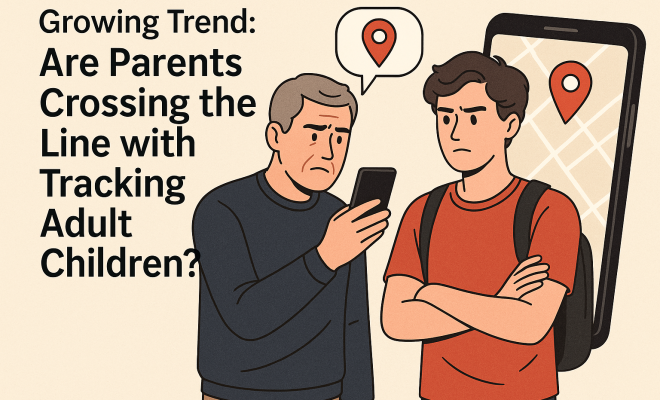
In recent years, a striking trend has emerged among parents of adult children: the increasing use of smartphone tracking apps. A report reveals that more than half of parents with children aged 18 to 25 are employing these tools to keep tabs on their offspring. While some view tracking adult children as a practical measure for safety, others raise concerns about privacy, autonomy, and the evolving dynamics of parental control. This issue taps into a broader cultural conversation about where parental responsibility ends and adult independence begins.
The Rise of Tracking Apps
Smartphone tracking apps are no longer just a tool for worried parents of minors. As young adults navigate a world that can be unpredictable and unsafe, parents are increasingly turning to technology to ensure their kids are safe. According to a recent University of Michigan survey, over 50% of parents of 18 to 25-year-olds admitted to tracking their children using various apps. This statistic isn’t just alarming for the adult children involved; it sparks a significant discussion around privacy and trust.
Tracking apps like Life360, Find My, and Google Maps allow parents to monitor their adult children’s locations in real time. These tools can provide peace of mind, especially in urban environments or for children who frequently travel for work or education. However, the implications of this monitoring are profound and multi-faceted. It raises questions not only about safety but also about the nature of the parent-child relationship in an age where technology facilitates constant connectivity.
The Safety Argument
Supporters of tracking adult children often frame the conversation around safety. Many parents argue that using these apps is simply a responsible measure to ensure their children’s well-being. For instance, if an adult child goes out for a night in a bustling city, a parent might feel more at ease knowing they can check in on their location. In the wake of high-profile criminal cases and rising concerns over safety, this rationale can feel particularly justified.
For parents who have experienced anxiety or fear about their child’s safety, these tracking apps can serve as a digital safety net. They can provide reassurance, especially for parents who are accustomed to being involved in their children’s lives. The psychological comfort that comes with knowing a child is safe can be a compelling motivator for many parents, driving them to adopt such invasive measures.
The Autonomy Perspective
On the flip side, adult children are voicing their concerns about being tracked. Many see this practice as an infringement on their autonomy and independence. The transition from adolescence to adulthood is marked by a struggle for independence, and many young adults feel that constant monitoring undermines their ability to make decisions and live freely. This sentiment is particularly strong among those who value privacy and personal space.
Critics argue that tracking adult children can create a dynamic of mistrust. If parents feel the need to monitor their adult child’s movements, it can signal a lack of faith in their ability to make sound choices. This can lead to strained relationships, with young adults feeling suffocated by their parents’ concerns. The question then arises: how can parents foster trust while also being concerned for their children’s safety?
Technological Trust vs. Personal Trust
The crux of the issue lies in the balance between technological trust and personal trust. While technology provides a way for parents to feel secure, it may come at the expense of fostering confidence in their children’s decision-making abilities. When parents choose to use apps to track their adult children, they may unintentionally communicate that they do not trust their children to make safe choices.
Building trust is essential for healthy relationships, especially as children transition into adulthood. Parents need to ask themselves whether tracking is a genuine attempt to ensure safety or a manifestation of their own anxieties. Open communication can often provide a more effective solution than surveillance. Parents should engage in honest conversations with their adult children about their concerns, allowing for a mutual understanding rather than constant monitoring.
What Do Experts Say?
Experts in child psychology and family dynamics highlight the importance of maintaining a healthy balance between safety and independence. Dr. Jennifer Hartstein, a child psychologist, explains, “While the instinct to protect our children is strong, especially in a world that feels increasingly dangerous, we must also recognize the importance of fostering independence. Trust is foundational to a healthy parent-child relationship.”
Additionally, Dr. Hartstein points out that over-monitoring can lead to increased anxiety in both parties. Parents may find themselves constantly checking their apps, which can lead to more stress, while adult children may feel they are under a microscope. The emotional toll on both sides can be substantial, making it crucial for families to navigate this issue thoughtfully. (See: Youth Risk Behavior Surveillance.)
Alternatives to Tracking
For parents looking to ensure their adult children’s safety without infringing on their independence, several alternatives exist. Establishing check-in protocols can be an effective way to maintain communication. For example, parents and their adult children can agree on times to touch base, whether through calls or texts. This allows parents to stay informed without resorting to constant tracking.
Additionally, encouraging young adults to share their plans can build mutual trust. If an adult child is going out, they can communicate their intentions, which creates a dialogue rather than a surveillance system. This method enables parents to feel involved in their children’s lives while respecting their autonomy.
Legal and Ethical Considerations
The use of tracking apps raises important legal and ethical questions. Consent is a critical factor; while parents may feel justified in tracking their adult children, it’s essential to consider whether their children are comfortable with this arrangement. Some jurisdictions have laws regarding privacy and surveillance that could complicate the situation further.
Moreover, parents must consider the potential consequences of their actions. Tracking apps can sometimes lead to unintended consequences, such as fostering a sense of paranoia in adult children or damaging the trust that has been built over years. Parents should carefully weigh the benefits of tracking against the potential strains it could place on their relationships.
Real Stories from Parents and Adult Children
To understand the emotional weight of this issue, let’s share some real-life perspectives. Sarah, a 22-year-old college student, shared her experience: “My mom uses Life360 to keep track of me, and while I understand she cares, it feels like she doesn’t trust me. I’m an adult, and I want to make my own choices without feeling monitored like a child. It’s a constant reminder that she doesn’t believe I can take care of myself.”
Conversely, Tom, a father of two young adults, explained his rationale: “I started using a tracking app because I worried about my daughter coming home late at night after studying in the library. I thought I was doing the right thing, but I didn’t realize how much it affected our relationship. I’ve since talked to her about it, and we’re working on finding a balance.”
Finding the Right Balance
Ultimately, the challenge lies in finding the right balance between ensuring safety and respecting the autonomy of adult children. Parents should strive to create an environment where open communication is prioritized over surveillance. Encouraging independence while keeping lines of communication open can foster a healthier relationship.
As technology continues to evolve, it will be essential for parents to adapt their approaches to meet the changing needs of their children. Understanding that adult children are not just extensions of their parents but individuals with their own lives, decisions, and responsibilities can lead to a more respectful dynamic.
Tracking Adult Children: The Statistics
Statistics further illuminate the trend of tracking adult children. A 2022 survey conducted by the Pew Research Center found that 58% of parents of adult children reported using tracking apps, up from 45% in 2018. This rise correlates with increasing parental anxiety regarding safety issues, including crime rates and mental health crises among young adults. Interestingly, the survey revealed that 43% of adult children reported feeling uncomfortable with their parents tracking them, highlighting a disconnect between parental intentions and children’s feelings.
The survey also indicated that 70% of parents believe tracking their adult children enhances safety, while only 30% of adult children agree. This discrepancy emphasizes the need for a dialogue about mutual concerns and understanding. Parents might be surprised to learn that their adult children view tracking as an invasion rather than a safeguard.
Understanding the Impact of Social Media
In the age of social media, tracking adult children has taken on a different dimension. Many young adults share their locations, activities, and experiences on platforms like Instagram and Snapchat, making traditional tracking apps seem redundant. Yet, this sharing raises its own set of concerns regarding privacy and oversharing. Parents often struggle with the idea that their children might share too much information online, making them targets for unwanted attention or even danger.
As social media continues to play a significant role in the lives of young adults, parents must navigate the balance between encouraging healthy digital footprints and respecting privacy. Open discussions about social media usage can help parents understand their children’s online world and provide guidance without the need for invasive tracking methods. (See: The rise of tracking apps.)
The Generational Divide
There’s also an interesting generational divide at play when it comes to tracking adult children. Many parents grew up in a time when communication was less instant, and concerns about safety were often addressed without the aid of technology. This generational perspective can lead to differing views on what is acceptable in terms of monitoring. Parents may feel they are protecting their children by using technology, while adult children may see it as an outdated approach that doesn’t respect their maturity and independence.
Experts suggest that both sides can benefit from understanding these generational differences. For parents, acknowledging that today’s young adults have different values regarding privacy can help bridge the divide. For adult children, recognizing their parents’ intentions often stem from love and concern can lead to more productive conversations about boundaries and trust.
Building Digital Trust
So, how can families build digital trust? One effective strategy is to establish clear boundaries regarding technology use and privacy. Parents can involve their adult children in discussions about what type of monitoring is acceptable, emphasizing that the goal is safety, not control. This collaborative approach can help set guidelines that both parties agree upon.
Additionally, parents can encourage responsible tech use by modeling healthy behaviors. For instance, if parents avoid constantly checking their adult children’s locations or over-communicating, it sets a tone of mutual respect. Sharing experiences related to safety—like discussing a close call or a situation that made them uncomfortable—can also foster understanding and empathy.
Frequently Asked Questions (FAQ)
What are the best tracking apps for adult children?
Some popular tracking apps include Life360, Google Maps, and Find My. These apps allow you to share locations in real time while offering safety features like emergency alerts.
How can I talk to my parents about not wanting to be tracked?
Open communication is key. Consider explaining your feelings about privacy and independence. You could suggest alternatives, like regular check-ins, that allow you to maintain your autonomy while still keeping your parents informed.
Are there legal issues with tracking adult children?
Yes, legal considerations can vary by location. While parents may believe they have the right to track their adult children, it is important to ensure that consent is obtained and that privacy laws are respected.
Can tracking apps affect my relationship with my parents?
Yes, relying on tracking apps can create tension if not discussed openly. It’s important to address feelings of mistrust and work towards finding a balance that respects both safety concerns and personal independence.
How do I ensure my safety without being tracked?
Establish a routine for checking in with your parents and share your plans when going out. This fosters communication and transparency without compromising your privacy.
Understanding Emotional Reactions
Emotional responses to tracking vary widely between parents and adult children. For many parents, the instinct to track comes from love and deep-seated worries about their children’s safety in a world that can feel increasingly perilous. On the flip side, adult children often perceive this behavior as a lack of faith in their capabilities, leading to feelings of resentment and frustration.
Parents may not be aware of the emotional toll their tracking can have on their adult children. Open conversations about feelings can help both parties understand the underlying motivations and anxieties that fuel their reactions. Acknowledging these emotions can pave the way for a more empathetic approach to the topic.
Potential Mental Health Impacts
The mental health implications of tracking adult children are significant. Constant monitoring can contribute to feelings of anxiety and stress for both parties. Adult children may feel pressured to conform to their parents’ expectations of safety, which can lead to anxiety about making independent choices. Similarly, parents may experience heightened anxiety as they continuously check their apps, fearing for their child’s safety.
Establishing boundaries around tracking may be beneficial for mental health. When both parents and adult children discuss their feelings openly, they create an environment where both parties feel safe and respected. This dialogue can also help in developing a mutual understanding of the risks and responsibilities that come with adult independence.
Creating a Trust Pact
Another innovative approach is to create a “trust pact.” This agreement involves both parties discussing their boundaries and expectations regarding tracking and safety. By writing down their commitments, both parents and adult children can feel more accountable and respected. This pact could include agreements on when and why tracking will be used, as well as a commitment to regular check-ins and discussions about safety.
Involving adult children in this process not only empowers them but also strengthens trust. This collaborative approach can lead to a deeper understanding of each other’s fears and expectations, reducing the likelihood of misunderstandings and resentment.
Looking to the Future: Technology and Parenting
As technology continues to advance, we can expect new tools to emerge that help address safety without compromising autonomy. Innovations like geofencing, which sends alerts when someone enters or exits a designated area, could provide a middle ground for concerned parents and independent adult children. This technology could allow for monitoring in a less invasive, more respectful manner.
Additionally, as awareness grows around the ethical implications of tracking, more apps are likely to incorporate features that prioritize user consent and transparency. Parents and adult children alike will benefit from such advancements, as they offer a way to maintain safety while honoring personal privacy.
Conclusion: Trust is Key
As we navigate the complexities of modern parenting, the issue of tracking adult children remains a hot topic. While safety is a significant factor, it’s crucial to remember that trust is the foundation of any healthy relationship. Parents who choose to monitor their adult children must consider the implications of their actions carefully, engaging in open conversations that promote understanding rather than control. The ultimate goal should be to ensure safety while also fostering independence, allowing young adults to thrive in a world that can often feel overwhelming.
“`
Trending Now
Frequently Asked Questions
Is it legal for parents to track their adult children?
Yes, it is generally legal for parents to track their adult children, especially if the adult has consented to the tracking. However, laws vary by location, and concerns about privacy and autonomy should be considered.
What are the pros and cons of tracking adult children?
The pros include enhanced safety and peace of mind for parents, while the cons involve potential violations of privacy and autonomy for adult children, leading to strained family relationships.
How many parents track their adult children?
Recent studies indicate that over 50% of parents with children aged 18 to 25 use smartphone tracking apps to monitor their adult offspring, reflecting a growing trend in parental oversight.
What are popular apps for tracking adult children?
Popular apps for tracking adult children include Life360, Find My, and Google Maps. These applications allow parents to monitor their children's locations in real time, providing a sense of security.
Does tracking adult children impact their independence?
Yes, tracking can impact an adult child's sense of independence. It may foster feelings of distrust and resentment, complicating the parent-child relationship as it blurs the lines between care and control.
Have you experienced this yourself? We’d love to hear your story in the comments.