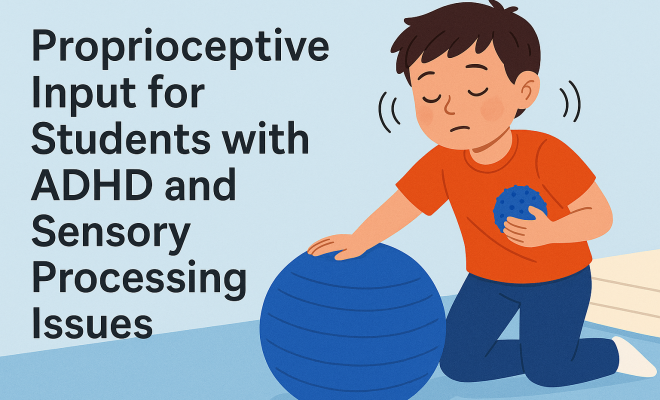
Proprioceptive Input for Students with ADHD and Sensory Processing Issues
“`html
Understanding the complex realm of sensory processing is a vital aspect of supporting students diagnosed with ADHD and sensory processing issues. One of the most critical components in this discussion is the concept of proprioceptive input ADHD. This term refers to the sensory information received from the body’s muscles and joints and how that information is processed in relation to movement, balance, and body awareness. This article will explore the significance of proprioceptive input, its impact on students with ADHD, effective strategies for incorporating proprioceptive activities in educational settings, and expert insights into the current research surrounding sensory processing.
What is Proprioception?
Proprioception is often described as the “sixth sense.” It encompasses the body’s ability to perceive its own position and movement in space through sensory receptors located in the muscles, tendons, and joints. This sensory input is crucial for coordinating movement, maintaining balance, and achieving spatial awareness.
For students, especially those with conditions like ADHD, proprioceptive input plays a significant role in daily functioning and academic performance. Children with ADHD often experience difficulty in processing sensory information, which can lead to challenges in focusing, remaining still, or engaging effectively in classroom activities. Understanding proprioception helps educators and parents recognize how sensory input can be utilized to enhance learning experiences.
The Connection Between Proprioception and ADHD
Research has shown that many children with ADHD often exhibit sensory processing issues. These can manifest as over-responsiveness or under-responsiveness to sensory stimuli, impacting their ability to engage in activities. Proprioceptive input can help bridge the gap between sensory experiences and cognitive functioning.
For instance, proprioceptive activities can calm hyperactive behaviors or provide stimulation for children who appear lethargic. This is because proprioceptive activities can help regulate the nervous system, resulting in improved attention and focus. Engaging in activities that provide proprioceptive input can help students with ADHD feel more grounded and present, making it easier for them to navigate the learning environment.
Identifying Proprioceptive Needs in Students
Recognizing proprioceptive needs in students with ADHD can be challenging. However, some common behaviors can indicate a need for proprioceptive input. These may include:
- Constant fidgeting or moving in one’s seat
- Difficulty with spatial awareness, such as bumping into objects or people
- Seeking out heavy work, such as lifting, pushing, or pulling objects
- Showing signs of frustration or anxiety when asked to sit still
- Engaging in repetitive motor movements, such as rocking or bouncing
By observing these behaviors, educators can tailor sensory activities to meet the needs of their students more effectively. Collaborating with occupational therapists can also provide valuable insights into implementing proprioceptive strategies in the classroom.
Effective Proprioceptive Activities for the Classroom
Implementing proprioceptive activities in the classroom can be both impactful and enjoyable for students. Here are some effective strategies:
1. Heavy Work Activities
Activities that require students to push, pull, lift, or carry heavy objects can provide excellent proprioceptive input. Simple tasks such as moving chairs, carrying books, or participating in group projects that involve lifting can be integrated into the school day. (See: CDC ADHD guidelines.)
2. Movement Breaks
Incorporating short movement breaks into the daily schedule can help students release excess energy and improve focus. Activities such as jumping, stretching, or participating in a quick dance can invigorate students and enhance their learning experience.
3. Sensory Integration Stations
Creating designated sensory integration stations within the classroom allows students to engage in proprioceptive activities when they feel the need. These stations can include weighted blankets, resistance bands, or therapy balls that students can use during quiet time or as a break.
4. Yoga and Mindfulness
Yoga poses and mindfulness practices offer unique opportunities for proprioceptive input. By focusing on body awareness and controlled movements, students can develop a better sense of their bodies in space, which can be particularly beneficial for those with ADHD.
5. Outdoor Activities
Outdoor play provides natural opportunities for proprioceptive input. Activities such as climbing, running, or playing on playground equipment allow students to engage with their environment actively while receiving the necessary sensory feedback.
Benefits of Proprioceptive Input
Incorporating proprioceptive input into the daily routines of students with ADHD offers numerous benefits:
- Improved Attention: Engaging in proprioceptive activities can help students regulate their attention spans, making it easier for them to focus on tasks.
- Enhanced Self-Regulation: Proprioceptive activities can support students in recognizing and managing their emotional responses, leading to better self-control.
- Increased Body Awareness: Students develop a stronger sense of their bodies and spatial awareness, which can reduce instances of clumsiness or accidents.
- Boosted Confidence: Mastering proprioceptive activities can enhance students’ self-esteem and confidence in their physical abilities.
- Social Interaction: Group activities that incorporate proprioceptive input can foster social skills and collaboration among peers.
Expert Perspectives on Proprioceptive Input
Experts in occupational therapy and education emphasize the importance of proprioceptive input for students with ADHD. According to Dr. Lucy Miller, an occupational therapist and founder of the Sensory Processing Disorder Foundation, “Providing sensory-rich environments tailored to a child’s specific needs can significantly enhance their learning experiences.”
Furthermore, Dr. Miller highlights that “proprioceptive input is often overlooked in traditional educational settings,” urging educators to become more attuned to the sensory needs of their students.
In addition to occupational therapists, special education teachers can play a vital role in recognizing the benefits of sensory integration in the classroom. By collaborating with specialists, they can develop individualized sensory plans that address specific proprioceptive needs, enabling a more inclusive learning environment.
Current Research and Trends
Recent studies have shed light on the positive effects of proprioceptive activities on children with ADHD and sensory processing issues. For instance, a 2022 study published in the Journal of Attention Disorders examined the impact of movement-based interventions on children diagnosed with ADHD. The results indicated that children who participated in regular proprioceptive activities displayed marked improvements in attention and behavior compared to those who did not receive such interventions.
Another area of interest in current research is the role of technology in facilitating proprioceptive input. Virtual reality and interactive gaming have emerged as innovative tools for providing sensory experiences that engage students while promoting motor skills. These advancements open up new avenues for incorporating proprioceptive strategies in both home and school environments.
Challenges and Considerations
While incorporating proprioceptive input into the classroom offers numerous benefits, challenges can arise. One significant concern is the varying degrees of sensory processing needs among students. What works for one child may not work for another, and this variability requires educators to be flexible and intuitive in their approach. (See: NIH ADHD treatment information.)
Additionally, there may be resistance from students who are uncomfortable with physical activities or have different sensory preferences. Creating a supportive and understanding environment is crucial for encouraging participation in proprioceptive activities. Educators should foster open communication with students, allowing them to express their needs and preferences as they engage in sensory activities.
Creating a Sensory-Friendly Classroom
To create a sensory-friendly classroom that effectively supports students with ADHD and sensory processing issues, educators can consider the following strategies:
- Designate quiet areas where students can retreat if they feel overwhelmed.
- Incorporate flexible seating options, such as bean bags or wobble stools, to allow students to move while learning.
- Implement consistent routines that include sensory breaks throughout the day.
- Provide sensory tools, such as fidget spinners or stress balls, to help students manage anxiety and focus.
- Engage in staff training to ensure that all educators understand sensory processing and its implications for learning.
Comparative Analysis: Proprioceptive Input vs. Other Sensory Inputs
Understanding proprioceptive input is crucial, but how does it compare to other sensory inputs, such as vestibular (balance) or tactile (touch) inputs? Each type of sensory input affects children with ADHD differently. For instance, while proprioceptive input focuses on the awareness of body position and movement, tactile input relates to the sense of touch, which can be overwhelming for some children.
Children with ADHD may find solace in proprioceptive activities such as jumping on a trampoline, as it provides deep pressure and helps regulate their responses. Conversely, tactile feedback might be overstimulating and cause discomfort. Thus, educators need to balance these inputs, integrating a mix of proprioceptive, vestibular, and tactile activities to meet diverse sensory processing needs.
Statistics on Proprioceptive Input and ADHD
Statistics reveal a growing recognition of the need for sensory integration strategies in educational settings. According to the Centers for Disease Control and Prevention (CDC), about 6.1 million children in the U.S. have been diagnosed with ADHD at some point in their lives. Many of these children also experience sensory processing challenges.
A survey conducted by the American Occupational Therapy Association (AOTA) found that 80% of parents reported their children with ADHD benefit from sensory integration activities, particularly proprioceptive activities. This highlights the need for schools to adopt these strategies as part of their curriculum to support student success.
Frequently Asked Questions (FAQ)
What is proprioceptive input, and why is it important for children with ADHD?
Proprioceptive input refers to the sensory feedback received from muscles and joints that helps individuals understand their body position and movement. For children with ADHD, it is crucial as it can improve focus, self-regulation, and overall classroom engagement.
How can I tell if my child needs more proprioceptive input?
Signs that your child may need more proprioceptive input include excessive fidgeting, difficulty staying seated, and seeking out heavy work. If your child frequently displays these behaviors, incorporating proprioceptive activities could be beneficial.
Can proprioceptive activities be done at home?
Absolutely! Many proprioceptive activities can be easily adapted for home settings, such as using weighted blankets during quiet time, organizing obstacle courses, or encouraging heavy lifting tasks like carrying groceries or moving furniture.
How often should proprioceptive activities be incorporated into a child’s routine?
Incorporating proprioceptive activities into a child’s routine can vary based on individual needs. As a guideline, short sessions of 5-10 minutes several times a day can be effective, especially before challenging tasks such as homework or during transitions between activities.
Is it necessary to consult a professional for proprioceptive activities?
While many proprioceptive activities can be implemented at home or in classrooms, consulting with an occupational therapist can provide tailored strategies that best meet your child’s sensory needs and ensure effective outcomes.
Strategies for Parents to Support Proprioceptive Input at Home
Parents can play an active role in supporting their children’s proprioceptive needs at home. Here are some strategies to consider:
- Incorporate Routine Activities: Turn daily chores into proprioceptive activities. For instance, involve your child in gardening, moving furniture, or helping with laundry, as these tasks offer physical engagement.
- Plan Outings: Family outings to parks or playgrounds can provide natural opportunities for proprioceptive input through climbing, swinging, and running.
- Weighted Items: Using weighted vests or lap pads can provide calming proprioceptive feedback during homework or quiet time, aiding focus and relaxation.
- Encourage Sports: Enroll your child in sports or physical activities that promote body awareness and coordination, such as martial arts, dance, or gymnastics.
Teacher Training and Sensory Integration Awareness
For teachers and school staff, understanding sensory integration is crucial. Training programs can equip educators with the knowledge and tools to identify sensory needs and implement effective strategies. Some programs include:
- Workshops on Sensory Processing: Participation in workshops focusing on understanding sensory processing and its implications for learning can be beneficial.
- Collaborative Learning: Teachers can collaborate with occupational therapists to share insights and develop strategies tailored to their classroom’s unique needs.
- Peer Support Groups: Establishing support groups for educators can facilitate sharing best practices and resources centered on sensory integration techniques.
The Role of Technology in Supporting Proprioception
With advancements in technology, new tools have emerged that can support proprioceptive activities. Some examples include:
- Interactive Video Games: Games that require physical movement can provide proprioceptive feedback while making exercise fun.
- Apps for Mindfulness: Many apps offer guided mindfulness exercises and yoga, helping children develop body awareness in a structured manner.
- Wearable Devices: Devices that track physical activity can help encourage movement and provide feedback to children about their activity levels.
Conclusion: Embracing Proprioceptive Input for Better Learning Outcomes
Incorporating proprioceptive input for students with ADHD and sensory processing issues can lead to significant improvements in attention, self-regulation, and overall learning outcomes. By understanding the importance of proprioceptive input, recognizing individual sensory needs, and implementing effective strategies, educators can create supportive environments that foster success for all students. Proprioceptive activities are not only beneficial but essential for helping children navigate the complexities of the classroom and their learning journeys. As more research emerges, it is clear that embracing sensory integration can revolutionize the way we approach education for students with ADHD.
“`
Trending Now
Frequently Asked Questions
What is proprioceptive input?
Proprioceptive input is sensory information received from the body's muscles and joints, allowing individuals to understand their position and movement in space. It plays a crucial role in coordination, balance, and body awareness, especially for students with ADHD and sensory processing issues.
How does proprioception affect students with ADHD?
For students with ADHD, proprioceptive input is vital as it helps them process sensory information, which can enhance focus, reduce hyperactivity, and improve engagement in classroom activities. Understanding and utilizing proprioceptive strategies can significantly benefit their academic performance.
What are examples of proprioceptive activities for children?
Examples of proprioceptive activities for children include jumping on a trampoline, pushing or pulling heavy objects, crawling through tunnels, and using resistance bands. These activities provide the sensory input needed to help students with ADHD manage their sensory processing challenges.
Why is sensory processing important for students?
Sensory processing is crucial for students as it affects their ability to interact with their environment, focus on tasks, and engage in learning. For those with ADHD, effective sensory processing strategies can enhance their educational experiences and overall well-being.
What strategies can educators use to support proprioceptive input?
Educators can support proprioceptive input by incorporating regular movement breaks, using sensory tools like fidget toys, and designing classroom activities that involve physical engagement. These strategies help students with ADHD regulate their sensory input and improve their focus and participation.
What did we miss? Let us know in the comments and join the conversation.